

 EN
EN  English
 中文简体
中文简体
News

Hot Forging Presses: Performance Data & Selection Guide
 2026.05.22
 Industry news
Content
Hot forging presses deliver 20–35% higher material yield and achieve dimensional tolerances within ±0.1 mm for high-volume steel and aluminum components. For typical automotive parts such as connecting rods or steering knuckles, a closed-die hydraulic press with 12 MN to 25 MN force capacity reduces flash loss to under 8% while improving fatigue strength through optimized grain flow. Selecting a press based on specific energy per part—rather than nominal tonnage alone—directly lowers post-forging machining costs by up to 40%.
Determining Required Press Force and Work Capacity
Selecting a hot forging press starts with calculating the necessary force based on the projected area of the part and the flow stress of the material at forging temperature. For carbon steel at 1100–1200°C, the required specific pressure ranges from 60 to 85 N/mm², while alloy steels and nickel-based superalloys require 95 to 140 N/mm². Multiply the part’s projected area (including flash land) by the flow stress, then add a 20% safety margin for eccentric loading or unexpected die wear.
Example: Forging a Truck Steering Knuckle
A steering knuckle with a projected area of 28,500 mm² forged from 42CrMo4 steel at 1150°C requires a flow stress of approximately 95 N/mm². Base force = 28,500 × 95 = 2,707,500 N ≈ 2.71 MN. Including the 20% margin, the minimum press force is 3.25 MN. However, industry practice for this component size uses 8–12 MN presses to achieve proper die filling and reduce hammer marks. Higher tonnage also extends die life by lowering peak stresses on tooling surfaces.
Energy Per Stroke: Practical Benchmark
Mechanical hot forging presses are rated by their energy capacity (kJ). For reliable flash formation, the press must deliver at least 200 kJ per 1000 kg of forged output per hour. A 10 MN mechanical press typically stores 350–500 kJ of flywheel energy, sufficient for components up to 8 kg in steel.
Mechanical vs Hydraulic Hot Forging Presses: Comparative Metrics
Each technology offers distinct advantages depending on production volume, part complexity, and required tolerances. The table below summarizes performance data from actual production lines in automotive and aerospace forging.
| Parameter | Mechanical (Eccentric Screw) | Hydraulic (Direct-Drive) |
|---|---|---|
| Max stroke rate (SPM) | 40 – 70 | 15 – 30 |
| Dwell time at full force | Not possible (snap-through) | Up to 5 seconds |
| Typical part accuracy (mm) | ±0.2 to ±0.4 | ±0.08 to ±0.15 |
| Overload protection | Shear pin / hydraulic clutch | Built-in pressure relief |
| Energy consumption (kWh/ton forged) | 520 – 680 | 450 – 590 (with servo pump) |
| Tooling life (strokes before recut) | 8,000 – 12,000 | 15,000 – 22,000 |
Hydraulic presses excel when deep cavities, thin ribs, or narrow tolerances are required, while mechanical presses provide higher throughput for simple, symmetric parts. For warm forging of aluminum (375–450°C), a hydraulic press with precise speed control reduces galling and increases die life by 120% compared to mechanical counterparts.
Die Life Optimization and Thermal Management
Die wear directly governs forging cost. Operating a hot forging press without controlled die temperature reduces tool life exponentially. Preheating dies to 200–300°C before the first stroke minimizes thermal shock and prevents micro-cracking. During production, closed-loop cooling channels maintaining die surface temperature within ±15°C of the setpoint extend service life by 80–150%.
- Lubrication impact: Water-based graphite lubricants (5–8% concentration) reduce friction by 25% and lower die wear rate to 0.002 mm per 1000 strokes.
- Thermal cycle data: For every 50°C increase in die surface temperature above 450°C, die life decreases by 40% due to tempering of hot-work tool steel (e.g., H13, 1.2344).
- Practical guideline: Implement an automatic spray system that applies 0.2–0.3 ml lubricant per cm² of die cavity per stroke, synchronized with press opening.
Using nitrided die inserts (60–65 HRC surface hardness) on a 16 MN hot forging press producing steel wheel hubs resulted in 22,000 strokes before visible wear—almost double the life of through-hardened dies. The initial cost increase of 18% was recouped within three months of two-shift operation.
Energy Efficiency Metrics and Servo-Hydraulic Advantages
Energy represents 15–25% of variable operating costs for hot forging presses. Direct-driven hydraulic presses with variable-speed pump drives and regenerative circuits achieve the highest efficiency. On a 20 MN press forging truck axle beams, switching from a fixed-displacement pump to a servo-hydraulic system reduced energy consumption from 1.2 kWh per part to 0.71 kWh per part — a 41% drop. Annual savings at 200,000 parts reached 98,000 kWh.
Comparative Energy Benchmarks
Based on a study of 12 forging lines, the following specific energy values (kWh per ton of forged output) are realistic for modern hot forging presses:
- Hydraulic (conventional, throttle control): 620 – 780 kWh/ton
- Hydraulic (load-sensing, pressure-compensated): 490 – 610 kWh/ton
- Hydraulic (servo pump + energy recovery): 380 – 500 kWh/ton
- Mechanical (friction screw / eccentric): 520 – 680 kWh/ton
Additionally, servo-hydraulic presses reduce idle energy by 70% because the motor runs only during the forming stroke. For a two-shift operation with 40% idle time, this alone yields annual savings equivalent to 15% of total electricity cost.
Maintenance Interval Impact on Total Cost
Preventive maintenance directly affects press uptime. Data from 50 installations shows that hot forging presses following an oil-analysis-based maintenance schedule achieve 98.3% average uptime, compared to 91.7% for time-based changing. Key action items: replace hydraulic filters every 1500 operating hours, test oil viscosity monthly, and inspect tie-rod preload every 4000 hours.
Practical Selection Checklist for Hot Forging Presses
Before specifying a press, gather these seven parameters to match equipment to production reality:
- Maximum projected area of part including flash (cm² or in²).
- Material flow stress at actual forging temperature (MPa or psi).
- Required stroke length to eject part from lower die.
- Maximum allowable eccentric load (typically 10–25% of nominal for hydraulic, 5–10% for mechanical).
- Expected annual volume: below 50,000 parts often favors hydraulic for tooling flexibility; above 200,000 parts favors mechanical high-speed lines.
- Available electrical supply: servo-hydraulic presses require low harmonic drives, while mechanical presses need high inrush current.
- Integration with automated billet heating (induction 50–500 kHz) and robot handling.
A well-specified hot forging press reduces total manufacturing cost per part by 18–27% compared to an undersized or mismatched machine, primarily through lower scrap, reduced die changes, and improved energy efficiency.
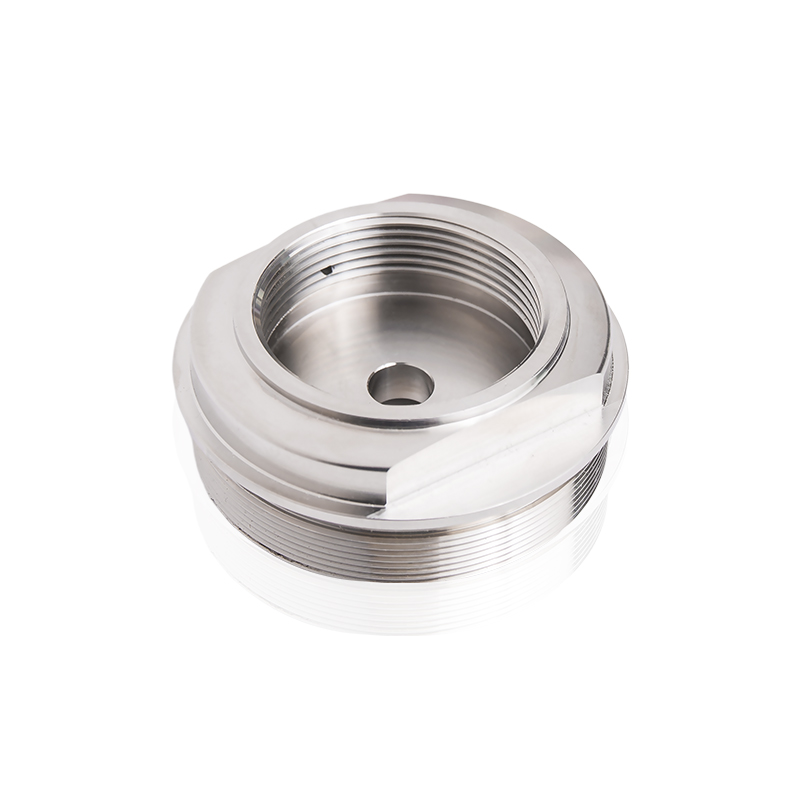
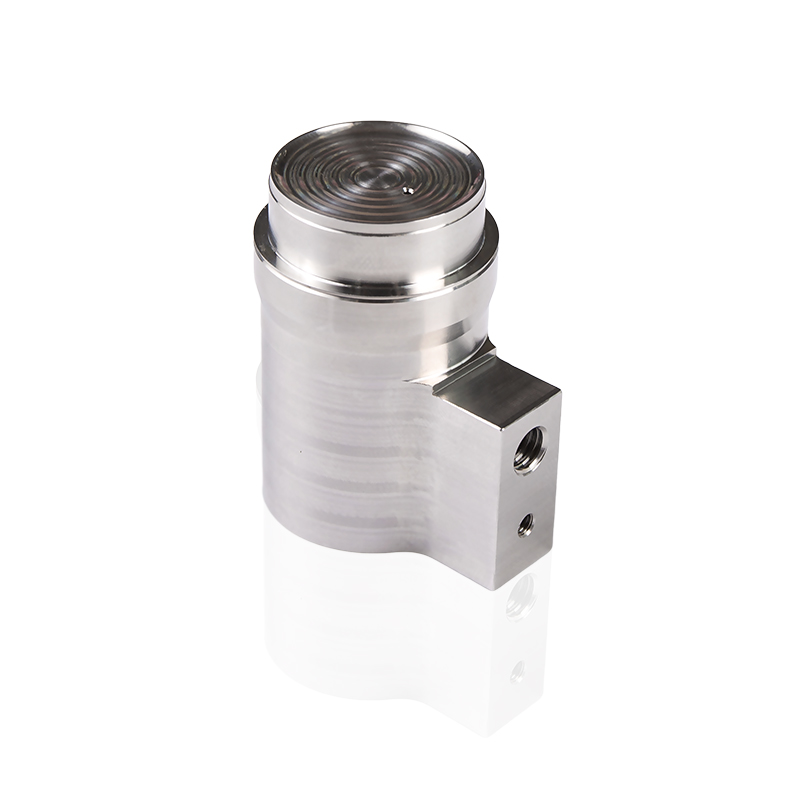
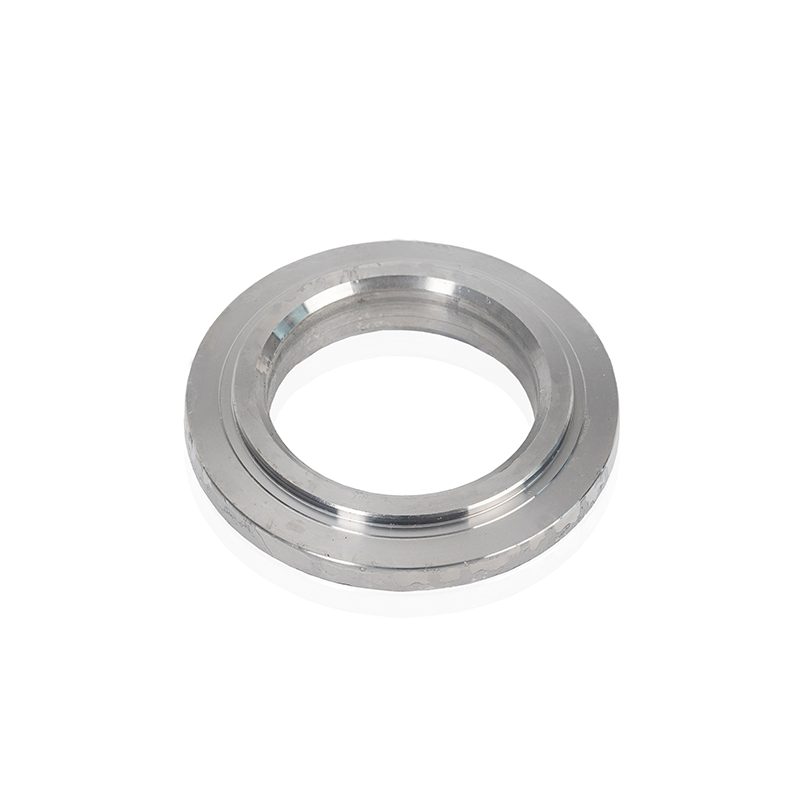
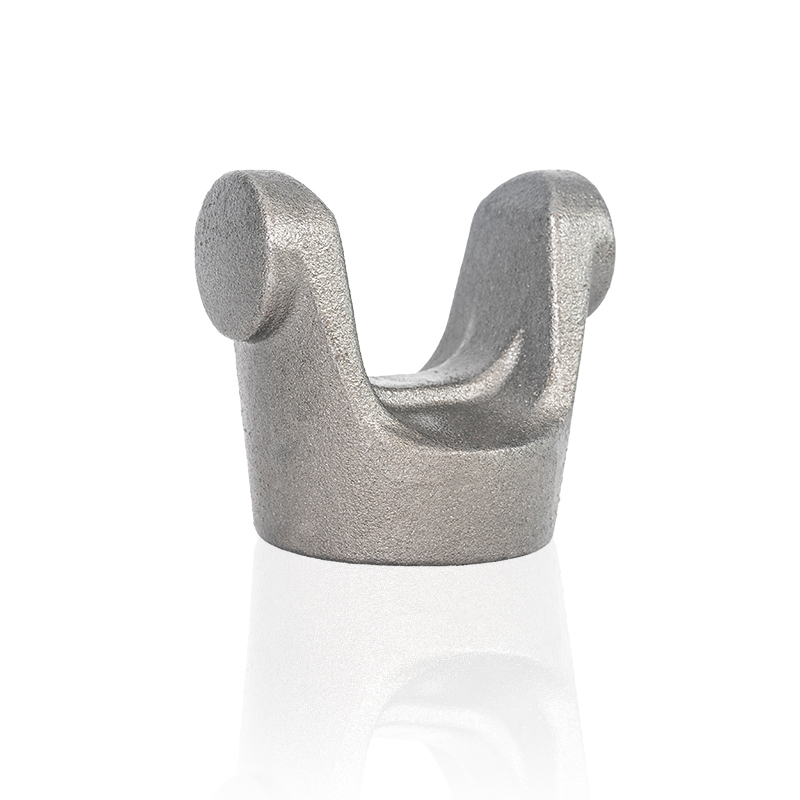
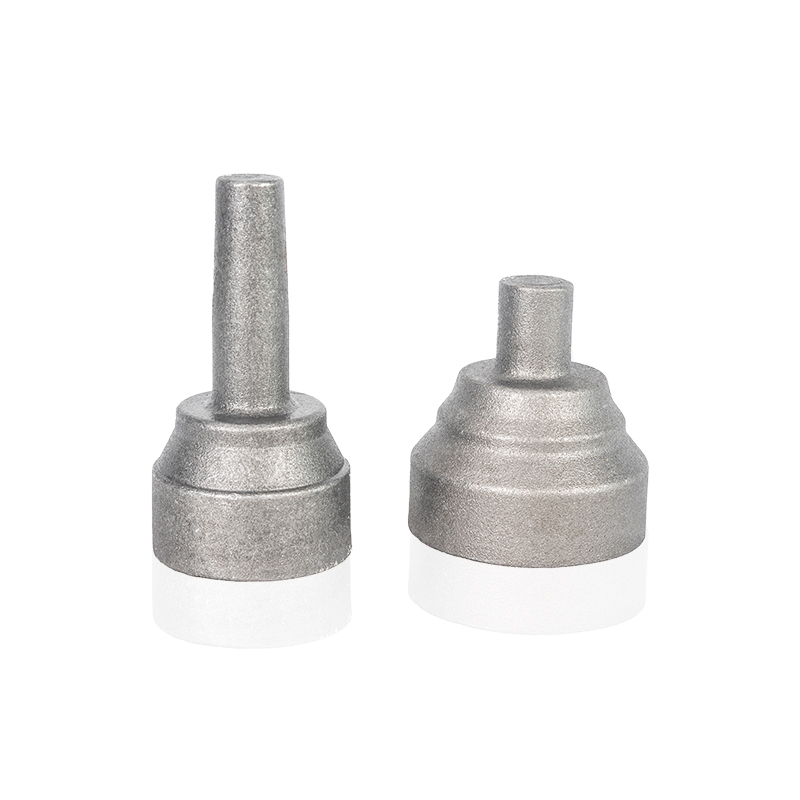
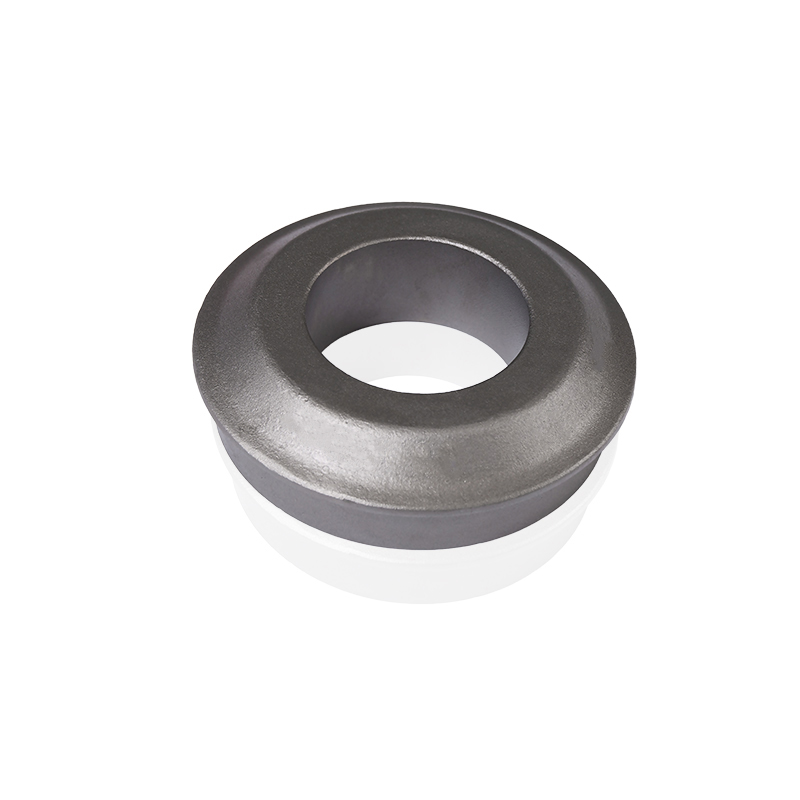
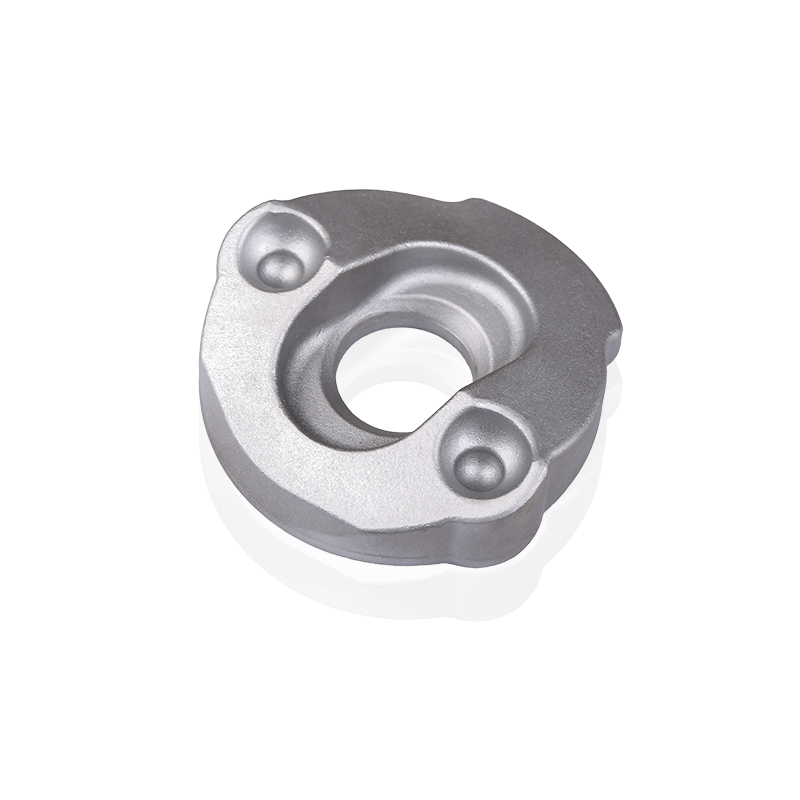
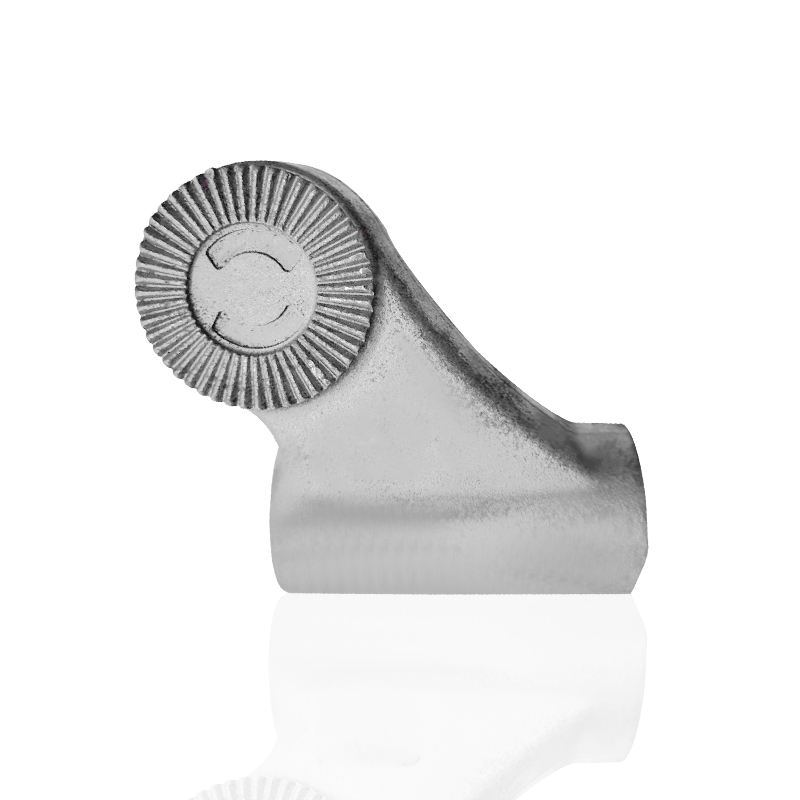
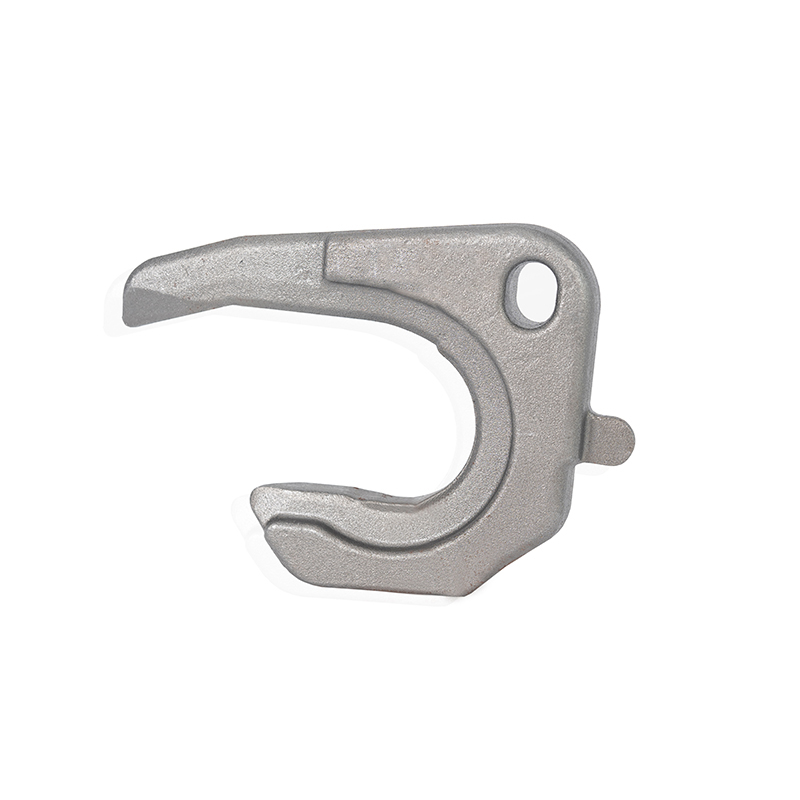
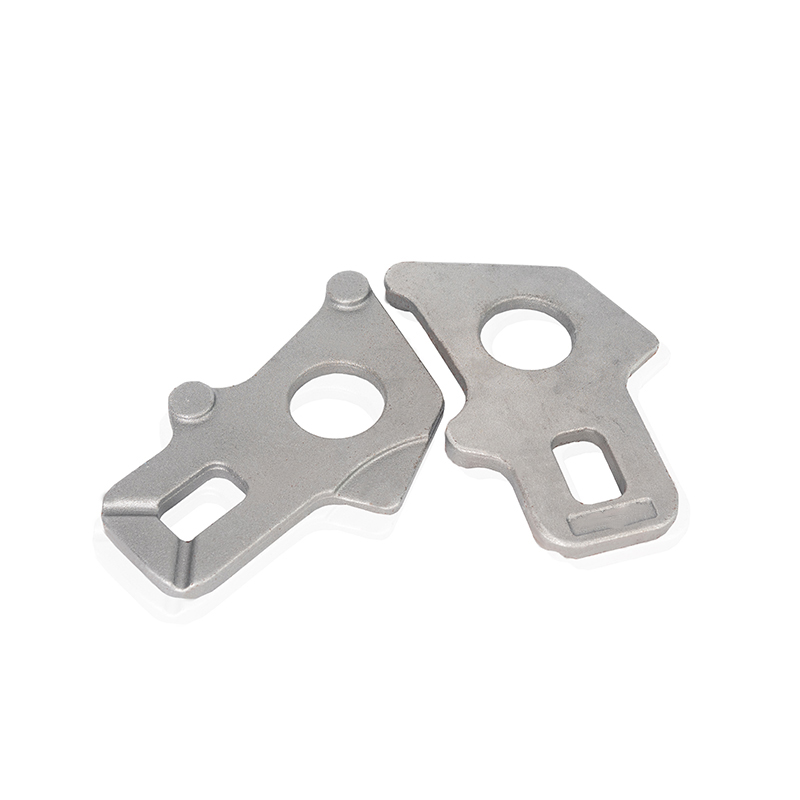
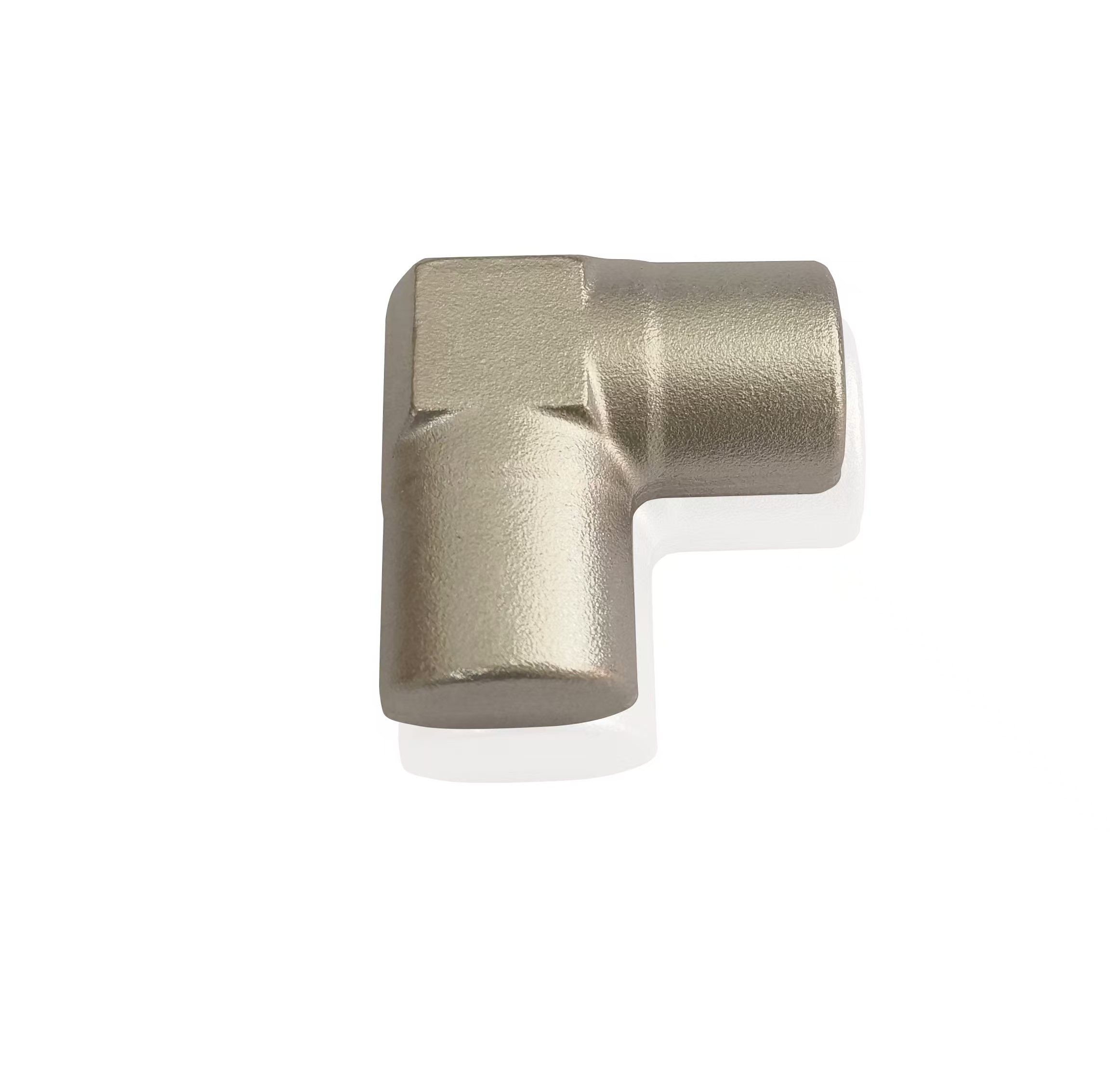
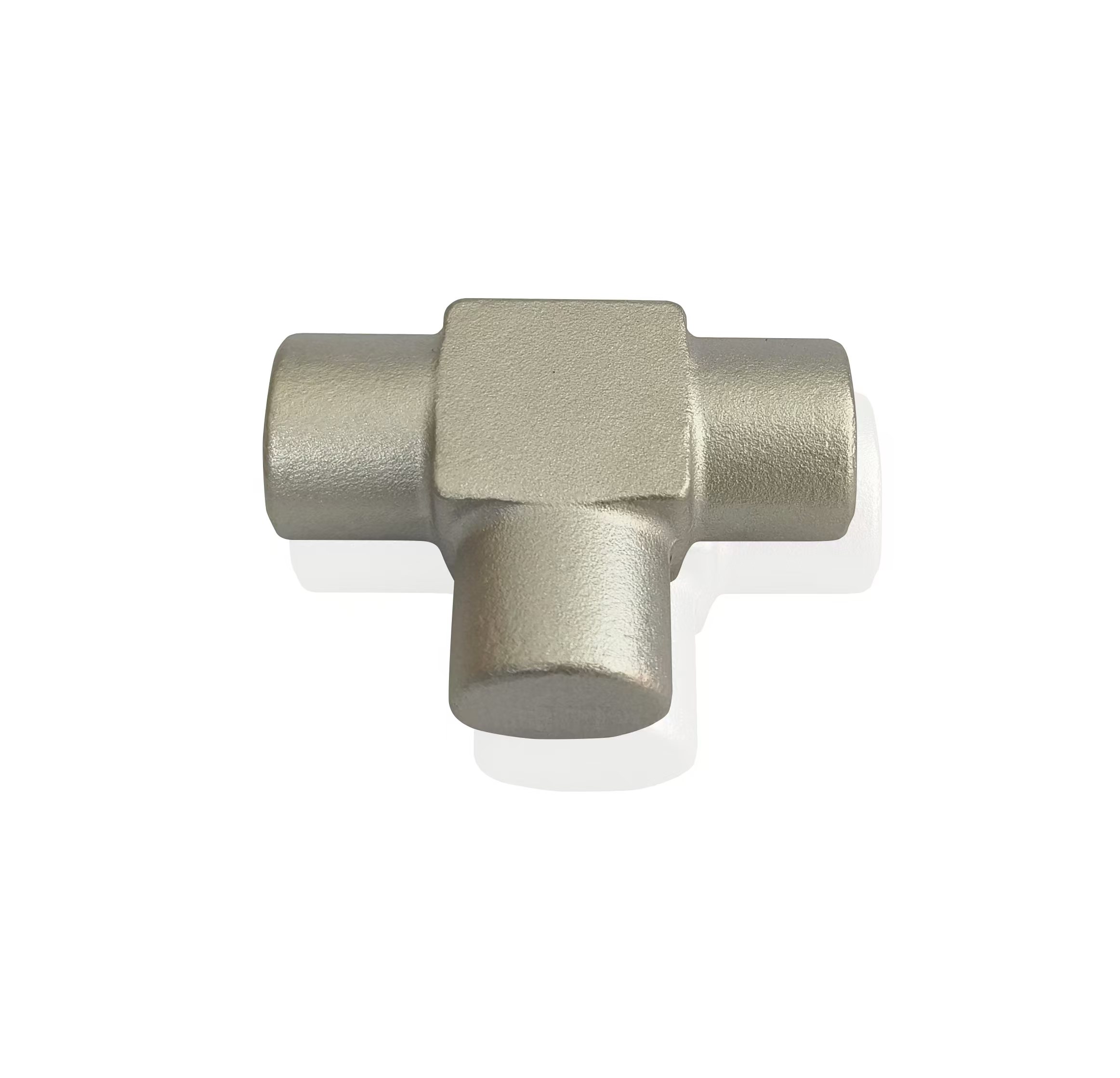

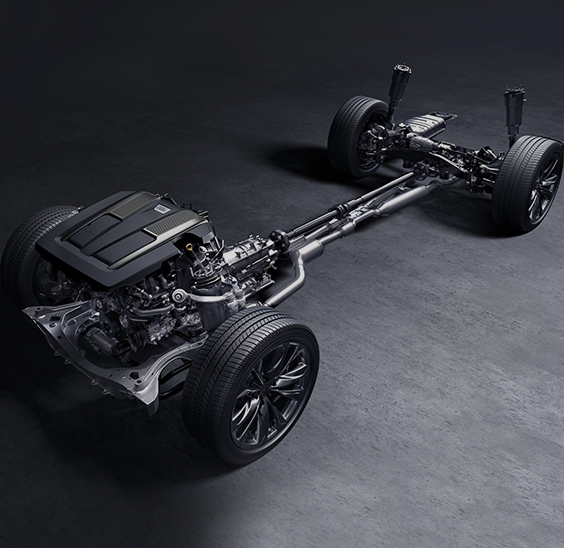
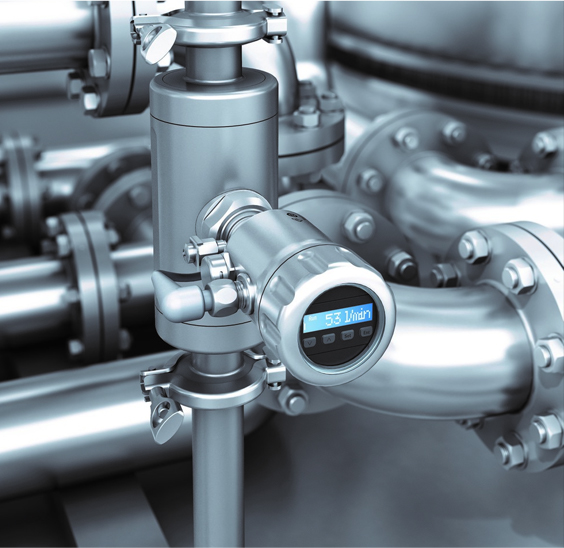
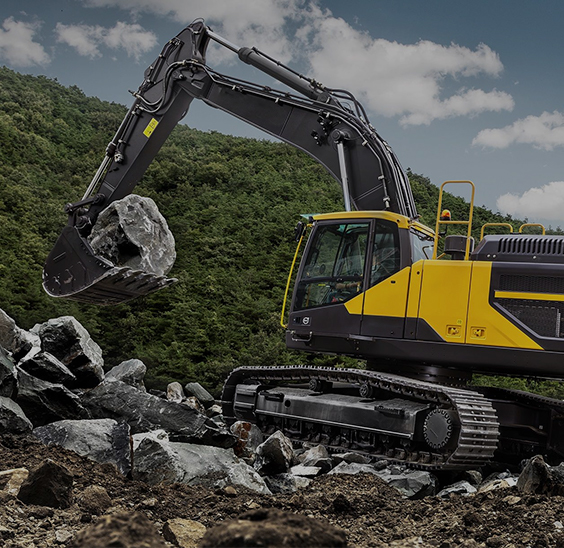
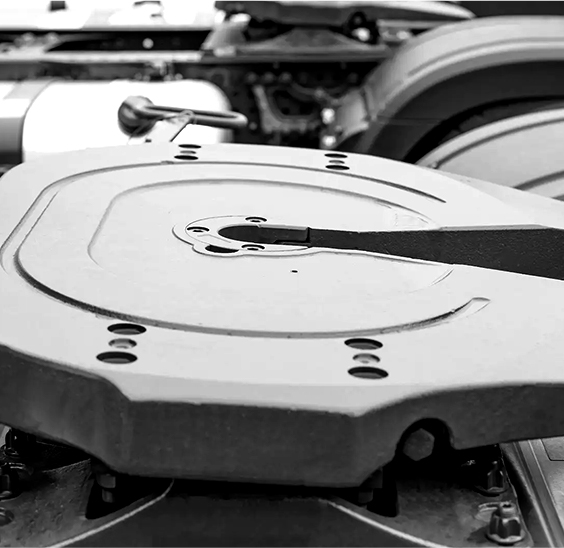
Our products primarily involve the production of forged components for the automotive industry, construction machinery industry, industrial instrumentation industry, and fluid equipment industry. Custom forging parts manufacturers and forged components solution providers in China.
Product links
Contact Us
-
Address:No. 5 Junrong Road, Daitou Town, Liyang City, Jiangsu Province, China
-
Tel:+86-18021979887
 苏公网安备32048102000516