

 EN
EN  English
 中文简体
中文简体
News
 Home / News / Industry news / Forging Connecting Rods: Process, Materials & How to Choose a Manufacturer
 Forging Connecting Rods: Process, Materials & How to Choose a Manufacturer
 2026.05.14
 Industry news
Content
- 1 Why Connecting Rods Must Be Forged, Not Cast
- 2 Materials Used in Forging Connecting Rods
- 3 The Complete Connecting Rod Forging Process
- 4 Fracture Splitting: The Precision Advantage at the Big End
- 5 Hot Forging vs. Powder Forging for Connecting Rods
- 6 Quality Control Standards in Connecting Rod Forging
- 7 How to Select a Forging Manufacturer for Connecting Rods
A connecting rod fails quietly — until it doesn't. When a rod cracks under cyclic loading at 6,000 RPM, the result is catastrophic. That's why the manufacturing method isn't a secondary decision: it is the performance and safety specification. Forging, specifically hot die forging, remains the dominant process for producing connecting rods that survive extreme inertial forces, combustion pressures, and fatigue cycles over the life of an engine. This guide walks through every stage — from material selection to final inspection — and covers what procurement teams need to evaluate when sourcing forged connecting rods.
Why Connecting Rods Must Be Forged, Not Cast
The connecting rod operates under one of the most punishing load conditions in any engine. Every power stroke pushes the rod into compression; every exhaust and intake stroke pulls it into tension. Add the bending stresses from lateral piston forces, and the rod sees fully reversed, high-cycle fatigue loading for hundreds of millions of cycles.
Cast connecting rods — whether iron or aluminum — are produced by pouring molten metal into a mold. The solidification process introduces internal porosity, shrinkage cavities, and randomly oriented grain structures. These are not cosmetic defects; they are fatigue initiation sites. Under cyclic loading, micro-cracks propagate from these voids until fracture occurs.
Forging eliminates this failure mode by shaping the rod under compressive force while the steel is in a plastic (but solid) state. The grain structure of the metal flows around the contours of the part, creating a continuous, aligned microstructure with no internal voids. The result is a component whose fatigue strength, toughness, and impact resistance are inherently superior — not through post-processing tricks, but through the metallurgical outcome of the forging operation itself. For a direct comparison of when forging outperforms casting in structural components, see this analysis of casting versus forging for engineering machinery components.
Materials Used in Forging Connecting Rods
Material selection sets the ceiling for every performance metric the finished rod can achieve. The three main categories in use today are medium carbon steel, alloy steel (predominantly 4340-grade), and aluminum alloy. Each occupies a distinct position in the performance-cost matrix.
| Material | Tensile Strength | Weight | Typical Application |
|---|---|---|---|
| Medium Carbon Steel (e.g., 1045) | ~620–830 MPa | Standard | Passenger cars, light commercial engines |
| Alloy Steel 4340 / 4330M | ~1,000–1,400 MPa | Standard | High-performance engines, heavy-duty diesel, motorsport |
| Aluminum Alloy (7075-T6) | ~500–570 MPa | ~25% lighter than steel | Drag racing, high-rev naturally aspirated engines |
| Non-Quenched & Tempered Steel (e.g., 38MnVS6) | ~850–1,000 MPa | Standard | High-volume automotive production (cost-optimized) |
SAE 4340 alloy steel — a chromium-nickel-molybdenum grade — is the industry benchmark for demanding applications. Its combination of deep hardenability and high yield strength makes it the preferred choice for turbocharged, supercharged, or high-compression engine builds. Non-quenched and tempered (NQT) steels like 38MnVS6 are gaining ground in mass-production automotive programs because they reach target mechanical properties through controlled post-forge cooling alone, eliminating a dedicated heat-treatment step and reducing manufacturing cost. For a broader treatment of how material grades affect forging outcomes, the guide to choosing the right forging material for industrial applications covers selection criteria in depth.
The Complete Connecting Rod Forging Process
Connecting rods are classified as long-axis precision forgings. Their geometry — a slender beam connecting two bores of different diameters — demands tight dimensional control at every stage. The standard hot forging sequence involves eight steps.
- Blanking (Shearing): Bar stock is cut to a precise weight using a bar shear or saw. Weight consistency at this stage directly controls material distribution in the die cavity.
- Medium-Frequency Induction Heating: The blank is heated to the optimal forging temperature range for the alloy — typically 1,100–1,250 °C for alloy steels. Induction furnaces provide tight temperature uniformity, which is critical for consistent grain refinement. See the optimal heating temperature ranges for metal forging for alloy-specific data.
- Roll Forging (Billet Preparation): The heated billet passes through a roll forging machine to redistribute material volume along the rod's length profile, creating a preform that approximates the rod's final shape before entering the dies.
- Pre-Forging & Final Forging (Closed Die): Two sequential press operations shape the rod: a pre-forge operation establishes the rough geometry, and a final forge in a precision die set achieves near-net shape with flash. Hot die forging presses, electric screw presses, or CNC hammers are used depending on production volume and required tolerances.
- Trimming, Punching & Thermal Correction: Flash is trimmed and bolt holes are punched in a hot state, immediately after forging. Thermal correction while the material is still warm prevents cooling distortion in the rod's slender shank.
- Heat Treatment: For quench-and-temper steels, the rods are austenitized, oil-quenched, and tempered to achieve target hardness and toughness. NQT steels bypass this step through controlled accelerated cooling directly from the forge. Understanding the differences between hot forging and cold forging processes helps clarify why thermal history is so consequential for structural performance.
- Shot Peening: Rods are blasted with small steel shot to induce compressive residual stresses in the surface layer. This directly counters tensile fatigue stresses and is considered non-negotiable for connecting rods intended for high-cycle service.
- Cold Precision Pressing, Inspection & Straightening: Final dimensional corrections are made under cold press, followed by magnetic particle inspection (MPI), surface appearance checks, and weight measurement. Matched sets are balanced to within tight tolerances before packaging.
Fracture Splitting: The Precision Advantage at the Big End
The connecting rod's big end — the bore that seats on the crankshaft journal — must be split into a rod body and a bearing cap to allow assembly. Traditionally, this separation was achieved by sawing or machining the cap off the rod body, which removes material and introduces dimensional variability at the mating surface.
Fracture splitting (also called crack splitting or expansion splitting) replaces that material-removal step with a controlled brittle fracture along a pre-notched parting line. A notch is machined or forged into the big-end bore, and a hydraulic mandrel applies a precisely controlled splitting force. The resulting fracture surface is topographically unique — a perfect interlocking map of microstructural features. When the cap is reassembled, those surfaces mesh with micron-level precision, achieving bearing bore roundness that machined separations cannot match.
Beyond dimensional accuracy, fracture splitting eliminates the machining allowance on the parting surface, reduces material removal in finishing, and enables the "cracking" capability that makes powder forged rods directly interchangeable with precision die-forged rods in high-volume finishing lines. The technique is now the standard for passenger car and light-duty diesel connecting rods in mass production. For more on the accuracy benefits of precision forging techniques, see precision forging advantages over traditional forging.
Hot Forging vs. Powder Forging for Connecting Rods
Two process routes dominate industrial-scale connecting rod production. Choosing between them is a decision about production volume, dimensional precision requirements, and cost structure.
Hot die forging (fracture-split drop forging) starts from wrought bar stock. It offers higher raw material strength — wrought 4340 steel delivers greater toughness than equivalent powder metallurgy grades — and is well-suited for small-to-medium production runs or applications requiring peak mechanical performance, such as heavy-duty diesel or motorsport connecting rods. Tooling investment is significant, but per-piece cost is competitive at scale.
Powder forging starts from a sintered metal powder preform that is reheated and fully densified in a forging press. The near-net-shape output dramatically reduces post-forge machining time and enables the elimination of the balancing boss on the small end, cutting secondary operations. Dimensional consistency across a production run is tight enough to support automated assembly with minimal sorting. SAE technical research has demonstrated that new high-strength powder forged materials can meet the fatigue performance requirements of next-generation gasoline and diesel engines and compete directly with wrought steel grades in cost-sensitive high-volume programs. For a detailed treatment of that benchmarking research, see the SAE technical paper comparing powder forging and drop forging for connecting rod production.
| Criteria | Hot Die Forging | Powder Forging |
|---|---|---|
| Raw Material Strength | Higher (wrought grain structure) | Good (high-strength PM grades available) |
| Dimensional Precision | Tight (with precision pressing) | Very tight (near-net shape) |
| Post-Forge Machining | Moderate | Minimal |
| Tooling Cost | High | Moderate-High |
| Best Volume Range | Low to high | High volume (automotive OEM) |
| Fracture Split Compatible | Yes | Yes |
Quality Control Standards in Connecting Rod Forging
A connecting rod that passes visual inspection but harbors a subsurface seam will eventually fail in the field. Rigorous non-destructive testing is not optional — it is the mechanism by which forging process variation is caught before assembly.
The standard quality control sequence for precision connecting rod forgings includes the following methods: Magnetic Particle Inspection (MPI) is applied twice — once after forging (to catch laps, seams, and surface cracks from die contact) and once after heat treatment (to detect quench cracks). MPI reliably detects surface and near-surface discontinuities in ferromagnetic steels. Rockwell Hardness Testing validates that heat treatment achieved target hardness across the rod cross-section. Hardness values outside specification indicate incorrect austenitizing temperature, insufficient quench rate, or tempering errors. Dimensional Inspection using CMM equipment checks bore diameters, center-to-center length, shank straightness, and weight. Weight matching across a rod set is critical for engine balance. Fatigue Testing on sample rods from each batch confirms that the lot meets the structural integrity requirements specified by the customer or applicable ASTM/SAE standards.
For a full breakdown of the testing methodologies and standards applied in precision forging quality systems, refer to this resource on metallurgical testing methods and quality control in forging.
How to Select a Forging Manufacturer for Connecting Rods
Not all forging suppliers are equipped to produce connecting rods to precision tolerances. The component's geometry — long axis, varying cross-section, tight bore requirements — demands specific equipment configurations and process controls that general-purpose forge shops may not maintain.
The following criteria should drive supplier evaluation:
- Equipment capability: The supplier should operate dedicated connecting rod forging lines with roll forging preform capability, matched pre-forge and final-forge dies, and integrated trimming/punching stations. Single-impression forging on a general hammer is not appropriate for precision rods.
- Material certification: Require mill certifications for all incoming bar stock and in-process chemical analysis. For 4340-grade rods, verify that the alloy meets ASTM A29 or equivalent and that the heat is traceable from billet to finished rod.
- Heat treatment control: Confirm that the supplier operates controlled-atmosphere heat treatment furnaces with calibrated temperature uniformity. Uncontrolled atmosphere causes decarburization on rod surfaces — a fatigue initiation risk that is difficult to detect and impossible to reverse.
- MPI and dimensional inspection infrastructure: In-house MPI capability, not subcontracted, ensures that testing frequency and coverage match production pace.
- Fracture split capability: For automotive OEM programs, confirm that the supplier has fracture splitting equipment and can demonstrate bore roundness data from production runs.
- Customization and prototyping: For non-standard engine platforms, the supplier's ability to design and cut new die sets, run prototype batches, and iterate on geometry is a significant advantage.
Jiangsu Nanyang Chukyo Technology specializes in precision die forgings for demanding applications across engineering machinery and vehicle transmission systems, with in-house heat treatment, MPI testing, and full dimensional inspection capabilities. For projects requiring custom forging solutions, the custom metal forging supplier selection guide outlines additional criteria for evaluating partners on complex geometries.
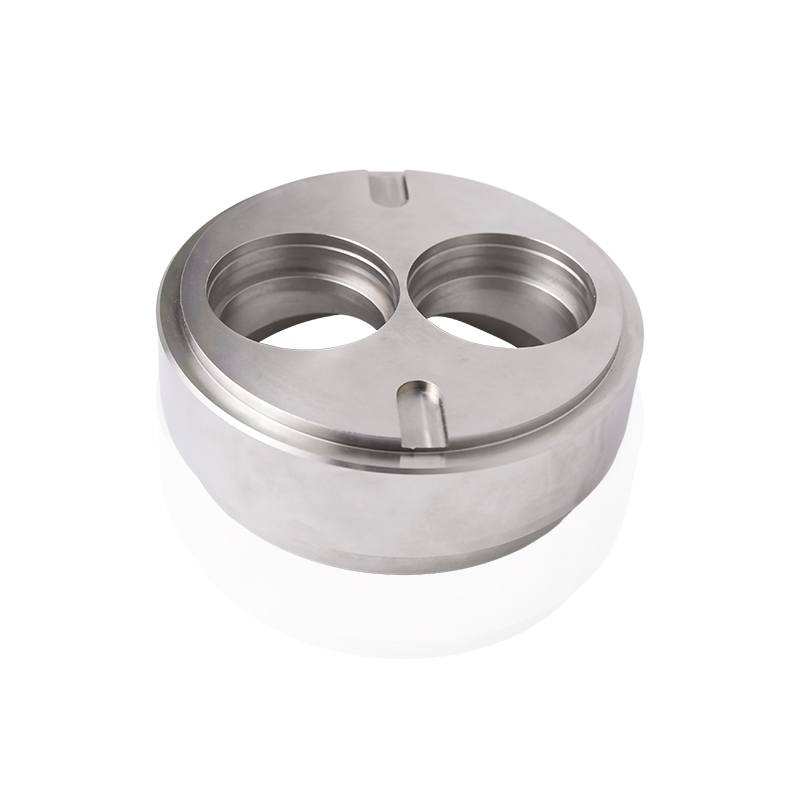
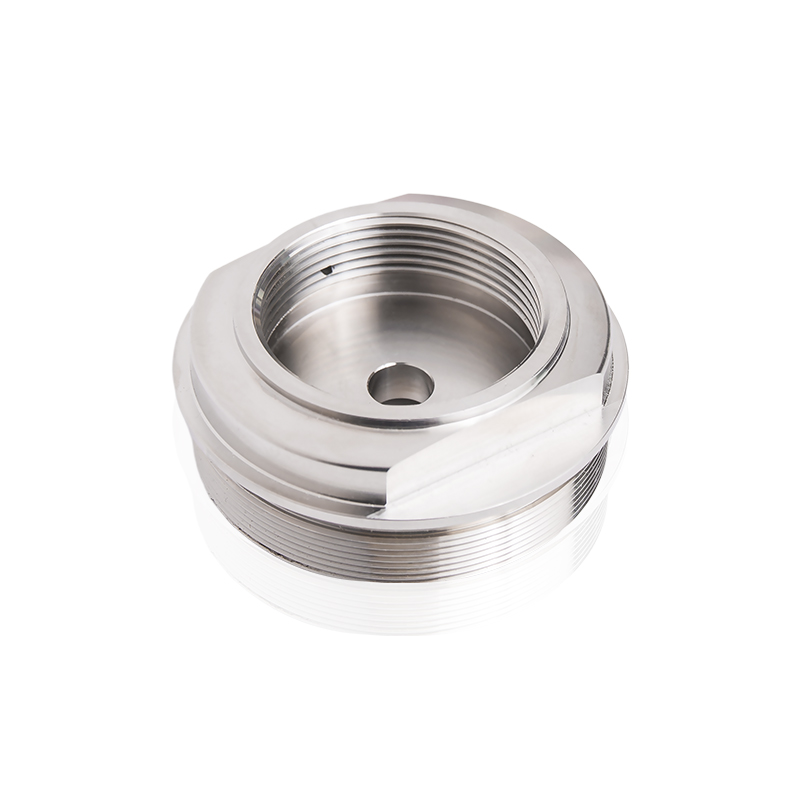
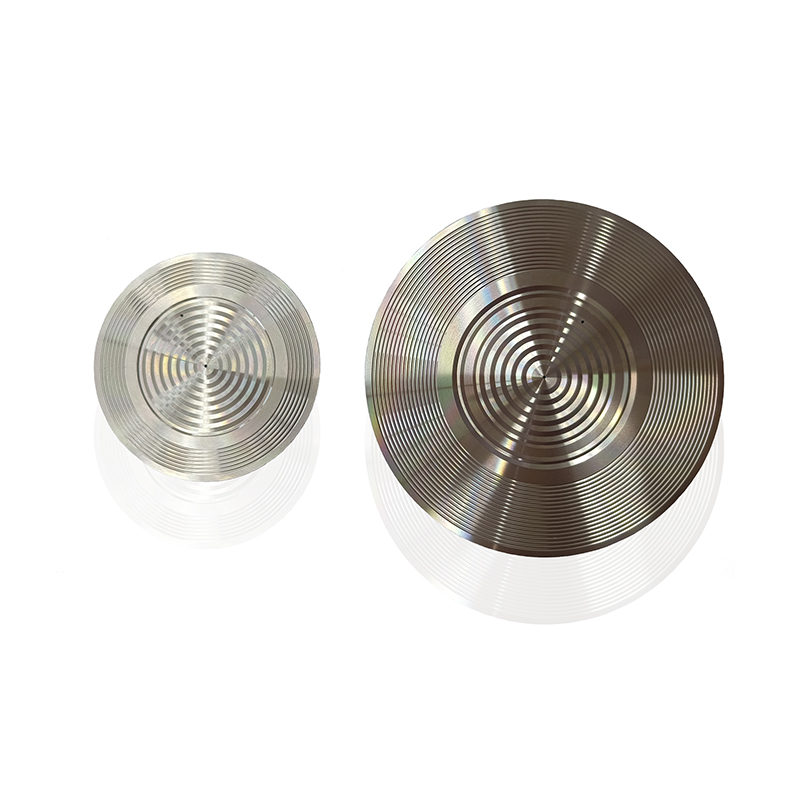
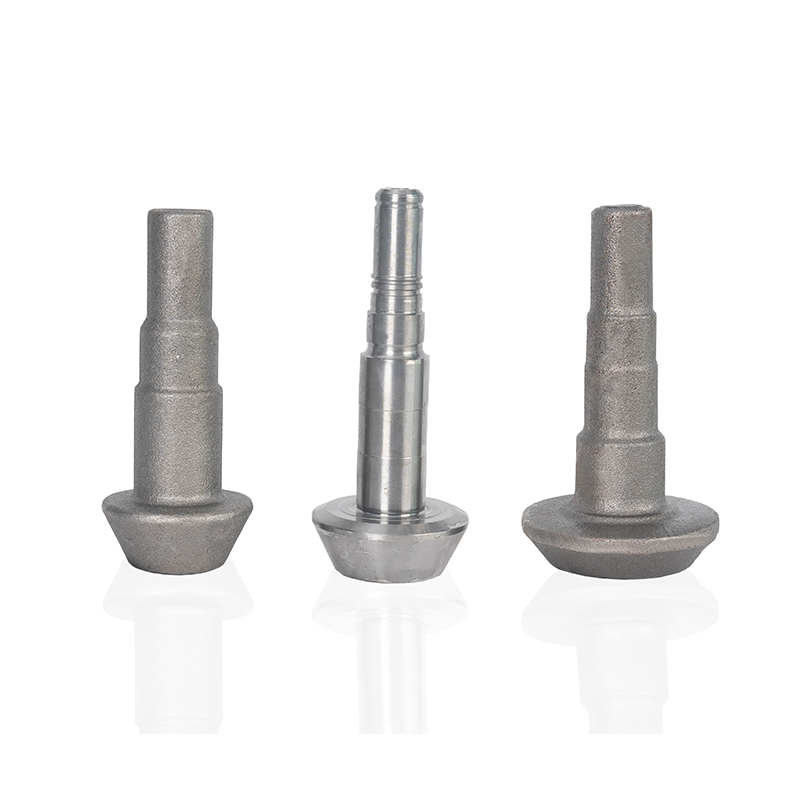
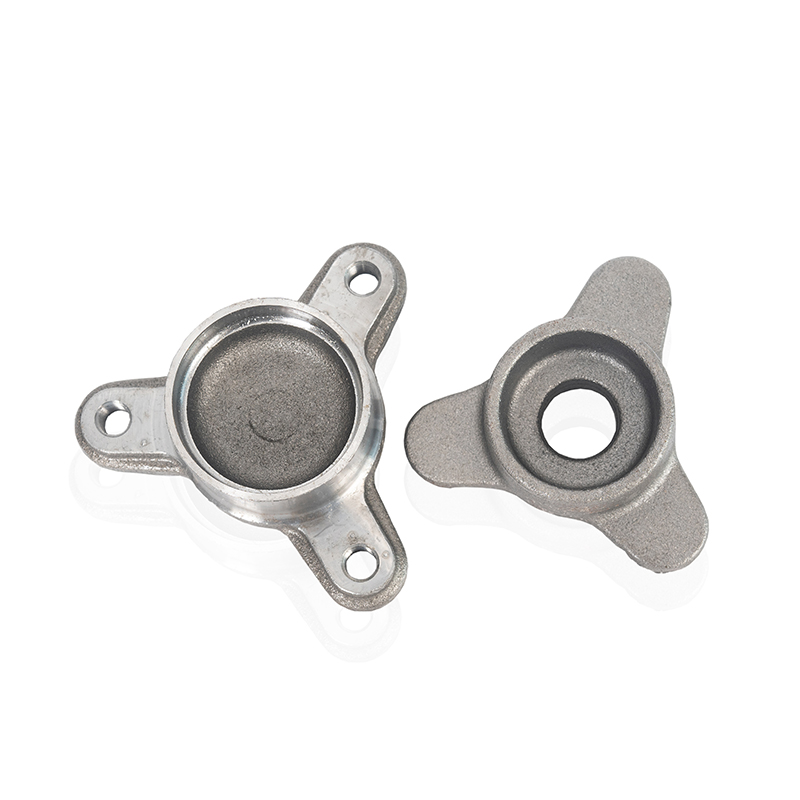
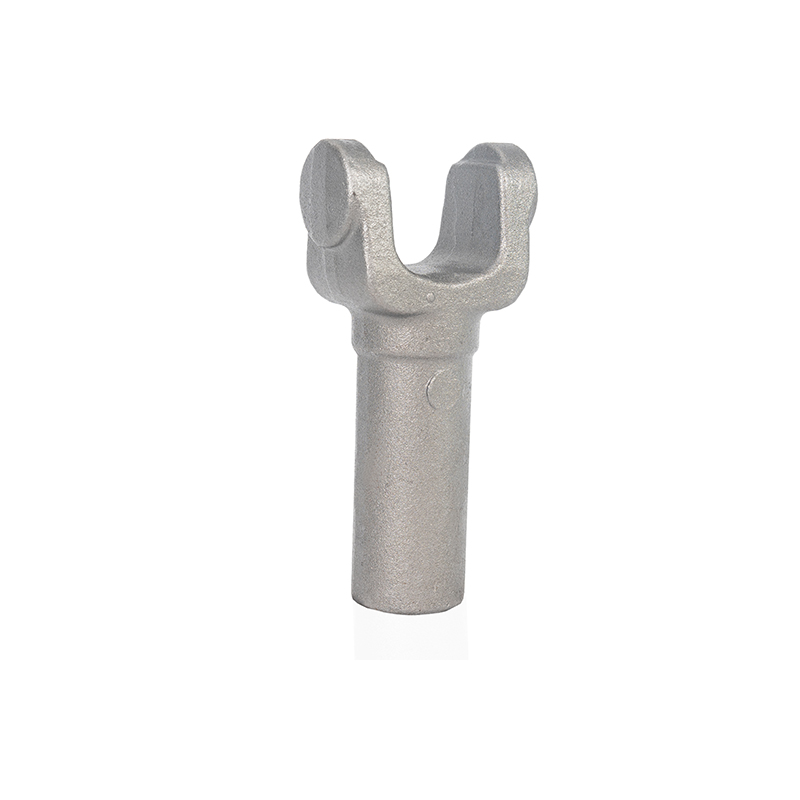
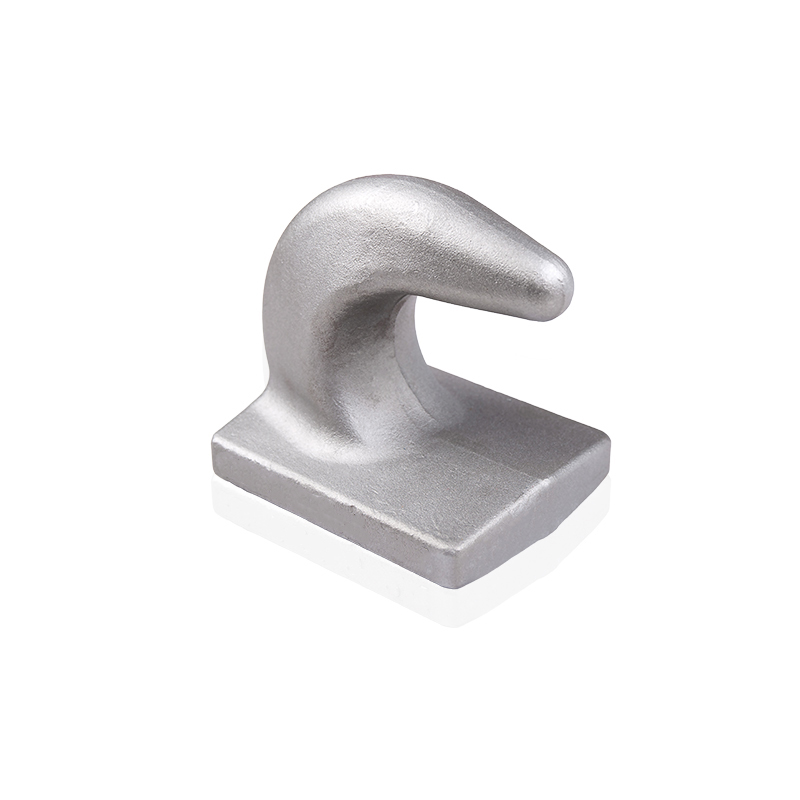
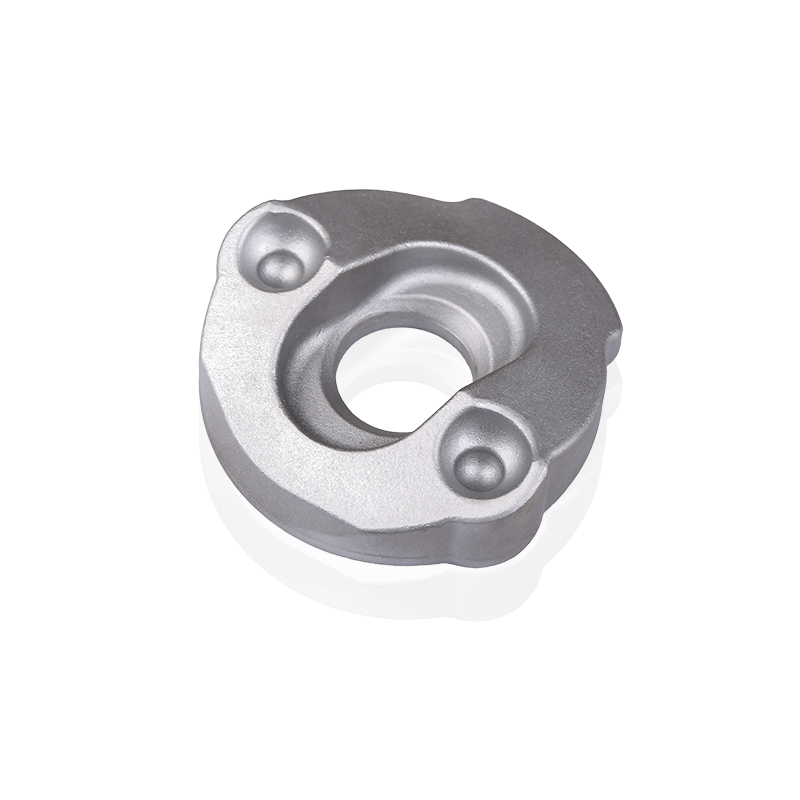
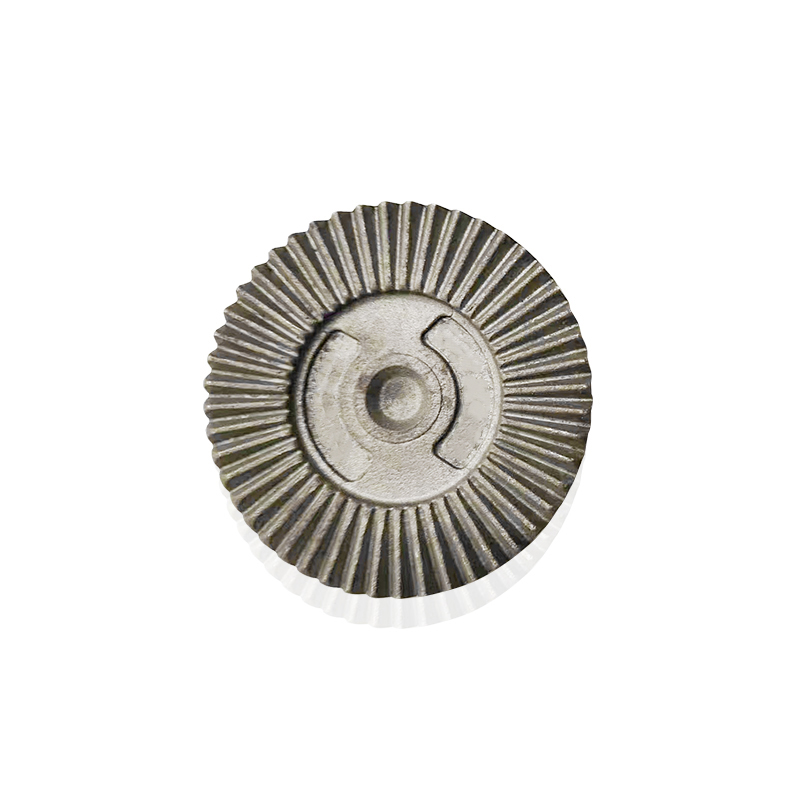
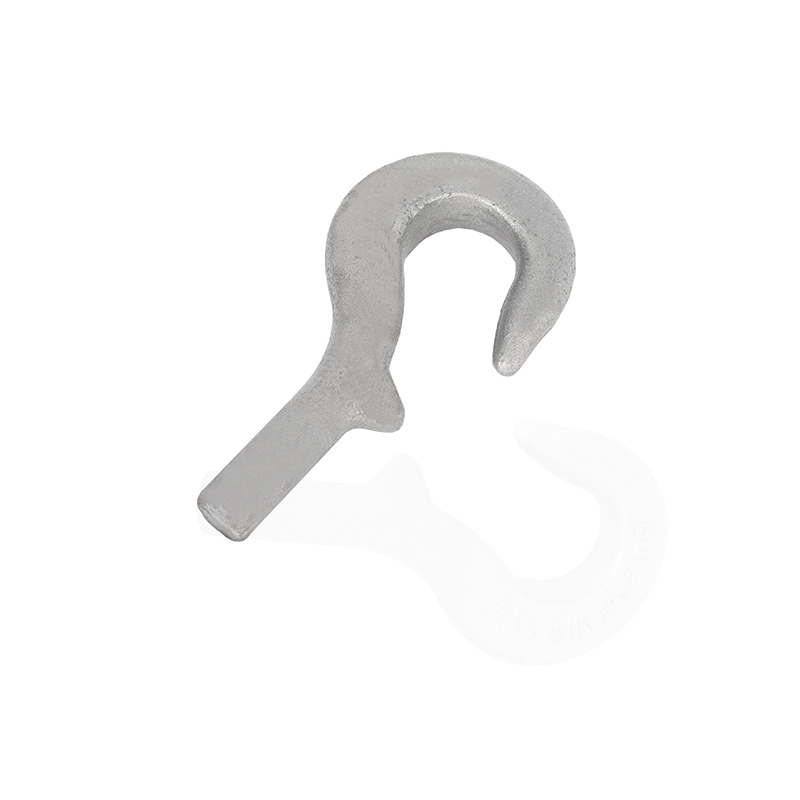
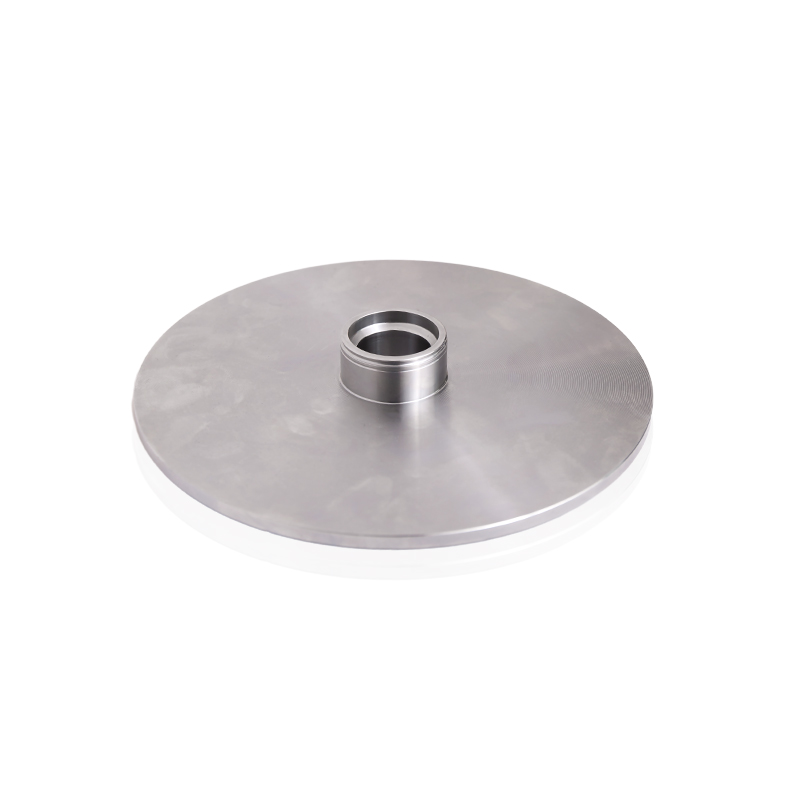
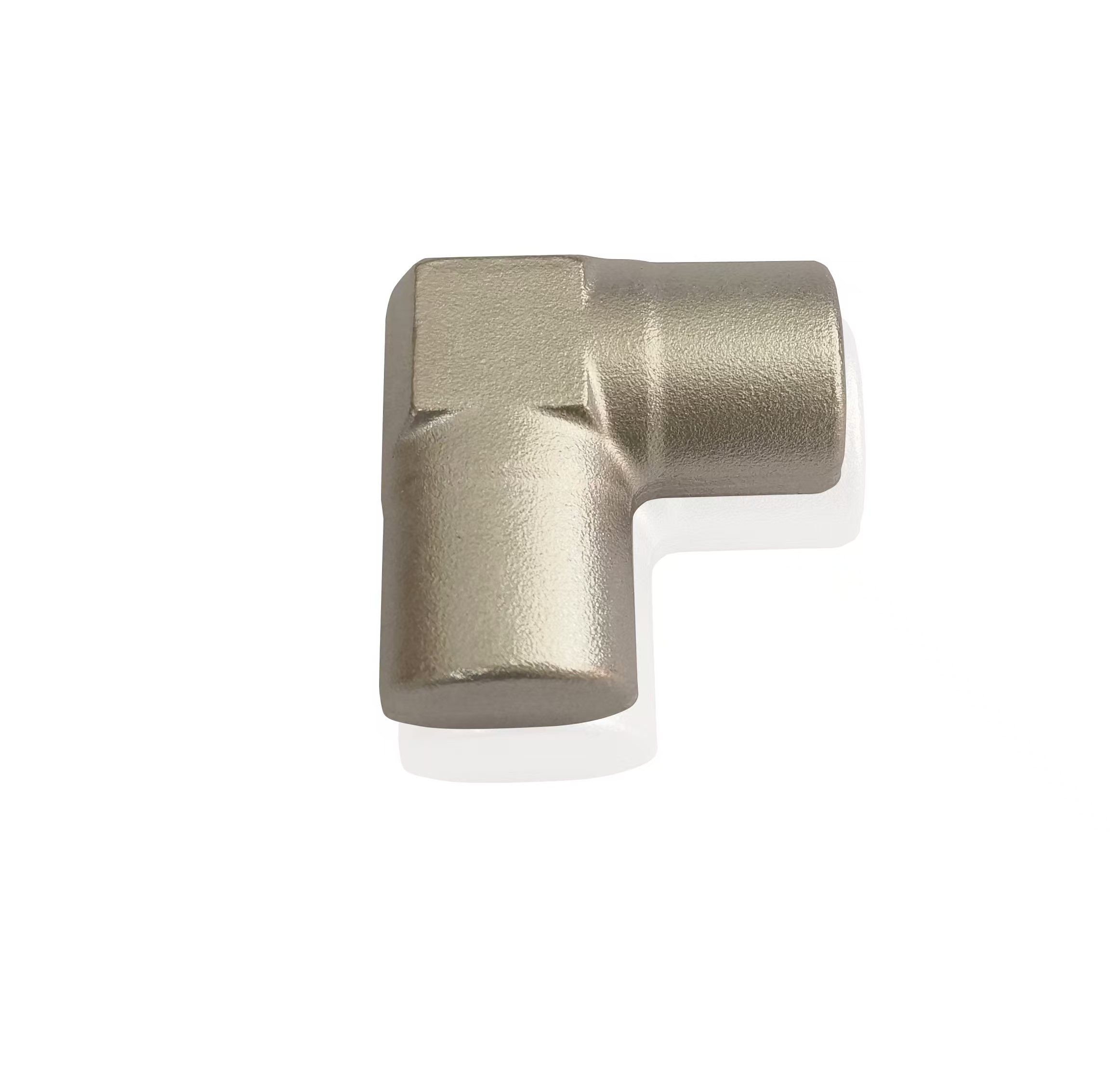

Our products primarily involve the production of forged components for the automotive industry, construction machinery industry, industrial instrumentation industry, and fluid equipment industry. Custom forging parts manufacturers and forged components solution providers in China.
Product links
Contact Us
-
Address:No. 5 Junrong Road, Daitou Town, Liyang City, Jiangsu Province, China
-
Tel:+86-18021979887
 苏公网安备32048102000516