

 EN
EN  English
 中文简体
中文简体
News

What Is Drop Forging? Process, Benefits, Uses, and Costs
 2026.02.06
 Industry news
Content
- 1 What is drop forging?
- 2 How drop forging works in a typical shop
- 3 Why drop-forged parts are usually stronger
- 4 Drop forging vs. casting vs. machining
- 5 Common types of drop forging
- 6 Design rules that make drop forging succeed
- 7 Quality checks and common defects
- 8 Cost drivers and when drop forging is worth it
- 9 Conclusion
What is drop forging?
Drop forging is a metal-forming process where a heated metal billet is shaped by repeated high-energy “drops” (hammer blows) between dies. The impact forces the metal to flow into the die cavity, producing strong, dense parts with a grain flow that follows the shape of the component.
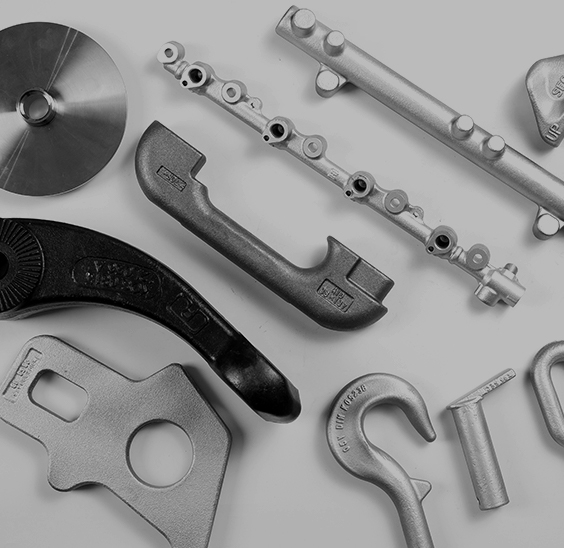
In practical terms, drop forging is chosen when you need high strength and fatigue resistance in parts like wrenches, connecting rods, axle components, hooks, or structural brackets—especially at medium to high volumes where die cost can be amortized.
How drop forging works in a typical shop
While exact sequences vary by material and part geometry, most drop-forged components follow the same workflow:
Core process steps
- Cut billet/bar stock to a controlled weight (the closer the weight, the less flash and rework).
- Heat the billet (hot forging commonly runs in the ~900–1250°C range depending on alloy; aluminum and titanium use lower, alloy-specific windows).
- Preform the metal (often in edging/fullering dies) to distribute volume where the part needs it.
- Finish forge in a closed die with repeated drops until the cavity fills and flash forms at the parting line.
- Trim flash (separate trim dies or presses), then normalize/heat treat as required.
- Clean, shot blast, and machine critical surfaces (holes, bearing seats, threads) to final tolerance.
The “drop” can come from a gravity drop hammer, power hammer, or screw press. Regardless of machine type, the key is rapid, high-strain deformation that compacts the metal and aligns its microstructure.
Why drop-forged parts are usually stronger
Drop forging improves mechanical performance mainly through controlled metal flow:
Practical strength drivers
- Grain flow follows the part shape, which often boosts fatigue resistance compared with a fully machined part from bar where grain is cut across.
- Lower internal porosity than many castings because the metal is plastically compressed rather than solidified in-place.
- Refined microstructure from deformation and controlled heat treatment, improving toughness and consistency lot-to-lot.
Example: A drop-forged hand tool (like a wrench) can tolerate repeated high torque cycles because the grain flow wraps around the handle and jaw, reducing crack initiation at stress concentrations compared with a tool cut from plate or bar.
Drop forging vs. casting vs. machining
The right process depends on strength targets, geometry, and total cost at your expected volume. This comparison highlights practical tradeoffs.
| Method | Strength & fatigue | Geometry freedom | Typical cost profile |
|---|---|---|---|
| Drop forging | High; grain flow helps fatigue | Moderate; needs draft and parting | Higher tooling, lower per-part at volume |
| Casting | Varies; porosity risk in many alloys | High; complex internal shapes possible | Tooling can be moderate; depends on process |
| Machining from bar/plate | Good static strength; fatigue depends on grain cut | Very high; easiest for prototypes | Low tooling, higher per-part cycle time and scrap |
A useful rule of thumb: if a part will see repeated impact or cyclic loading (tools, automotive drivetrain, lifting hardware), drop forging frequently wins on durability even if it still needs finish machining.
Common types of drop forging
Drop forging is usually grouped by die configuration and temperature. Knowing the category helps you predict surface finish, tolerances, and post-processing needs.
Open-die vs. closed-die (impression-die)
- Open-die: Metal is shaped between flat/simple dies; good for large shafts and low-volume work, but less net-shape control.
- Closed-die (impression-die): Metal flows into a cavity; best for repeatable near-net shapes and production runs.
Hot vs. warm vs. cold
- Hot forging: Most common; easiest to form and fill dies, best for tough alloys and larger deformation.
- Warm forging: Intermediate temperature; can improve dimensional control and reduce scale vs. hot forging.
- Cold forging: Best surface finish and dimensional control, but limited deformation and higher press loads; often used for fasteners and small components.
Design rules that make drop forging succeed
Many drop-forging issues come from die-filling problems or excessive finishing requirements. These design rules reduce scrap and cost.
Geometry and die-filling
- Use generous fillets and radii to avoid sharp corners that restrict metal flow.
- Include draft angles so the part releases from the die (more draft usually means easier ejection and longer die life).
- Place the parting line to minimize undercuts and reduce trimming complexity.
- Balance thickness transitions; sudden thin sections may not fill before the metal cools.
Tolerance and machining allowances
Drop forgings are commonly produced as near-net shapes, then machined where precision matters (bearing seats, bores, faces). Planning machining stock early is critical: too little stock risks out-of-tolerance surfaces; too much stock increases cycle time and waste.
Quality checks and common defects
Drop forging is robust, but defects can occur when temperature, lubrication, billet weight, or die alignment drift. Catching problems early prevents costly downstream machining of scrap parts.
Typical defects and what they mean
- Underfill (unfilled sections): Often caused by low billet temperature, insufficient energy, or overly thin features.
- Laps/folds: Metal folds over itself; linked to poor preform design or flow restrictions.
- Mismatch at parting line: Die misalignment; shows up as a step that increases trim and machining.
- Cracking: Excess deformation at low temperature or poor alloy/process window control.
Common inspection methods
- Dimensional checks with gauges/CMM for critical features.
- Magnetic particle or dye penetrant testing for surface cracks (application depends on alloy and spec).
- Ultrasonic testing for internal discontinuities on safety-critical components.
- Hardness and microstructure verification after heat treatment.
Cost drivers and when drop forging is worth it
Drop forging can be cost-effective, but only when the part and volume justify the tooling and setup. Understanding cost drivers helps you decide quickly.
What most affects price
- Die design complexity: More features and deeper cavities increase die cost and wear.
- Material and billet weight control: Heavier billets raise material cost; inconsistent weight raises scrap.
- Flash and trimming: More flash means lower material yield and more handling.
- Post-processing: Heat treatment, shot blasting, and machining often dominate total cost for tight-tolerance parts.
A practical decision guideline
Drop forging is typically a strong choice when you need repeatable strength and high fatigue life, and you expect enough quantity to spread tooling cost across the run. For one-off prototypes or highly complex internal cavities, machining or casting may be faster and cheaper.
Conclusion
Drop forging is the process of shaping metal by repeated hammer drops between dies, producing strong, durable parts with favorable grain flow. It’s most valuable for load-bearing components and tools where fatigue resistance matters, especially when production volume can justify die tooling and controlled post-processing.
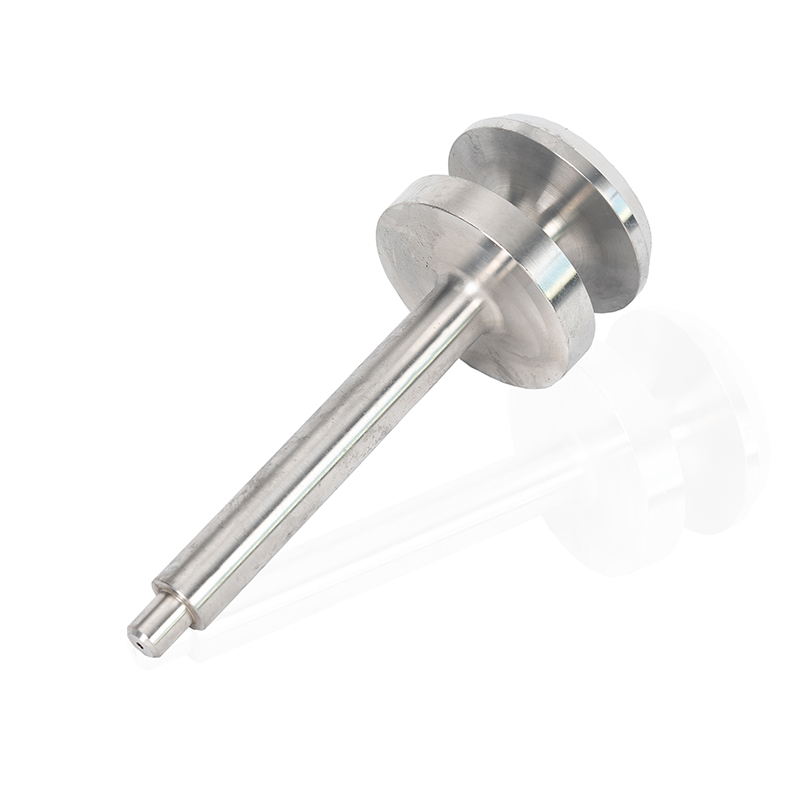
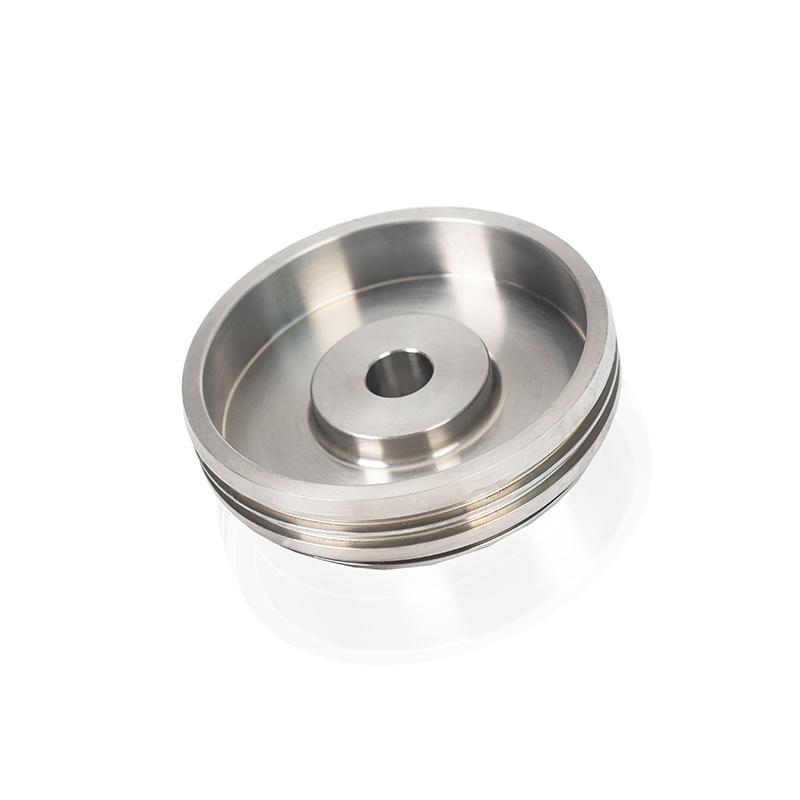
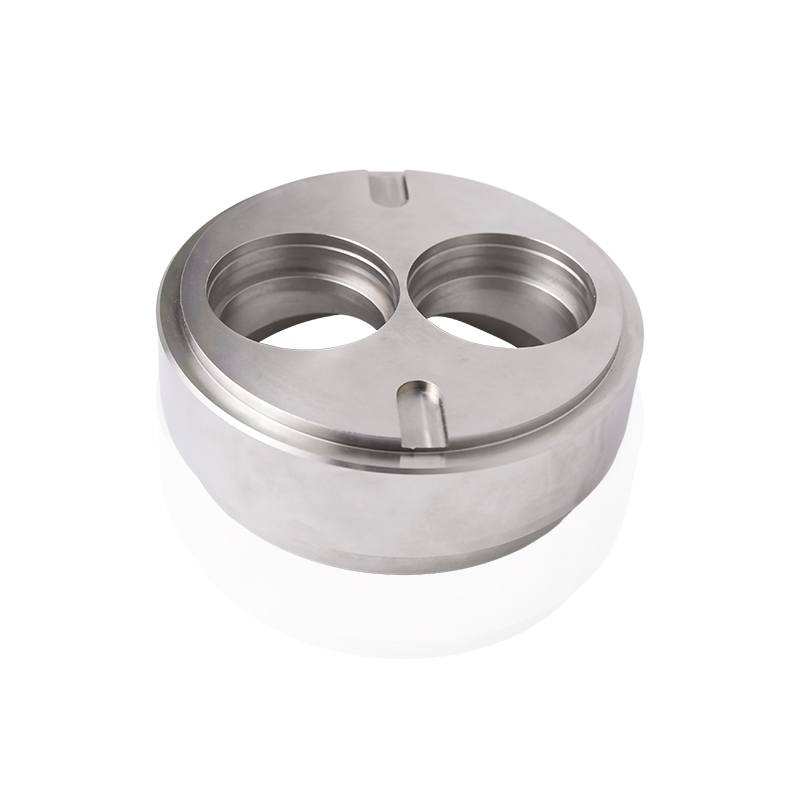
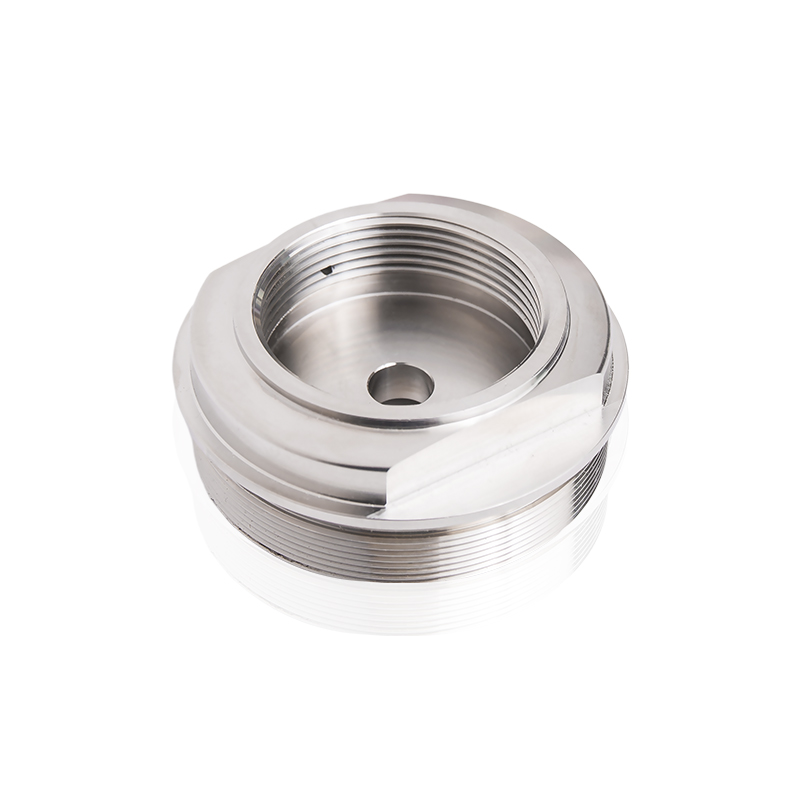
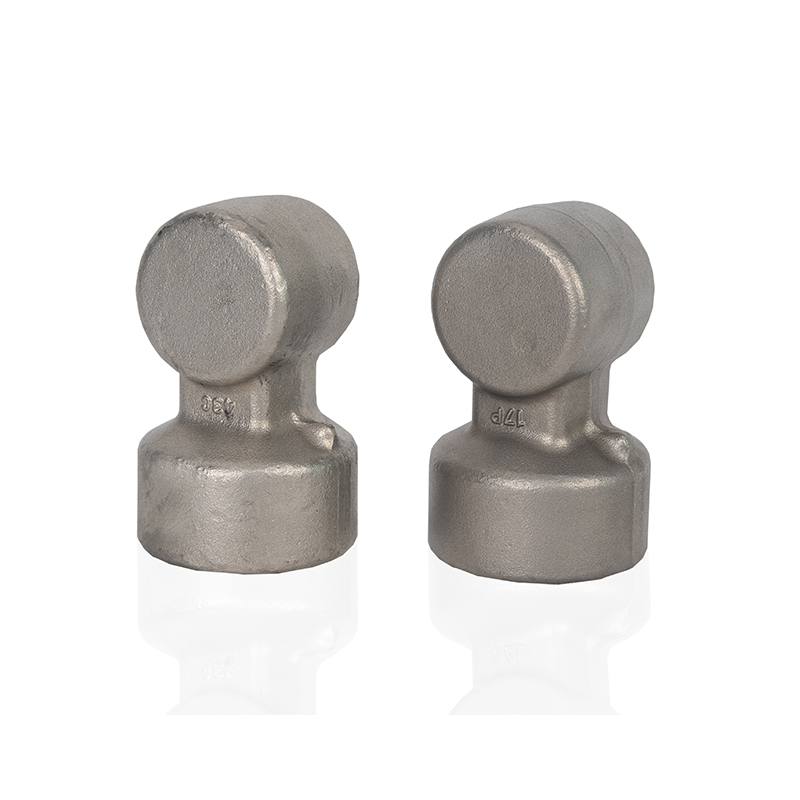
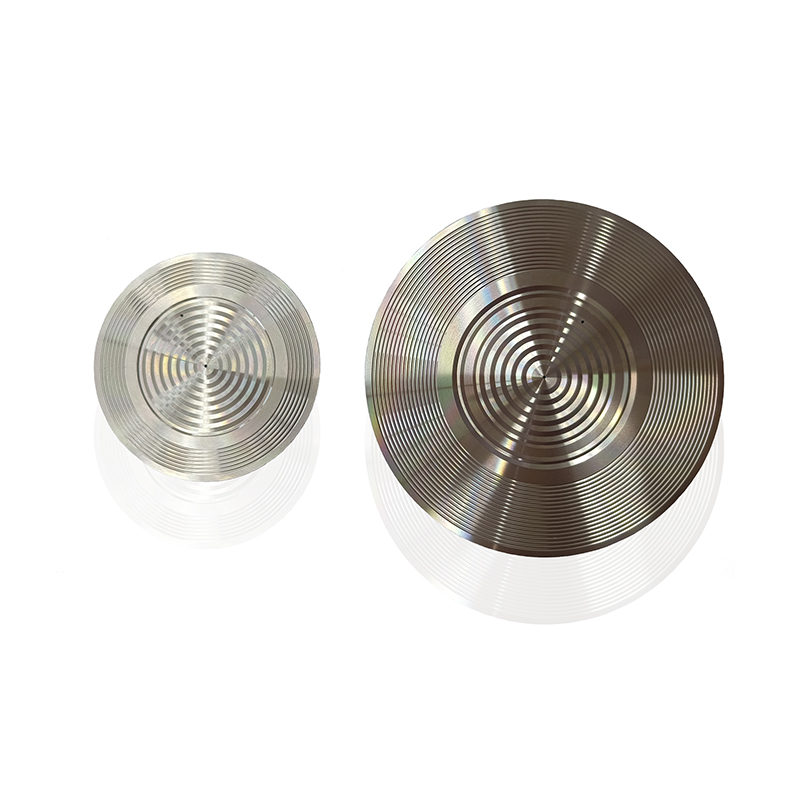
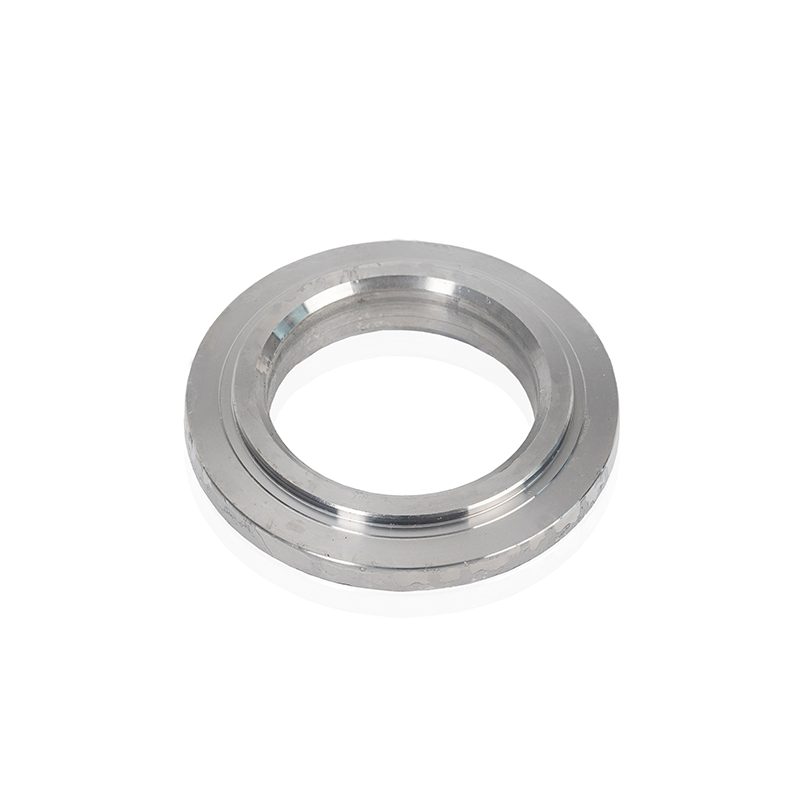
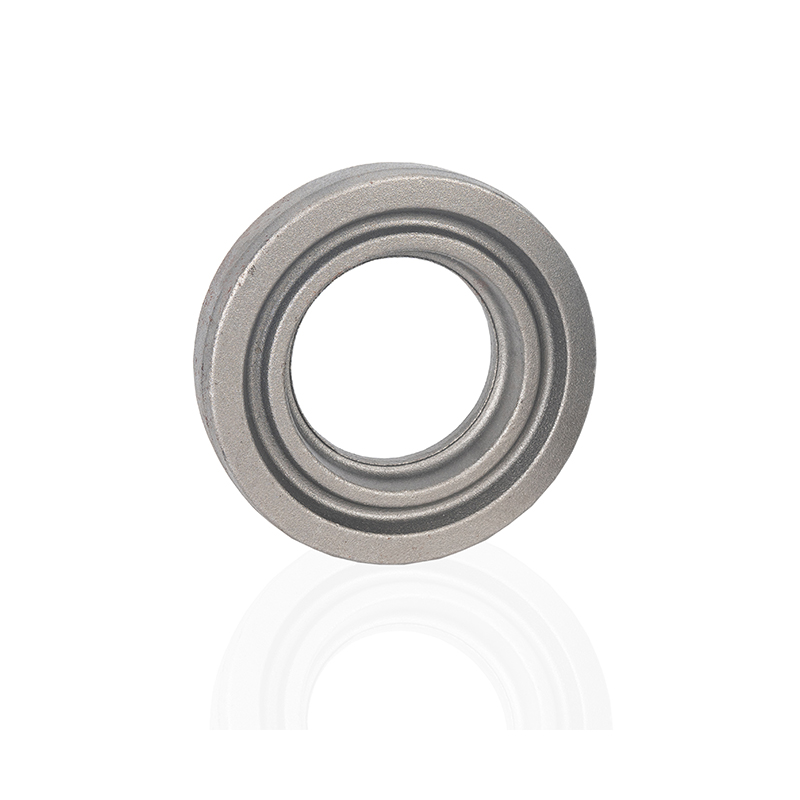
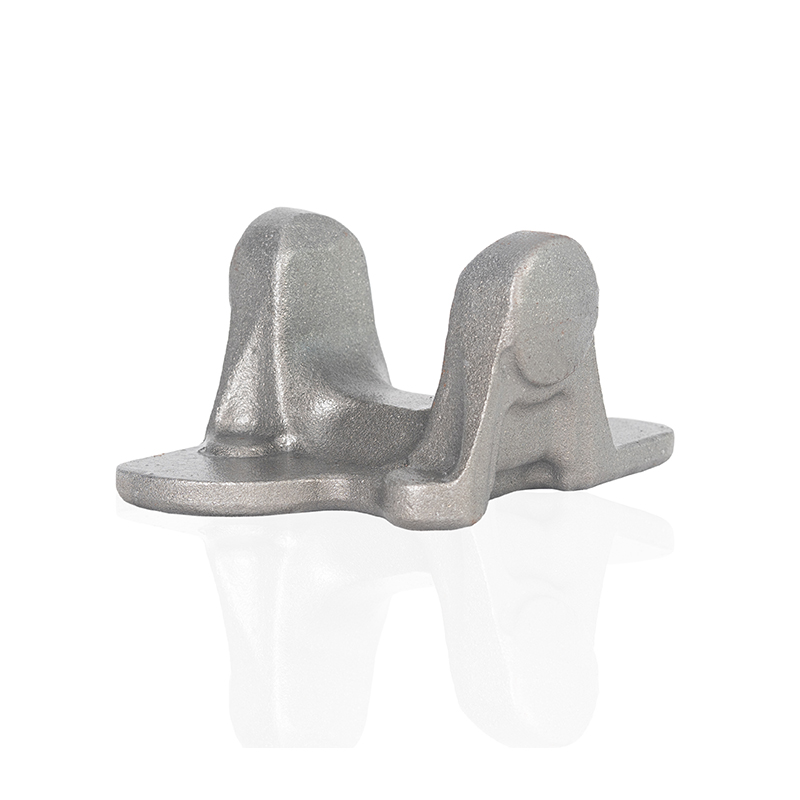
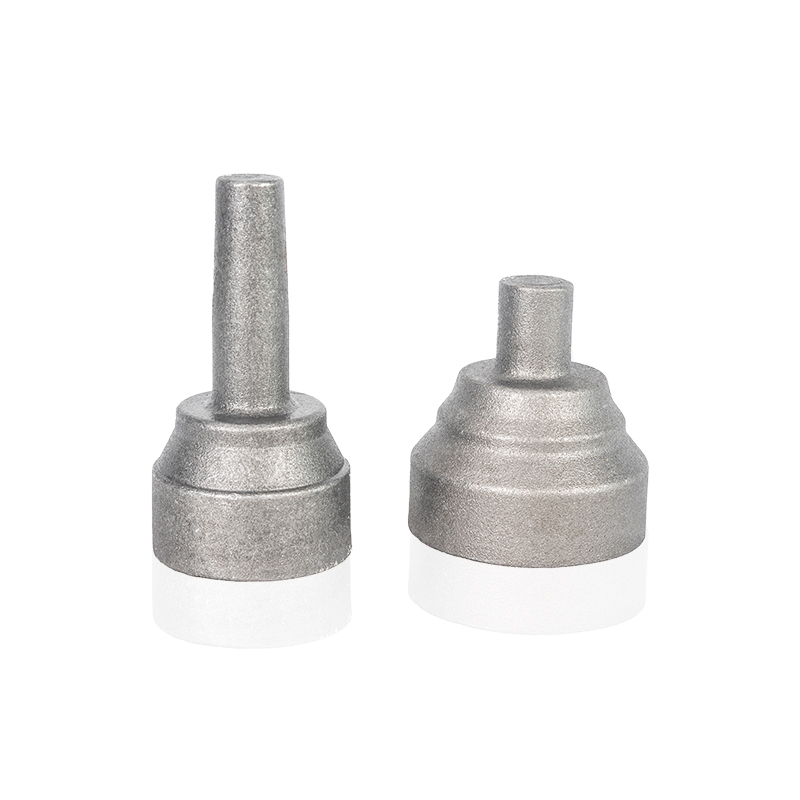
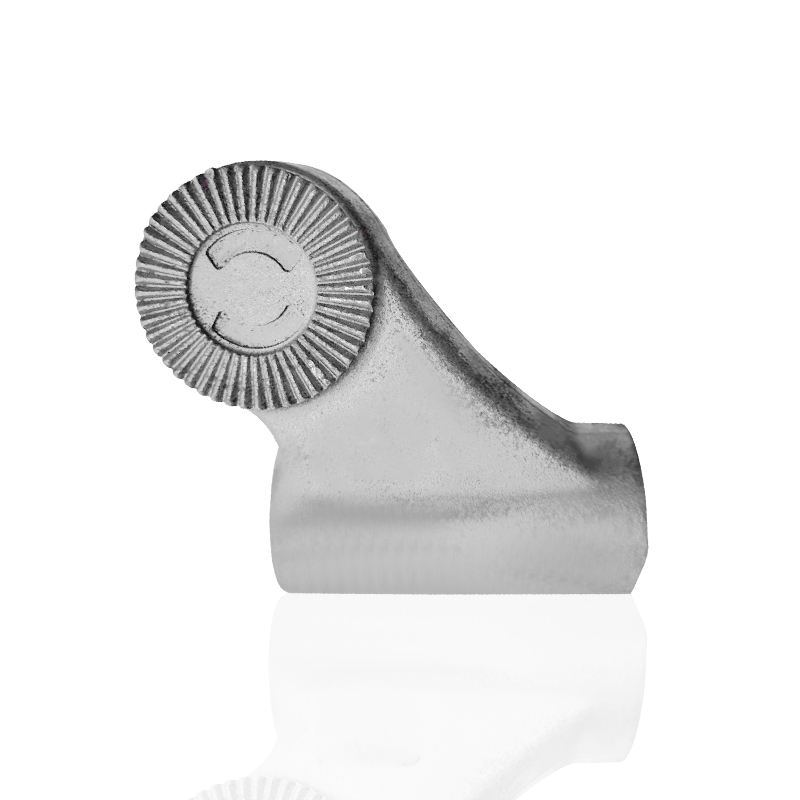
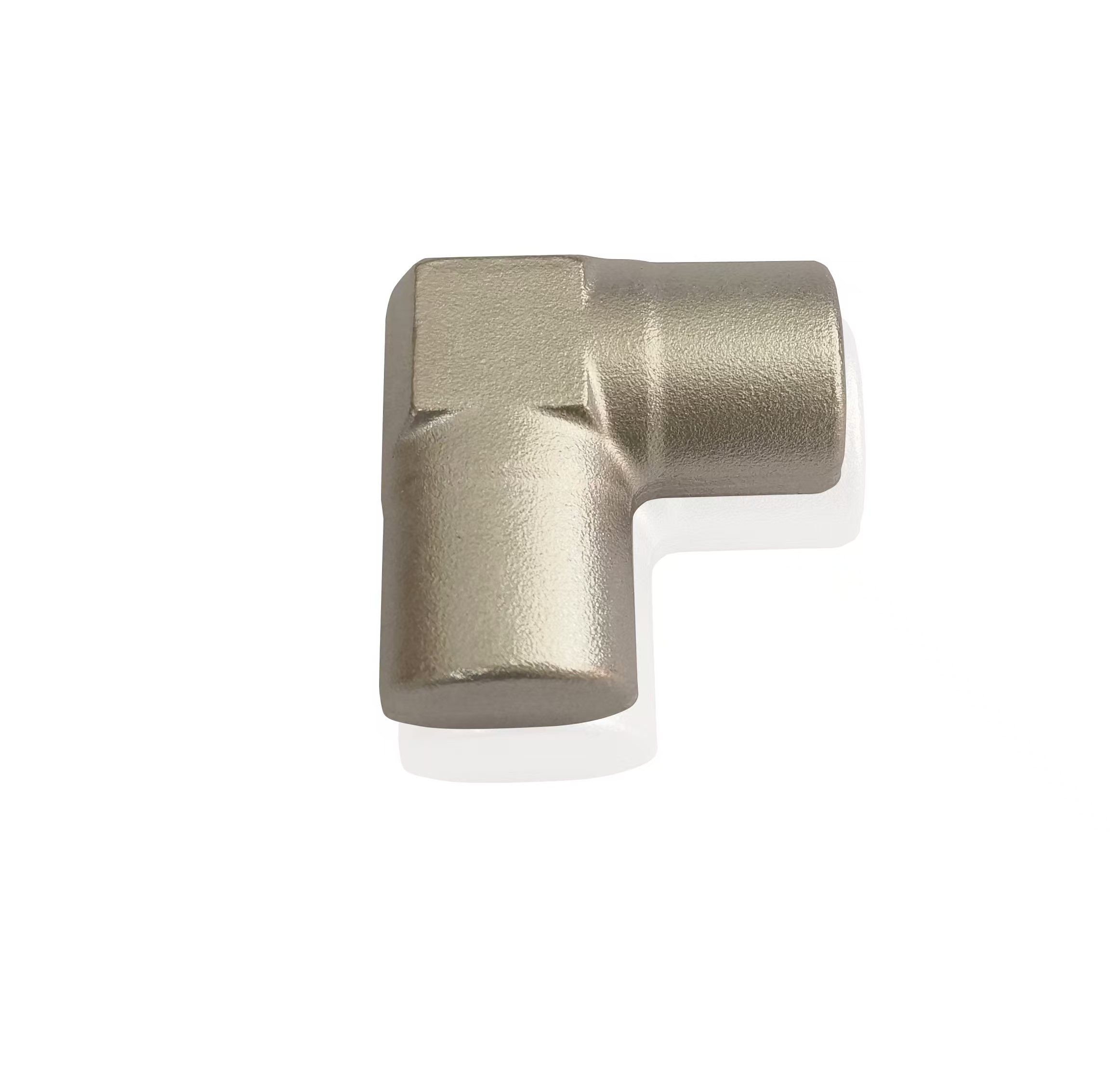

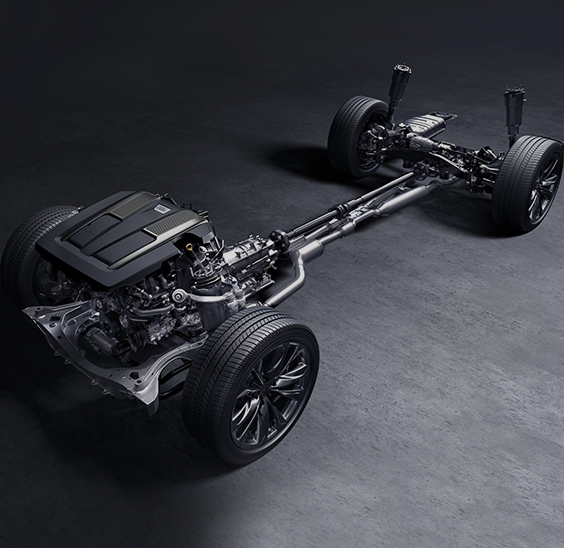
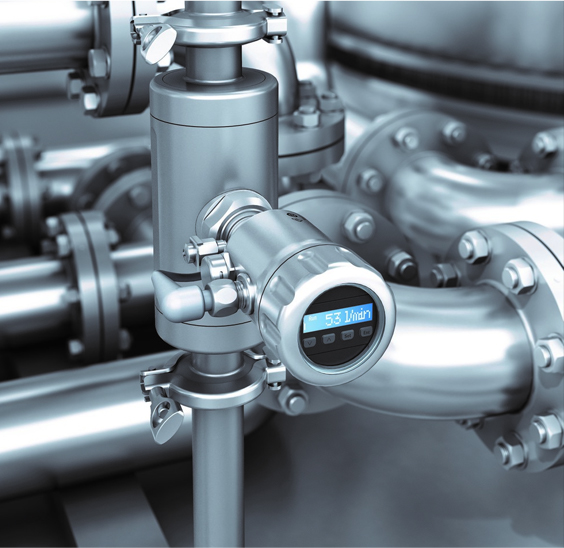
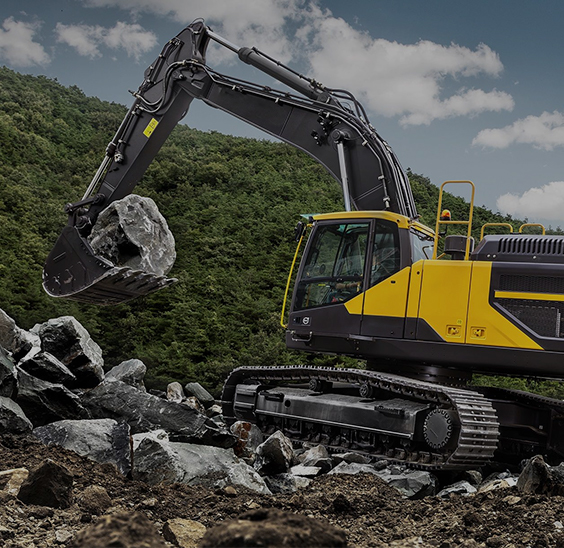
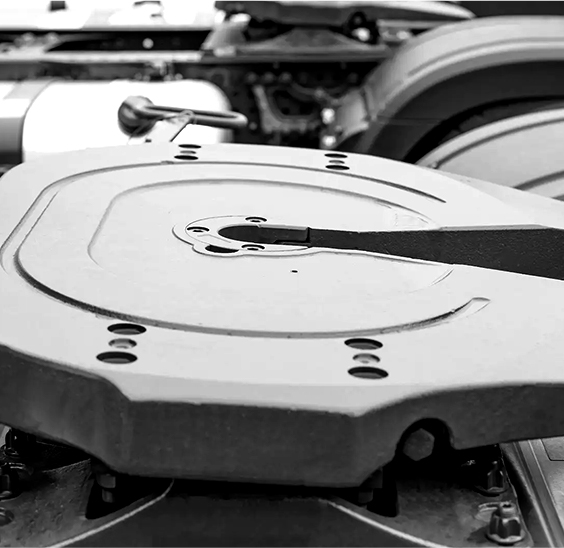
Our products primarily involve the production of forged components for the automotive industry, construction machinery industry, industrial instrumentation industry, and fluid equipment industry. Custom forging parts manufacturers and forged components solution providers in China.
Product links
Contact Us
-
Address:No. 5 Junrong Road, Daitou Town, Liyang City, Jiangsu Province, China
-
Tel:+86-18021979887
 苏公网安备32048102000516