

 EN
EN  English
 中文简体
中文简体

News

Borax in Forging: Flux Uses, Best Practice, and Alternatives
 2026.01.11
 Industry news
Content
- 1 Direct answer: what borax does in forging
- 2 Why borax works: the chemistry and the temperature window
- 3 When to use borax, and when not to
- 4 How to apply borax correctly: timing, amount, and technique
- 5 Borax types and common flux blends
- 6 Troubleshooting: why welds fail even with borax
- 7 Safety, shop impact, and cleanup
- 8 Bottom line
Direct answer: what borax does in forging
In forging, borax is used primarily as a forge-welding flux: it melts into a glassy layer that helps dissolve iron oxide scale and shields the joint from oxygen long enough for the surfaces to bond. For ordinary shaping (non-welding), borax is usually unnecessary and can create mess, fume, and refractory buildup without improving the work.
A practical rule: if you are not attempting a weld (lap weld, scarf weld, split-and-insert, cable weld, pattern-weld stack), skip borax and focus on temperature control, clean steel, and controlled atmosphere.
Why borax works: the chemistry and the temperature window
What the flux is doing at the weld line
- Lowering the “sticking point” for scale: molten borax can help float or dissolve iron oxides that otherwise prevent metal-to-metal contact.
- Creating a temporary oxygen barrier: the glassy layer reduces fresh oxidation while you bring the joint to welding heat.
- Improving wetting at the interface: flux helps the joint surfaces “clean up” at the moment of pressure, which is when the bond forms.
Useful numbers to anchor your process
Anhydrous borax melts at roughly 741 °C (1366 °F), so it becomes active well before welding heat. Typical forge-welding temperatures for mild steel commonly fall around 1250–1300 °C (2280–2370 °F) depending on atmosphere, joint geometry, and alloying.
This temperature separation is the point: borax liquefies early, then stays molten while you push the joint into the hotter zone where the weld is actually made.
When to use borax, and when not to
Good use cases
- Lap and scarf welds where the interface is exposed to the fire and wants to oxidize quickly.
- Pattern-welding stacks (especially early tacks and first consolidations) where scale between layers is the main enemy.
- Cable or chain welds where many micro-gaps trap oxide.
Situations where borax is often counterproductive
- General forging and drawing-out: it adds no strength or plasticity and can increase scale-related mess on the anvil.
- Tight, enclosed joints already protected by a well-tuned reducing atmosphere (or a canister weld where the container provides the barrier).
- Overheated work where flux can “boil” and run aggressively, dragging scale and leaving pits if temperature control is sloppy.
How to apply borax correctly: timing, amount, and technique
The highest-success approach is to apply borax after the joint is hot enough to melt it, but before heavy scale forms at the interface. In practice, that means fluxing at a bright red to orange heat, then returning to the fire to reach welding heat.
Step-by-step workflow for a basic lap or scarf weld
- Prepare the joint: grind or file the mating surfaces clean; avoid fingerprints and oil.
- Preheat the pieces to drive off moisture and reduce thermal shock (especially important if you use hydrated borax).
- Bring the joint area to a bright red/orange heat, remove from the fire, then apply a light dusting of borax directly onto the seam.
- Return to the fire and bring the joint to welding heat; keep the seam oriented so molten flux stays in the interface.
- Set the weld with controlled blows or a press: start at the far end and work back toward yourself to push flux and trapped oxides out.
- Reheat and consolidate with firmer pressure only after the initial “set” has locked the interface.
How much borax to use (practical starting points)
More flux is not better. Excess borax can run, trap debris, and create cleanup problems. Use just enough to fully wet the seam.
- For a typical knife-size scarf (around 25 mm / 1 in wide): start with about 1/4–1/2 teaspoon total at the seam.
- For a small pattern-weld billet (for example 38 mm × 38 mm / 1.5 in square stack): apply a thin “salt-like” layer per reheat until the first full consolidation is complete.
- If you see thick, glassy puddles pouring out: reduce your application; you are likely over-fluxing or overheating.
Borax types and common flux blends
“Borax” can mean different products. Hydrated borax contains water that must boil off; anhydrous borax is drier and tends to behave more predictably in the forge.
| Flux option | Best use | Pros | Watch-outs |
|---|---|---|---|
| Hydrated borax (common laundry-grade) | General forge welds on mild steel | Accessible, works well once molten | Steams/foams as water boils off; can spatter |
| Anhydrous borax | Repeatable welds, billet work | More consistent behavior, less bubbling | Still runs if over-applied; can glaze refractories |
| Borax + fine iron filings (small addition) | Dirty joints, gap-prone welds | Can help “scavenge” oxygen and support bridging | Too much can create inclusions; keep addition minimal |
| Commercial forge-welding flux | Difficult alloys or repeat production | Often optimized melt behavior and coverage | Varies by brand; follow label and safety guidance |
If you use hydrated borax, preheating your work and applying flux only after the joint is already hot will reduce violent bubbling and help keep flux where you need it.
Troubleshooting: why welds fail even with borax
Common symptoms and targeted fixes
| Symptom | Likely cause | Best first fix |
|---|---|---|
| Weld “peels” apart at the ends | Ends cooled below welding heat during transfer/strikes | Shorten transfer time; set weld faster; start at the far end and move smoothly |
| Black lines (inclusions) in pattern-weld | Scale trapped between layers | Improve surface prep; flux earlier; increase initial “set” pressure uniformity |
| Pitting near the seam | Overheating; excessive flux washing contaminants across hot steel | Use less flux; reduce peak heat; tune for a more reducing fire |
| Flux squirts out but weld won’t take | Interface not actually clean or not hot enough | Re-prep the seam; confirm welding heat; set with firmer initial pressure |
If you must choose only one improvement, prioritize joint cleanliness and consistent welding heat. Flux supports a good process; it does not replace it.
Safety, shop impact, and cleanup
Personal safety
- Wear eye protection and avoid leaning over the work when applying flux; molten borax can spatter.
- Maintain ventilation; flux use can add fumes and airborne particulates to the forge area.
- Keep moisture away from hot flux: wet borax on hot steel can “pop” violently.
Forge and anvil considerations
- Borax can attack and glaze certain refractory linings; use a sacrificial floor (kiln shelf piece) if flux welding often.
- Flux on the anvil face can trap grit; wipe and brush between heats to avoid embedding abrasive particles into your work.
Cleanup tip: let spills cool into glass, then chip mechanically; avoid washing flux into drains, and dispose according to your local waste guidance.
Bottom line
Borax is most effective when used sparingly as a forge-welding flux, applied at bright red/orange heat, then brought to welding heat for a fast, deliberate set. If your welds are inconsistent, improving surface prep, heat control, and atmosphere will usually deliver larger gains than adding more flux.
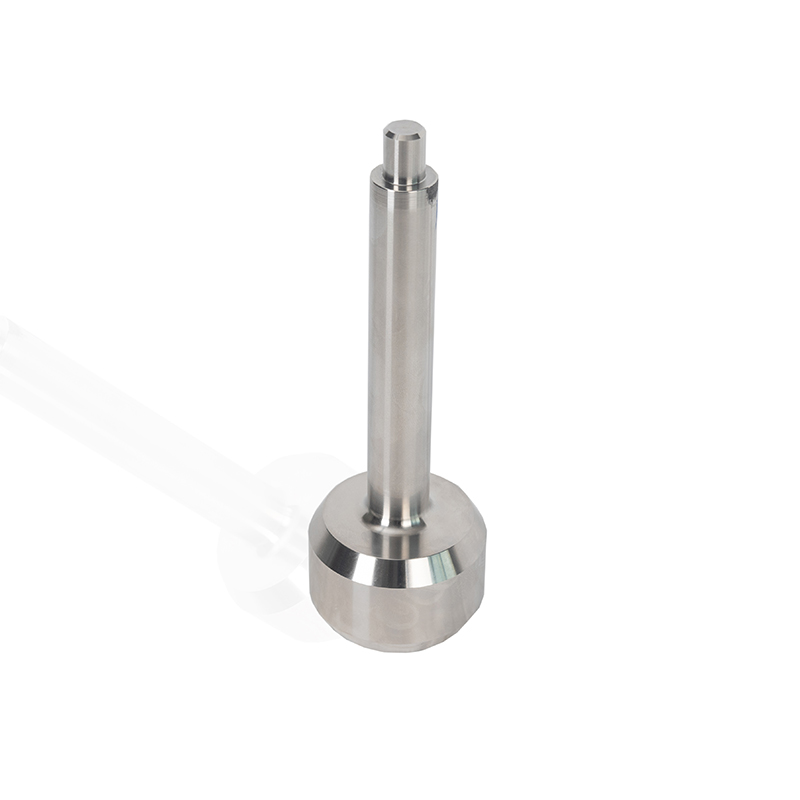
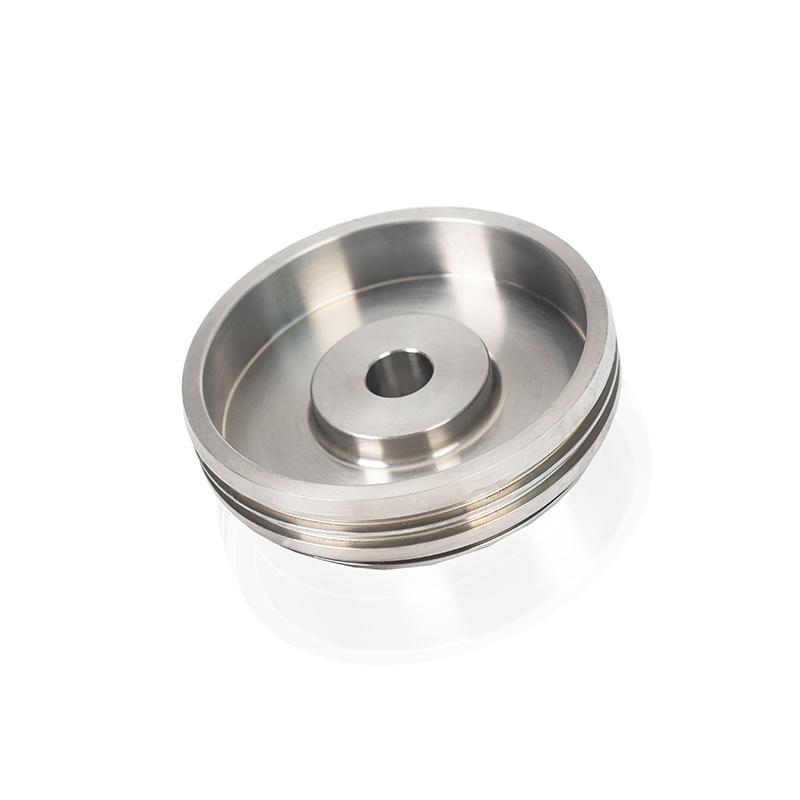
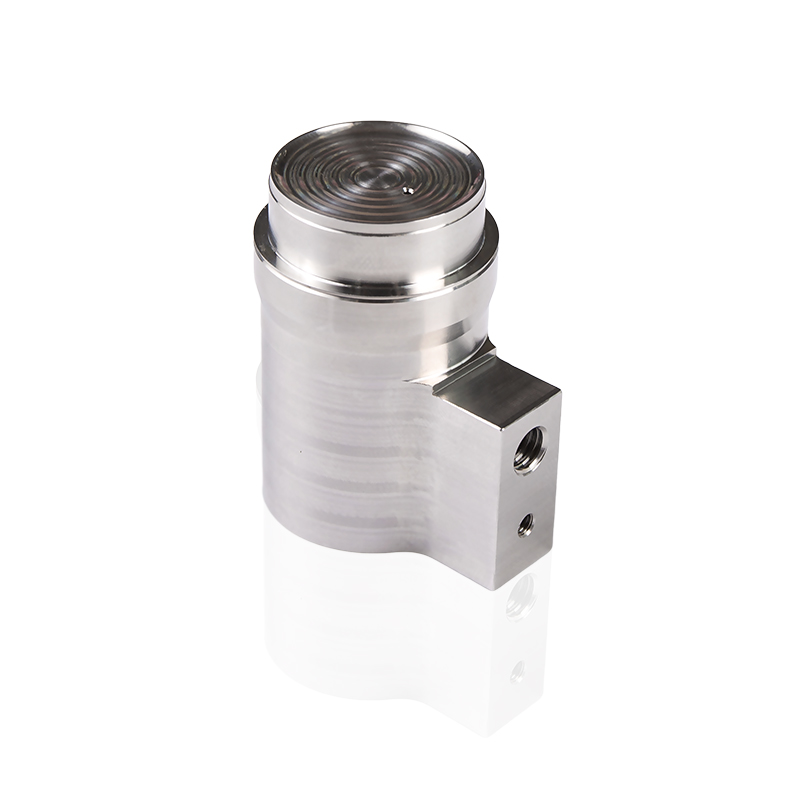
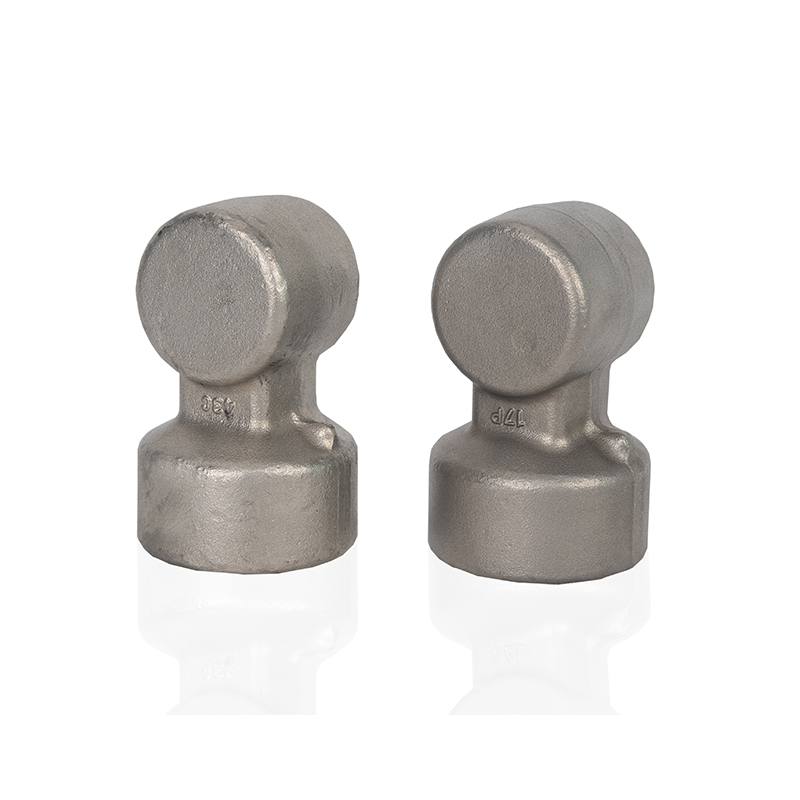
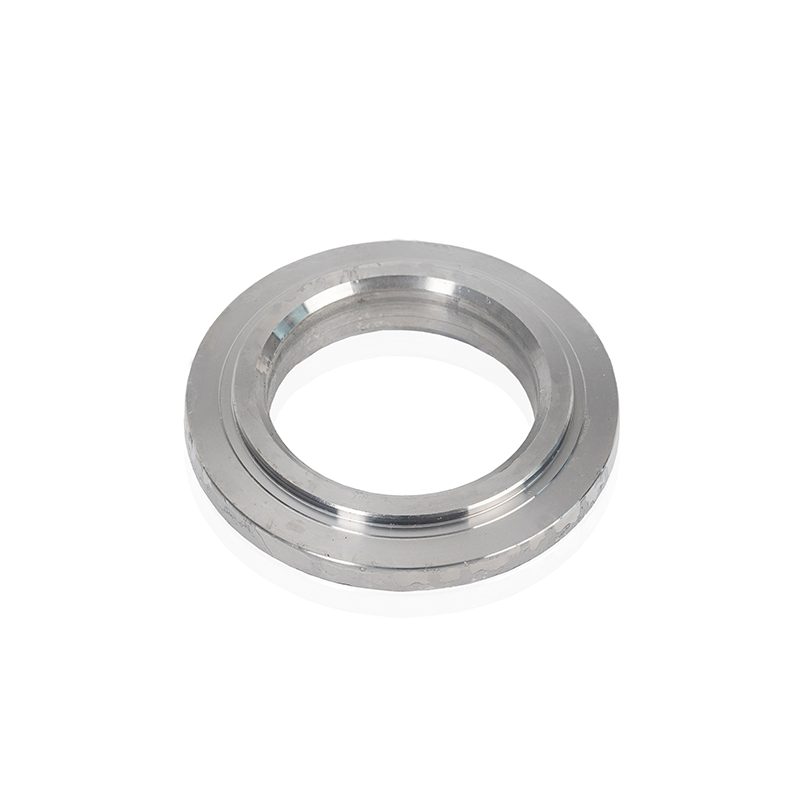
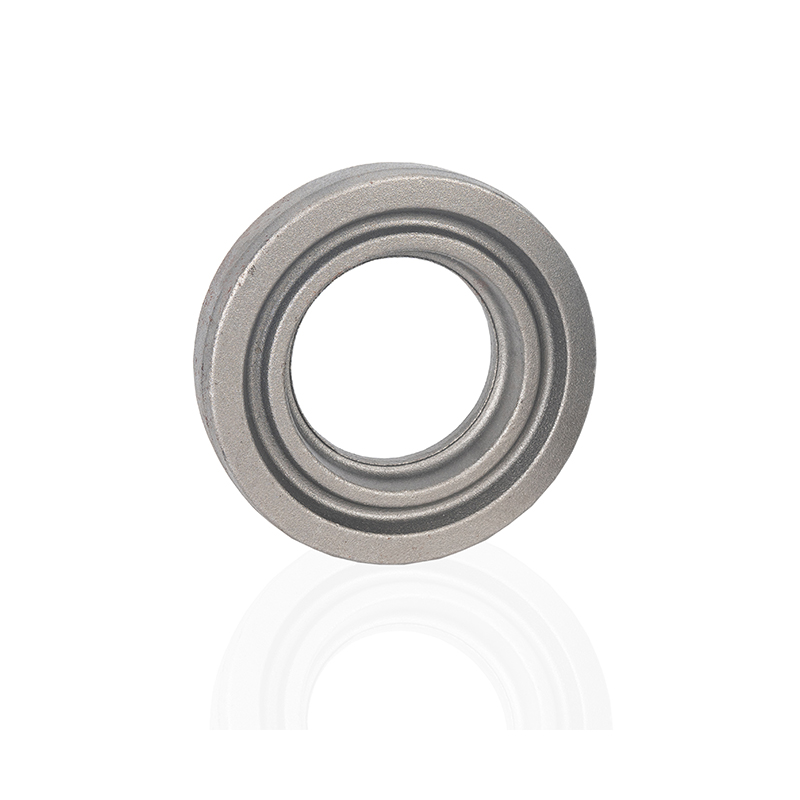
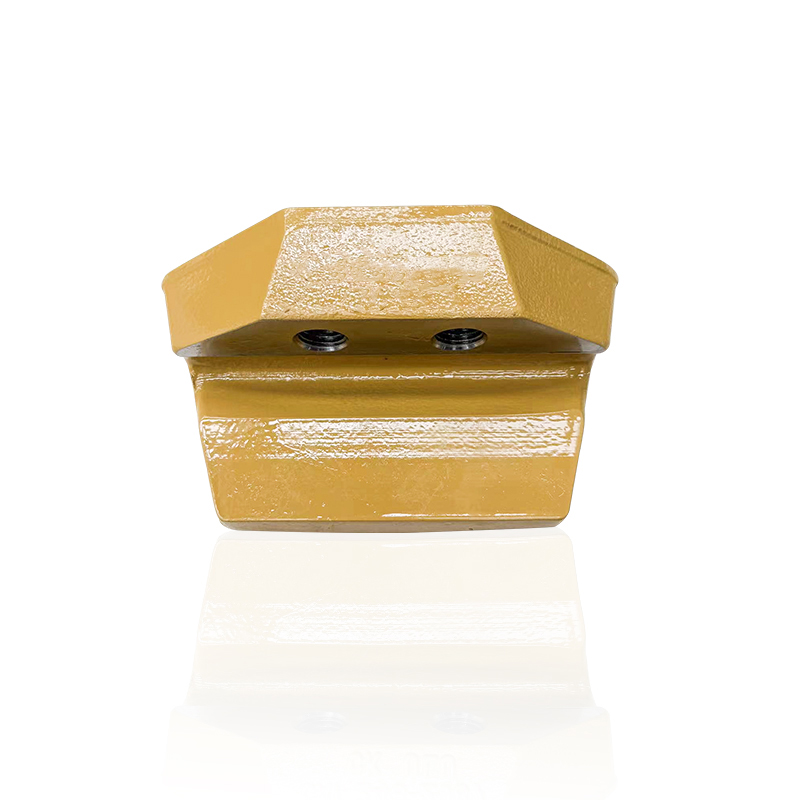
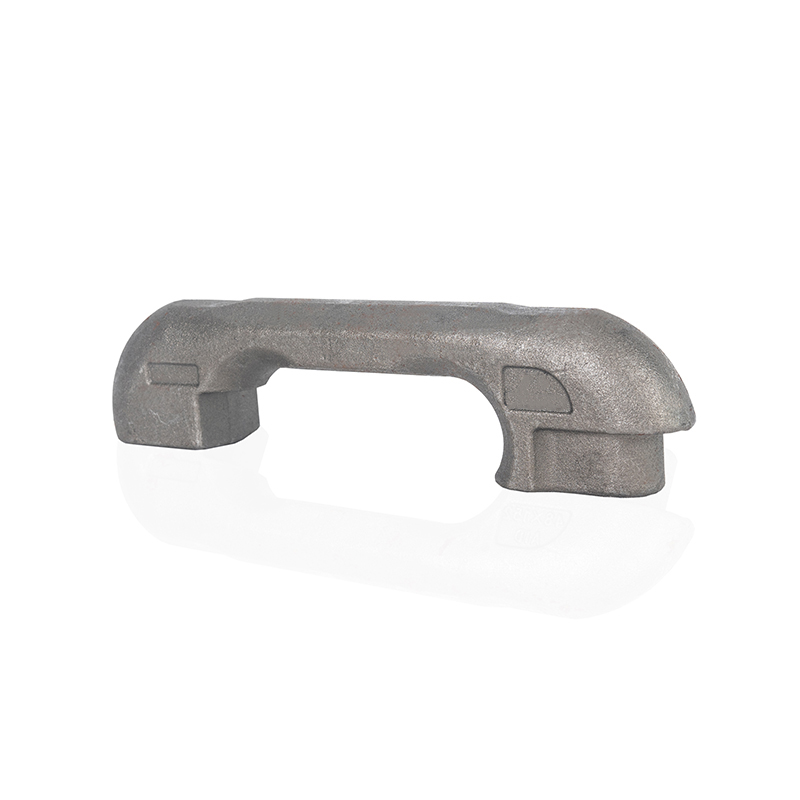

Our products primarily involve the production of forged components for the automotive industry, construction machinery industry, industrial instrumentation industry, and fluid equipment industry. Custom forging parts manufacturers and forged components solution providers in China.
Product links
Contact Us
-
Address:No. 5 Junrong Road, Daitou Town, Liyang City, Jiangsu Province, China
-
Tel:+86-18021979887
 苏公网安备32048102000516