

 EN
EN  English
 中文简体
中文简体


News

Cold Shut in Forging: Causes, Prevention, and Detection Methods
 2026.02.16
 Industry news
Content
What is Cold Shut in Forging
A cold shut is a surface defect that occurs when two surfaces of metal fail to properly fuse together during the forging process, creating a visible seam, crack, or discontinuity in the final forged component. This defect appears as a line or crevice where the metal flows have met but not welded together, compromising the structural integrity and mechanical properties of the forged part.
Cold shuts typically form when metal that has cooled below its optimal forging temperature comes into contact with other metal surfaces. The insufficient heat prevents proper atomic bonding between the surfaces, resulting in a weak junction that can become a stress concentration point. In critical applications such as automotive crankshafts, aerospace components, or heavy machinery parts, cold shuts can lead to premature failure and catastrophic consequences.
The defect differs from other forging discontinuities like laps or cracks in that it specifically involves the incomplete fusion of metal streams rather than material folding or fracturing. Understanding this distinction is essential for implementing appropriate prevention and detection strategies in forging operations.
Primary Causes of Cold Shut Defects
Insufficient Forging Temperature
Temperature control represents the most critical factor in preventing cold shuts. When the workpiece temperature drops below the recommended forging range, the metal loses its plasticity and ability to properly bond. For example, carbon steel should be forged between 1150°C and 1250°C, while aluminum alloys require temperatures between 350°C and 500°C depending on the specific grade.
Research conducted by the Forging Industry Association shows that temperature variations of just 50°C below the optimal range can increase cold shut occurrence by 35%. Prolonged heating times, inadequate furnace capacity, or excessive delays between heating and forging operations all contribute to temperature-related cold shuts.
Improper Die Design and Filling
Die geometry significantly influences metal flow patterns during forging. Poor die design can create situations where multiple metal streams converge without adequate pressure or temperature to ensure complete fusion. Common design issues include:
- Sharp corners or abrupt section changes that impede metal flow
- Insufficient draft angles preventing proper material distribution
- Inadequate flash allowance resulting in incomplete die cavity filling
- Poorly positioned parting lines that create weak metal convergence zones
Excessive Scale and Contaminants
Oxide scale that forms on the workpiece surface during heating acts as a barrier preventing metal-to-metal contact. When scale becomes trapped between converging metal flows, it prevents proper welding and creates cold shut defects. Industry data indicates that scale thickness exceeding 0.5mm increases cold shut probability by 40-60% in hot forging operations.
Insufficient Forging Pressure
Adequate pressure is essential to force metal surfaces together and promote atomic bonding. Undersized forging equipment, incorrect press settings, or premature load removal can result in insufficient pressure at critical convergence points. Minimum pressures of 100-150 MPa are typically required for effective metal fusion in steel forging, though exact values depend on material grade and temperature.
Impact on Forged Component Performance
Cold shuts severely compromise the mechanical properties and service life of forged components. The defect creates a stress concentration point that acts as a crack initiation site under cyclic loading conditions.
| Property | Sound Forging | With Cold Shut | Reduction (%) |
|---|---|---|---|
| Tensile Strength (MPa) | 650-700 | 450-520 | 25-35% |
| Fatigue Life (cycles) | 10⁶-10⁷ | 10⁴-10⁵ | 90-99% |
| Impact Toughness (J) | 80-100 | 30-45 | 50-60% |
| Ductility (%) | 18-22 | 8-12 | 45-55% |
The most significant impact occurs in fatigue performance, where cold shuts can reduce fatigue life by 90-99% compared to defect-free forgings. This makes cold shuts particularly problematic in applications involving cyclic loading, such as connecting rods, gears, and suspension components.
Detection and Identification Methods
Visual and Macroscopic Examination
Cold shuts often appear as visible lines, seams, or cracks on the forged surface. They may present as shallow grooves or depressions following the metal flow pattern. Visual inspection can identify surface-breaking cold shuts larger than 1-2mm, making it a cost-effective first-line detection method. Enhanced visibility can be achieved through acid etching or magnetic particle testing for ferromagnetic materials.
Ultrasonic Testing
Ultrasonic inspection provides non-destructive detection of both surface and subsurface cold shuts. The discontinuity created by the cold shut reflects ultrasonic waves, producing characteristic signal patterns. Modern phased array ultrasonic testing (PAUT) can detect defects as small as 0.5mm in depth with 95% reliability, making it suitable for critical aerospace and automotive components.
Magnetic Particle and Dye Penetrant Testing
Magnetic particle inspection (MPI) works effectively on ferromagnetic forgings by revealing surface and near-surface cold shuts through magnetic field disruption. Dye penetrant testing (PT) offers an alternative for non-magnetic materials like aluminum and titanium alloys. Both methods can reliably detect surface defects down to 0.1mm in width, providing high sensitivity for quality control applications.
Metallographic Analysis
Destructive metallographic examination through cross-sectioning and microscopic analysis provides definitive confirmation of cold shuts. This method reveals the characteristic lack of grain continuity across the defect interface and can identify trapped oxides or contaminants. While destructive, metallographic analysis serves as a valuable tool for failure analysis and process validation.
Prevention Strategies and Best Practices
Temperature Management and Control
Implementing rigorous temperature control protocols represents the most effective prevention strategy:
- Maintain workpiece temperature within ±25°C of optimal forging range throughout the process
- Use infrared pyrometers or thermocouples for continuous temperature monitoring
- Minimize transfer time between furnace and press to reduce heat loss
- Preheat dies to 150-300°C to reduce workpiece cooling during contact
- Implement multi-stage heating for large or complex forgings
Optimized Die Design
Modern die design incorporates metal flow simulation software to identify potential cold shut locations before production. Key design improvements include:
- Gradual section transitions with radius-to-thickness ratios of at least 3:1
- Strategic placement of material distribution ribs to guide metal flow
- Adequate flash land design to maintain pressure during cavity filling
- Proper venting to prevent air entrapment at convergence zones
Scale Removal and Surface Preparation
Effective scale management significantly reduces cold shut incidence. Recommended practices include mechanical descaling through wire brushing or shot blasting immediately before forging, high-pressure water descaling systems that can remove up to 95% of surface scale, and controlled atmosphere heating to minimize scale formation. Some operations achieve cold shut reduction rates of 70-80% through improved descaling procedures alone.
Process Parameter Optimization
Establishing and maintaining optimal forging parameters ensures consistent quality:
- Calculate required tonnage based on material flow stress at forging temperature
- Set press ram speed appropriate for material grade (typically 50-200 mm/s for steel)
- Ensure sufficient dwell time under pressure for complete metal consolidation
- Monitor and record process parameters for statistical process control
Material-Specific Considerations
Carbon and Alloy Steels
Steel forgings require particular attention to temperature control due to their narrow optimal forging range. High-carbon steels (>0.6% C) are especially susceptible to cold shuts due to reduced plasticity. Maintaining temperatures above 1100°C throughout the forging sequence is critical for these materials. Alloy steels containing chromium, molybdenum, or vanadium may require extended soaking times to achieve uniform temperature distribution.
Aluminum Alloys
Aluminum forgings present unique challenges due to their high thermal conductivity and tendency to form tenacious oxide films. The forging temperature window for aluminum is relatively narrow, typically between 350°C and 500°C depending on alloy composition. Preheating dies to 200-250°C helps maintain workpiece temperature, while protective atmospheres or fluxes can minimize oxide formation that contributes to cold shuts.
Titanium Alloys
Titanium's high reactivity with oxygen necessitates inert atmosphere or vacuum forging for critical applications. Cold shuts in titanium forgings often contain alpha case contamination, making them particularly detrimental to fatigue performance. Forging temperatures between 900°C and 1050°C provide optimal flow characteristics while minimizing oxidation. Post-forge chemical milling removes surface contamination and any incipient cold shuts.
Quality Control and Acceptance Criteria
Industry standards establish specific acceptance criteria for cold shuts based on application criticality. Aerospace specifications such as AMS 2175 typically allow no detectable cold shuts in critical stress areas, while automotive standards may permit small, non-propagating discontinuities in less critical regions.
Comprehensive quality control programs should include:
- 100% inspection of safety-critical components using appropriate NDT methods
- Statistical sampling plans for high-volume production components
- Periodic destructive testing to validate NDT effectiveness
- Documentation and traceability systems linking forgings to process parameters
- Regular calibration of inspection equipment to maintain detection reliability
Leading forging facilities report defect rates below 0.1% for cold shuts through implementation of robust quality management systems combining real-time process monitoring, automated inspection, and continuous improvement initiatives.
Remediation and Salvage Options
When cold shuts are detected, several remediation strategies may be applicable depending on defect size, location, and component specifications:
Reforging: Shallow surface cold shuts may be eliminated through reheating and additional forging operations. This approach is most effective when the defect is detected early in the manufacturing sequence and sufficient stock remains for metal redistribution. Success rates of 60-80% can be achieved for minor cold shuts less than 2mm deep.
Weld Repair: Some specifications permit weld repair of cold shuts in non-critical areas, subject to strict procedural controls and qualification testing. The repair area must be completely excavated, properly prepared, and welded using qualified procedures. Post-weld heat treatment and re-inspection are mandatory for structural applications.
Reclassification: Components with cold shuts exceeding acceptance criteria for their intended application may sometimes be reclassified for less demanding service conditions. This requires engineering evaluation and documentation to ensure the defective component remains suitable for the alternative application.
Scrap and Recycle: When cold shuts cannot be economically repaired or the component cannot be reclassified, scrapping remains the safest option. The material is typically recycled as furnace charge for new forgings, with recovery rates of 85-95% for most ferrous and non-ferrous alloys.
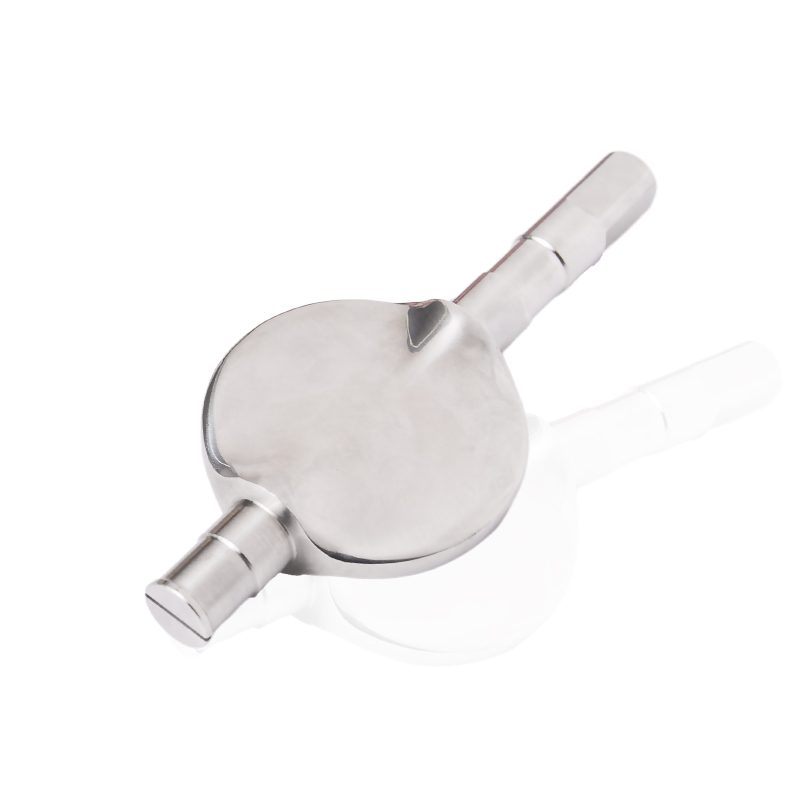
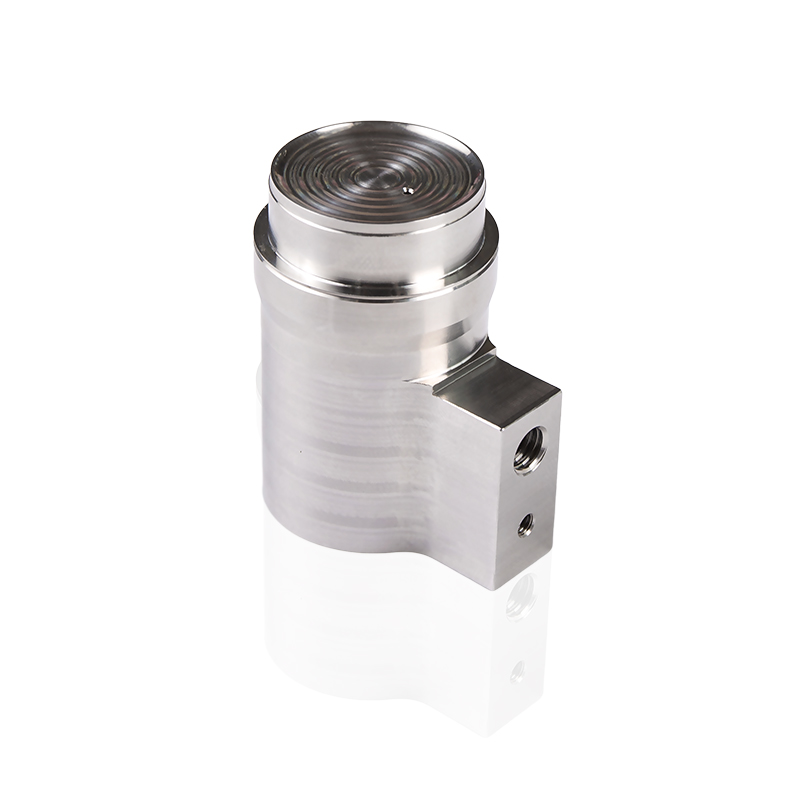
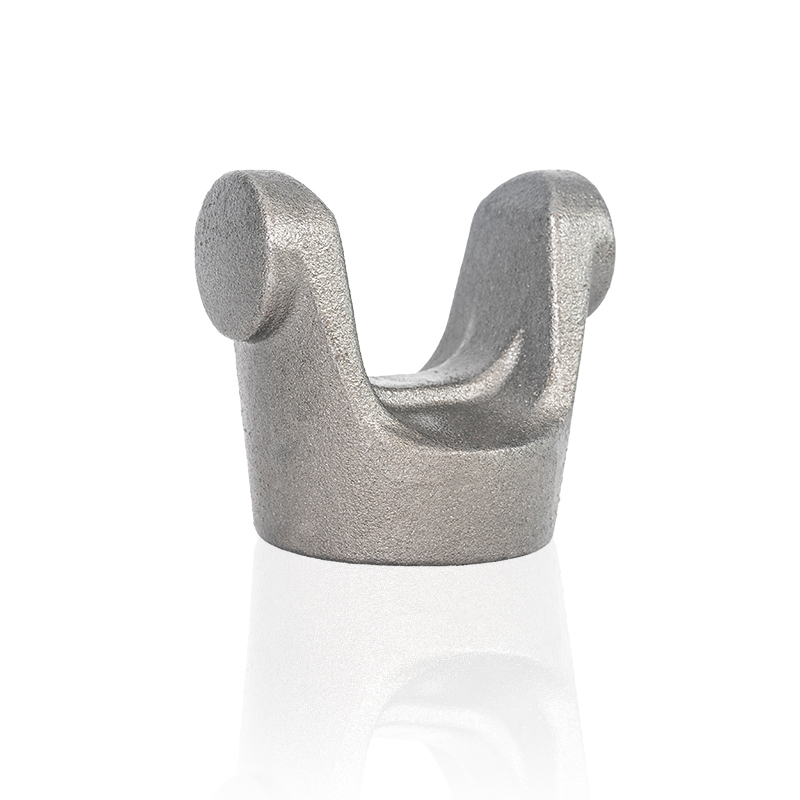
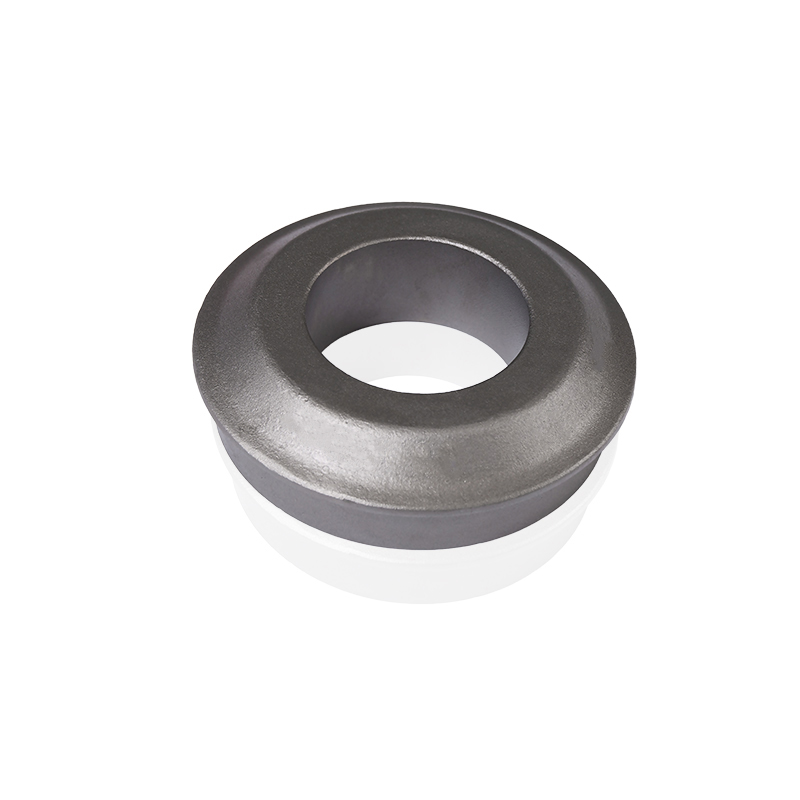
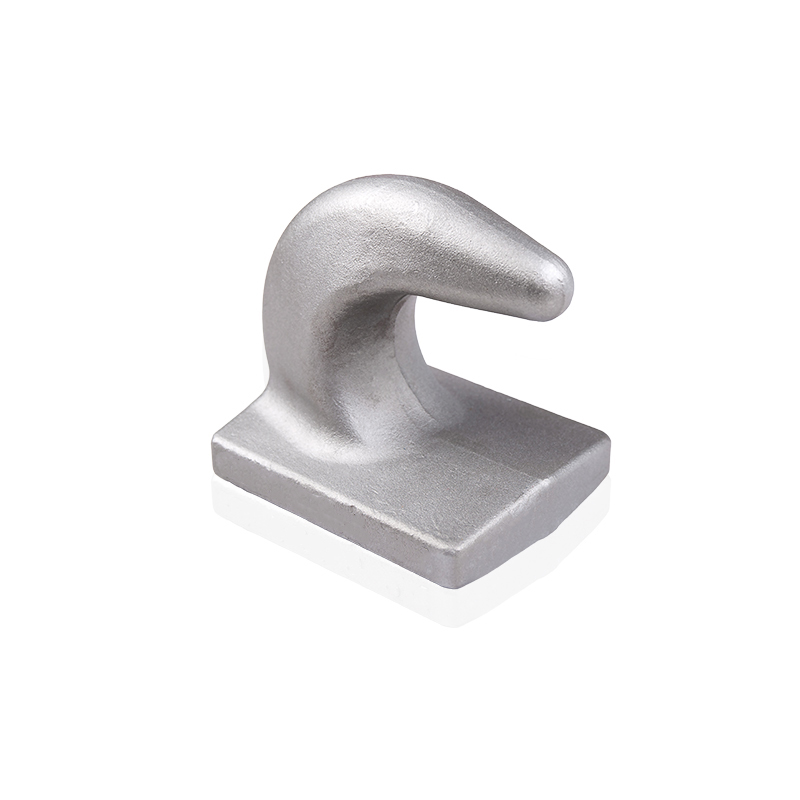
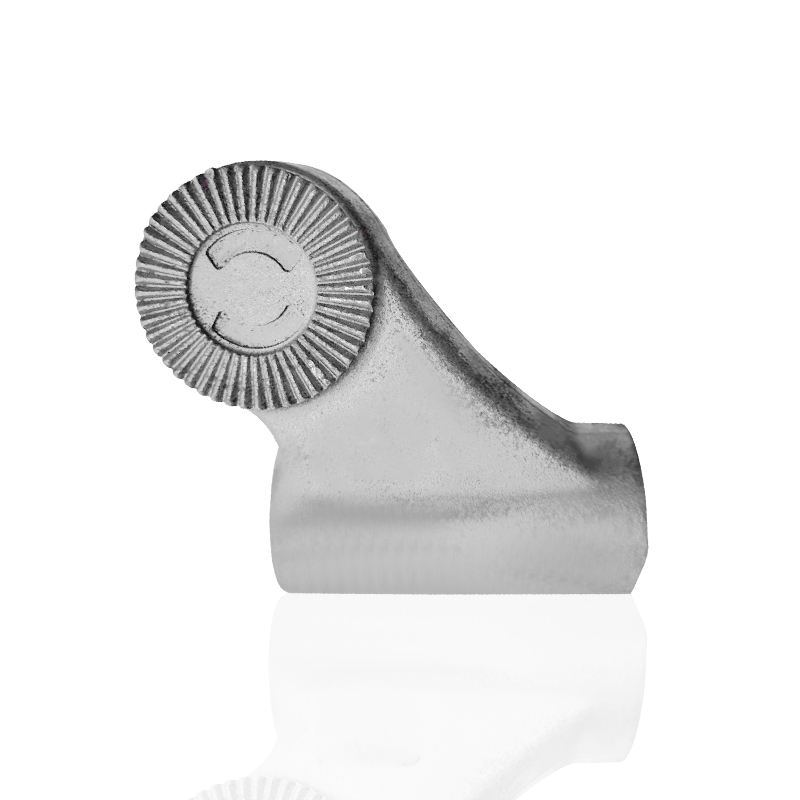
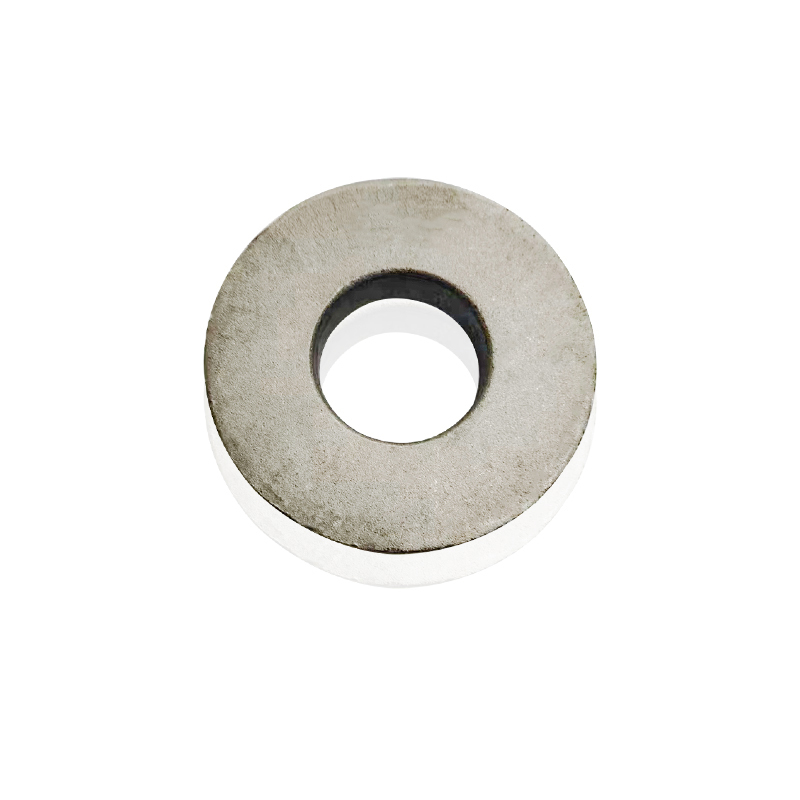
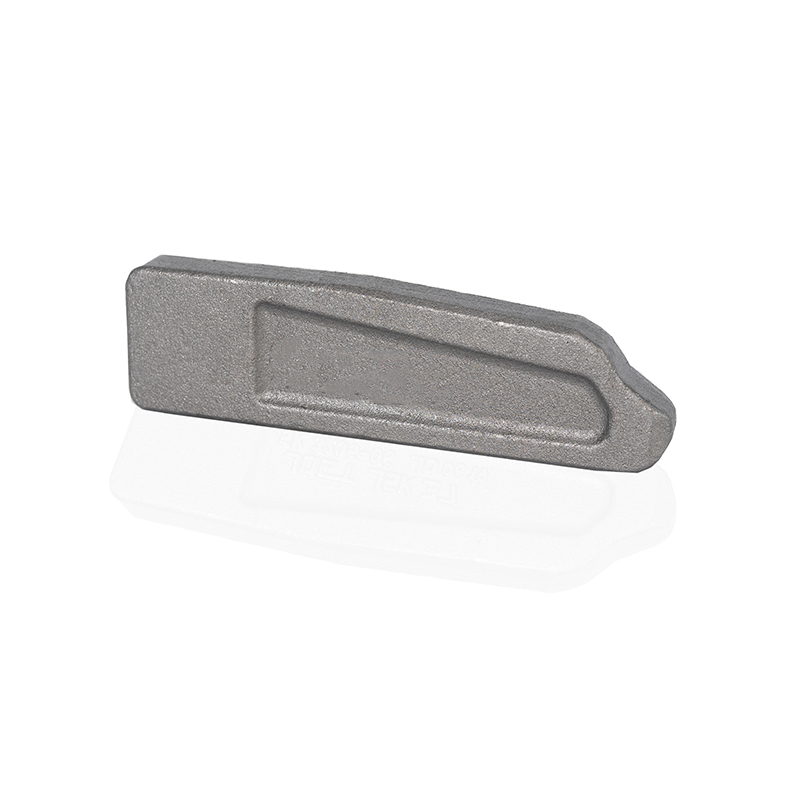
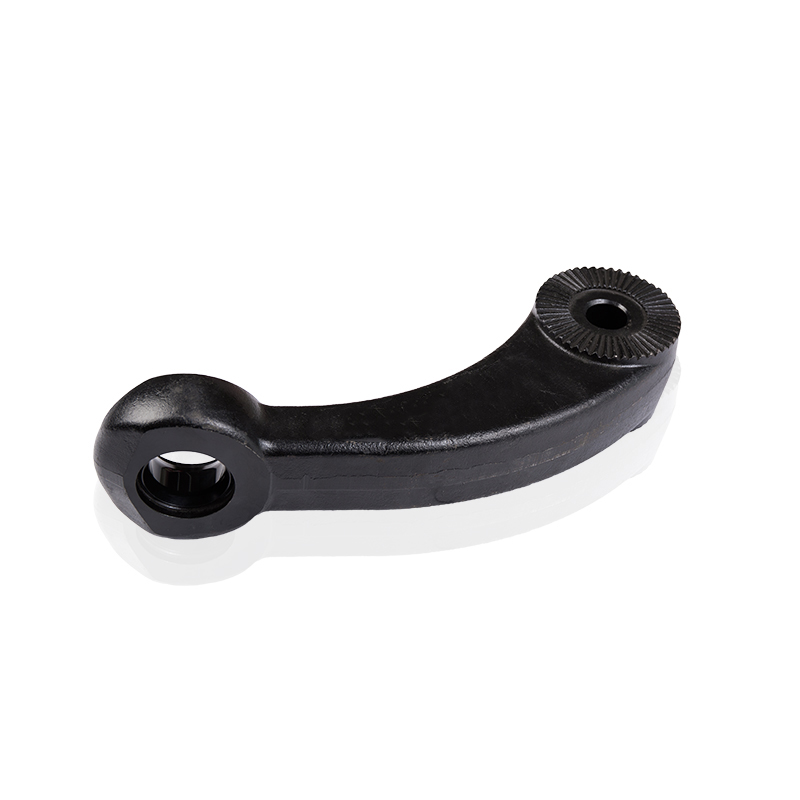
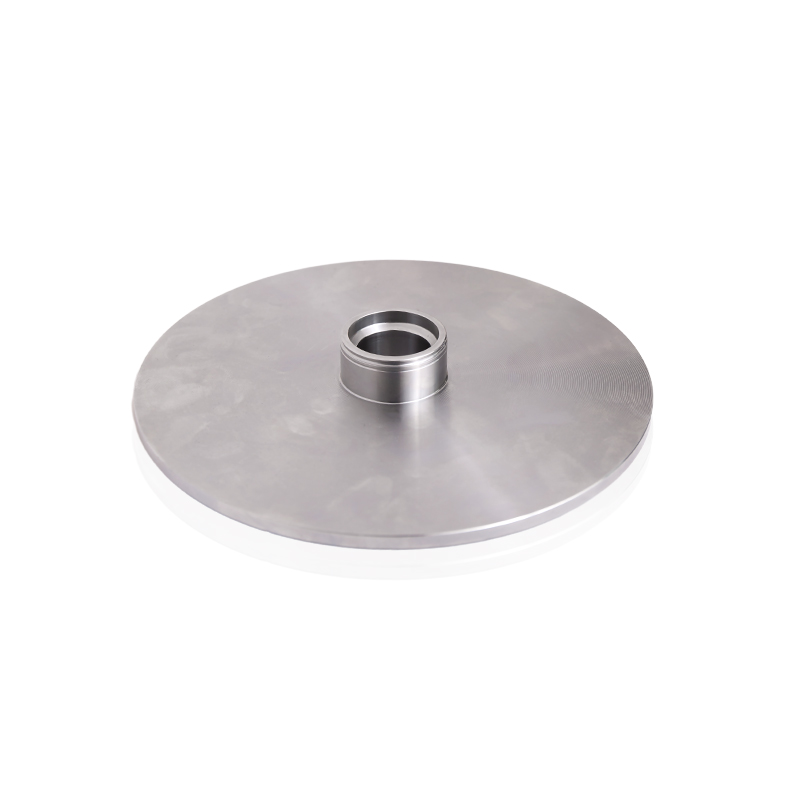
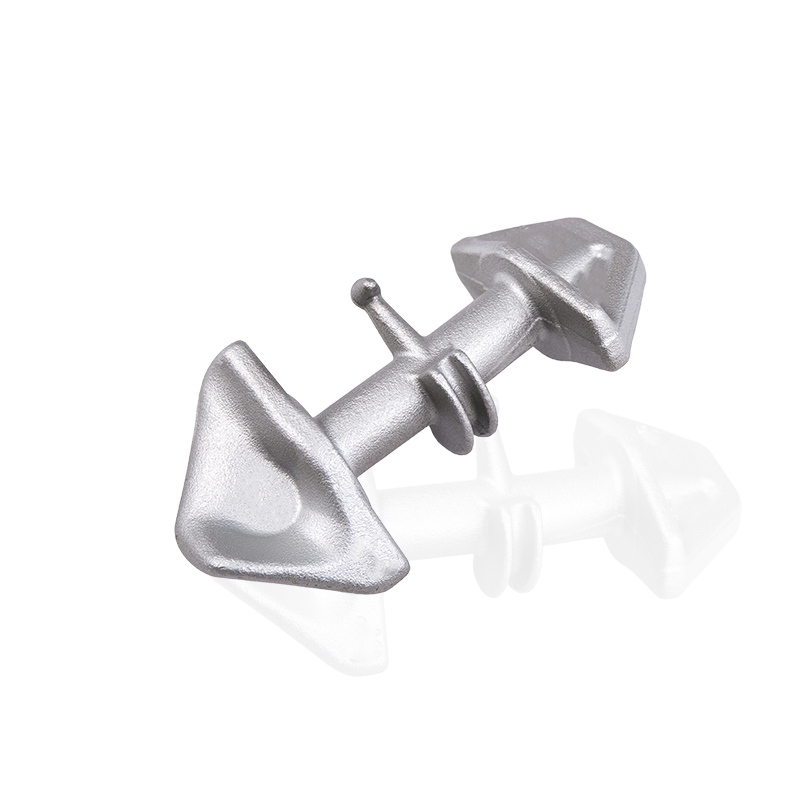
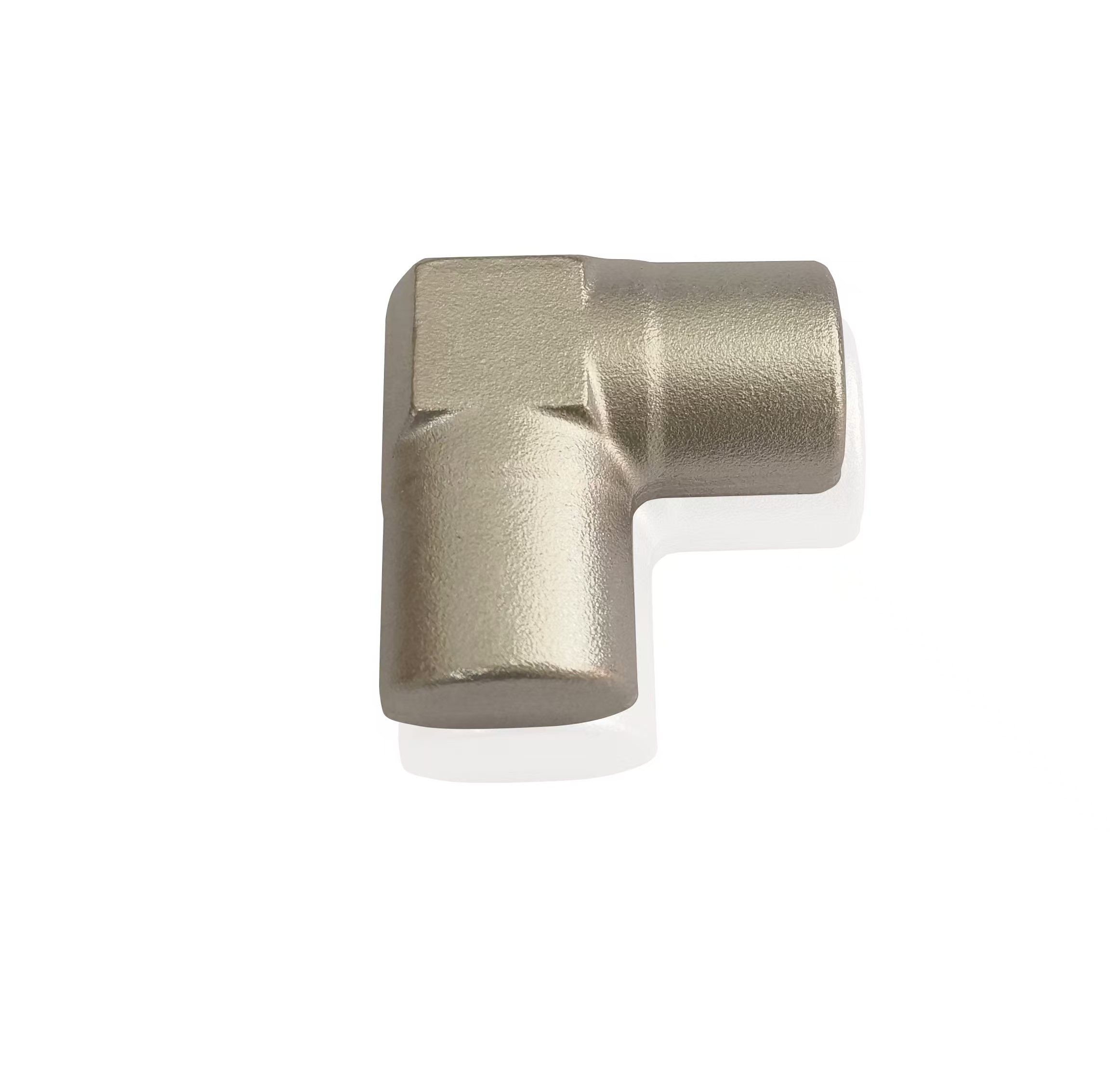

Our products primarily involve the production of forged components for the automotive industry, construction machinery industry, industrial instrumentation industry, and fluid equipment industry. Custom forging parts manufacturers and forged components solution providers in China.
Product links
Contact Us
-
Address:No. 5 Junrong Road, Daitou Town, Liyang City, Jiangsu Province, China
-
Tel:+86-18021979887
 苏公网安备32048102000516