

 EN
EN  English
 中文简体
中文简体
News

Forging Temperature Guide: Optimal Heat Ranges for Metal Working
 2026.02.12
 Industry news
Content
- 1 Optimal Temperature Ranges for Common Metals
- 2 Color Temperature Indicators and Visual Assessment
- 3 Temperature Control Methods and Equipment
- 4 Effects of Incorrect Forging Temperature
- 5 Temperature Management During Forging Operations
- 6 Special Considerations for Alloy Steels
- 7 Post-Forging Temperature Control
- 8 Safety and Environmental Considerations
Optimal Temperature Ranges for Common Metals
Forging temperature represents the specific heat range at which metal becomes plastic enough to shape without cracking while maintaining structural integrity. For carbon steel, the ideal forging range is 1095-1260°C (2000-2300°F), while wrought iron works best at 1040-1200°C (1900-2200°F). These temperatures allow the metal's crystalline structure to reorganize under mechanical force, enabling blacksmiths and metalworkers to create desired shapes efficiently.
The forging window varies significantly based on carbon content and alloying elements. Low-carbon steels (0.05-0.30% carbon) tolerate a broader temperature range, while high-carbon steels (0.60-1.50% carbon) require more precise temperature control to prevent grain boundary cracking or excessive scaling.
| Metal Type | Starting Temperature | Finishing Temperature | Critical Notes |
|---|---|---|---|
| Low Carbon Steel | 1260°C (2300°F) | 870°C (1600°F) | Wide forging range, forgiving |
| High Carbon Steel | 1150°C (2100°F) | 800°C (1470°F) | Narrow range, requires precision |
| Stainless Steel 304 | 1150-1260°C (2100-2300°F) | 925°C (1700°F) | Avoid 480-870°C range |
| Aluminum Alloys | 400-480°C (750-900°F) | 345°C (650°F) | No color change before melting |
| Copper | 900°C (1650°F) | 650°C (1200°F) | Can be forged hot or cold |
Color Temperature Indicators and Visual Assessment
Traditional blacksmiths rely on color as the primary temperature indicator, a technique proven accurate within ±25°C when performed by experienced practitioners. The metal's glow results from blackbody radiation, with specific wavelengths dominating at different temperatures. This method remains valuable even in modern shops equipped with pyrometers, serving as an instant verification tool.
Color Spectrum and Corresponding Temperatures
- Faint Red (475-550°C / 885-1020°F): Visible only in darkness, unsuitable for forging most steels
- Blood Red (550-650°C / 1020-1200°F): Minimum temperature for annealing, too cold for efficient forging
- Dark Cherry Red (650-750°C / 1200-1380°F): Light forging possible but requires significant force
- Medium Cherry Red (750-815°C / 1380-1500°F): Good for finishing passes on high-carbon steel
- Cherry Red (815-900°C / 1500-1650°F): Excellent general forging temperature for most carbon steels
- Bright Cherry Red (900-1000°C / 1650-1830°F): Optimal for heavy forging operations
- Orange (1000-1100°C / 1830-2010°F): Ideal starting temperature for most ferrous metals
- Light Orange to Yellow (1100-1200°C / 2010-2190°F): Maximum forging temperature for carbon steel
- Yellow to White (1200-1300°C / 2190-2370°F): Approaching burning temperature, risk of grain damage
Ambient lighting significantly affects color perception. A workshop with controlled lighting at 200-300 lux provides the best conditions for accurate visual temperature assessment. Direct sunlight can make it impossible to see colors below bright orange, potentially leading to cold forging and material damage.
Temperature Control Methods and Equipment
Modern forging operations employ multiple temperature control strategies to ensure consistency and quality. The choice of method depends on production volume, precision requirements, and material specifications.
Heating Equipment Selection
Coal and coke forges remain popular in small shops, capable of reaching 1400°C (2550°F) in localized zones, though temperature distribution can be uneven. Gas forges using propane or natural gas offer better temperature uniformity, with modern burner designs achieving ±15°C consistency across a 300mm heating zone. Induction heating systems provide the most precise control, heating specific areas to exact temperatures within ±5°C in production environments, with heating rates up to 1000°C per minute for small components.
Temperature Measurement Tools
- Type K Thermocouples: Accurate from 0-1260°C, response time under 1 second, ideal for continuous monitoring
- Infrared Pyrometers: Non-contact measurement up to 1600°C, requires emissivity adjustment (0.8-0.95 for oxidized steel)
- Thermal Imaging Cameras: Show temperature distribution across entire workpiece, detect cold spots before forging
- Temperature Indicating Crayons: Melt at specific temperatures (150-1400°C range), useful for preheating verification
For critical aerospace or automotive components, calibrated pyrometers with ±0.3% accuracy are mandatory, with calibration certificates traceable to national standards required every six months.
Effects of Incorrect Forging Temperature
Operating outside the proper temperature range causes immediate and long-term material defects. Understanding these consequences helps prevent costly mistakes and material waste.
Cold Forging Damage
Forging below the recommended temperature range subjects the metal to excessive work hardening and potential cracking. When carbon steel is worked below 800°C (1470°F), the austenite-to-pearlite transformation has already begun, making the material brittle. Surface cracks appear first, typically 0.5-2mm deep, which can propagate through the entire cross-section during subsequent heating cycles. Internal shear bands develop, creating stress concentrators that reduce fatigue life by 40-60% in finished components.
Overheating and Burning
Exceeding the upper temperature limit causes grain growth and oxidation penetration. At temperatures above 1250°C (2280°F) for carbon steel, austenite grains grow exponentially, with grain size doubling every 50°C increase. This coarse grain structure cannot be fully refined through subsequent heat treatment, permanently reducing toughness. Burning occurs when metal reaches near-solidus temperatures, causing oxygen to penetrate grain boundaries. Unlike overheating, burning is irreversible; the affected material must be scrapped, representing a complete loss.
Scale Formation and Decarburization
At forging temperatures, iron oxidizes rapidly, forming scale at rates of 0.1-0.5mm per hour at 1150°C. This scale represents material loss and creates surface defects. More critically, the underlying surface loses carbon through decarburization, creating a soft skin layer 0.5-3mm deep that compromises hardening response. Protective atmospheres or rapid heating cycles minimize this effect, with induction heating reducing exposure time by 75% compared to furnace heating.
Temperature Management During Forging Operations
Successful forging requires maintaining the workpiece within the optimal temperature window throughout the entire operation. Temperature drops rapidly during forging, with small sections losing 50-100°C per minute when exposed to ambient air and contact with dies or anvils.
Heat Loss Calculations and Reheating Frequency
A 25mm diameter round bar at 1150°C loses approximately 150°C in the first 30 seconds of air exposure, with the rate decreasing as the temperature differential reduces. Die contact accelerates heat loss; steel dies at room temperature can extract 200-300°C from the workpiece surface on first contact. Experienced smiths develop an intuitive sense for reheating frequency, but production forging uses calculation-based schedules.
For a typical forging sequence on medium carbon steel, the workflow proceeds as follows:
- Heat to 1150°C (bright cherry to orange)
- Perform 3-5 heavy blows while temperature remains above 1000°C
- Continue forging until metal reaches 870°C (medium cherry red)
- Return to forge for reheating before material drops below 800°C
- Repeat cycle until desired shape achieved
Preheating and Soaking Requirements
Large forgings and high-alloy steels require controlled preheating to prevent thermal shock. A forging weighing over 50kg should be preheated to 400-600°C before exposure to full forging temperature, with heating rates limited to 100-200°C per hour for the first stage. Soaking time at forging temperature ensures temperature uniformity throughout the cross-section, calculated at 1 minute per 25mm of thickness for carbon steels, longer for alloy steels with lower thermal conductivity.
Special Considerations for Alloy Steels
Alloying elements significantly alter the forging temperature range and behavior. Each element affects the phase transformation temperatures and hot working characteristics in specific ways.
Common Alloying Elements Impact
Chromium (present in tool steels and stainless steels) narrows the forging range and increases the risk of surface cracking. Steels with 12-18% chromium require starting temperatures of 1150-1200°C and must not be worked below 925°C to avoid sigma phase formation. Nickel improves hot workability by widening the austenite range, allowing lower finishing temperatures around 790°C without cracking risk.
Molybdenum and tungsten significantly increase the forging temperature requirements, with some high-speed steels requiring starting temperatures of 1200-1260°C. These elements also slow diffusion, necessitating longer soaking times—up to 2 minutes per 25mm thickness. Vanadium forms carbides that resist dissolution, creating localized stress concentrators during forging unless the temperature exceeds 1150°C.
Stainless Steel Forging Parameters
Austenitic stainless steels (304, 316 series) present unique challenges due to low thermal conductivity—approximately 40% that of carbon steel. This creates significant temperature gradients, requiring slow heating rates and extended soaking. The forging range of 1040-1200°C must be strictly observed, as working in the 480-870°C range precipitates chromium carbides, severely reducing corrosion resistance. Unlike carbon steel, stainless steel provides poor visual color indicators due to surface oxide characteristics, making pyrometer use essential.
Post-Forging Temperature Control
The cooling phase after forging completion critically affects the final microstructure and properties. Improper cooling creates residual stresses, warping, or unintended hardening that complicates subsequent machining operations.
Controlled Cooling Strategies
For most carbon steel forgings, cooling in still air from 650°C produces adequate results, creating a normalized structure suitable for machining. Complex shapes benefit from burial in insulating materials (vermiculite, lime, or wood ash) to slow cooling to approximately 50°C per hour, reducing thermal stress gradients. High-carbon steels (above 0.6% C) and many alloy steels must be cooled slowly to prevent martensitic transformation, which causes cracking; these forgings cool in furnaces at controlled rates of 20-30°C per hour from 870°C to 540°C.
Stress Relief Requirements
Large forgings exceeding 100mm in any dimension accumulate significant residual stress during cooling, regardless of cooling method. Stress relief heat treatment at 580-650°C for 1-2 hours per 25mm thickness reduces these stresses by 80-90%, improving dimensional stability during machining. This intermediate step is mandatory for precision components in aerospace and power generation applications, where distortion tolerances are measured in hundredths of a millimeter.
Safety and Environmental Considerations
Forging temperatures present serious thermal hazards requiring comprehensive safety protocols. Metal at 1150°C delivers sufficient radiative heat to cause second-degree burns at 1 meter distance within 30 seconds of continuous exposure. Proper personal protective equipment includes aluminized or leather aprons rated for radiant heat, face shields with shade 5-8 filters, and insulated gloves capable of withstanding brief contact with 650°C surfaces.
Forge atmospheres produce carbon monoxide, sulfur dioxide, and metal fumes requiring adequate ventilation. Industrial operations maintain 10-15 air changes per hour in the forge area, with local exhaust capture hoods positioned to intercept rising combustion products. Scale formation creates particulate emissions; a single forging operation on a 10kg billet can generate 100-200 grams of iron oxide scale, which becomes airborne when dislodged by hammering.
Energy efficiency improves with proper temperature management. Overheating material by 100°C wastes approximately 8-12% additional fuel per heat cycle, while excessive reheating due to poor workflow planning can double energy consumption. Modern gas forges achieve thermal efficiencies of 25-35%, while induction systems reach 65-75%, making equipment selection a significant factor in operational costs and environmental impact.
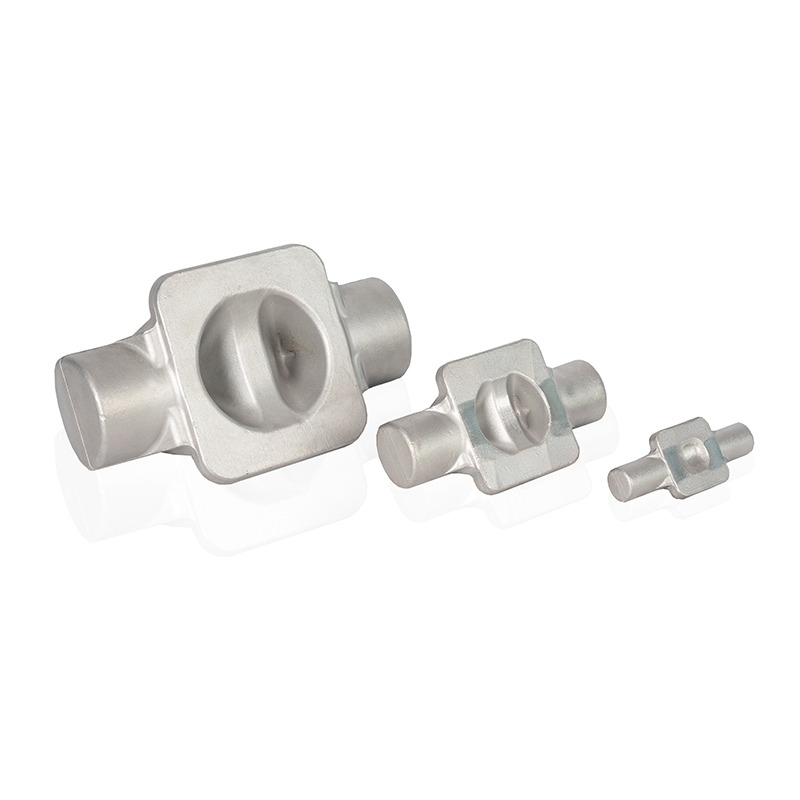
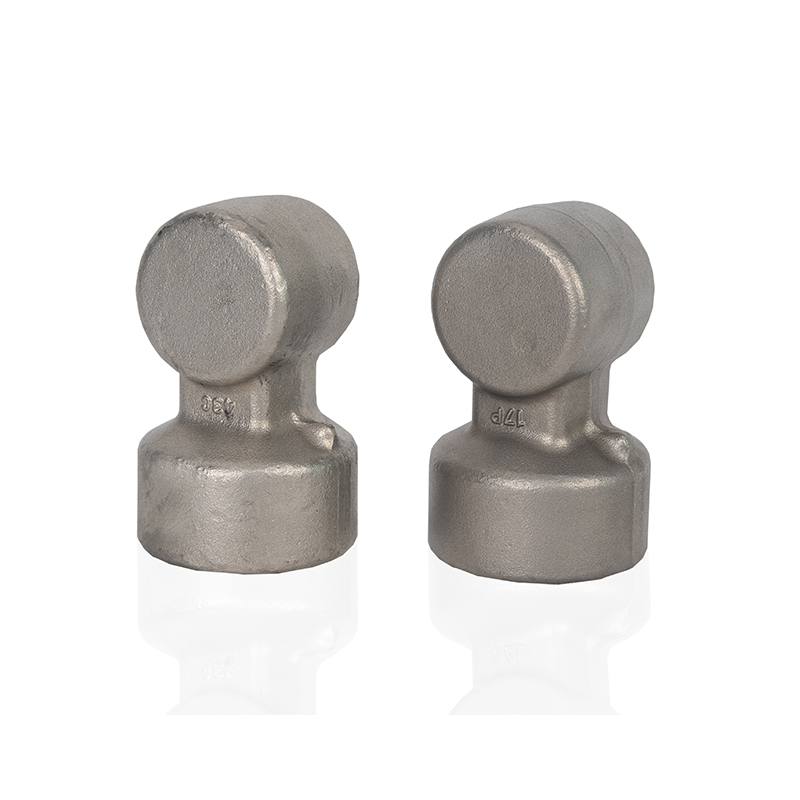
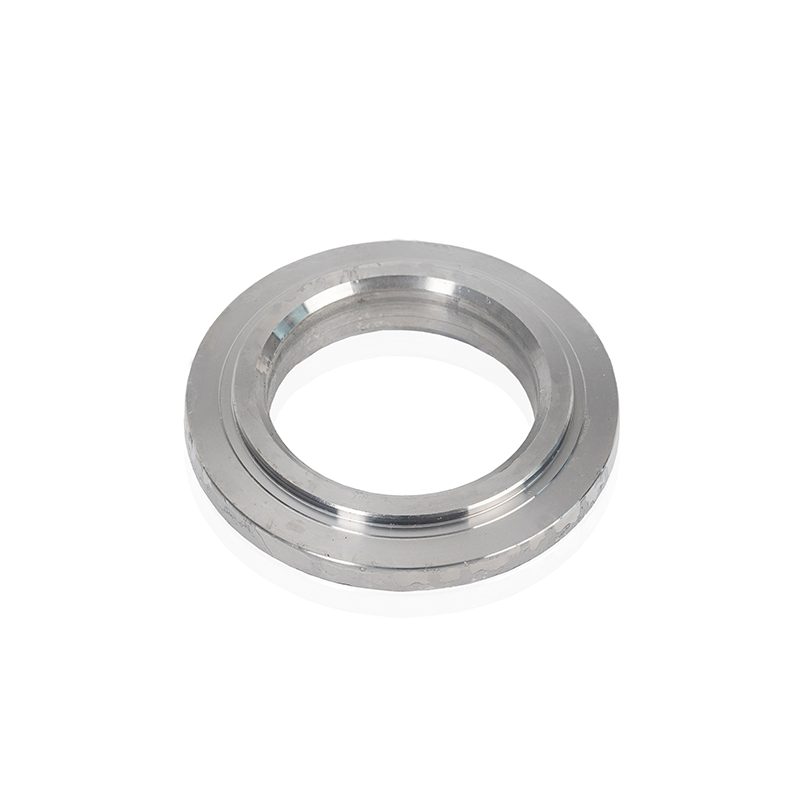
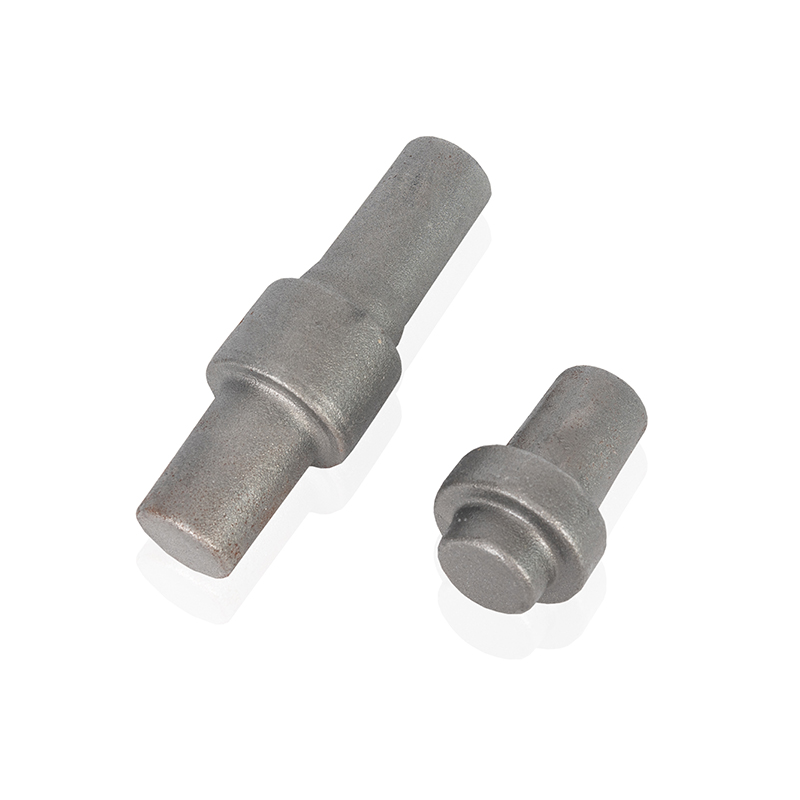
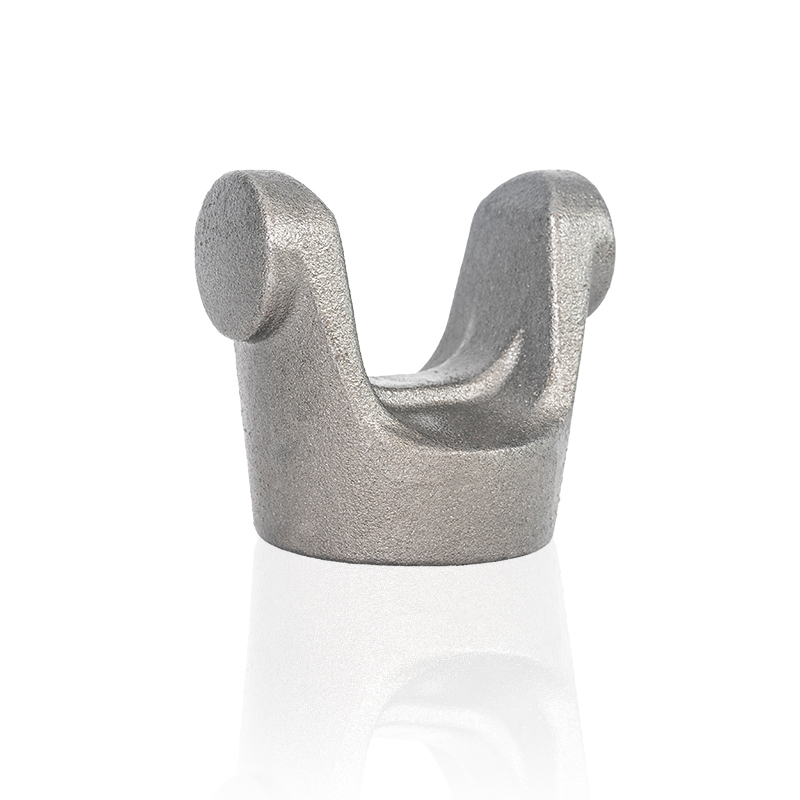
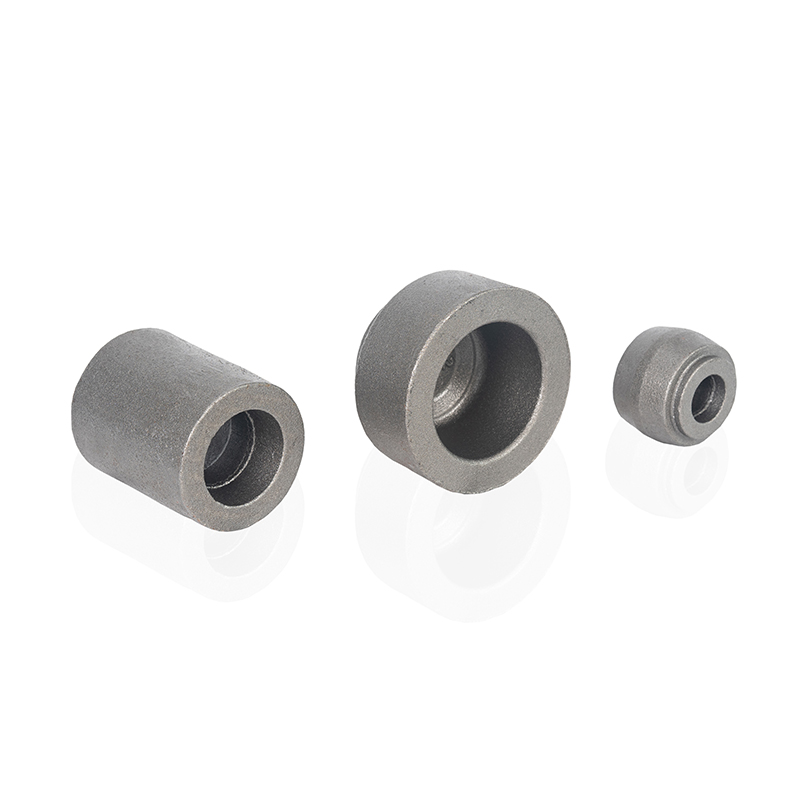
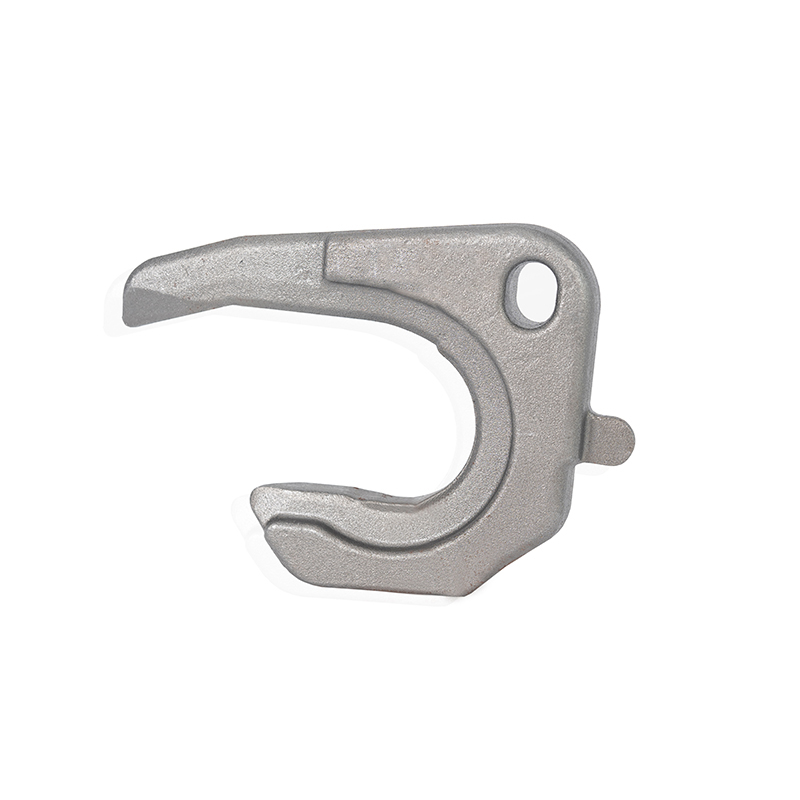
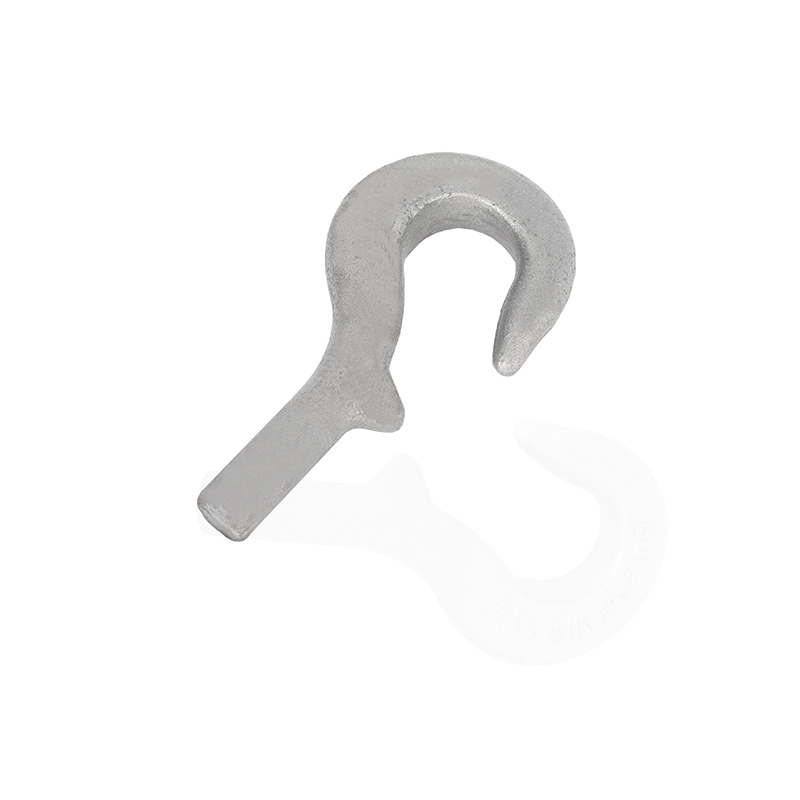
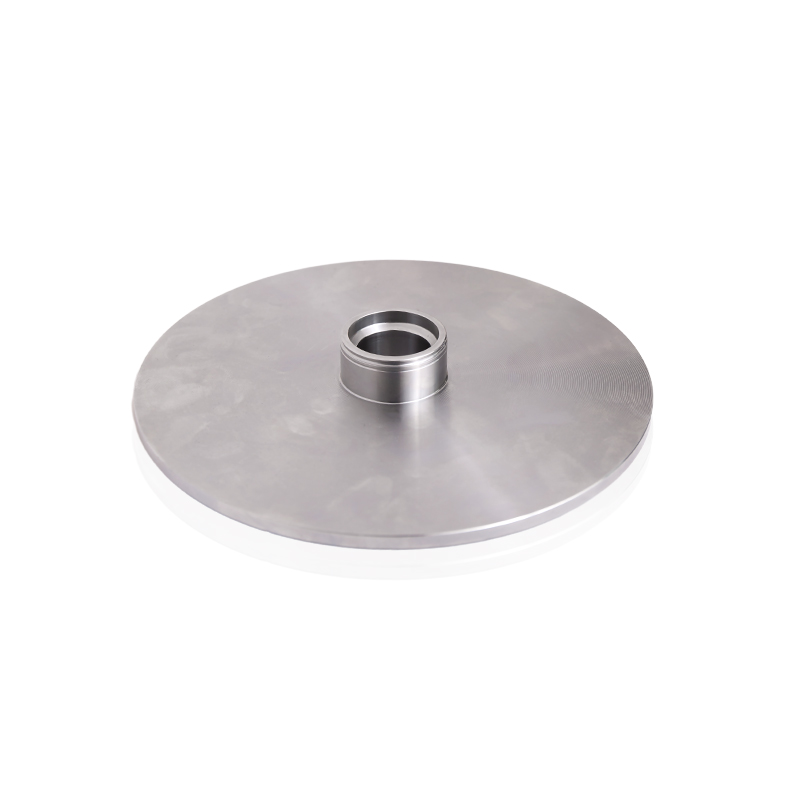
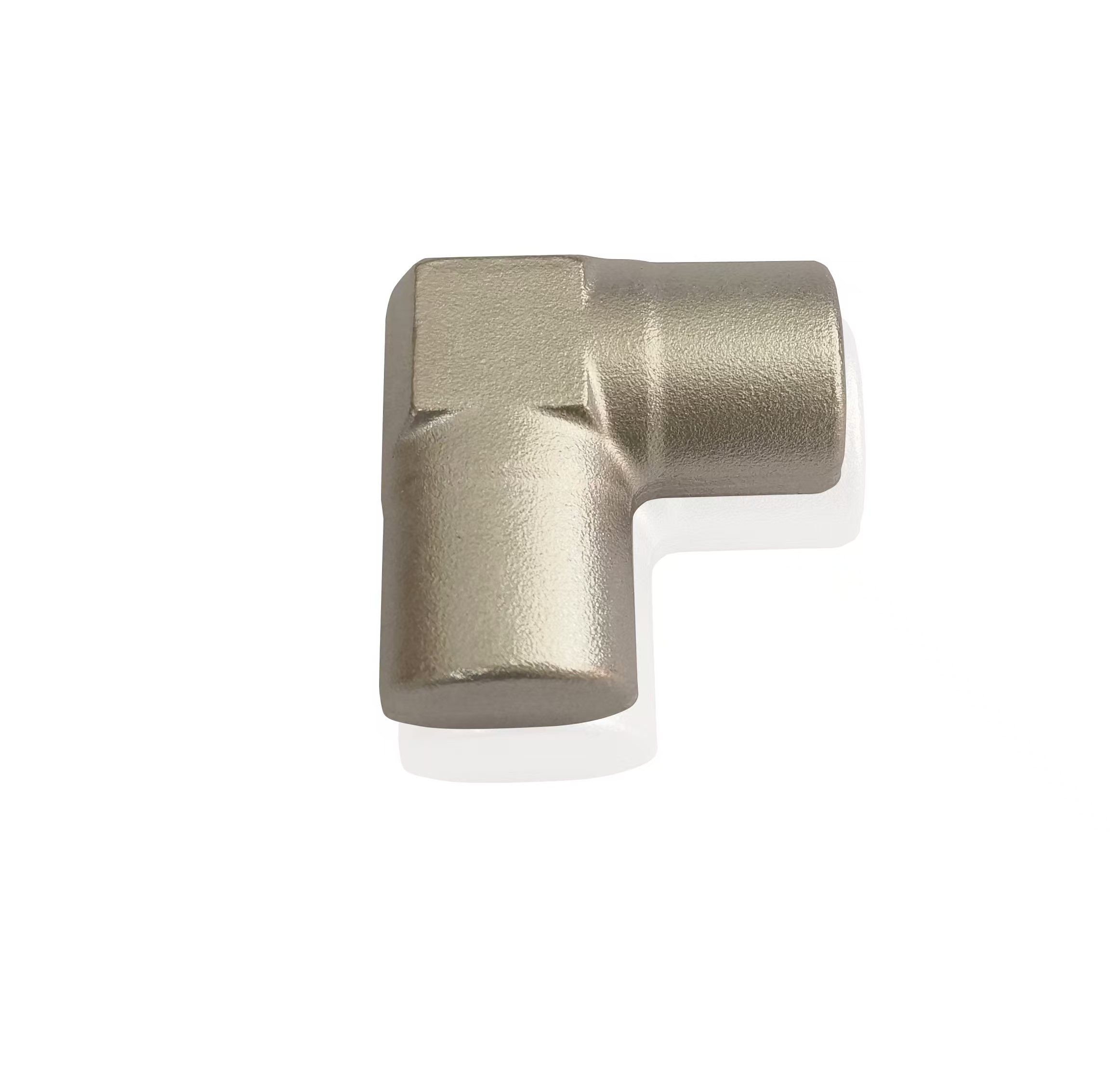
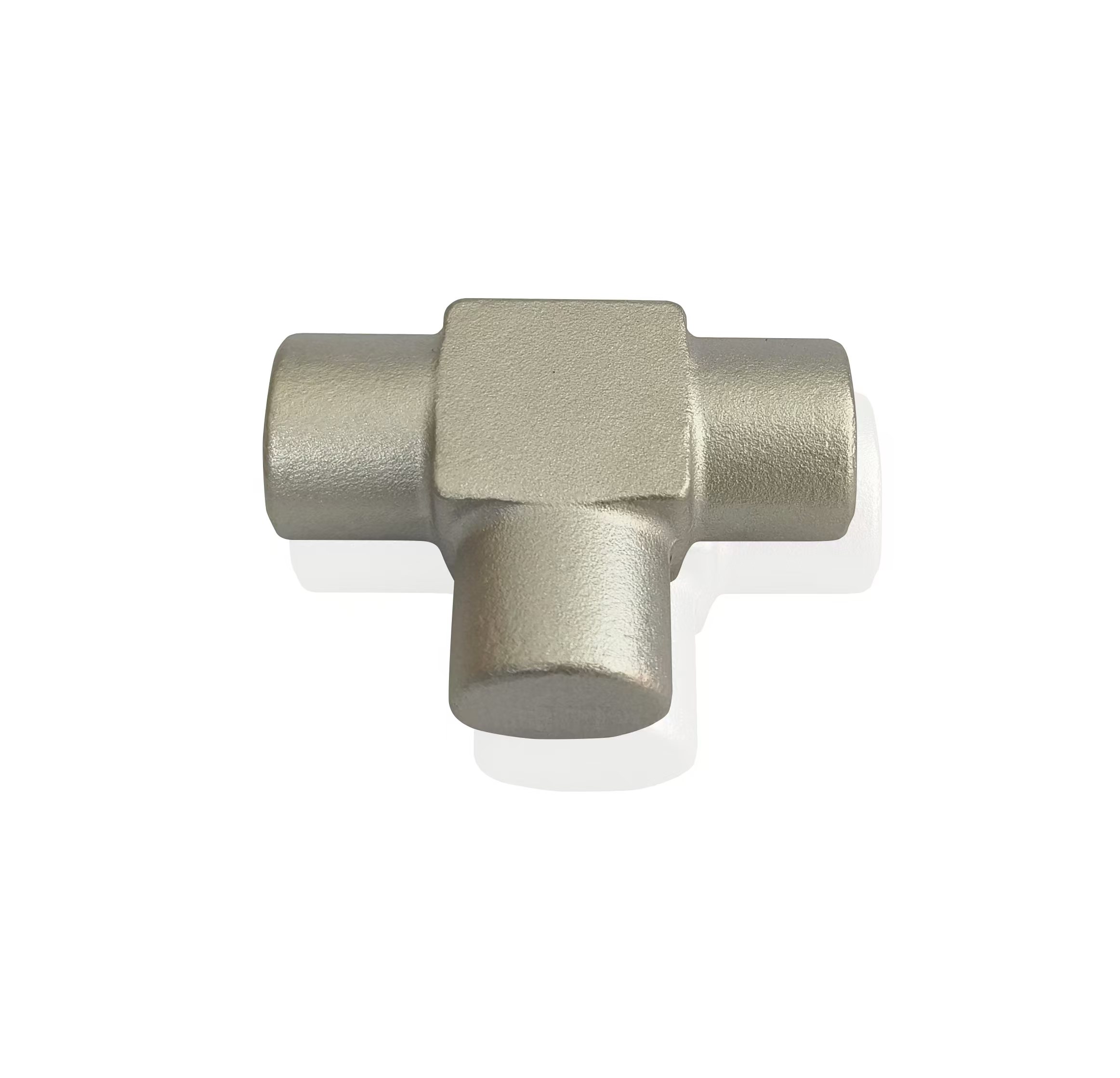
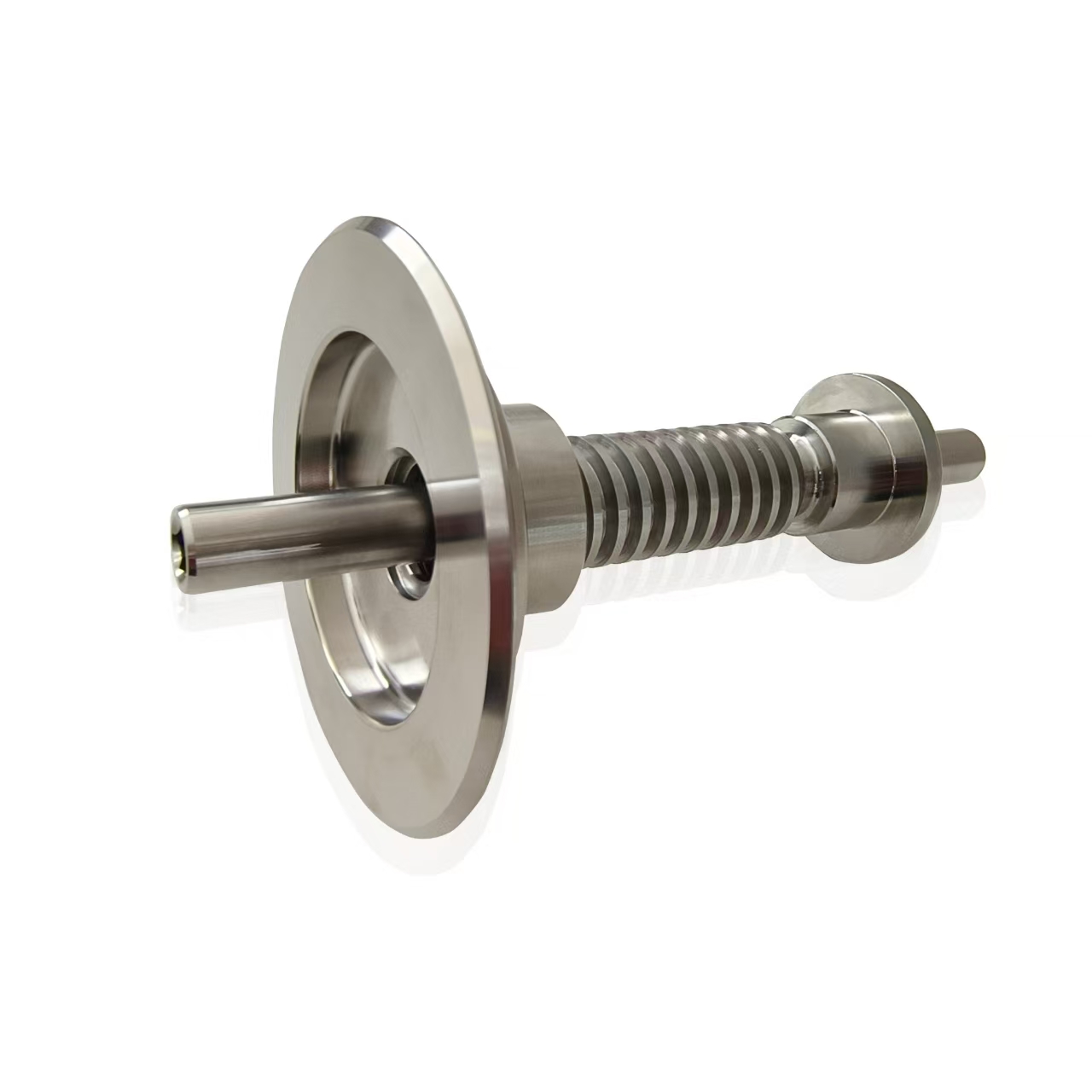

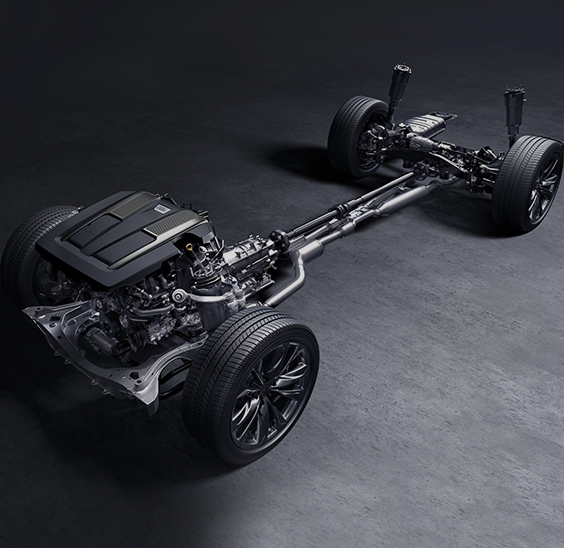
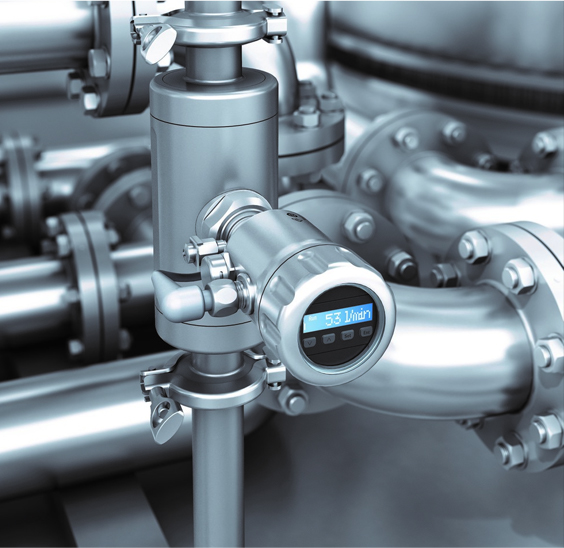
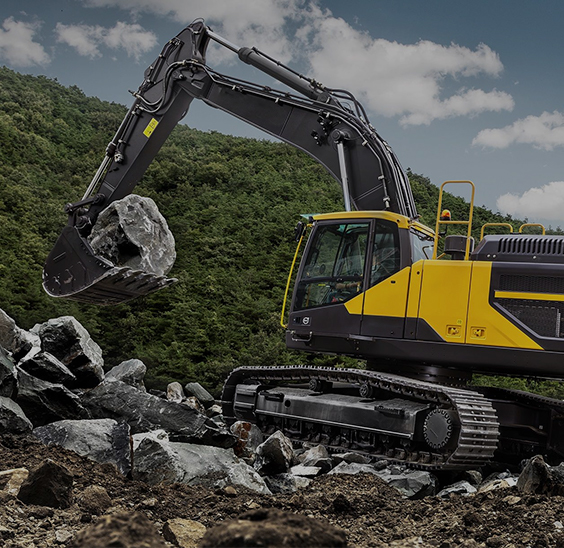
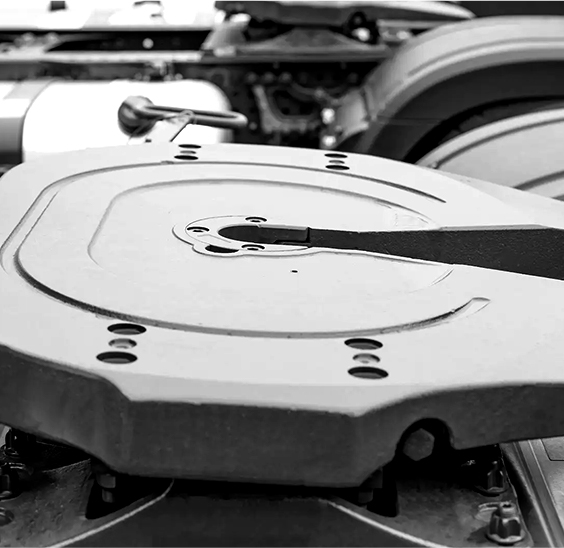
Our products primarily involve the production of forged components for the automotive industry, construction machinery industry, industrial instrumentation industry, and fluid equipment industry. Custom forging parts manufacturers and forged components solution providers in China.
Product links
Contact Us
-
Address:No. 5 Junrong Road, Daitou Town, Liyang City, Jiangsu Province, China
-
Tel:+86-18021979887
 苏公网安备32048102000516