

 EN
EN  English
 中文简体
中文简体
News

Forging a Flange: Process, Materials & Benefits | Nanyang Chukyo
 2026.03.18
 Industry news
Content
- 1 What Is a Forged Flange?
- 2 Common Materials Used When Forging a Flange
- 3 Step-by-Step: How Forging a Flange Works
- 4 Types of Flanges Produced by the Forging Process
- 5 Forged Flange vs. Cast Flange: Key Differences
- 6 Industry Applications of Forged Flanges
- 7 Quality Standards and Certifications for Forged Flanges
What Is a Forged Flange?
A flange is a mechanical component used to connect pipes, valves, pumps, and other equipment, forming a sealed and structurally sound joint. Forging a flange means shaping the flange from a solid metal billet under high compressive force — either through open-die or closed-die forging — rather than casting or machining it from plate stock. The result is a component with a refined grain structure, higher strength, and superior resistance to pressure and fatigue compared to cast alternatives.
Forged flanges are critical in industries where leakage, mechanical failure, or pressure drop can lead to catastrophic outcomes — including oil and gas pipelines, hydraulic systems, power generation equipment, and heavy construction machinery. Their ability to withstand extreme temperatures, pressures, and cyclic loading makes them the preferred choice for engineers worldwide.
Common Materials Used When Forging a Flange
Material selection is one of the most important decisions in the flange forging process. The choice depends on the operating environment — including pressure rating, temperature range, and exposure to corrosive media. The most widely used materials include:
- Carbon Steel (e.g., ASTM A105, A350 LF2) — The most common material for general-purpose flanges. Cost-effective, weldable, and suitable for moderate temperature and pressure applications.
- Alloy Steel (e.g., F11, F22, F91) — Used in high-temperature environments such as power plants and petrochemical refineries. Chromium-molybdenum alloys provide excellent creep resistance.
- Stainless Steel (e.g., 304, 316, 316L) — Preferred for corrosive or hygienic environments, including food processing, pharmaceutical, and marine applications. Nanyang Chukyo operates dedicated stainless steel solution treatment equipment to achieve precise metallurgical properties.
- Duplex and Super Duplex Stainless Steel — Combines high strength with excellent chloride corrosion resistance for offshore and chemical processing applications.
- Nickel Alloys (e.g., Inconel, Monel) — For extreme temperature or highly corrosive service conditions in aerospace and chemical industries.
Step-by-Step: How Forging a Flange Works
The forging process for flanges follows a well-defined sequence. Each stage is controlled to ensure dimensional accuracy, structural integrity, and surface quality that meets international standards such as ASME B16.5, EN 1092-1, or JIS B2220.
- Billet Selection and Cutting — A raw steel billet or bar stock is cut to the required weight using sawing equipment. The billet weight is calculated to account for forging flash and subsequent machining allowances.
- Heating — The billet is heated in a controlled furnace to the optimal forging temperature. For carbon steel, this is typically between 1,100°C and 1,250°C. Uniform heating is critical to prevent internal stress and ensure consistent material flow during forging.
- Die Forging — The heated billet is placed in a closed die and compressed under a forging press or hammer. The metal flows into the die cavity, taking the shape of the flange — including the hub, flange face, and bolt holes profile. Closed-die forging is preferred for flanges as it provides tight dimensional tolerances and excellent repeatability.
- Flash Trimming — Excess metal (flash) that squeezes out along the die parting line is trimmed away using a trimming press while the forging is still hot.
- Heat Treatment — Depending on the material and service requirements, the forging undergoes normalizing, annealing, quenching, or tempering. This controls grain size, hardness, and mechanical properties to meet specification requirements.
- CNC Machining — The forged blank is finish-machined on CNC lathes and machining centers to achieve the final dimensions, bore diameter, flange face finish (flat face, raised face, ring-type joint), and bolt hole pattern.
- Inspection and Testing — Completed flanges are inspected for dimensional accuracy, surface condition, and mechanical properties. Non-destructive testing (NDT) methods such as ultrasonic testing (UT) or magnetic particle inspection (MPI) may be applied for high-integrity applications.
Types of Flanges Produced by the Forging Process
Not all flanges share the same geometry or connection method. Forging is versatile enough to produce the full range of standard flange types:
- Weld Neck Flanges — Feature a long tapered hub that is butt-welded to the pipe. Ideal for high-pressure, high-temperature, and cyclic service due to excellent stress distribution.
- Slip-On Flanges — Slide over the pipe and are fillet-welded inside and outside. Easy to align and lower in cost, commonly used for lower-pressure services.
- Blind Flanges — Used to close the end of a piping system or pressure vessel. Subject to bending stress from pressure, so forged construction is often required.
- Socket Weld Flanges — The pipe inserts into a recessed socket before being welded. Suitable for small-diameter, high-pressure piping.
- Threaded Flanges — Connected to the pipe via threads, requiring no welding. Used where welding is not practical or where disassembly is required.
- Lap Joint Flanges — Used with stub ends; the flange rotates freely, simplifying bolt-hole alignment. Suitable for systems requiring frequent dismantling.
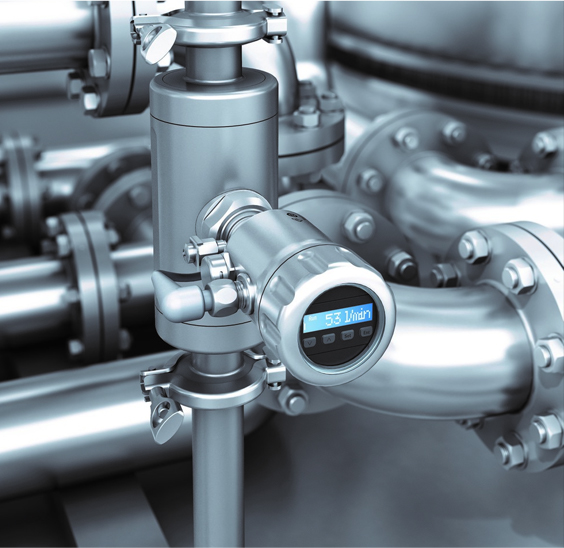
For applications in fluid pump and valve systems, forged fluid pump valve components require particularly tight dimensional control on seating surfaces and bore concentricity — areas where die forging excels.
Forged Flange vs. Cast Flange: Key Differences
Engineers often face a choice between forged and cast flanges. While cast flanges can be economical for simple, low-pressure applications, forged flanges consistently outperform cast flanges in mechanical strength, reliability, and longevity:
| Property | Forged Flange | Cast Flange |
|---|---|---|
| Grain Structure | Refined, continuous flow lines | Random, may contain porosity |
| Tensile Strength | Higher | Lower |
| Impact Toughness | Excellent | Moderate |
| Internal Defects | Minimal | Shrinkage/porosity risk |
| Dimensional Consistency | High (closed-die) | Variable |
| Best Suited For | High-pressure, critical service | Low-pressure, large/complex shapes |
Industry Applications of Forged Flanges
Forged flanges are essential across a wide range of demanding industries. Their ability to maintain a leak-free seal under pressure, vibration, and thermal cycling makes them indispensable in:
- Oil & Gas — Pipeline connections, wellhead equipment, and pressure vessels operating at high pressures and in corrosive environments.
- Petrochemical & Refining — Process piping handling aggressive chemicals, acids, and hydrocarbons at elevated temperatures.
- Power Generation — High-pressure steam lines, turbine connections, and heat exchanger systems requiring alloy steel flanges with certified mechanical properties.
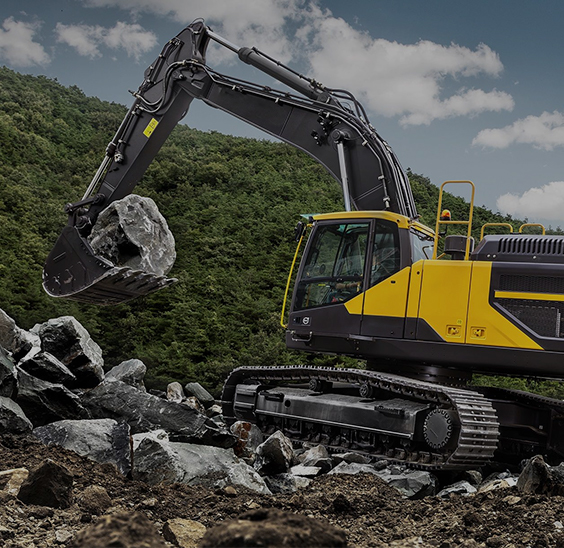
- Construction and Engineering Machinery — Hydraulic circuit connections in excavators, cranes, and loaders. Our engineering machinery forgings serve these exact high-load, high-cycle applications.
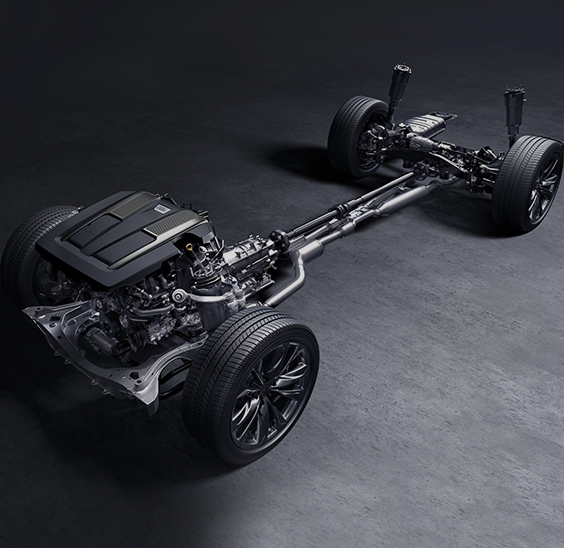
- Automotive & Transmission Systems — Flanged connections in driveshaft assemblies, gearboxes, and exhaust systems where vibration resistance is paramount.
- Water Treatment & Marine — Stainless steel forged flanges for seawater systems, desalination plants, and wastewater processing equipment.
Quality Standards and Certifications for Forged Flanges
International quality standards govern the material, dimensional, and mechanical requirements of forged flanges. Procurement specifications typically reference one or more of the following:
- ASME B16.5 — Pipe flanges and flanged fittings for NPS ½ through NPS 24, covering pressure-temperature ratings, materials, dimensions, and marking.
- ASTM A105 / A182 / A350 — Standard material specifications for carbon steel and alloy steel forgings for piping components.
- EN 1092-1 — European standard for steel flanges, covering PN designations from PN 2.5 to PN 400.
- ISO 9001 Quality Management — Certified manufacturers like Jiangsu Nanyang Chukyo Technology operate under a documented quality management system ensuring consistent production and full traceability.
- NACE MR0175 / ISO 15156 — For sour service environments in oil and gas applications where hydrogen-induced stress cracking resistance is required.
Jiangsu Nanyang Chukyo Technology Co., Ltd., with over 36 years of forging heritage originating from Shanghai Jiao Tong University Zhongjing Forging Co., Ltd., combines certified quality systems with 9 forging production lines and 5 heat treatment lines capable of producing 25,000 tons annually. The company holds 7 invention patents and 39 utility model patents, reflecting its commitment to engineering excellence in precision forging.
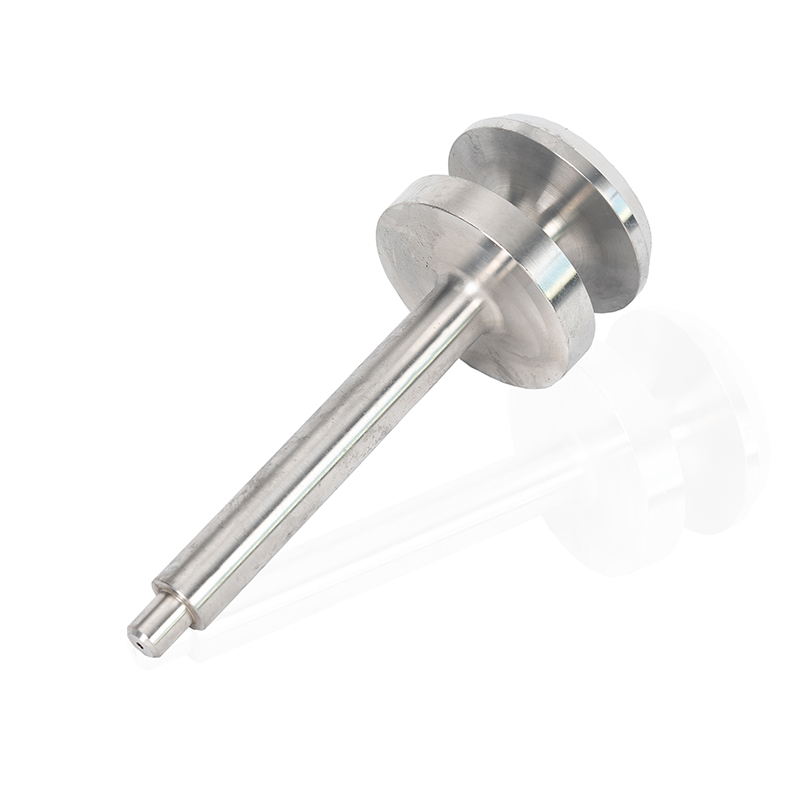
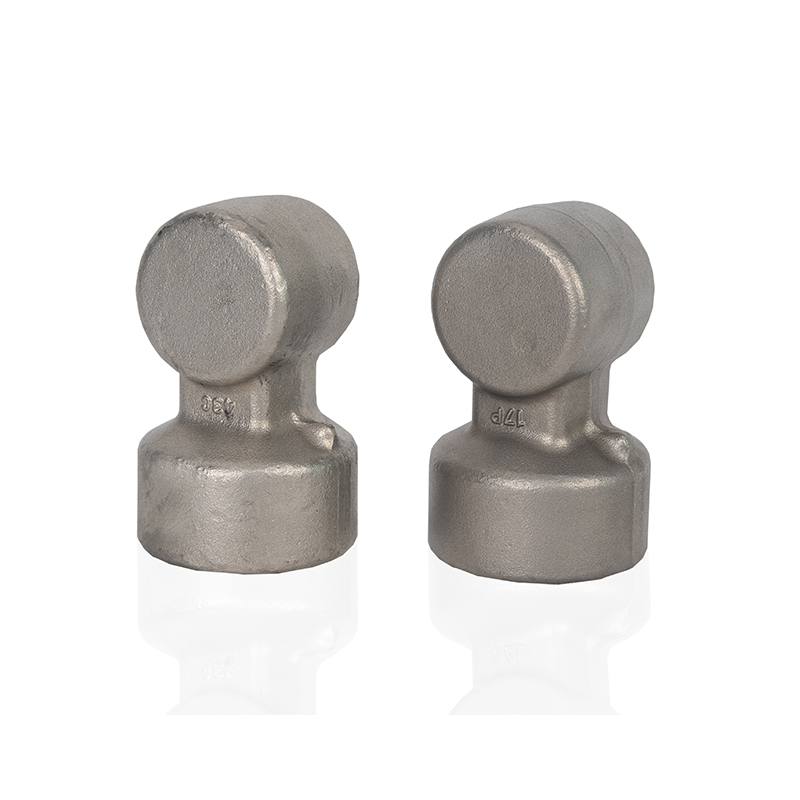
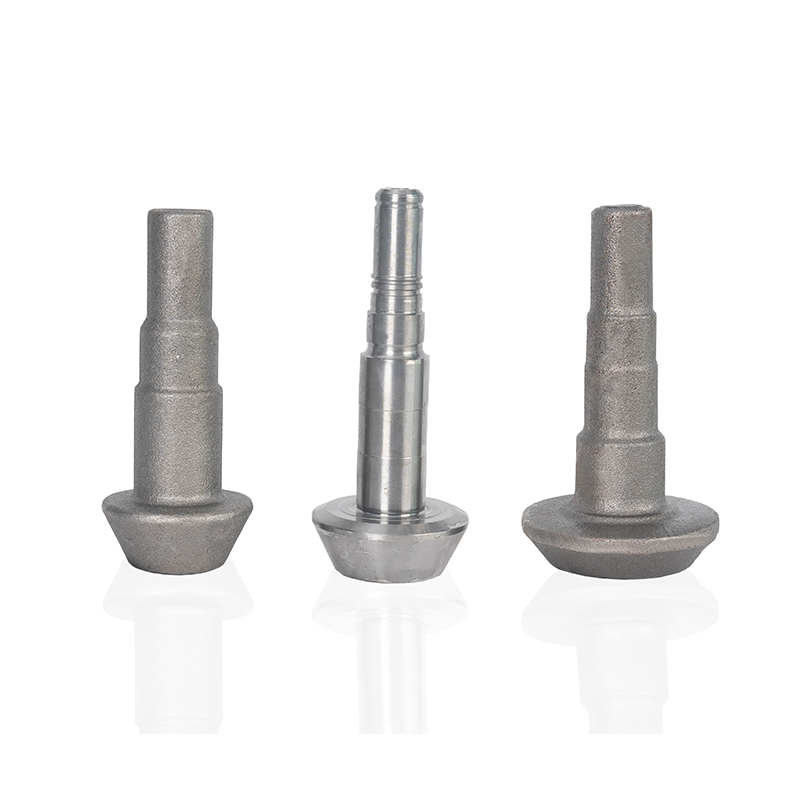
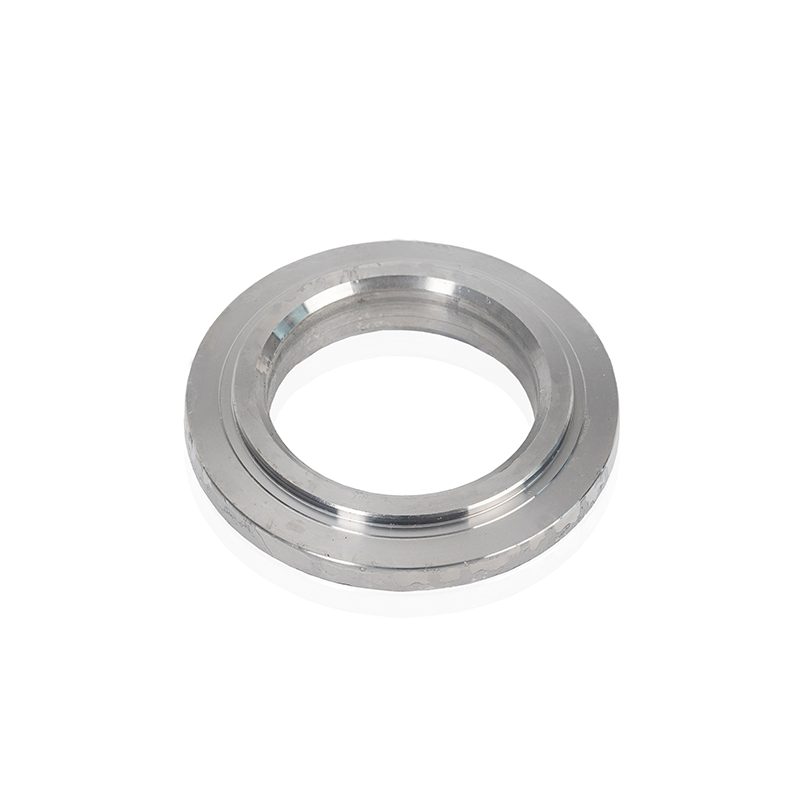
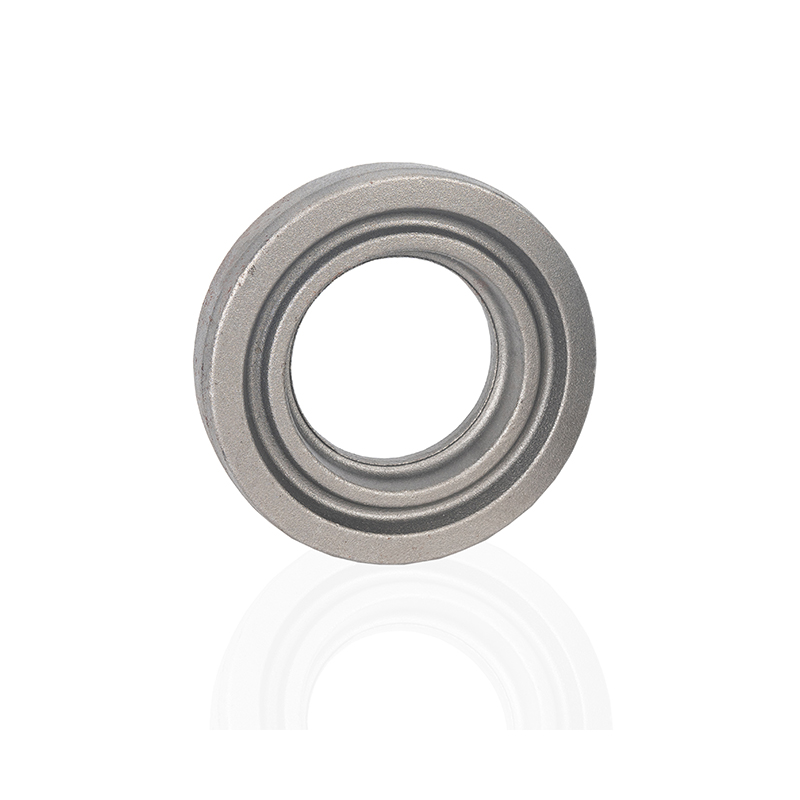
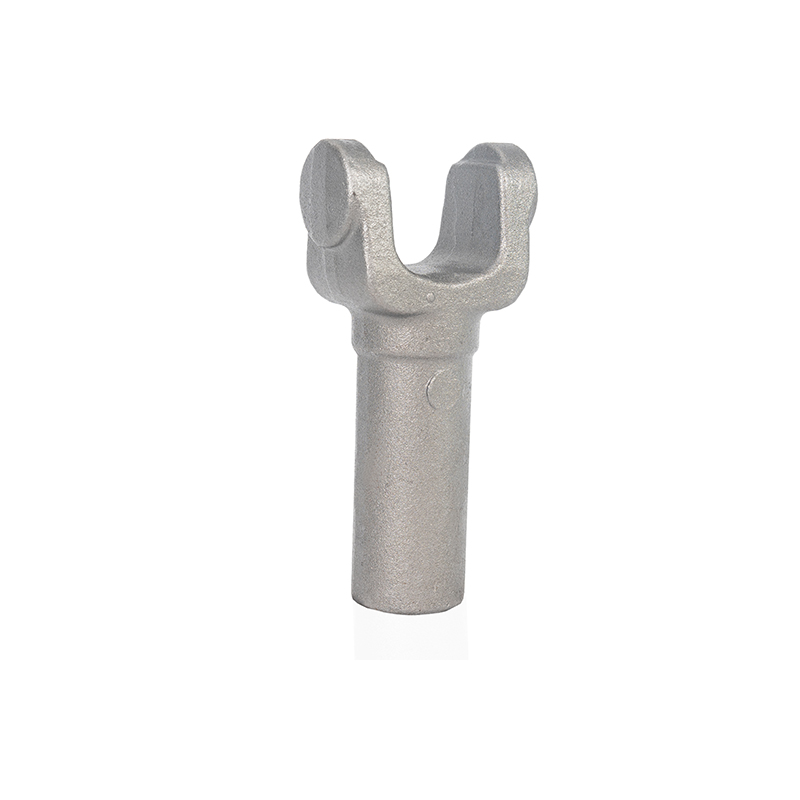
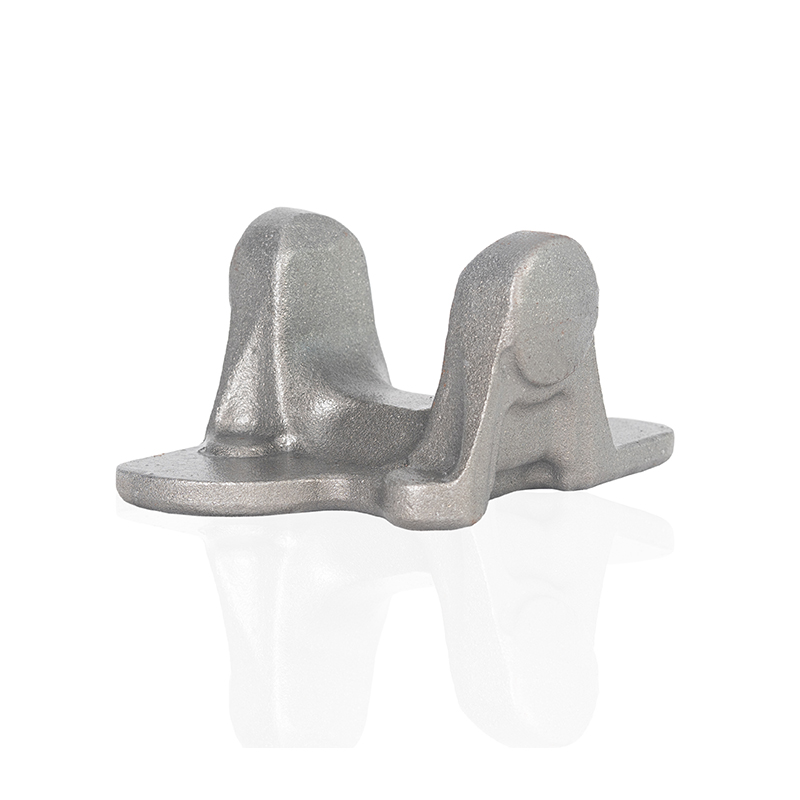
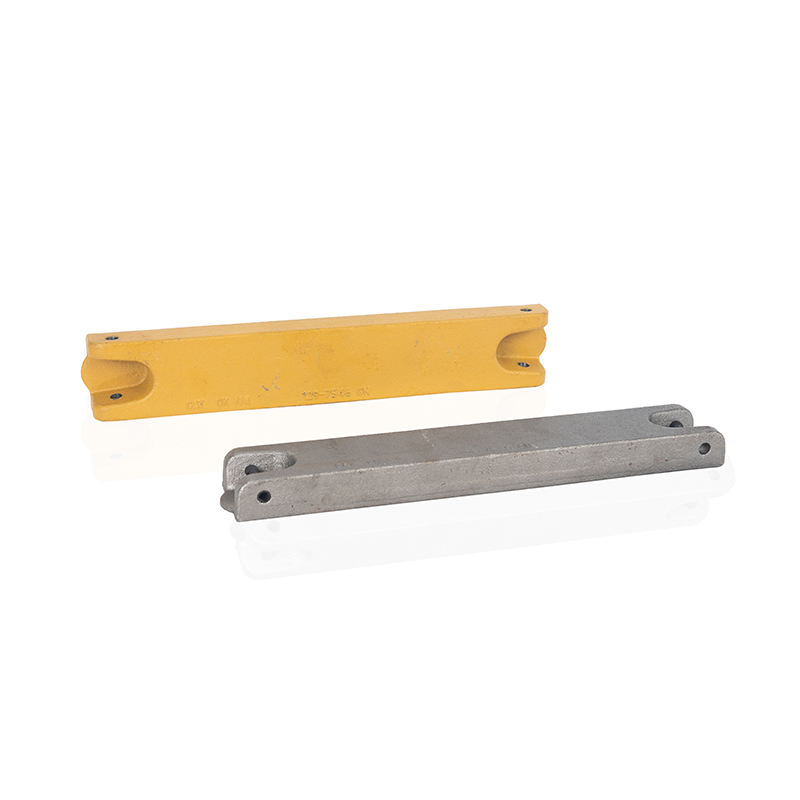
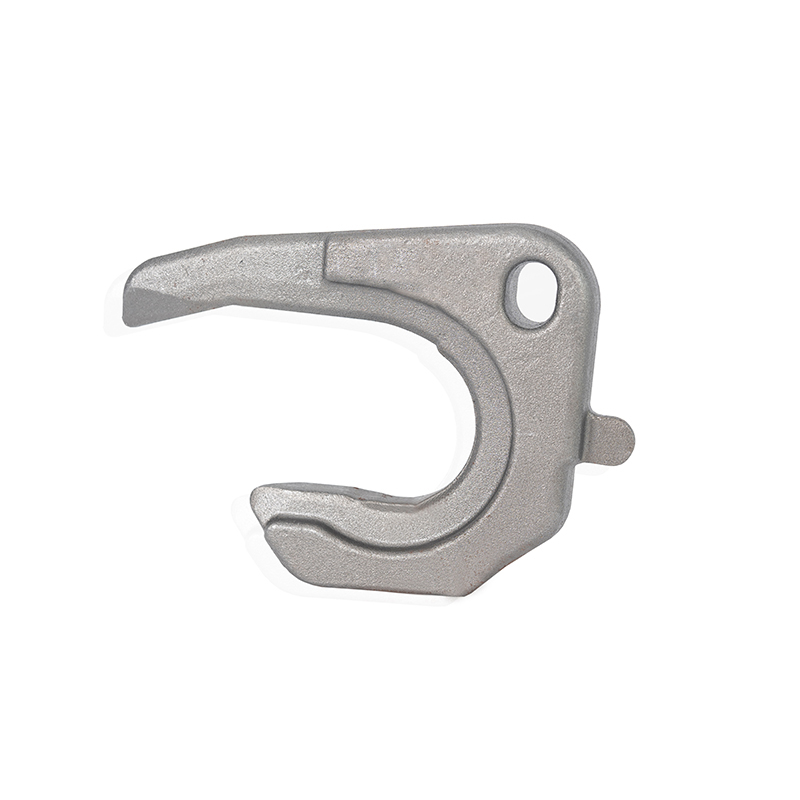
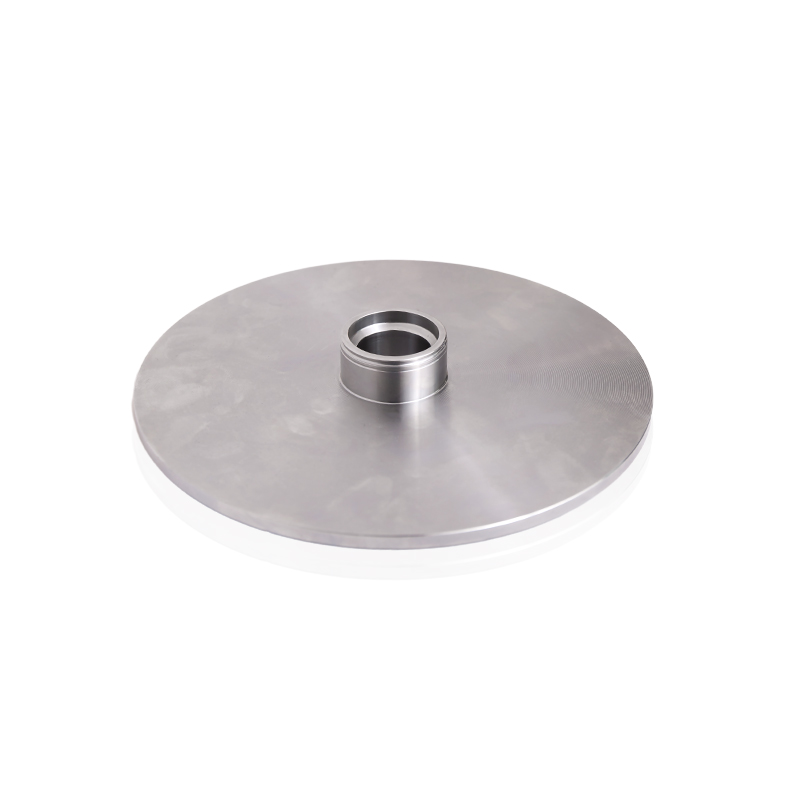
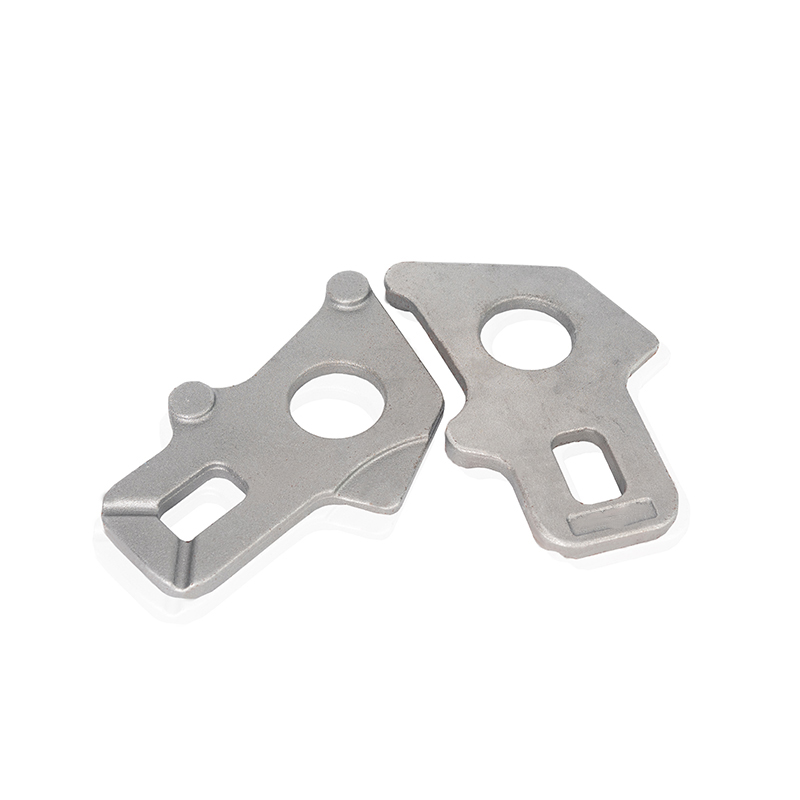
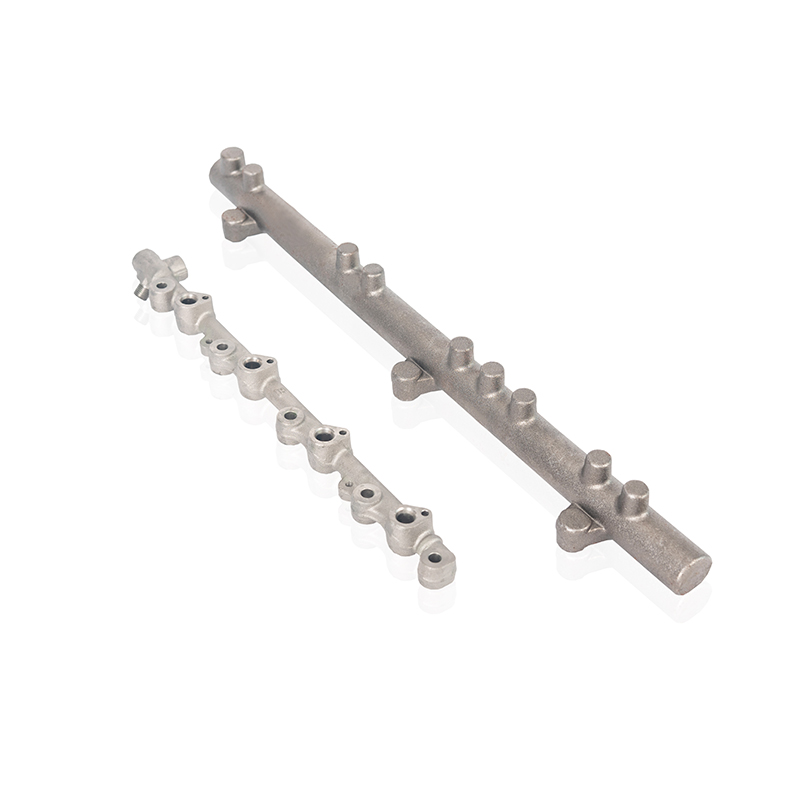

Our products primarily involve the production of forged components for the automotive industry, construction machinery industry, industrial instrumentation industry, and fluid equipment industry. Custom forging parts manufacturers and forged components solution providers in China.
Product links
Contact Us
-
Address:No. 5 Junrong Road, Daitou Town, Liyang City, Jiangsu Province, China
-
Tel:+86-18021979887
 苏公网安备32048102000516