

 EN
EN  English
 中文简体
中文简体
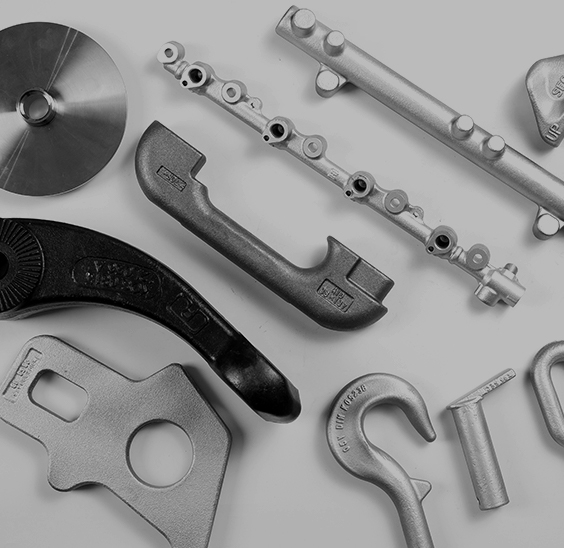
News

Hot Forging Processing Technology: Process, Advantages & Applications
 2026.03.27
 Industry news
Content
What Is Hot Forging and Why It Matters
Hot forging is a metal forming process in which a metal billet is heated above its recrystallization temperature and then shaped under high compressive force using dies. The elevated temperature reduces the metal's yield strength, enabling complex shapes to be formed with lower press tonnage while simultaneously improving the material's mechanical properties. Unlike casting or machining from bar stock, hot forging refines the grain structure of the metal, resulting in parts that are stronger, tougher, and more fatigue-resistant.
This process is a cornerstone of modern industrial manufacturing. From automotive drivetrain components to heavy construction equipment and fluid control systems, hot forging delivers the combination of dimensional accuracy, structural integrity, and material efficiency that demanding applications require. Understanding the fundamentals of hot forging processing technology helps engineers and procurement professionals make better decisions when selecting manufacturing methods for critical components.
The Hot Forging Process: Step by Step
A complete hot forging production cycle involves several tightly controlled stages. Each step directly influences the final part's dimensional accuracy, surface quality, and mechanical performance.
Billet Preparation and Heating
Raw material is first cut to precise weight using sawing or shearing. The billet is then heated in an induction furnace or gas-fired furnace to the optimal forging temperature range — typically between 950°C and 1,250°C for carbon and alloy steels, depending on the alloy composition. Uniform temperature distribution across the billet cross-section is critical; uneven heating can cause internal stress, surface cracking, or inconsistent grain flow in the finished part.
Die Design and Tooling
The die set is the heart of any hot forging operation. Dies are precision-machined from high-alloy tool steel and undergo heat treatment to withstand the extreme thermal cycling and mechanical impact of production. Multi-impression dies guide the billet through a sequence of pre-form, blocking, and finishing cavities, progressively shaping the metal and controlling flash formation. Proper die design determines material flow, parting line location, draft angles, and the amount of excess flash produced.
Forging and Flash Removal
The heated billet is placed in the die and struck or pressed with controlled force, typically ranging from a few hundred to several thousand tons depending on part geometry and material. The metal flows to fill the die cavity, and excess material is expelled as flash around the parting line. Flash is subsequently removed in a trimming press, and the part proceeds to the next stage.
Heat Treatment
Post-forging heat treatment — including normalizing, annealing, quenching, and tempering — is used to relieve residual stress and establish the desired hardness and toughness profile. The specific cycle is selected based on the alloy grade and the mechanical property requirements of the end application.
Machining and Inspection
Most hot forgings require finish machining to achieve tight dimensional tolerances on bearing surfaces, bores, and threaded features. CNC turning centers and machining centers remove material with high precision. Final inspection includes dimensional measurement, hardness testing, ultrasonic testing for internal defects, and surface quality evaluation before packaging and shipment.
Key Advantages of Hot Forging Over Other Methods
Hot forging competes with casting, cold forging, and machining from solid bar in many application spaces. The table below summarizes where hot forging holds a clear advantage.
| Comparison Factor | Hot Forging | Casting | Machining from Bar |
|---|---|---|---|
| Grain Structure | Refined, directional | Coarse, random | As-rolled |
| Tensile Strength | High | Moderate | Moderate |
| Porosity Risk | Very low | High | Low |
| Material Utilization | High | Moderate | Low (high scrap) |
| Tooling Cost | Moderate to high | Moderate | Low |
| Unit Cost at Volume | Low | Low to moderate | High |
One of the most significant, yet often overlooked, benefits of hot forging is the creation of continuous grain flow that follows the contour of the part. This directional grain structure dramatically improves fatigue life and impact resistance — properties that are essential for components subjected to cyclic loading or shock forces in service.
Common Materials Used in Hot Forging
Hot forging is compatible with a broad range of ferrous and non-ferrous alloys. Material selection depends on the mechanical requirements, operating environment, and cost targets of the application.
- Carbon steels (e.g., AISI 1035, 1045): Widely used for general-purpose structural parts and transmission components due to their good forgeability and cost efficiency.
- Alloy steels (e.g., 42CrMo4, 40Cr): Preferred for high-stress applications requiring enhanced strength, toughness, and hardenability after heat treatment.
- Stainless steels (e.g., 304, 316, 17-4PH): Selected for components requiring corrosion resistance, particularly in fluid handling and chemical processing equipment.
- Titanium and aluminum alloys: Used in aerospace and weight-sensitive automotive applications where the strength-to-weight ratio is paramount.
- Nickel-based superalloys: Reserved for extreme-temperature environments such as gas turbine engine components.
The forging temperature window must be precisely controlled for each alloy. Overheating can cause grain growth or oxidation, while underheating increases die wear and raises the risk of cracking.
Industry Applications of Hot Forged Components
The mechanical properties achievable through hot forging processing technology make it the preferred manufacturing route for safety-critical and performance-critical parts across multiple industries.
Automotive and Commercial Vehicles
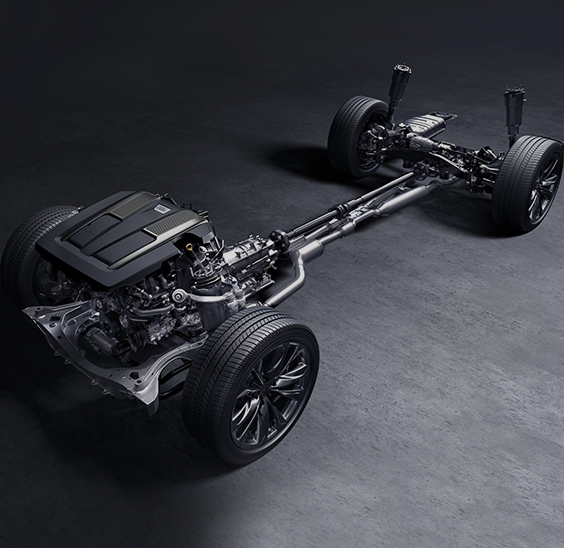
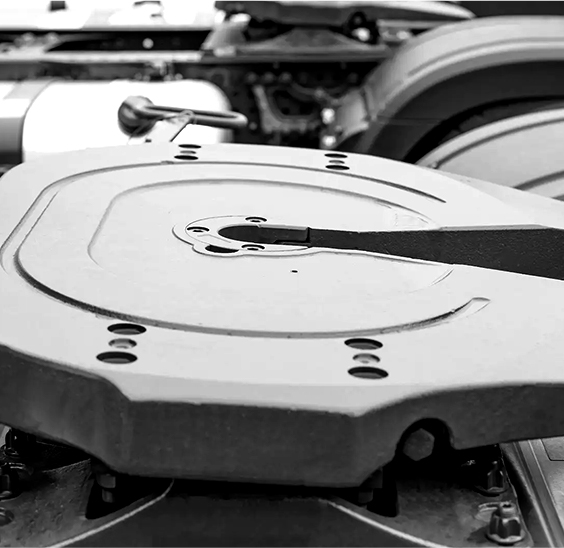
Hot forging dominates the production of powertrain and chassis components. Vehicle transmission system forgings — including gears, shafts, flanges, and yokes — must maintain dimensional stability and resist fatigue under millions of load cycles. Hot forging delivers the grain integrity and strength-to-weight ratio that these components demand. Fifth wheels and traction seat components for heavy trucks are equally demanding applications where material failure is not acceptable.
Construction and Engineering Machinery
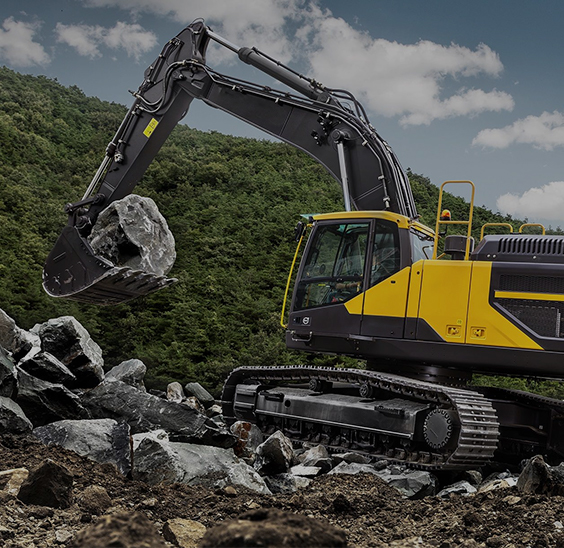
Engineering machinery forgings are used extensively in excavators, cranes, loaders, and road-building equipment. These components endure high dynamic loads, abrasive operating environments, and significant shock forces. Hot forging provides the structural density and toughness necessary to meet the service life expectations of this sector.
Fluid and Pump Systems
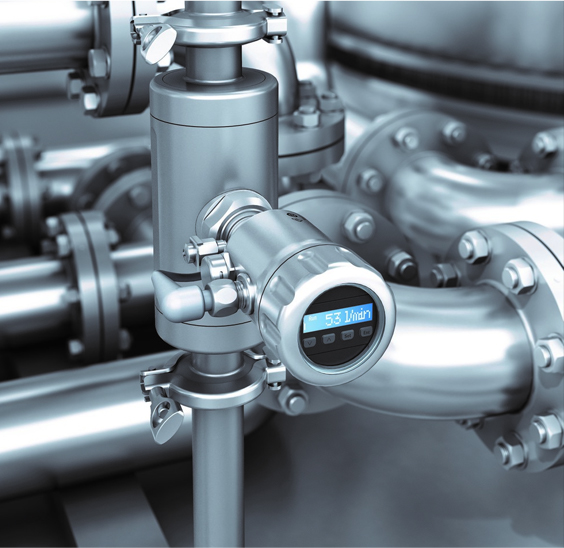
Valve bodies, pump housings, and flow control components benefit from hot forging because the process eliminates the internal porosity that plagues castings. In high-pressure fluid systems, even minor porosity can propagate into cracks under cyclic pressure loading. Forged fluid components offer superior leak resistance and longer service intervals compared to cast alternatives.
Industrial Instrumentation and Energy
Precision forged components are found throughout industrial instrumentation, oil and gas infrastructure, and power generation equipment. The ability to forge stainless steel and nickel alloys extends the applicability of the process to corrosive and high-temperature service conditions.
Quality Control in Hot Forging Manufacturing
Producing hot forgings that consistently meet specification requires a quality system embedded throughout the entire production chain — not just at final inspection. Leading manufacturers integrate the following control measures:
- Incoming material verification: Chemical composition analysis and hardness testing on each incoming heat of raw material before it enters production.
- Furnace temperature monitoring: Continuous thermocouple measurement and data logging to ensure billets reach and maintain target temperature without exceeding upper limits.
- First-article and in-process dimensional checks: Coordinate measuring machine (CMM) inspection at die setup and at regular production intervals to catch tooling wear early.
- Non-destructive testing (NDT): Ultrasonic testing and magnetic particle inspection to detect internal voids, laps, or seams that are not visible on the surface.
- Mechanical property verification: Tensile, yield, elongation, and impact energy testing on sample forgings drawn from each production lot.
- Traceability: Full material and process traceability from raw billet heat number through to finished part, enabling rapid root cause analysis in the event of a field issue.
Quality assurance standards at a capable forging manufacturer should align with internationally recognized frameworks such as IATF 16949 for automotive supply chains or ISO 9001 for general industrial applications. Consistent adherence to these standards is what separates reliable forging suppliers from those whose quality performance is unpredictable across production runs.
The long-term cost of a quality failure in forged components — warranty claims, field replacements, and reputational damage — far exceeds any short-term savings from relaxing inspection standards. Selecting a manufacturer with a documented, auditable quality system is therefore as important as evaluating their press capacity and material capability.
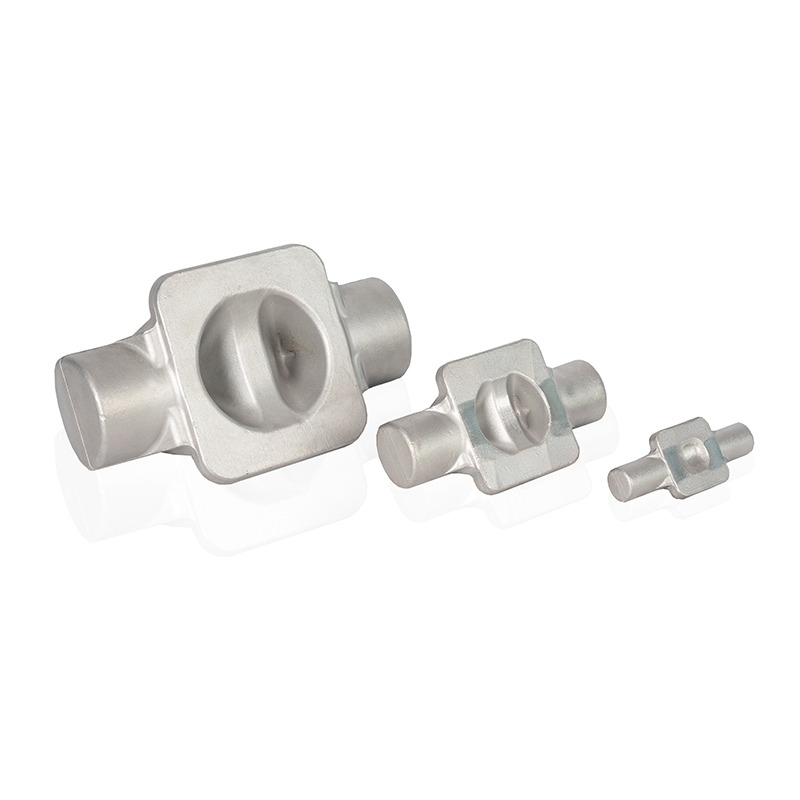
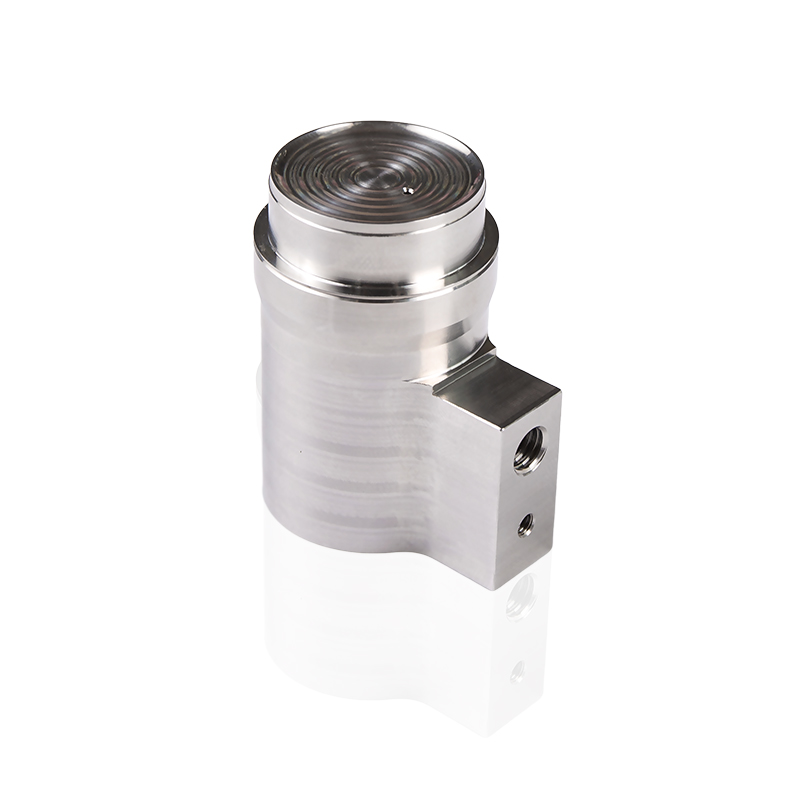
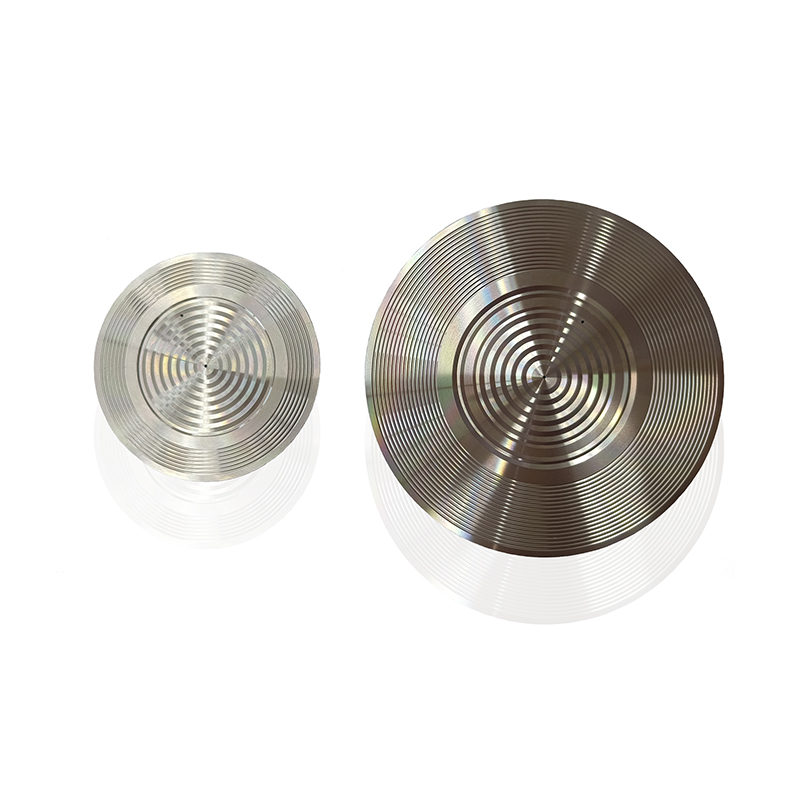
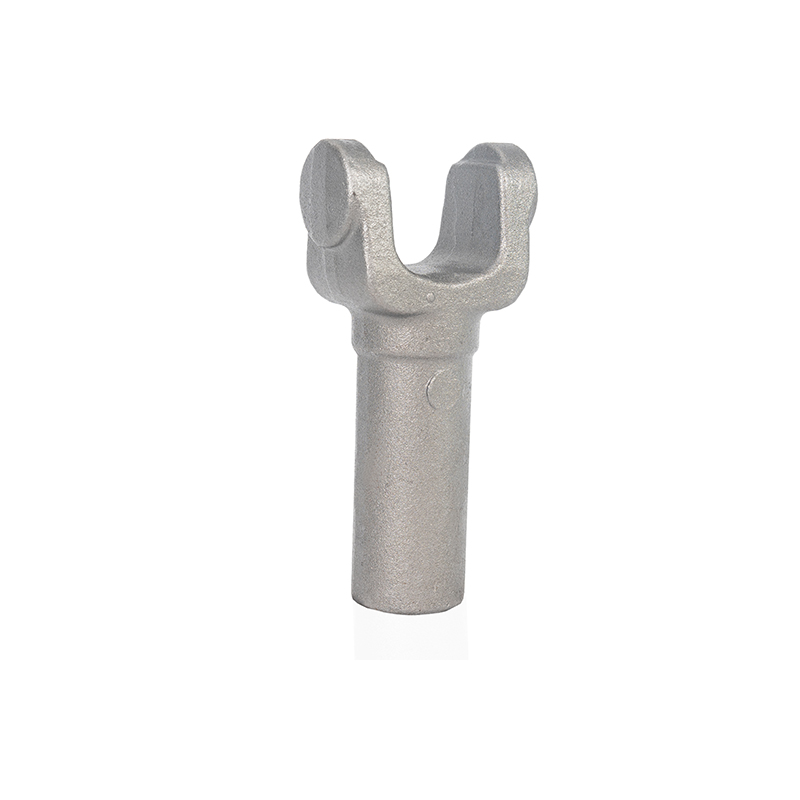
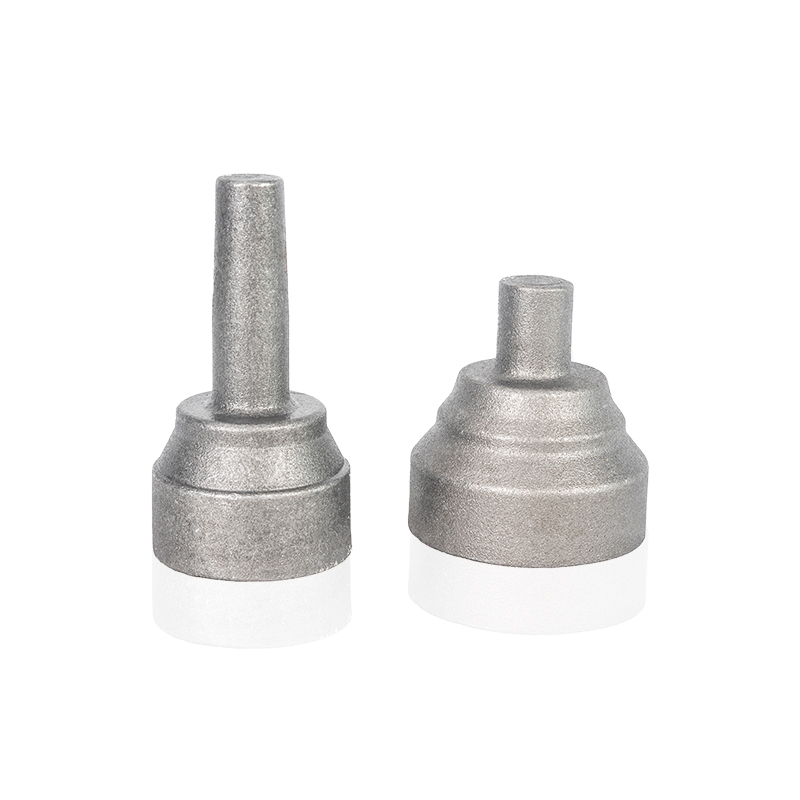
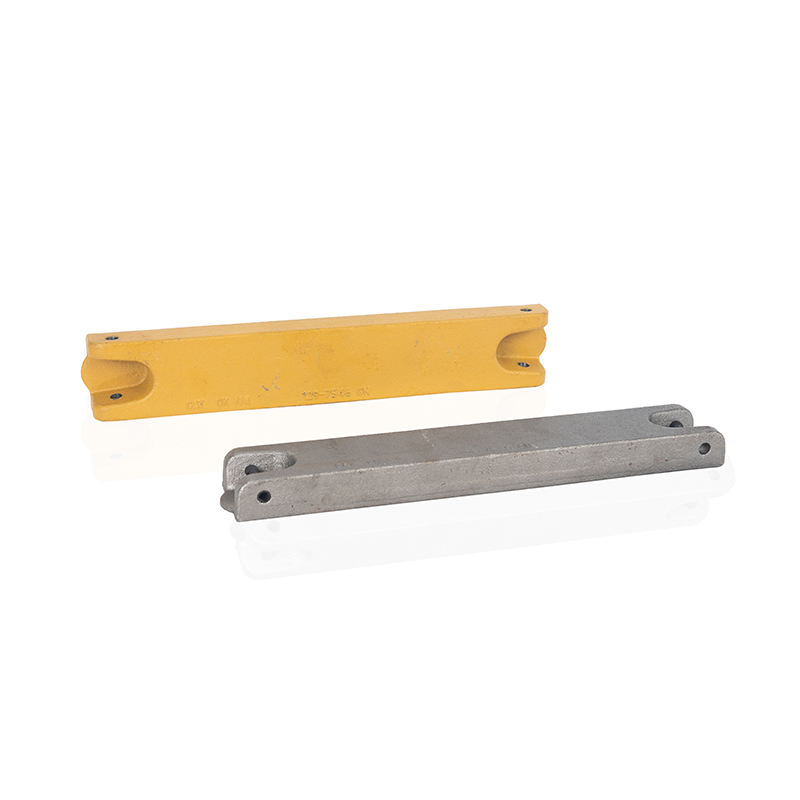
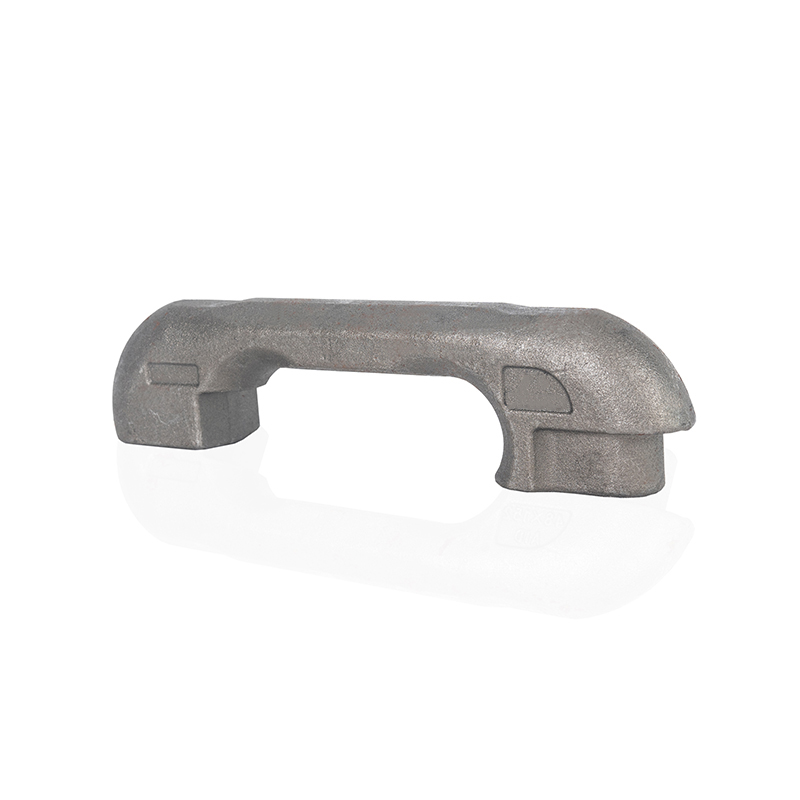
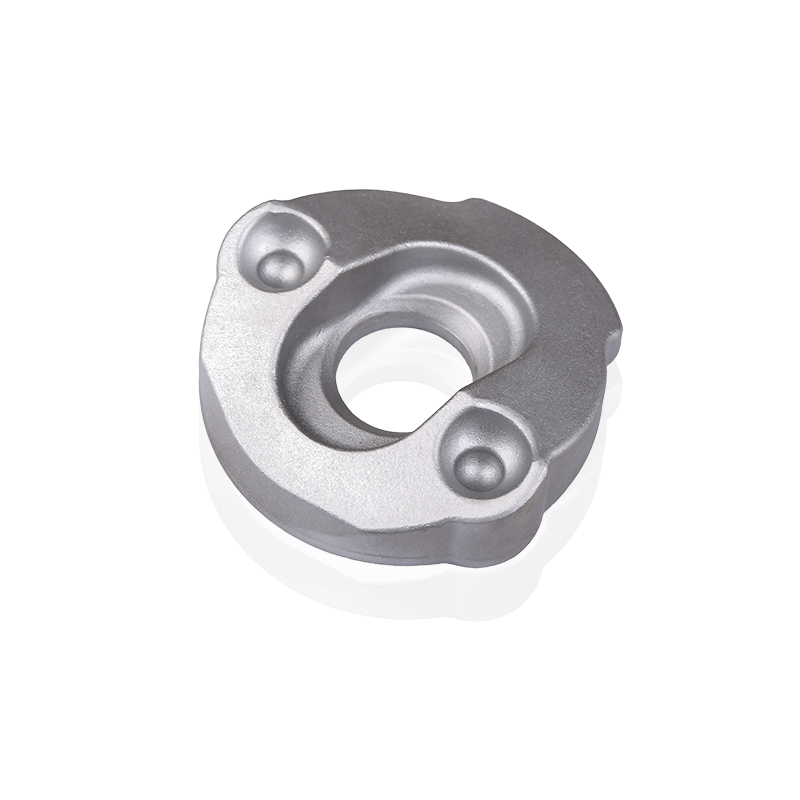
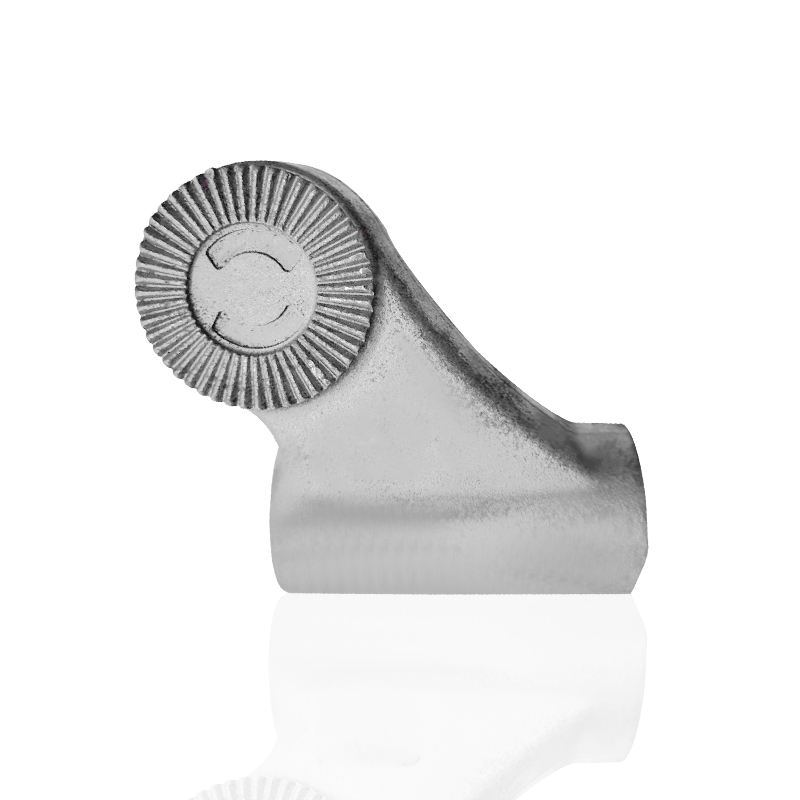
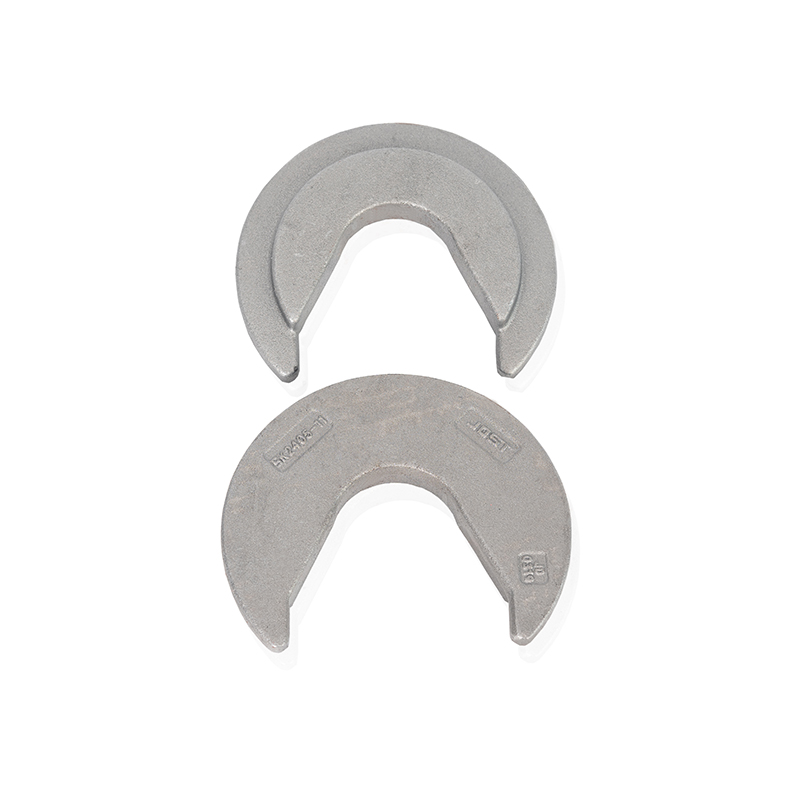
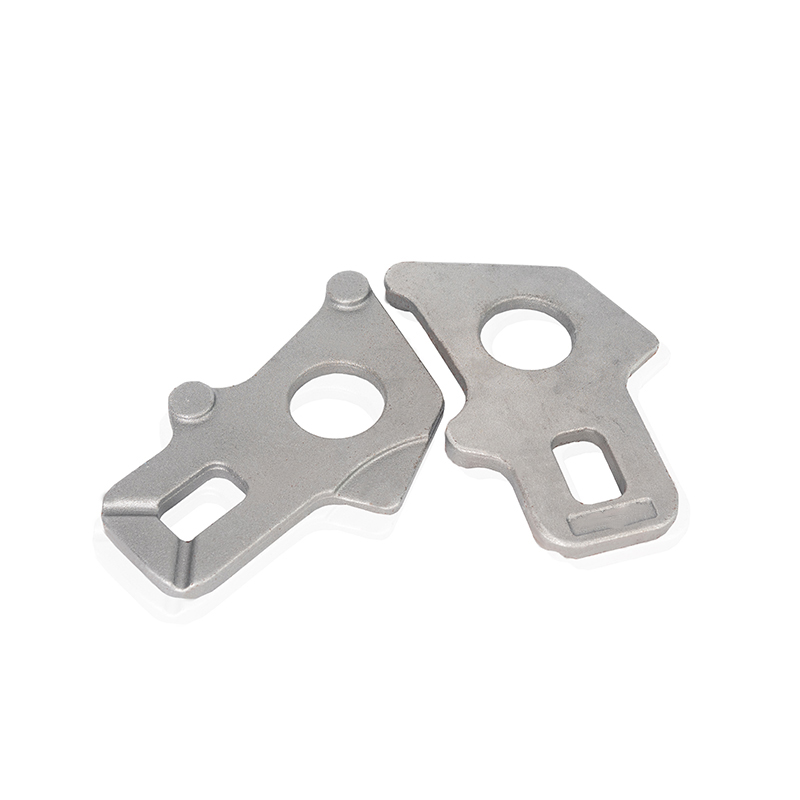
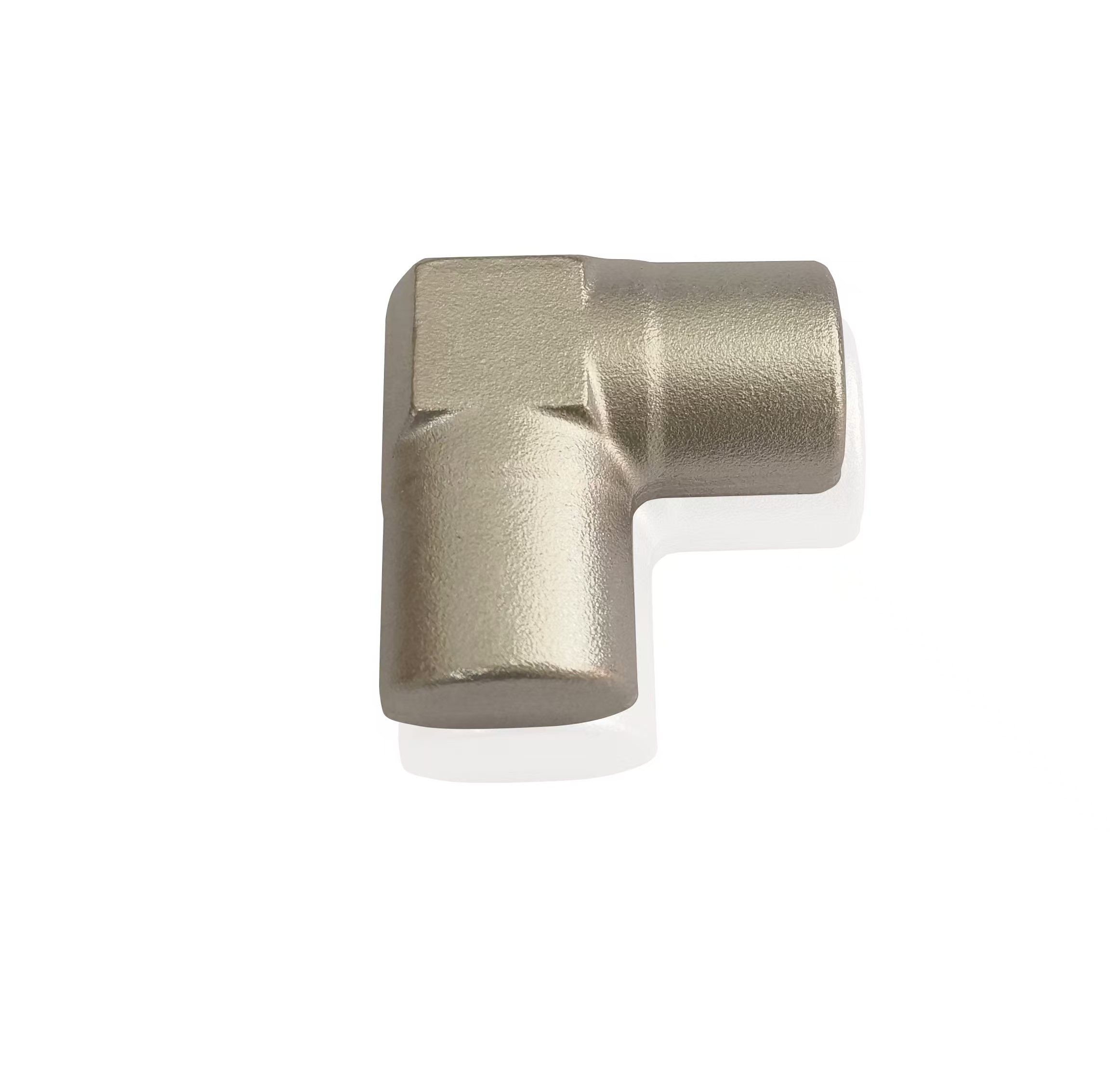

Our products primarily involve the production of forged components for the automotive industry, construction machinery industry, industrial instrumentation industry, and fluid equipment industry. Custom forging parts manufacturers and forged components solution providers in China.
Product links
Contact Us
-
Address:No. 5 Junrong Road, Daitou Town, Liyang City, Jiangsu Province, China
-
Tel:+86-18021979887
 苏公网安备32048102000516