

 EN
EN  English
 中文简体
中文简体
News

Forging Press Machine Guide: Types, Force, Costs, Selection
 2026.03.13
 Industry news
Content
- 1 What a forging press machine does best
- 2 How a forging press machine works
- 3 Types of forging press machine
- 4 Key specifications that determine performance
- 5 How to choose the right forging press machine
- 6 Typical applications and realistic production examples
- 7 Operating costs, maintenance, and efficiency
- 8 Safety and installation points that should not be ignored
- 9 Common buying mistakes
- 10 Final takeaway
What a forging press machine does best
A forging press machine is used to shape heated or cold metal by applying controlled compressive force, and it is usually the right choice when a part needs high strength, repeatable dimensions, and better internal grain flow than cast or fully machined components. In practical factory use, a press is preferred for shafts, flanges, rings, gear blanks, connecting parts, and structural components that must carry heavy loads or resist fatigue.
Compared with impact-based forging equipment, a press applies force more gradually. That slower deformation gives the operator more control over metal flow, improves die filling on many shapes, and often reduces the risk of surface cracking on larger workpieces. For parts with tight process windows, the press route is often easier to standardize across batches.
For most buyers, the main question is not whether a forging press machine can form metal, but whether the machine has the right tonnage, stroke, daylight, speed, die system, and automation level for the intended part family. Choosing these correctly has a direct effect on output, die life, scrap rate, and energy cost per part.
How a forging press machine works
The machine generates force through a mechanical, hydraulic, or servo-hydraulic drive system. A ram moves vertically to compress the billet between open dies or closed impression dies. During this deformation, the metal flows into the required shape while the press frame, guide system, and tooling maintain alignment.
Main process stages
- Cut billet or slug to target volume
- Heat material if hot forging is used
- Transfer material to the die set
- Apply force through one or more preform and finish strokes
- Trim flash, pierce, size, or coin if required
- Cool, inspect, and send parts to heat treatment or machining
In hot forging, steel billets commonly enter the press at roughly 950°C to 1250°C, depending on alloy and process route. At those temperatures, forming loads fall substantially, but scale control, lubrication, transfer time, and die temperature become critical. In cold forging, temperatures are much lower, dimensional accuracy can improve, but required forming loads rise sharply.
Types of forging press machine
The best machine type depends on part geometry, production volume, material grade, and required cycle speed. A mismatch here can lead to slow output, unstable forming, or excessive die maintenance.
| Type | How force is delivered | Best fit | Typical trade-off |
|---|---|---|---|
| Hydraulic press | Full tonnage available through the stroke | Large parts, deep forming, flexible stroke control | Usually slower cycle time |
| Mechanical press | Force rises near bottom of stroke | High-volume production with shorter cycles | Less flexible stroke profile |
| Screw press | Energy-based forming with controlled impact | Precision forging and difficult die filling cases | Energy matching is process-sensitive |
| Servo-hydraulic or hybrid press | Programmable motion and pressure control | Mixed production and process optimization | Higher capital cost |
Open-die and closed-die use
An open-die forging press machine is commonly used for large shafts, blocks, rings, and custom low-volume workpieces. A closed-die press is more suitable for repeat production where the cavity defines the final form. Closed-die work demands tighter billet control and die maintenance, but it usually delivers much better productivity per operator.
Key specifications that determine performance
A forging press machine should not be selected on nominal tonnage alone. Two presses with the same stated force can perform very differently if stroke length, approach speed, frame stiffness, or die space differ.
Most important machine parameters
- Tonnage: the maximum forming force the machine can apply
- Stroke: ram travel, which affects forming window and tooling setup
- Daylight: maximum open distance between ram and bed
- Shut height: minimum working height for die installation
- Ram speed: approach, pressing, and return speeds that influence cycle time
- Bed size and guides: critical for die layout and alignment stability
- Power and energy use: affects operating cost and utility planning
As a rough industrial range, forging press machines can span from a few hundred tons for smaller precision parts to 5,000, 10,000, or even more than 50,000 tons for very large forging applications. The higher end is usually associated with heavy industrial infrastructure, aerospace-grade large forgings, or specialized open-die plants.
How to choose the right forging press machine
The most reliable selection method is to start from the part, not the machine catalog. Material, projected area, deformation ratio, temperature, die complexity, and annual output should define the press specification.
A practical selection checklist
- Define the part family by material, weight, and maximum projected area.
- Estimate required forming force with a safety margin for alloy variation and die wear.
- Check stroke, daylight, and shut height against actual die stack dimensions.
- Match ram speed to heating method, transfer time, and lubrication window.
- Review automation needs such as billet loading, transfer, trimming, and unloading.
- Calculate output per hour and compare it with annual demand, not just peak demand.
- Evaluate foundation load, hydraulic power unit space, cooling water, and electrical capacity.
For example, a plant producing medium carbon steel flanges at several thousand pieces per month may prioritize a mechanical or fast hydraulic system with stable die changeover and trimming integration. A shop making oversized shafts in small batches will often gain more from a slower but more controllable hydraulic forging press machine with generous daylight and handling support.
Typical applications and realistic production examples
The value of a forging press machine is easiest to see in applications where mechanical reliability matters more than low initial shaping cost. Forging usually improves directional grain structure and reduces internal discontinuities compared with many alternative routes.
| Part category | Typical process goal | Why a press is useful |
|---|---|---|
| Shafts and axles | Strength and fatigue resistance | Controlled reduction and good internal consolidation |
| Gear blanks and hubs | Near-net preform before machining | Better repeatability and lower material waste |
| Flanges and rings | Dimensional stability under load | Consistent forming across batch production |
| Structural connectors | High load-bearing reliability | Improved metal flow into critical sections |
A useful production metric is the buy-to-fly or buy-to-finish ratio, meaning how much starting material is required relative to final machined weight. When a forging press machine creates a closer preform, downstream machining can drop significantly. In some part families, even a 10% to 20% reduction in removed material can produce a meaningful annual saving once alloy cost, machine time, and tool wear are included.
Operating costs, maintenance, and efficiency
The purchase price is only part of the economic picture. A forging press machine should be evaluated over years of die use, energy consumption, spare parts, lubrication, hydraulic fluid management, and unplanned downtime.
Main cost drivers
- Electrical load and peak demand charges
- Die wear, repair frequency, and die steel consumption
- Billet heating efficiency and scale loss
- Lubrication usage and cleanup
- Hydraulic seals, pumps, valves, and filtration condition
- Downtime caused by guide wear or alignment drift
Maintenance discipline directly affects part quality. Small guide clearance changes can reduce die alignment, and poor hydraulic oil cleanliness can shorten valve and pump life. Plants that track oil contamination, ram parallelism, die temperature, and cycle stability usually see lower scrap rates than plants that only react after failures occur.
Safety and installation points that should not be ignored
A forging press machine combines very high force, heated metal, moving tooling, and often automated transfer. Safe installation is therefore a production issue, not just a compliance issue. Poor guarding or weak material flow planning can reduce uptime as much as it increases risk.
Critical safeguards
- Physical guarding around ram travel and transfer areas
- Interlocked access doors and emergency stop circuits
- Die clamping verification before production starts
- Temperature-safe handling tools for hot billets and forged parts
- Foundation and anchoring checks for vibration and load transfer
Before installation, confirm floor loading, pit requirements, ceiling clearance, electrical service, cooling water, compressed air, and exhaust layout. A large forging press machine can create expensive delays if the building interface is treated as an afterthought.
Common buying mistakes
Many costly mistakes come from focusing on peak force alone. The press may have enough tonnage on paper but still fail to deliver stable production if the cycle is too slow, the die space is too small, or material handling is poorly integrated.
- Choosing tonnage without verifying projected area and actual forming sequence
- Ignoring die change time in total equipment effectiveness calculations
- Underestimating utility demand and foundation cost
- Buying a flexible machine for a job that really needs speed and automation
- Buying a fast machine for a job that really needs long stroke control
Final takeaway
The best forging press machine is the one that matches the real forming load, die envelope, cycle target, and handling method of the parts you plan to produce. In most cases, that means evaluating tonnage together with stroke, speed, daylight, automation, and operating cost rather than treating force capacity as the only decision point.
If the goal is strong, repeatable forged parts with scalable production, a well-matched press can reduce scrap, improve dimensional consistency, and lower downstream machining effort. If the machine is oversized, underspecified, or badly integrated, those same benefits are much harder to achieve.
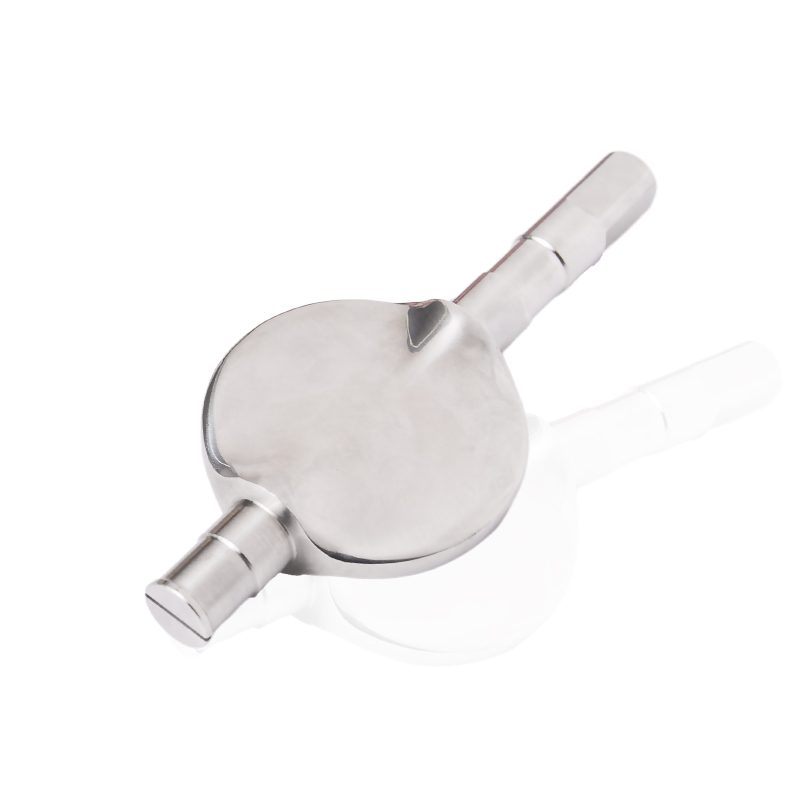
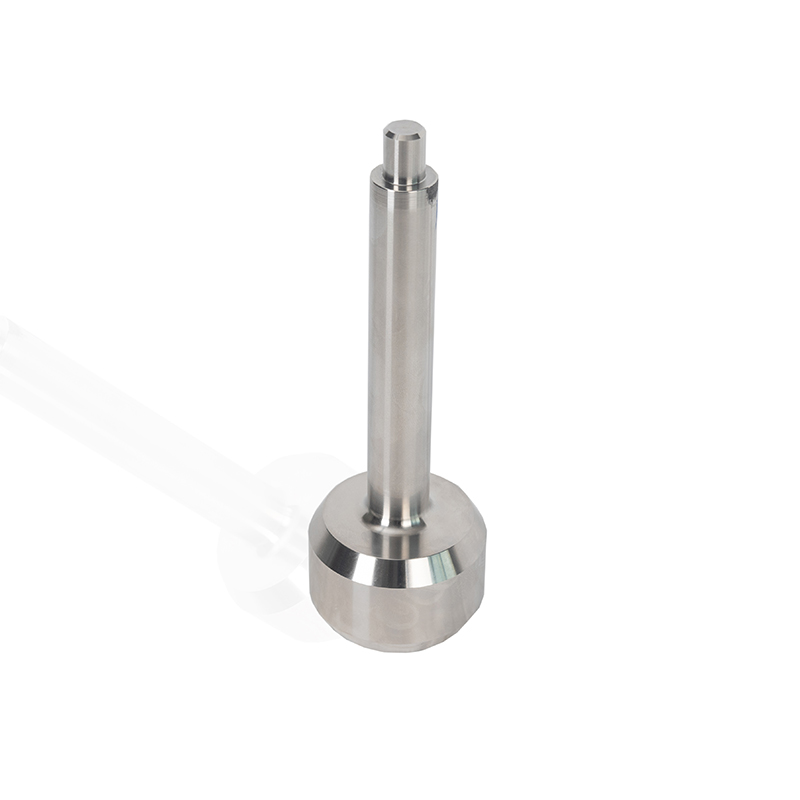
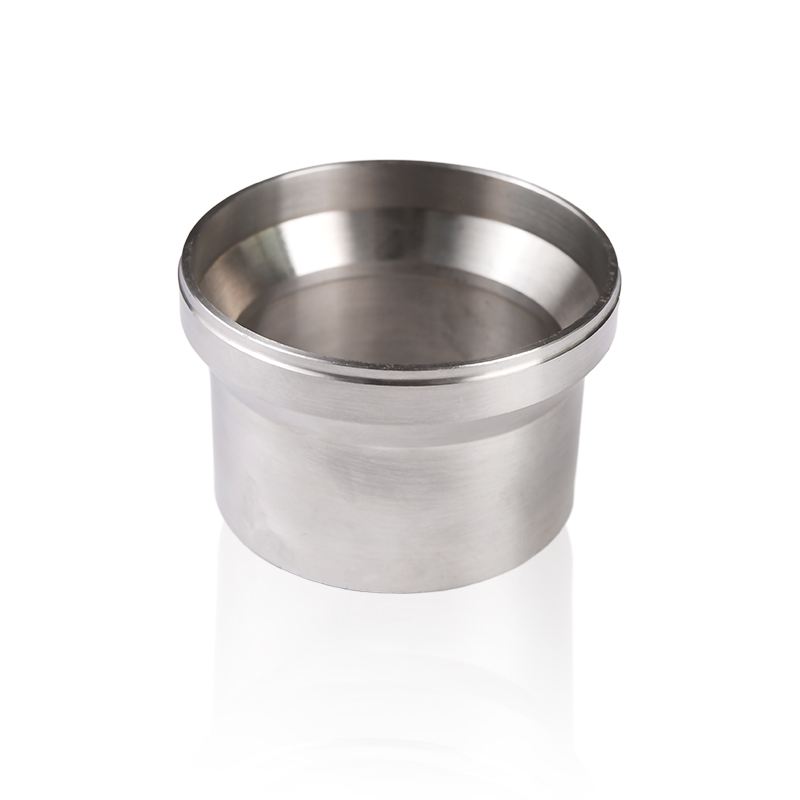
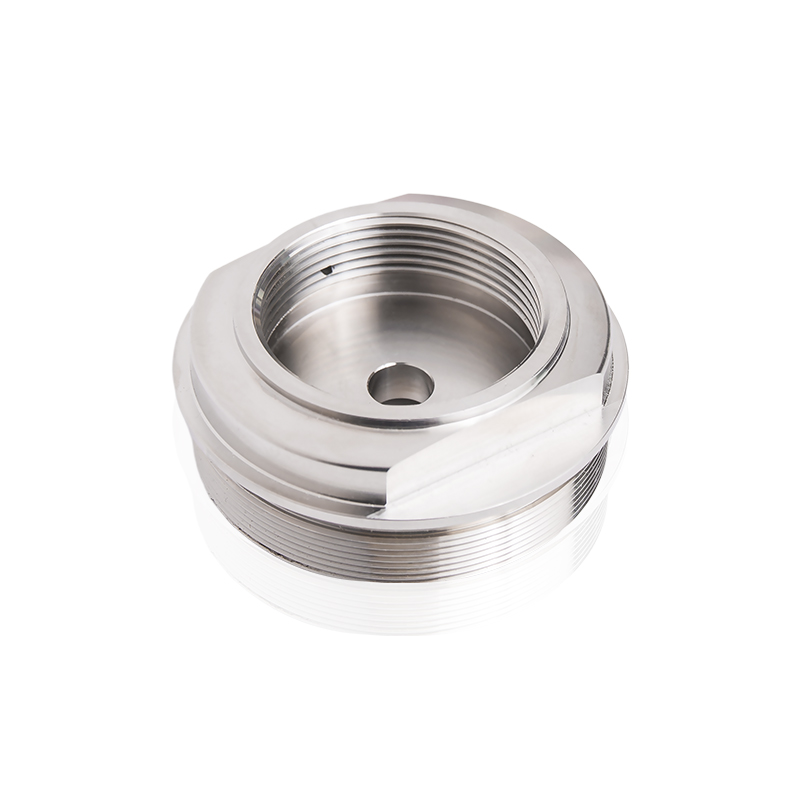
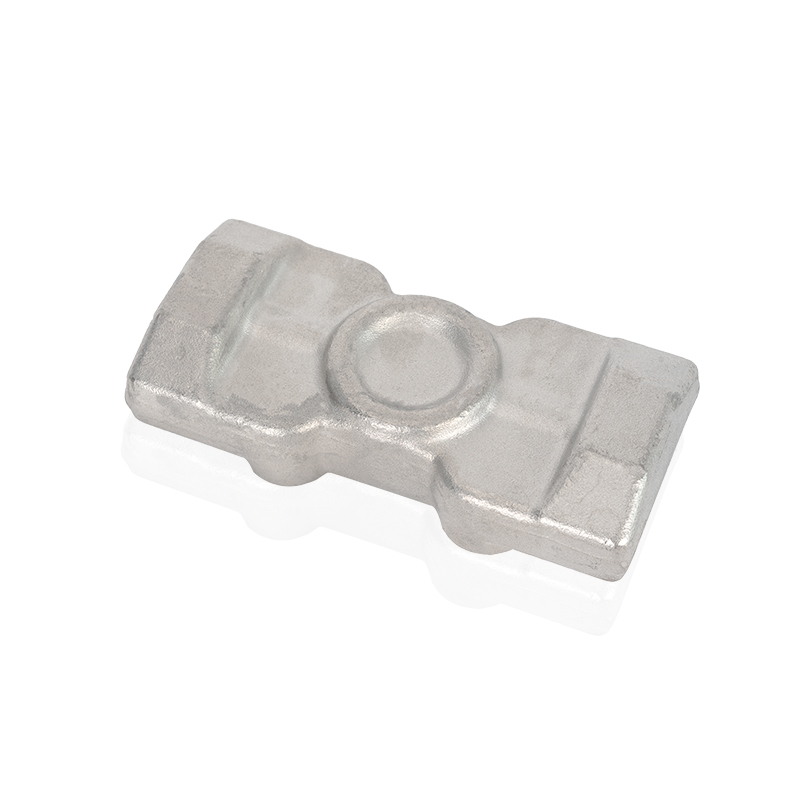
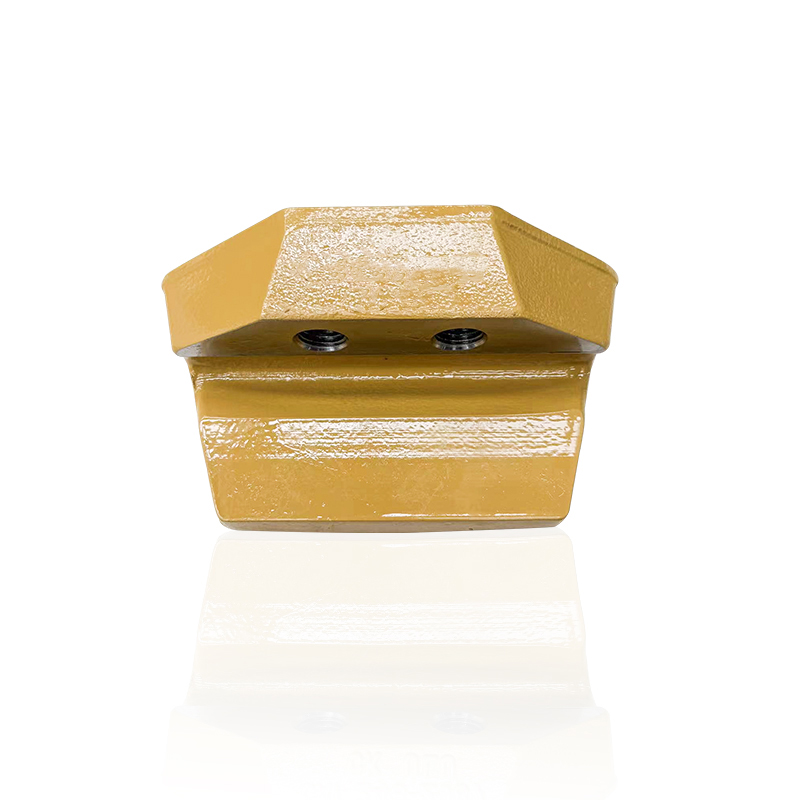
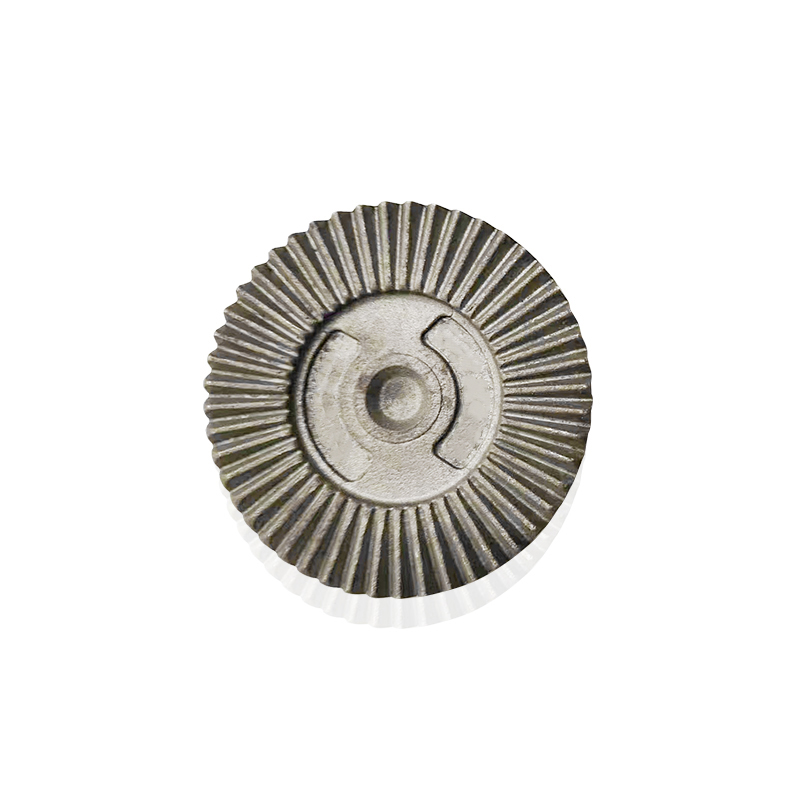
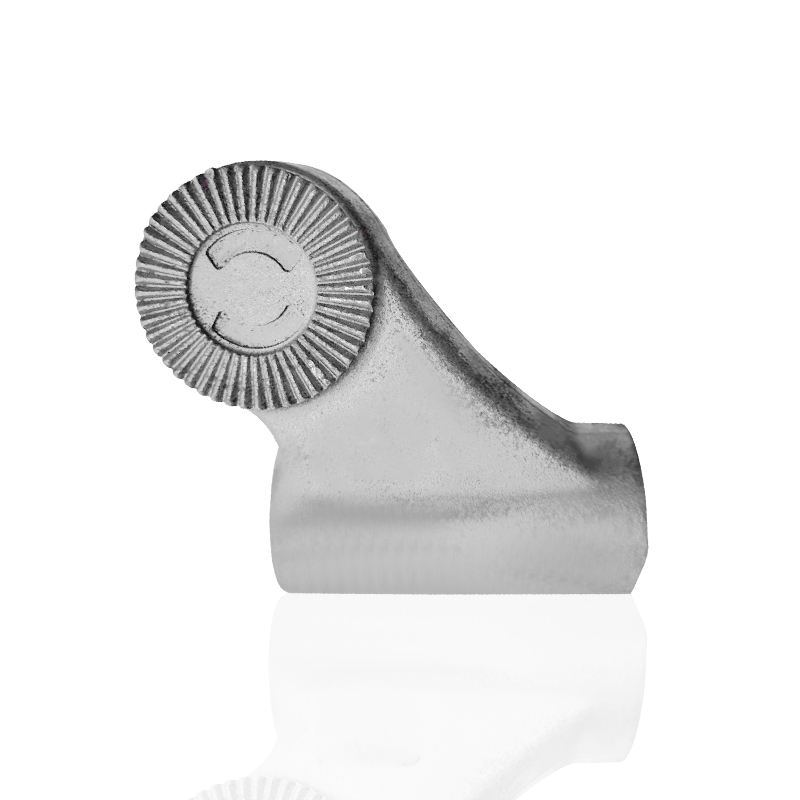
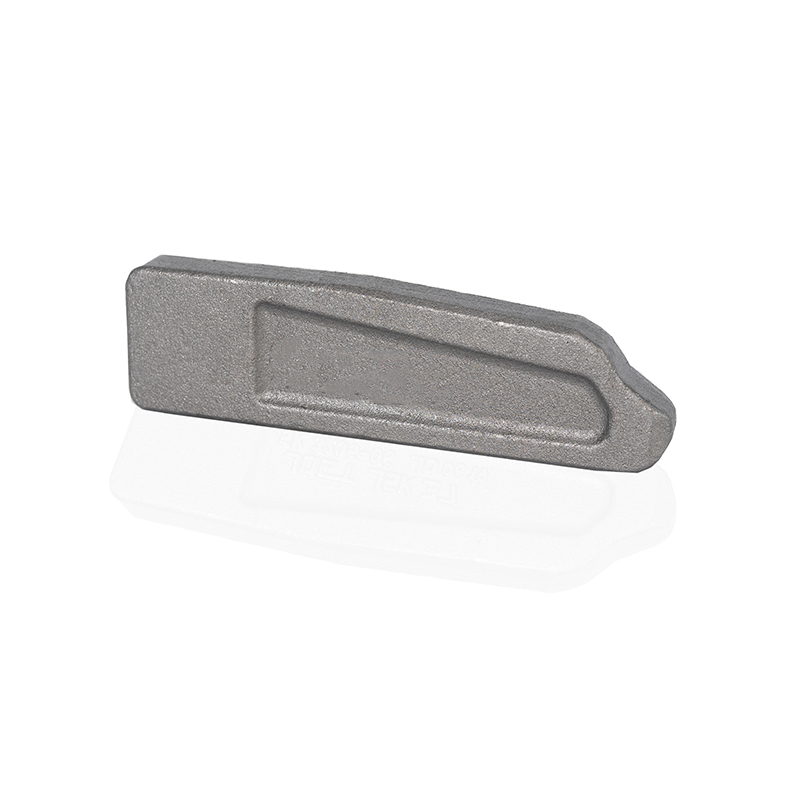
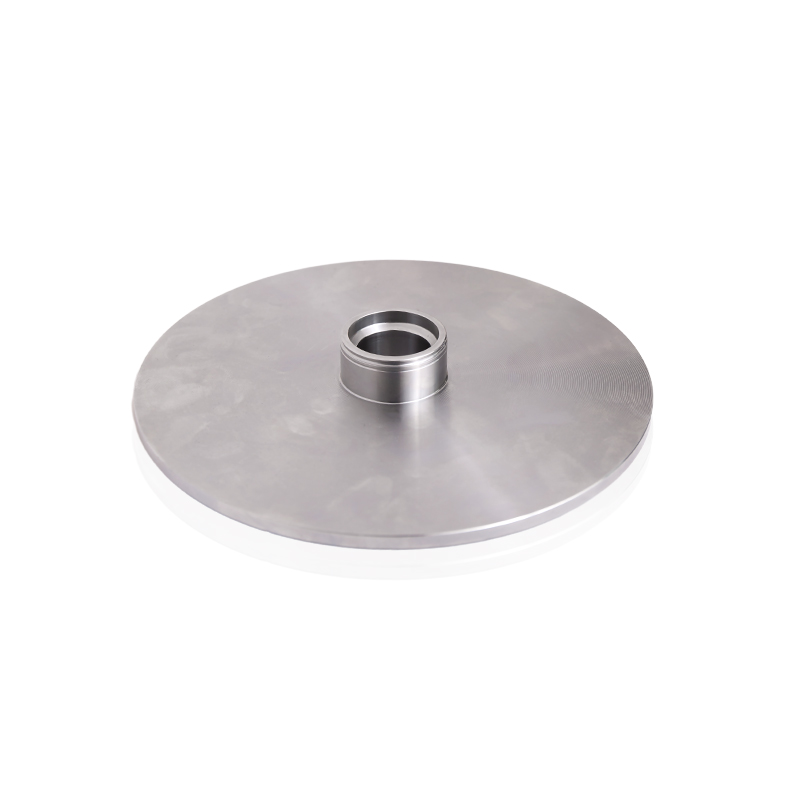
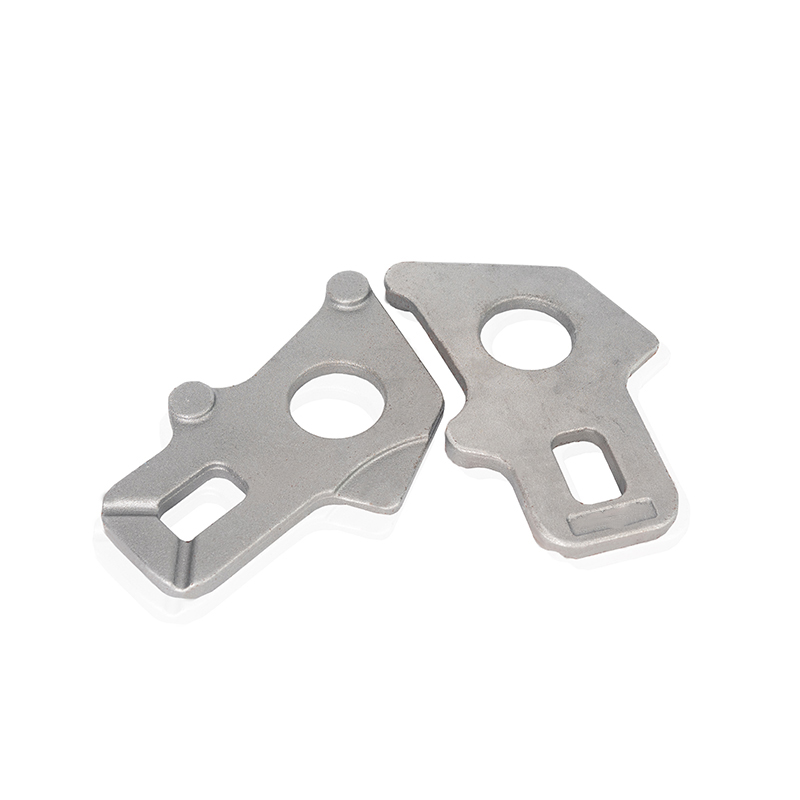
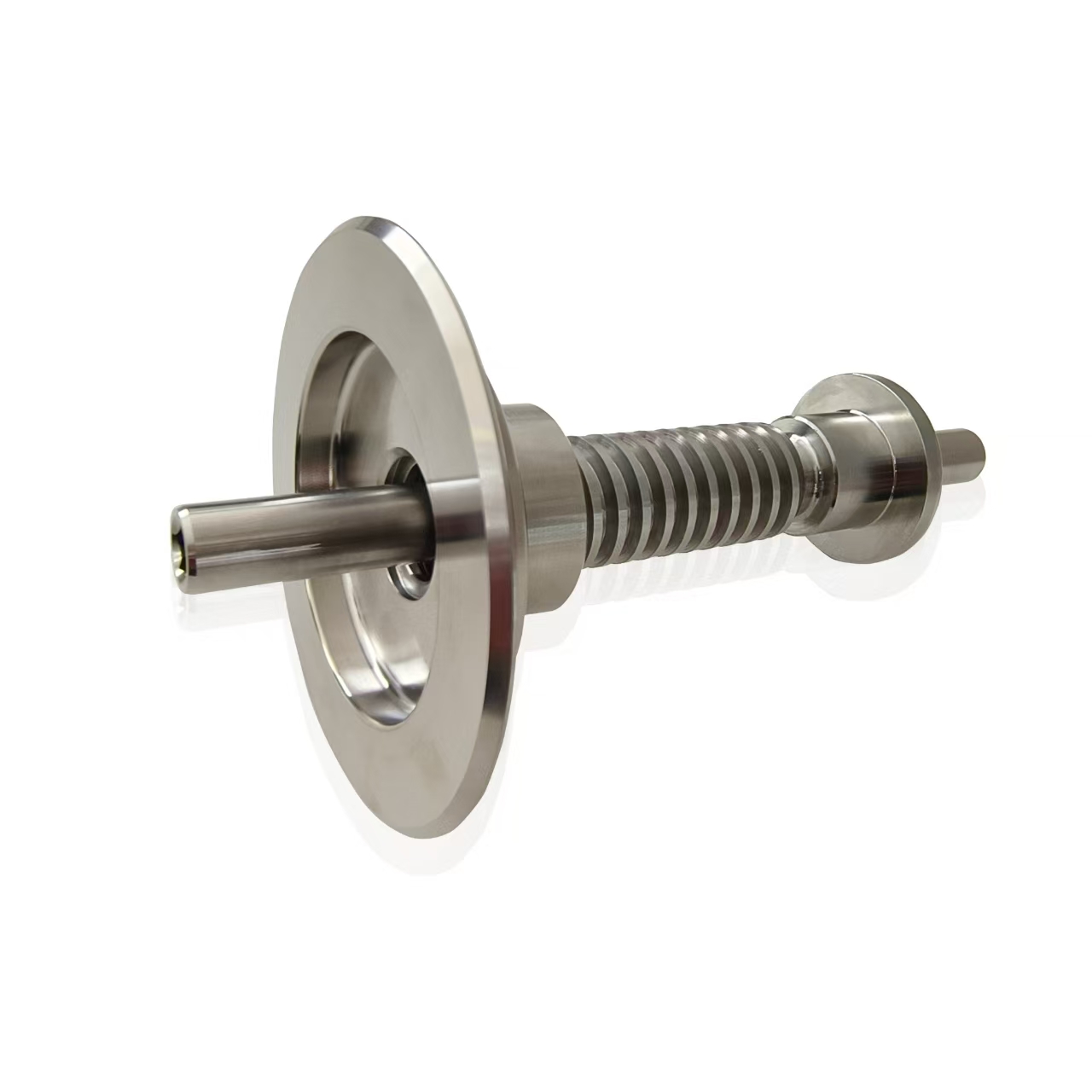

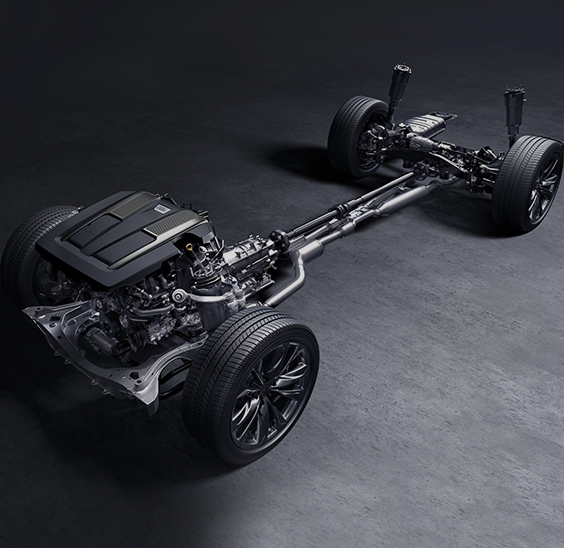
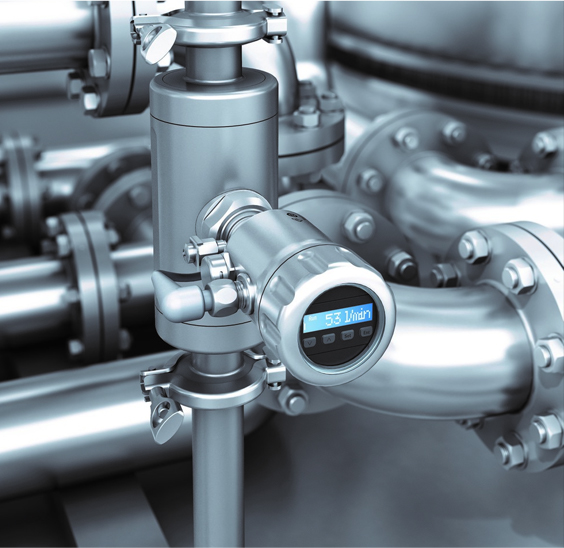
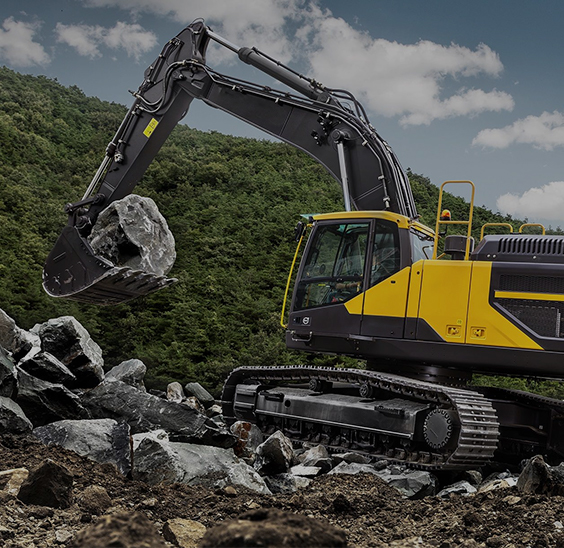
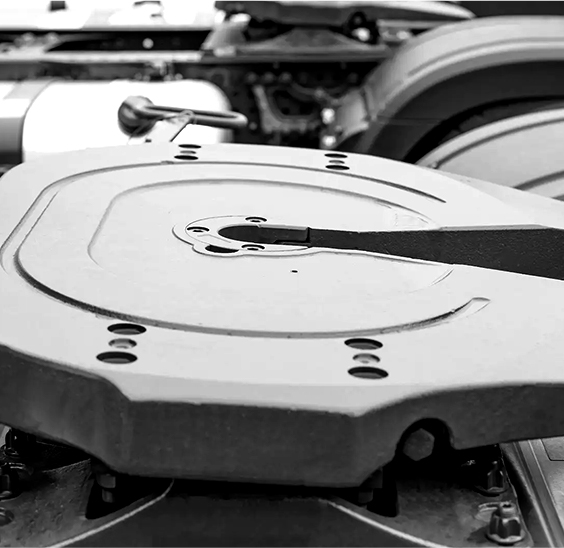
Our products primarily involve the production of forged components for the automotive industry, construction machinery industry, industrial instrumentation industry, and fluid equipment industry. Custom forging parts manufacturers and forged components solution providers in China.
Product links
Contact Us
-
Address:No. 5 Junrong Road, Daitou Town, Liyang City, Jiangsu Province, China
-
Tel:+86-18021979887
 苏公网安备32048102000516