

 EN
EN  English
 中文简体
中文简体




News

Forging Check Meaning: Signs, Penalties, and What to Do Next
 2026.02.28
 Industry news
Content
- 1 Forging check meaning (clear answer)
- 2 Common ways checks get forged
- 3 How to spot a forged or altered check
- 4 What the law usually considers “forgery” vs “fraud” (plain-language)
- 5 Penalties and consequences (what really happens)
- 6 What to do if a forged check hits your account
- 7 How to reduce your risk going forward
- 8 Quick recap
Forging check meaning (clear answer)
Forging a check means writing, altering, or signing a check without the authorized account holder’s permission to obtain money or property. In practice, it can include signing someone else’s name, changing the payee, editing the amount, or creating a fake check that appears to come from a real account.
The key element is unauthorized intent: the check is used (or prepared for use) to make a bank or recipient believe it is valid when it is not.
Common ways checks get forged
“Forging” isn’t one single method. Below are the most common scenarios banks and investigators see, with concrete examples of how they happen.
- Signature forgery: Someone signs the account holder’s name on a real check.
- Alteration: A legitimate check is edited after issuance (for example, $120 becomes $1,120).
- Payee manipulation: The payee line is changed (for example, “John Smith” becomes “J. Smith LLC”).
- Counterfeit checks: A fake check is printed using stolen bank/account details.
- Washed checks: Ink is chemically removed so new details can be written in.
Practical takeaway: if the account holder did not authorize the signature or the final terms (amount/payee/date), it may be treated as a forged or altered item.
How to spot a forged or altered check
Many forged checks are caught because the check details don’t match normal account behavior or the physical check shows red flags.
Behavior and account-level red flags
- A check clears for a payee you don’t recognize (for example, an unfamiliar “LLC” or out-of-state address).
- The amount is unusual compared to your normal check history (sudden jump from typical $50–$200 checks to $2,000+).
- Checks clear out of sequence (a much higher or lower check number than your current checkbook).
- Multiple small checks clear quickly to different payees (a common pattern to avoid scrutiny).
Physical document red flags
- Different handwriting styles on the same check (payee looks like one person wrote it; amount looks like another).
- Smudges, discoloration, or “thin” paper that suggests washing or re-printing.
- Misaligned printing, fuzzy logos, or incorrect bank formatting (common in counterfeit checks).
- Edits around the numeric amount box or the written amount line.
If you’re unsure, request an image of the cleared check from your bank and compare it against your known signature and writing patterns.
What the law usually considers “forgery” vs “fraud” (plain-language)
People often mix the terms, but they’re related. Forgery typically focuses on the document itself (the check is fake or unauthorized). Fraud is broader and focuses on deception used to get value. In many real cases, forged checks lead to both forgery and fraud-related charges.
| Term | Focus | Typical check example |
|---|---|---|
| Forgery | Unauthorized creation/alteration/signature | Someone signs your name on your check |
| Check fraud | Scheme to obtain money through deception | Depositing a counterfeit check to withdraw cash |
| Alteration | Changing a real check’s terms | Changing $85 to $885 |
Bottom line: the “forging check meaning” centers on unauthorized signing or modification, even if the broader case is prosecuted as fraud.
Penalties and consequences (what really happens)
Penalties vary by jurisdiction and by the check amount, intent, and whether there’s a pattern. Still, the consequences usually fall into a predictable set of buckets.
- Criminal exposure: Charges can range from misdemeanor to felony depending on dollar value and repeat behavior.
- Restitution: Courts often order repayment of losses, plus fees.
- Banking restrictions: Accounts may be closed; a person may be flagged by fraud-monitoring systems.
- Civil liability: Victims can sue for damages in some situations, especially with provable losses.
If you’re a victim, the “consequence” you care about most is usually recovery: many banks have established dispute workflows, but speed and documentation materially improve the odds of a clean resolution.
What to do if a forged check hits your account
If you discover a forged or altered check, act like it’s time-sensitive—because it is. The best outcomes happen when disputes are filed quickly and the paper trail is clean.
- Contact your bank immediately and report the check as forged/altered.
- Request an image of the cleared check and note the check number, amount, date, and payee exactly as processed.
- Ask the bank to place appropriate protections (for example, stop payments on remaining checks, new account number, or check blocks).
- File a police report if the bank requests it or if the loss is significant; keep the report number for your claim file.
- Document everything: names, dates, case numbers, and copies/screenshots of transactions.
Practical tip: if multiple checks are missing, treat it as compromised check stock and ask about closing and reopening the account rather than chasing individual stop payments.
How to reduce your risk going forward
Check forgery is harder when there’s less usable information on the paper and less time for fraud to go unnoticed.
- Enable bank alerts for checks clearing over a threshold (for example, any check over $100).
- Avoid leaving outgoing mail in an unsecured mailbox; deposit checks directly at the post office or inside the post office lobby.
- Use gel ink when writing checks; it resists some “washing” methods better than thin ballpoint ink.
- Reconcile your account weekly so suspicious items are found fast, not months later.
- Consider limiting check usage for routine payments and use electronic bill pay where possible.
The most effective protection is time: the sooner you detect a forged check, the easier it is to reverse and contain.
Quick recap
Forging check meaning: using a check with an unauthorized signature or altered terms to obtain money or value. If it happens to you, report it immediately, secure the account, and keep a complete record of your dispute steps.

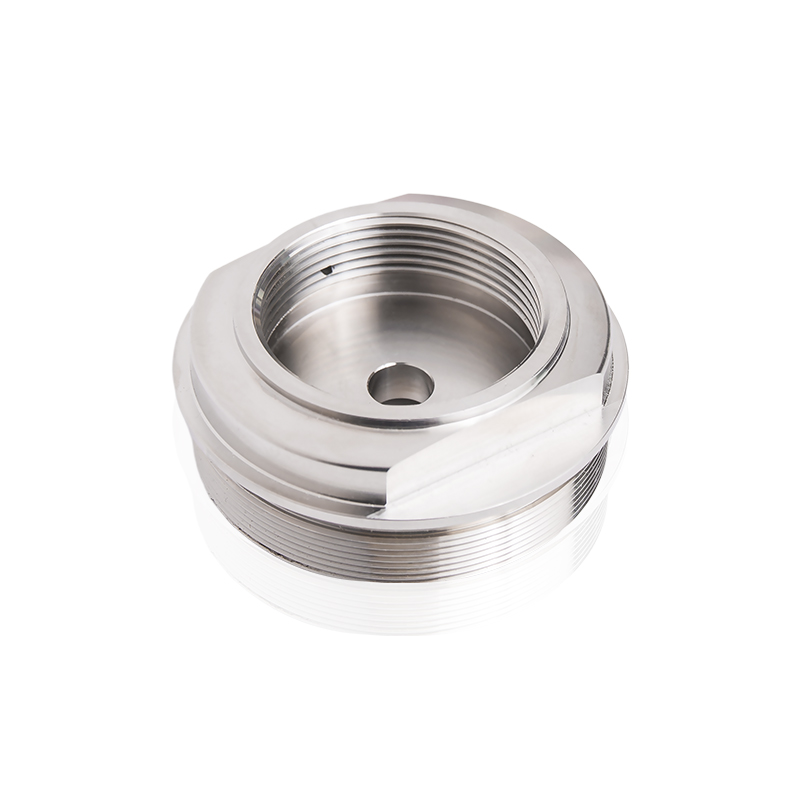
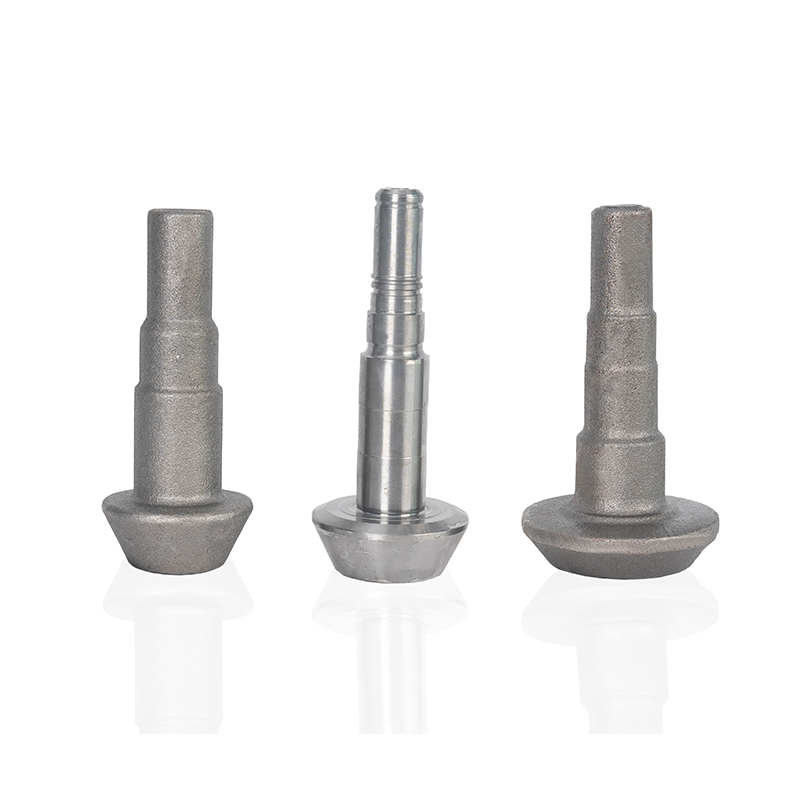
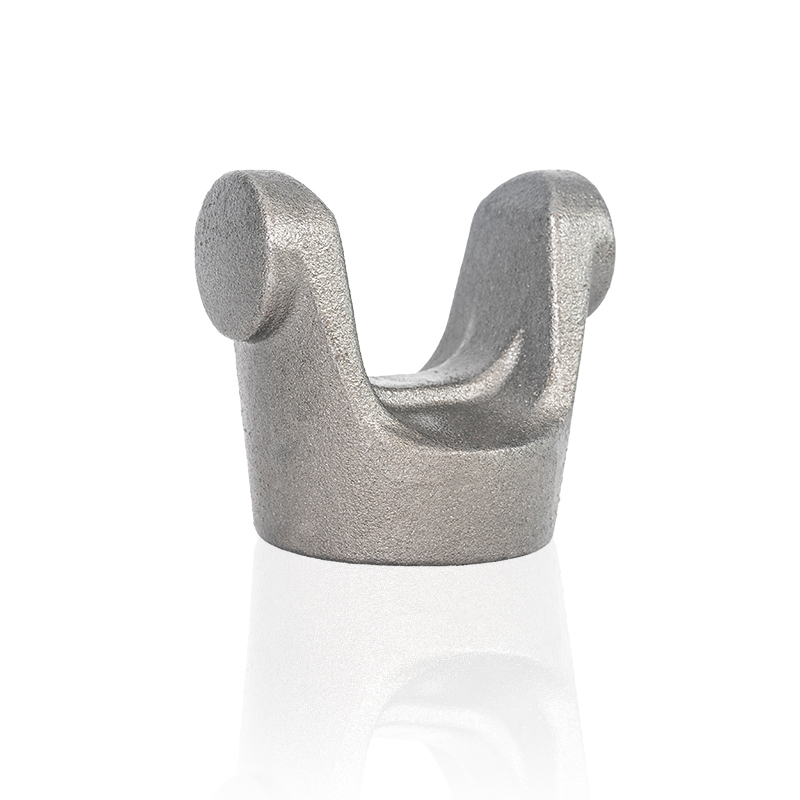
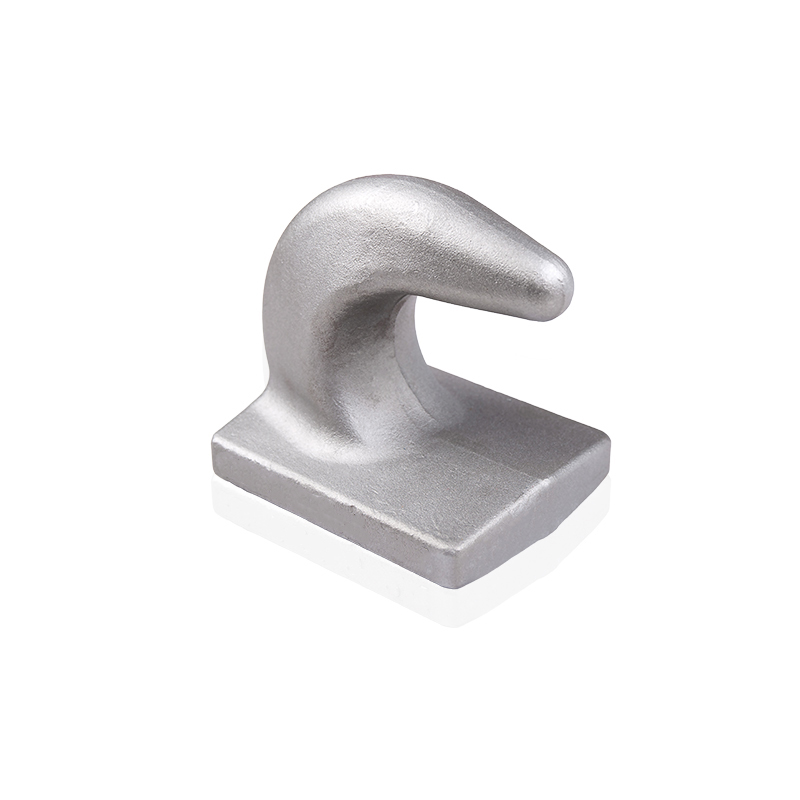
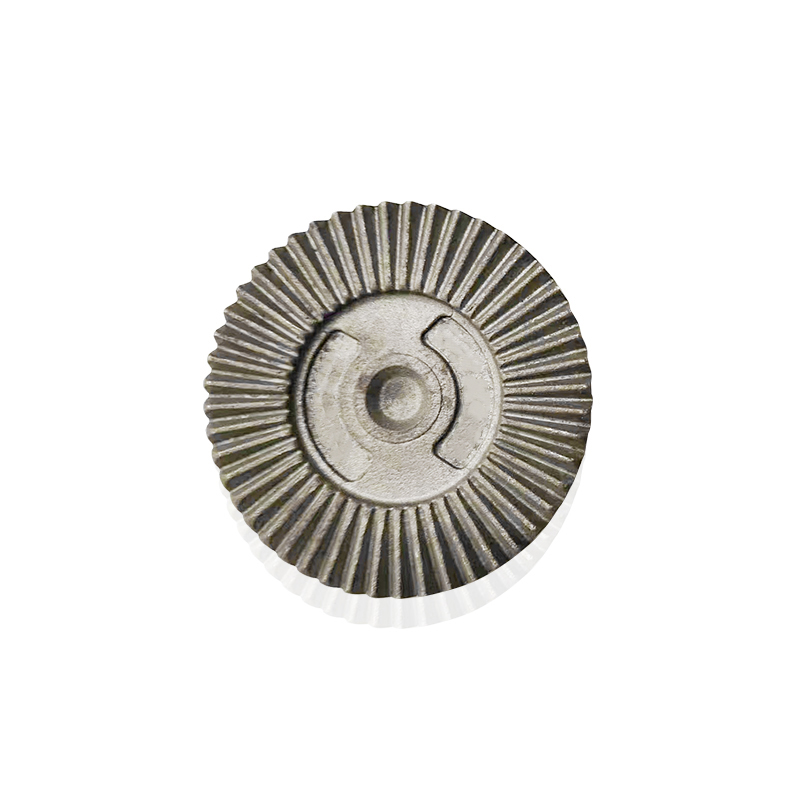
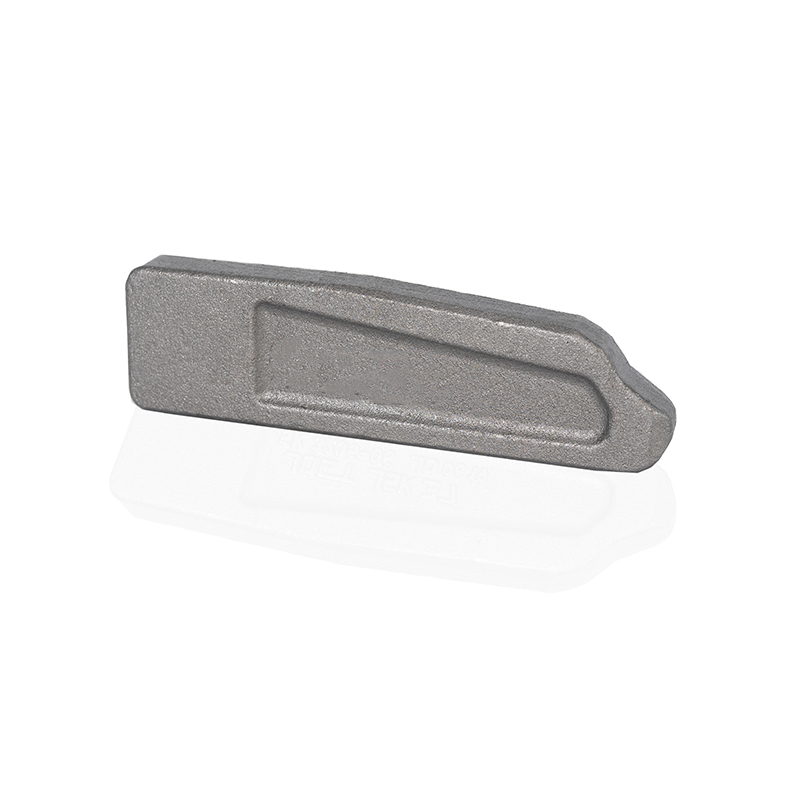
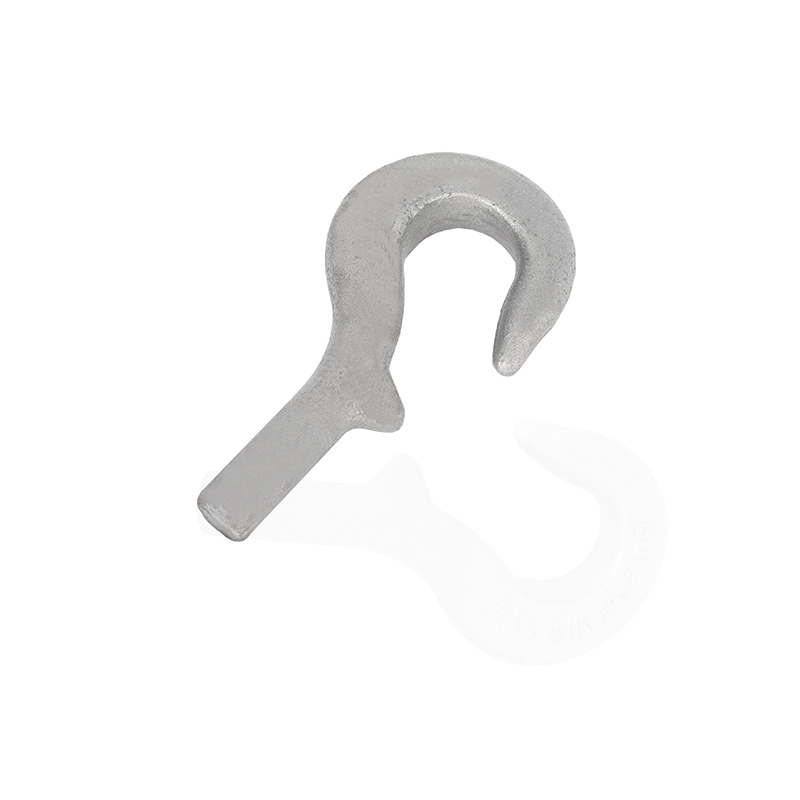
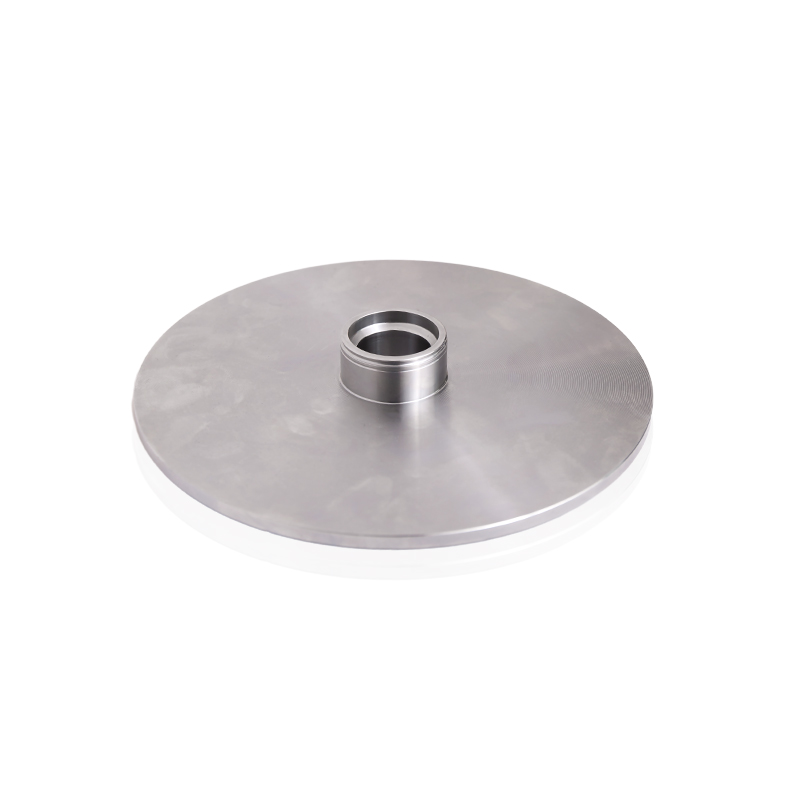
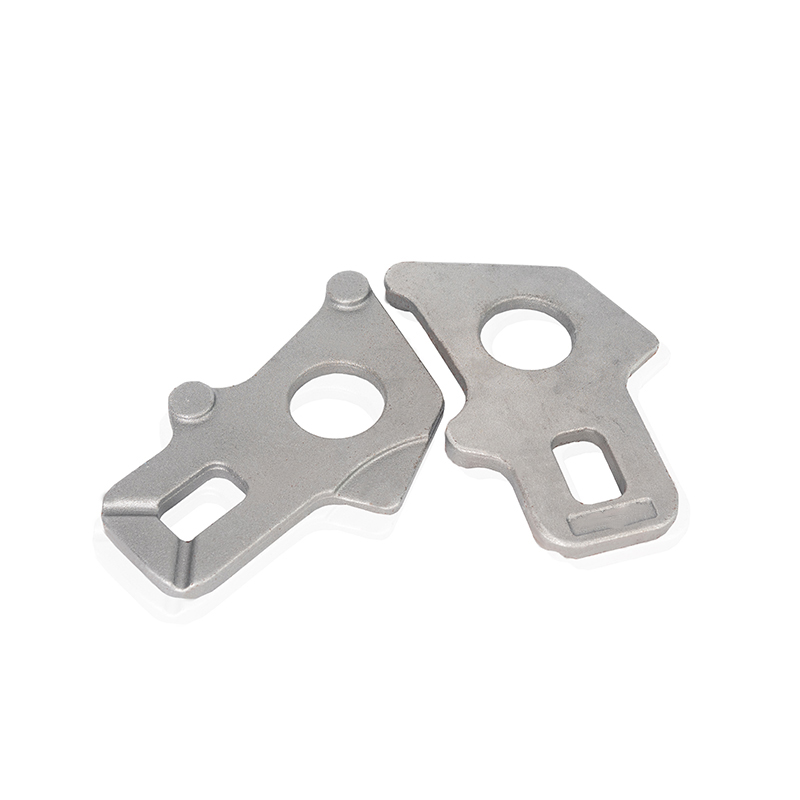
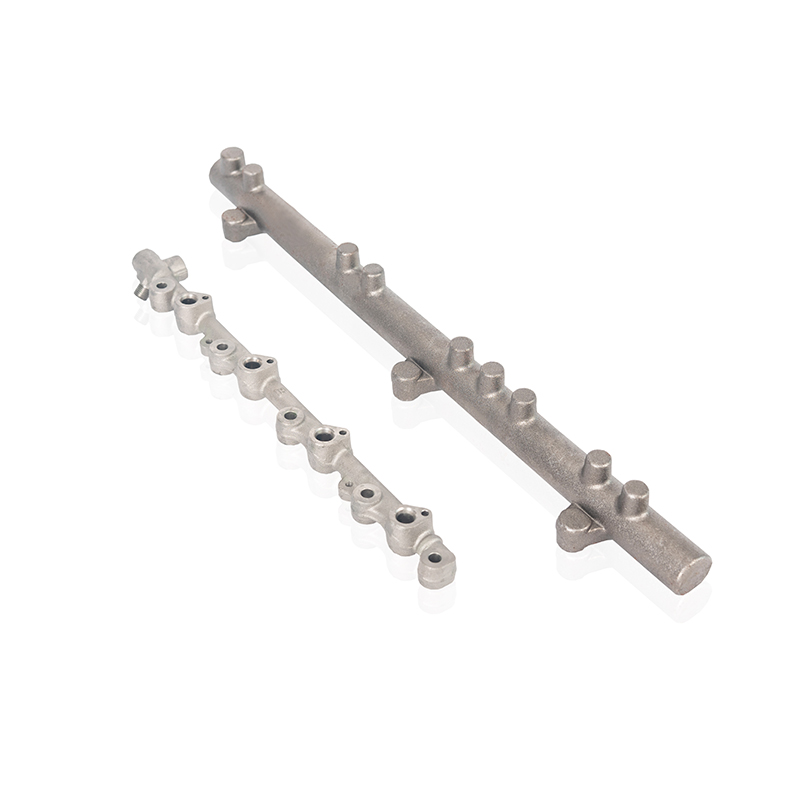


Our products primarily involve the production of forged components for the automotive industry, construction machinery industry, industrial instrumentation industry, and fluid equipment industry. Custom forging parts manufacturers and forged components solution providers in China.
Product links
Contact Us
-
Address:No. 5 Junrong Road, Daitou Town, Liyang City, Jiangsu Province, China
-
Tel:+86-18021979887
 苏公网安备32048102000516