

 EN
EN  English
 中文简体
中文简体


News

Tool Steel Forging: Grades, Methods, and Process Parameters
 2026.03.06
 Industry news
Content
- 1 Why Forge Tool Steel at All?
- 2 Common Tool Steel Grades and Their Forging Characteristics
- 3 Forging Methods Used for Tool Steel
- 4 Critical Process Parameters to Control
- 5 Annealing After Forging
- 6 Common Defects in Tool Steel Forgings and How to Avoid Them
- 7 Tool Steel Forging vs. Powder Metallurgy: Knowing When to Choose Each
- 8 Sourcing and Quality Verification
Tool steel forging is the process of shaping tool steel alloys under high compressive force—typically between 1,900°F and 2,200°F (1,040°C–1,200°C)—to produce dies, punches, cutting tools, and structural components with superior mechanical properties. Compared to machined or cast alternatives, forged tool steel parts offer significantly higher toughness, fatigue resistance, and dimensional consistency, making forging the preferred manufacturing route for high-stress tooling applications.
Whether you're sourcing blanks for a cold-work die or selecting a forging method for a hot-work punch, understanding how the process interacts with specific tool steel grades is essential for getting the performance you need.
Why Forge Tool Steel at All?
Tool steels can be machined from bar stock or produced by powder metallurgy, so the choice to forge is deliberate—driven by performance requirements that other methods can't fully meet.
Forging breaks up and redistributes carbide networks that form during solidification. In high-alloy tool steels such as D2 or M2, as-cast carbide banding can reduce transverse toughness by 30–50% compared to a properly forged and worked billet. The mechanical working also closes internal porosity, aligns grain flow with the part geometry, and produces a refined grain structure that responds more predictably to heat treatment.
In practical terms, a forged H13 die insert will typically outlast a machined equivalent by a factor of 1.5–3× in high-pressure die casting applications, depending on the severity of thermal cycling.
Common Tool Steel Grades and Their Forging Characteristics
Not all tool steels forge the same way. Alloy content, carbon level, and carbide type all affect forgeability and the required process window.
| Grade | AISI Class | Forging Temp Range | Forgeability | Typical Application |
|---|---|---|---|---|
| A2 | Air-hardening cold work | 1,950–2,050°F (1,065–1,120°C) | Good | Blanking dies, shear blades |
| D2 | High-carbon, high-chromium cold work | 1,850–1,950°F (1,010–1,065°C) | Fair (heavy reductions needed) | Drawing dies, forming rolls |
| H13 | Hot work | 2,000–2,100°F (1,095–1,150°C) | Excellent | Die casting dies, extrusion tooling |
| M2 | Molybdenum high speed | 1,975–2,075°F (1,080–1,135°C) | Fair (narrow window) | Drills, taps, end mills |
| S7 | Shock-resisting | 1,900–2,000°F (1,040–1,095°C) | Very good | Chisels, punches, jackhammer bits |
| O1 | Oil-hardening cold work | 1,850–1,950°F (1,010–1,065°C) | Good | Gauges, taps, woodworking tools |
D2, with its ~12% chromium and 1.5% carbon content, is among the most difficult tool steels to forge. The high volume of chromium carbides requires heavy, controlled reductions to break up the eutectic carbide network. Forging D2 below 1,850°F risks cracking; above 1,975°F risks incipient melting at carbide boundaries.
Forging Methods Used for Tool Steel
The choice of forging method affects grain flow, surface finish, tolerances, and the amount of post-forge machining required.
Open-Die (Smith) Forging
Open-die forging uses flat or simple-shaped dies to work a heated billet through a series of incremental compressions. It's the most flexible method and the standard approach for producing tool steel blanks, large die blocks, and custom shapes that will be finish-machined.
- Suitable for billets from a few pounds up to several tons
- Allows full control over reduction ratio and working direction
- Minimum reduction ratio of 4:1 typically required for adequate carbide breakdown in high-alloy grades
- Used by most specialty steel producers for standard round, square, and flat bar production
Closed-Die (Impression-Die) Forging
In closed-die forging, heated stock is pressed between matched die halves that contain a cavity matching the finished part shape. This method produces near-net-shape forgings with controlled grain flow and tight dimensional tolerances—typically ±0.010 to ±0.030 inch on critical dimensions.
Closed-die forging is used for punches, inserts, and smaller tool components where the volume justifies tooling investment. For tool steels, the die life itself becomes a concern—H13 impression dies are commonly used to forge other tool steel grades at elevated temperatures.
Rotary (Ring) Rolling and Radial Forging
For cylindrical components such as rings, bushings, or round bar, rotary forging methods provide continuous circumferential grain refinement. Radial forging presses a round billet simultaneously from multiple directions, producing very uniform microstructures in round or hexagonal bar. This method is widely used for producing high-speed steel (HSS) round bar for cutting tool blanks.
Isothermal Forging
Isothermal forging heats both the workpiece and the dies to the same temperature, eliminating the temperature drop that causes surface chilling and cracking in difficult-to-forge alloys. It's less common for tool steels due to equipment cost, but used for aerospace-grade HSS and powder metallurgy tool steels that have extremely narrow hot-working windows.
Critical Process Parameters to Control
Getting the metallurgy right during tool steel forging requires tight control of several interdependent variables.
Preheat and Soak Temperature
Tool steels must be heated slowly and uniformly to avoid thermal shock. A typical preheat protocol for a large H13 block:
- Heat to 1,200°F (650°C) and hold until temperature equalizes through the cross-section
- Ramp to forging temperature at ≤200°F/hour (110°C/hour)
- Soak at forging temperature for a minimum of 1 hour per inch of thickness
Rushing the soak leads to a cold core, which produces uneven deformation and can initiate internal cracks during pressing.
Finish Forging Temperature
Work must be completed above the minimum finish temperature to avoid strain-hardening the steel in a brittle condition. For most tool steels, forging should not continue below 1,750°F (955°C). If the piece drops below this threshold, it should be returned to the furnace rather than forced through additional reductions.
Reduction Ratio
Reduction ratio (starting cross-section ÷ finished cross-section) drives carbide breakdown and grain refinement. Industry standards for tool steel forgings typically require:
- Minimum 3:1 for shock-resisting and water-hardening grades (S7, W1)
- Minimum 4:1 to 6:1 for cold-work grades (A2, D2)
- Minimum 6:1 or greater for high-speed steels (M2, T1) to adequately break eutectic carbide networks
Cooling After Forging
Tool steels must be cooled slowly after forging to prevent cracking from transformation stresses. Common practice is to bury the forging in dry sand, vermiculite, or insulating lime, or to place it directly into a furnace at 1,100–1,200°F (595–650°C) for a slow, controlled cool to ambient. Air cooling is acceptable only for the most forgiving grades like S7 in small cross-sections.
Annealing After Forging
Forging work-hardens tool steel and locks in residual stresses. Before any machining or heat treatment, forged tool steel blanks must be annealed to:
- Soften the steel to machinable hardness (typically HB 180–250 depending on grade)
- Relieve residual forging stresses
- Produce a uniform spheroidized carbide microstructure for optimal heat treatment response
A full spheroidizing anneal for D2 tool steel, for example, involves holding at 1,600°F (870°C) for 2–4 hours, then slow furnace cooling at ≤25°F/hour (14°C/hour) to below 1,000°F (540°C). Skipping or shortening this step often leads to grinding cracks or distortion during hardening.
Common Defects in Tool Steel Forgings and How to Avoid Them
| Defect | Cause | Prevention |
|---|---|---|
| Surface cracking | Forging below minimum temperature; excessive reduction per pass | Reheat before temperature drops below finish forging limit; limit single-pass reduction to 20–30% |
| Internal burst / rupture | Cold core from insufficient soak; excessive reduction rate | Full soak at temperature before pressing; apply reductions gradually |
| Carbide banding (streaking) | Insufficient reduction ratio; unidirectional working | Achieve minimum reduction ratios; work in multiple directions |
| Overheating / burning | Exceeding maximum forging temperature; excessive furnace time | Calibrated furnace controls; limit time at maximum temp; use thermocouples in the load |
| Post-forge cracking | Too-rapid cooling after forging | Insulate or furnace cool immediately after forging is complete |
Tool Steel Forging vs. Powder Metallurgy: Knowing When to Choose Each
Powder metallurgy (PM) tool steels, produced by atomizing and sintering alloy powders, offer extremely uniform carbide distribution that forging alone cannot achieve in high-alloy grades. PM grades like CPM 3V, CPM M4, or Vanadis 4 Extra have become popular alternatives to conventionally forged D2 or M2 for demanding applications.
However, forging still holds clear advantages in several scenarios:
- Cost: Conventionally forged tool steel bar is typically 30–60% less expensive than equivalent PM grades
- Large cross-sections: PM bar availability is limited in heavy sections; forged tool steel blocks are routinely produced in sizes exceeding 24 inches
- Custom shapes: Open-die forging can produce near-net-shape preforms that reduce material waste in large die blocks
- Proven performance: Forged H13, A2, and S7 have decades of field performance data across virtually every tooling application
PM is the better choice when toughness in all directions is critical, vanadium content exceeds ~3–4% (making conventional forging impractical), or when the application demands the absolute finest carbide structure. For most workhorse tooling, properly forged conventional tool steel remains the most cost-effective solution.
Sourcing and Quality Verification
When purchasing forged tool steel, key quality assurance practices include:
- Mill certifications: Request chemical analysis (heat cert) and, where available, mechanical test results (tensile, impact) from the forging heat
- Ultrasonic testing (UT): Critical for large die blocks; ASTM A388 is the standard UT method for steel forgings and can detect internal voids or segregation above specified acceptance limits
- Carbide network rating: For high-alloy grades, suppliers should be able to provide or arrange metallographic inspection confirming adequate carbide distribution per a defined acceptance standard (e.g., SEP 1520 for carbide banding)
- Annealed hardness check: A Brinell hardness reading on receipt confirms the material was properly annealed and falls within the expected range for the grade
Reputable tool steel suppliers such as Böhler-Uddeholm, Carpenter Technology, and Crucible Industries (for PM grades) provide standardized product certifications, but independent verification is advisable for safety-critical or high-volume tooling programs.
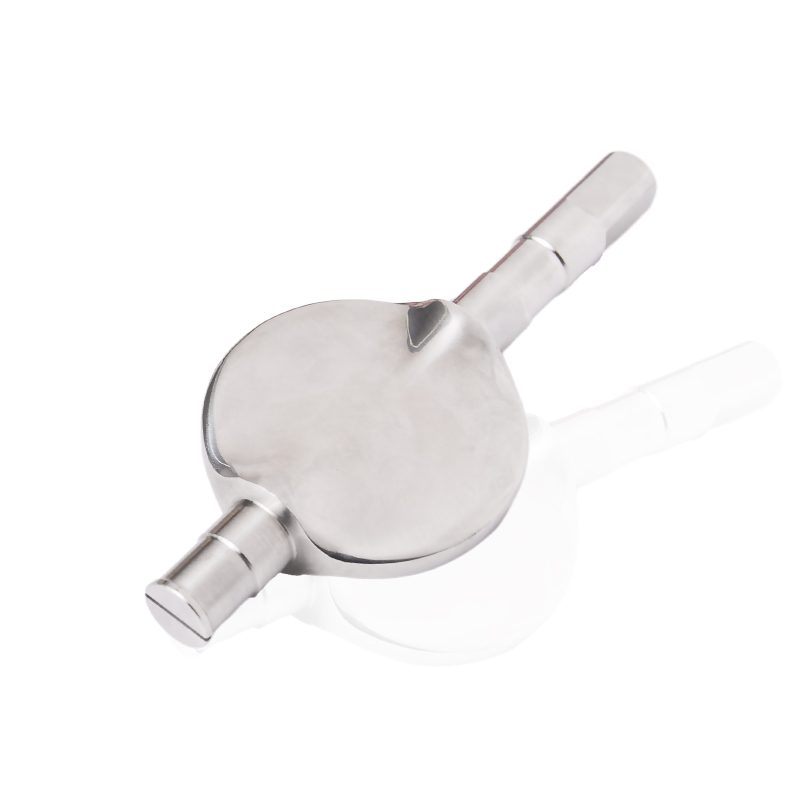
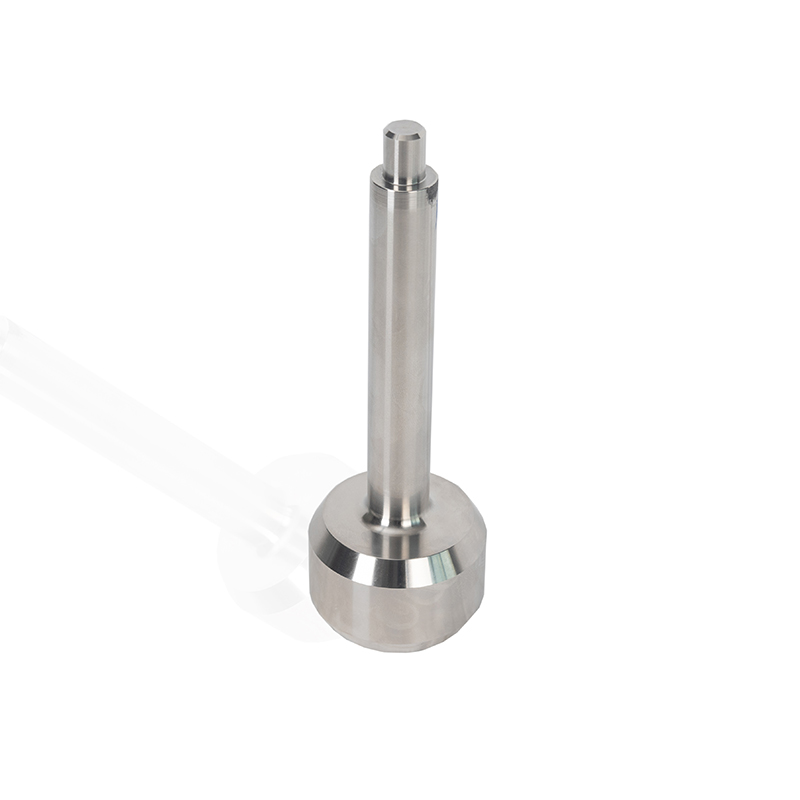
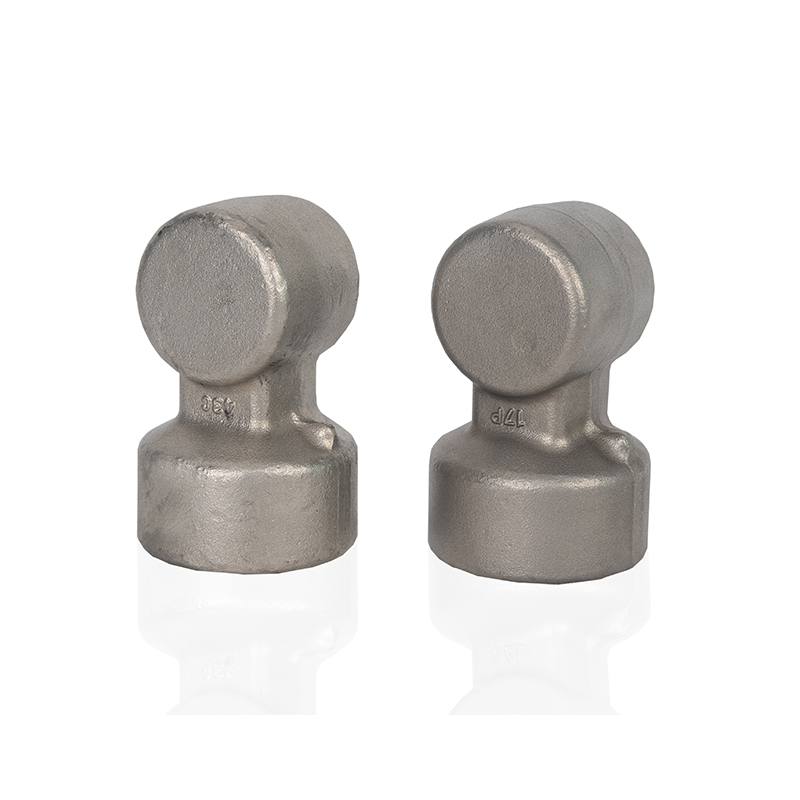
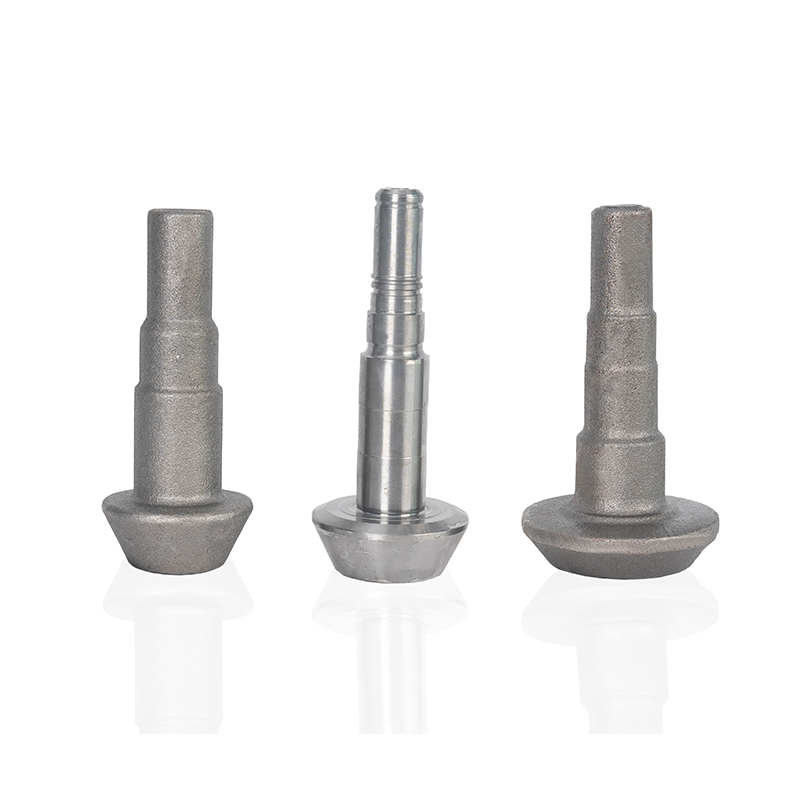
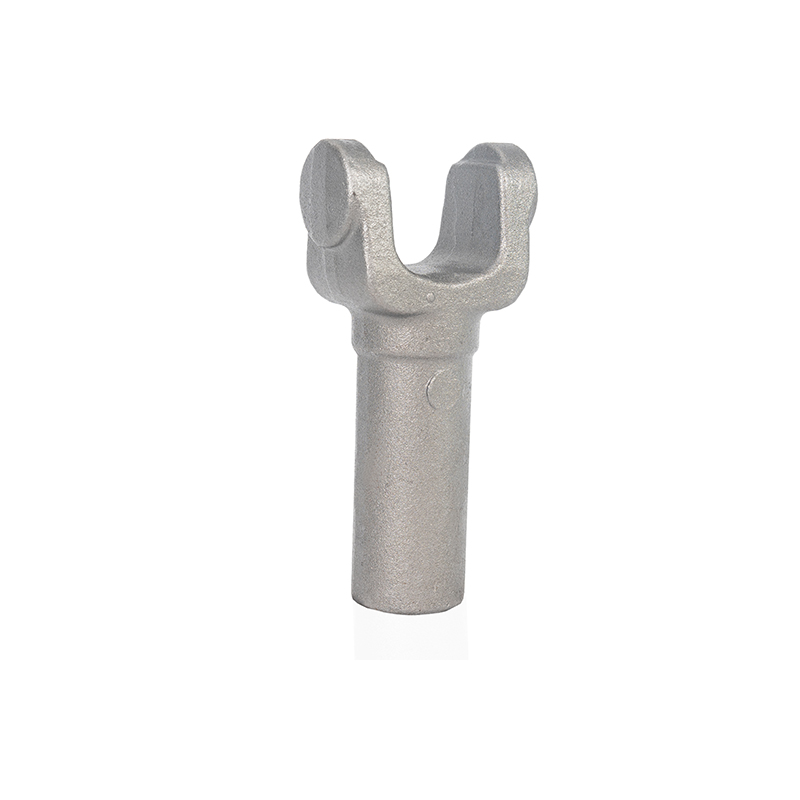
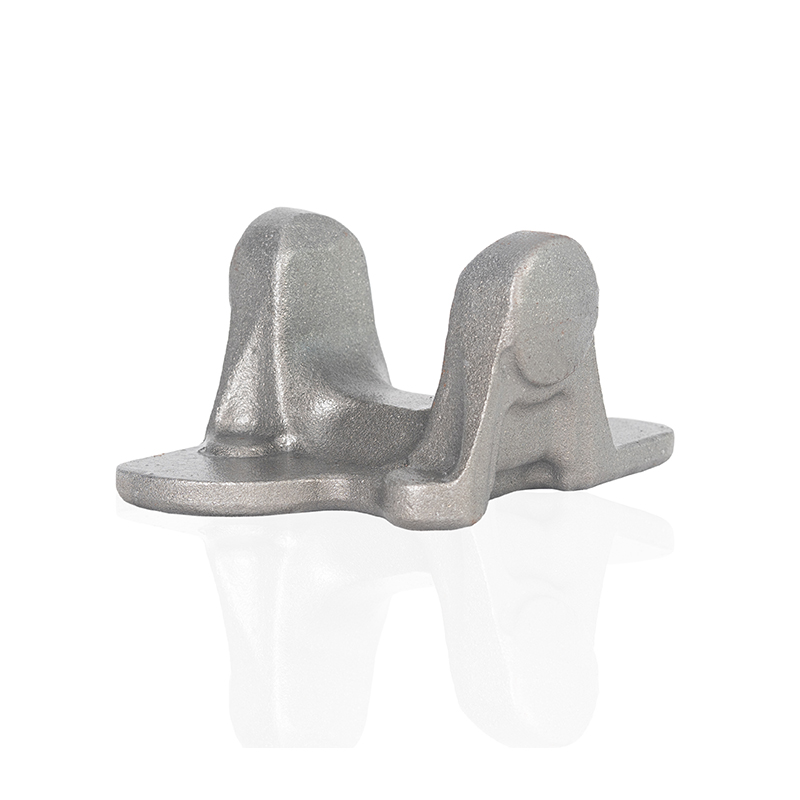
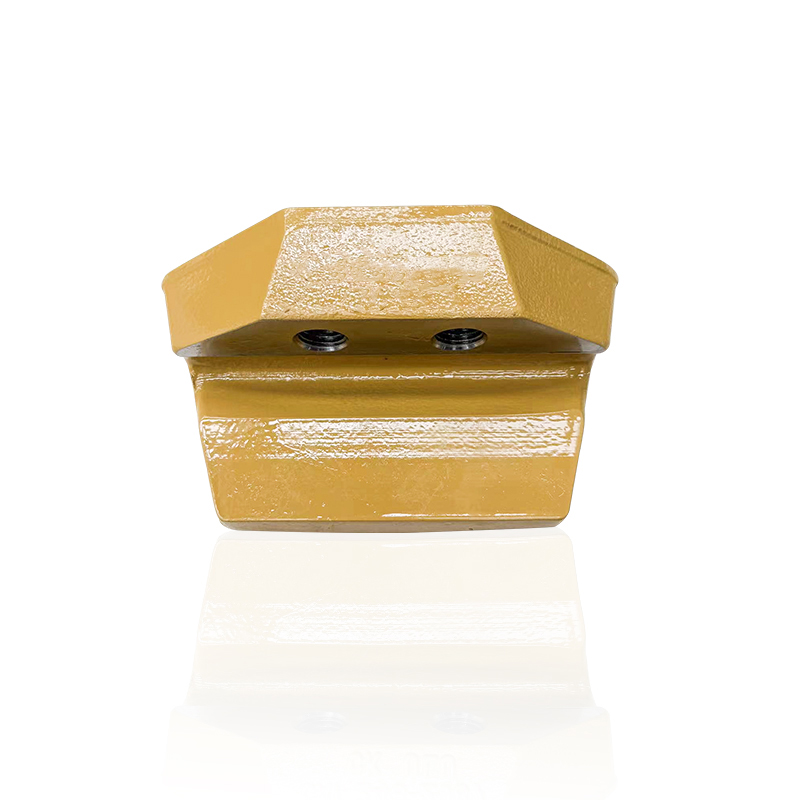
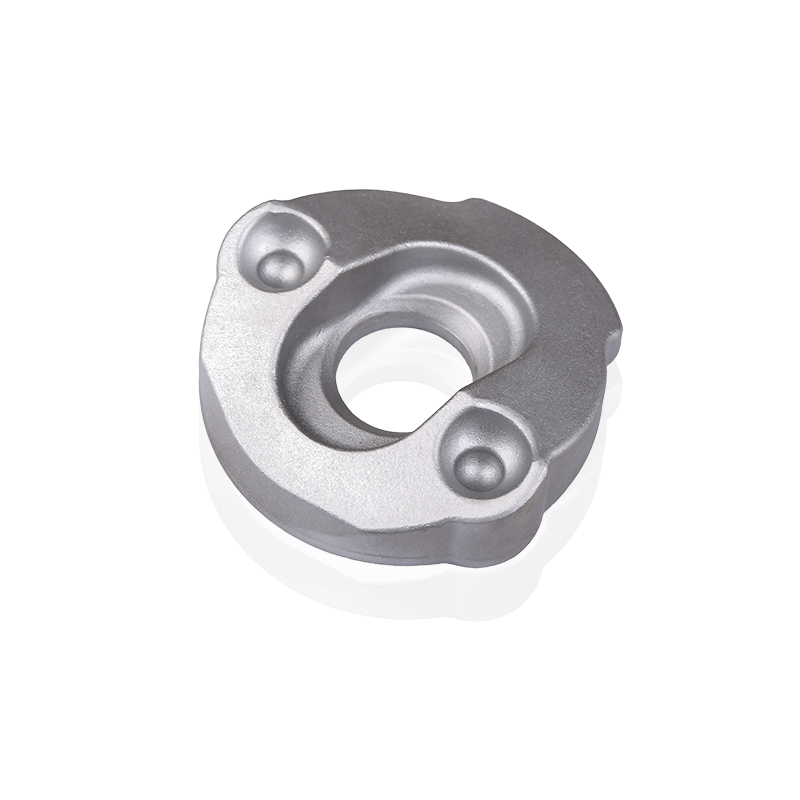
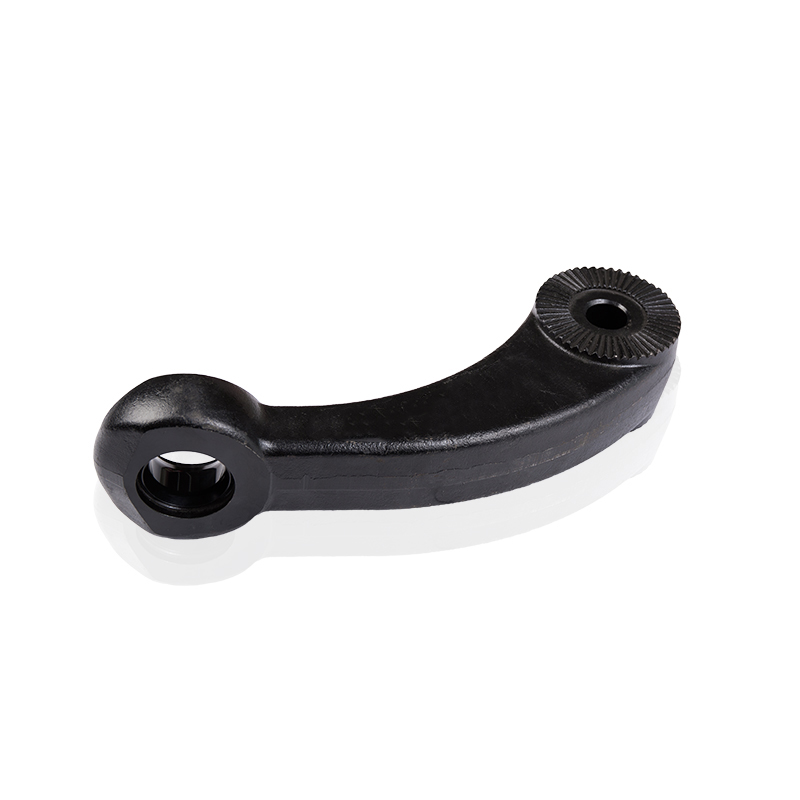
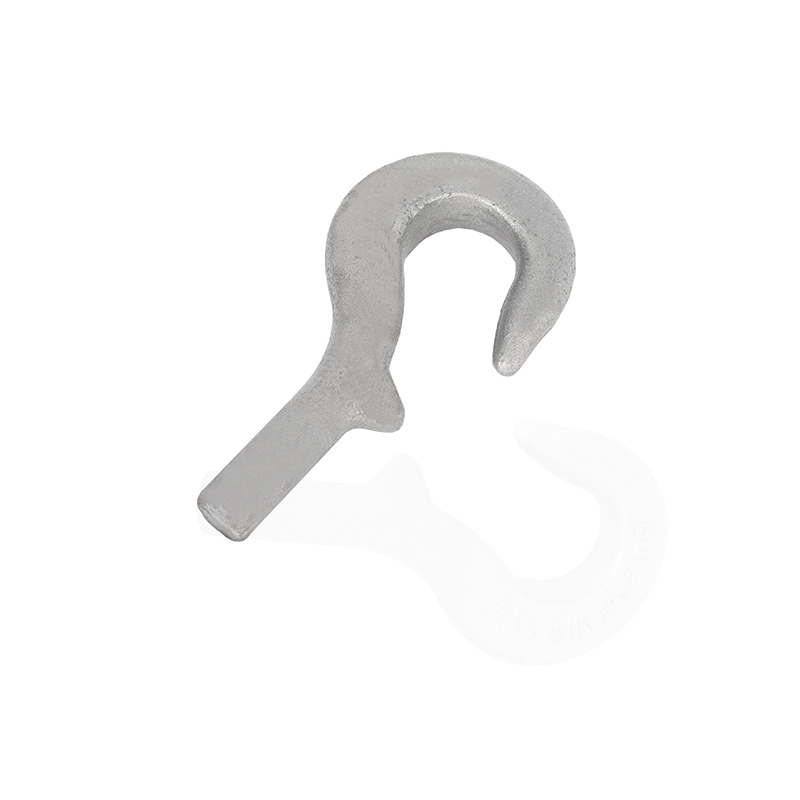
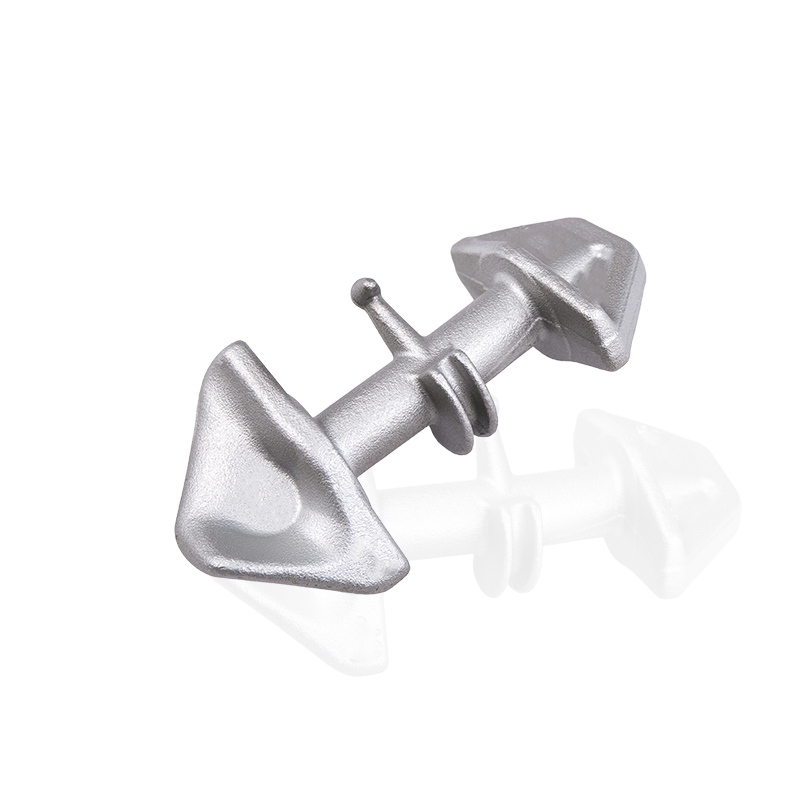
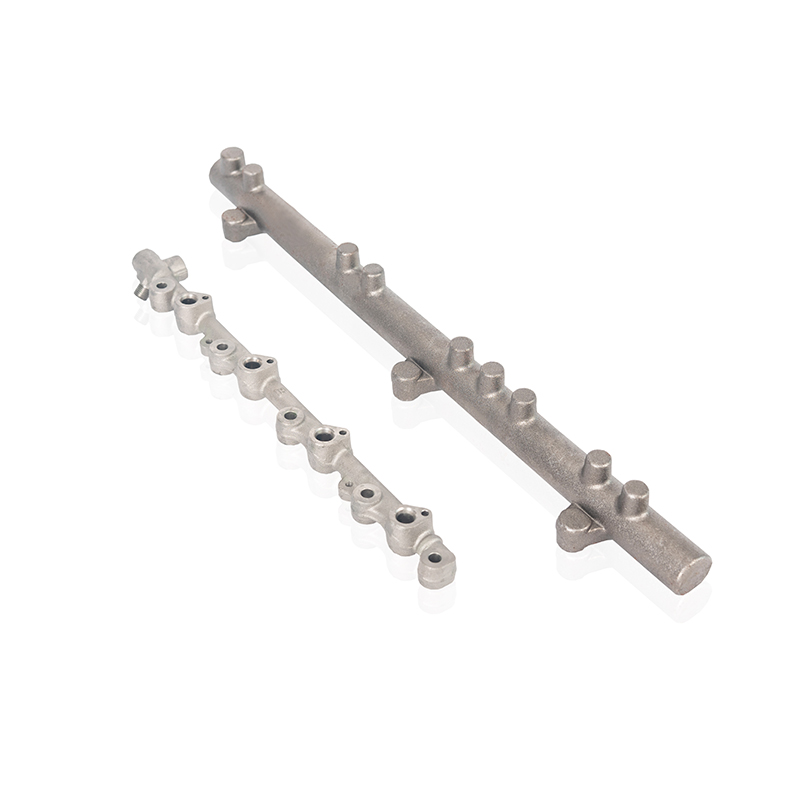

Our products primarily involve the production of forged components for the automotive industry, construction machinery industry, industrial instrumentation industry, and fluid equipment industry. Custom forging parts manufacturers and forged components solution providers in China.
Product links
Contact Us
-
Address:No. 5 Junrong Road, Daitou Town, Liyang City, Jiangsu Province, China
-
Tel:+86-18021979887
 苏公网安备32048102000516