

 EN
EN  English
 中文简体
中文简体

News

Forging Material Guide: Types, Properties, and Selection
 2026.04.10
 Industry news
Content
- 1 Forging Material Selection Starts with Strength, Ductility, and Service Conditions
- 2 What Forging Material Means in Manufacturing
- 3 The Main Types of Forging Material and Where They Fit Best
- 4 Key Properties That Determine Whether a Forging Material Will Work
- 5 Comparison Table for Common Forging Material Options
- 6 How to Choose the Right Forging Material for a Real Component
- 7 Common Forging Material Mistakes That Increase Cost or Defect Risk
- 8 Practical Examples of Forging Material Selection
- 9 What to Check Before Finalizing a Forging Material Specification
- 10 Conclusion
Forging Material Selection Starts with Strength, Ductility, and Service Conditions
The best forging material is the one that can deform without cracking, achieve the required mechanical properties after processing, and perform reliably under real service loads. In practice, that usually means balancing strength, toughness, wear resistance, machinability, heat treatment response, and material cost rather than choosing the strongest alloy available.
For example, carbon steel is often selected for general structural parts because it offers a good mix of formability and low cost, while alloy steel is preferred for highly stressed components such as shafts and gears because it can deliver higher hardenability and fatigue resistance. Stainless steel is chosen where corrosion resistance matters, and titanium or nickel-based alloys are used only when the performance gain justifies their much higher processing cost.
A practical rule is simple: match the forging material to the part’s loading, temperature, environment, and post-forging processing route. That approach reduces defects, avoids overengineering, and improves total manufacturing efficiency.
What Forging Material Means in Manufacturing
Forging material refers to the metal or alloy stock used to produce a forged component by compressive deformation. The stock may begin as billet, bar, ingot, or preform, and it is plastically deformed under hammering or pressing, usually at hot, warm, or cold working temperatures depending on the alloy and product requirement.
The choice of forging material affects much more than final strength. It influences:
- forgeability and forming load;
- risk of surface cracking, laps, and internal defects;
- microstructure development during deformation and cooling;
- heat treatment options after forging;
- machining behavior and tool wear;
- final part reliability in fatigue, impact, corrosion, or high-temperature use.
Because of this, forging material selection is not an isolated raw material decision. It is directly tied to process planning, tooling life, inspection standards, and total part cost.
The Main Types of Forging Material and Where They Fit Best
Carbon Steel
Carbon steel is one of the most widely used forging materials because it is relatively affordable, widely available, and suitable for many mechanical parts. Low- and medium-carbon grades are commonly used for flanges, connecting parts, brackets, and general industrial forgings. Medium-carbon steel can reach higher strength after quenching and tempering, making it useful for crankshafts, axles, and similar components.
Alloy Steel
Alloy steel contains elements such as chromium, molybdenum, nickel, or vanadium to improve hardenability, toughness, and wear resistance. It is often chosen for gears, heavy-duty shafts, high-strength fasteners, and pressure-loaded components. Compared with plain carbon steel, alloy steel generally allows deeper hardness penetration and better performance under repeated stress.
Stainless Steel
Stainless steel is selected when corrosion resistance is critical. Austenitic grades are valued for corrosion resistance and toughness, while martensitic and precipitation-hardening grades may be used where both strength and corrosion performance matter. Stainless forgings are common in valves, pump bodies, food-processing hardware, marine components, and chemical service parts.
Aluminum Alloys
Aluminum forging material is used where low weight is a major advantage. Forged aluminum components can provide a strong strength-to-weight ratio and are often used in transportation, structural fittings, and performance parts. However, they require tighter process control than many steels, especially regarding temperature window and die design.
Titanium Alloys
Titanium is chosen for demanding applications that require high specific strength, corrosion resistance, or elevated-temperature performance. The tradeoff is cost: titanium raw material, die wear, processing difficulty, and inspection requirements are all significantly higher than for common steels.
Nickel-Based and High-Temperature Alloys
These materials are reserved for severe thermal and creep environments. They are difficult to forge, sensitive to process control, and expensive, but they retain useful mechanical properties at temperatures where ordinary steels would soften or oxidize excessively.
Key Properties That Determine Whether a Forging Material Will Work
Forgeability
Forgeability describes how easily a material can undergo plastic deformation without cracking. Materials with good forgeability tolerate larger reductions and more complex shapes. Low-alloy and medium-carbon steels usually perform well, while some high-alloy materials require narrower temperature control and slower deformation rates.
Ductility and Toughness
Ductility helps the material flow into die features; toughness helps the finished forging resist impact and crack growth. A material with high hardness but poor toughness can fail prematurely in service, especially under shock loads or low-temperature conditions.
Hardenability and Heat Treatment Response
Some forgings need through-hardening, case hardening, or precipitation hardening after forming. The right forging material must respond consistently to the chosen heat treatment. For example, alloy steels with chromium and molybdenum typically provide stronger hardening response than plain carbon steel of similar carbon content.
Corrosion and Temperature Resistance
A forging material that performs well in dry indoor service may fail rapidly in chloride exposure, acidic media, steam, or sustained high heat. Corrosion resistance and oxidation resistance should be evaluated as early as mechanical strength requirements.
Machinability and Total Production Cost
The cheapest raw forging material is not always the cheapest finished part. A lower-cost alloy can become expensive if it causes poor die fill, heavy scale loss, frequent cracking, or long machining times. Total cost should include material yield, forging energy, tooling wear, heat treatment, inspection, machining, and scrap risk.
Comparison Table for Common Forging Material Options
| Material Family | Forgeability | Typical Strength Potential | Corrosion Resistance | Relative Cost | Typical Use |
|---|---|---|---|---|---|
| Carbon Steel | Good | Moderate to High | Low | Low | General industrial parts |
| Alloy Steel | Good to Moderate | High | Low to Moderate | Medium | Gears, shafts, heavy-duty components |
| Stainless Steel | Moderate | Moderate to High | High | Medium to High | Valves, marine and chemical parts |
| Aluminum Alloy | Moderate to Good | Moderate | Moderate to High | Medium | Lightweight structural parts |
| Titanium Alloy | Difficult | High | High | Very High | High-performance critical parts |
| Nickel-Based Alloy | Difficult | High at Elevated Temperature | High | Very High | Hot-section and severe thermal service |
How to Choose the Right Forging Material for a Real Component
A useful selection method is to narrow the choice step by step instead of comparing alloys randomly. This avoids choosing a high-cost material before defining what the part actually needs.
- Define the main service load: static, impact, cyclic fatigue, torsion, wear, pressure, or combined loading.
- Set the operating environment: room temperature, high temperature, corrosive media, outdoor exposure, or marine service.
- Identify the required properties after forging: hardness, tensile strength, yield strength, toughness, elongation, or surface durability.
- Check whether post-forging heat treatment is necessary and whether the material responds predictably.
- Review part geometry and section thickness, since thin ribs and thick transitions affect flow and defect risk.
- Estimate total cost, including scrap, machining, die wear, and inspection, not just raw stock price.
For instance, a moderately loaded flange in a non-corrosive environment may not need alloy steel at all. A carbon steel forging can satisfy the requirement at a lower total cost. In contrast, a rotating shaft under repeated fatigue loading may justify alloy steel because the benefit appears in longer service life, not just higher tensile strength on paper.
Common Forging Material Mistakes That Increase Cost or Defect Risk
Choosing by Strength Alone
A material with very high strength may still be a poor forging choice if it has limited ductility, poor machinability, or a narrow hot-working window. This can lead to cracks, extra rework, and unstable production.
Ignoring Section Size
The same forging material may behave differently in thin and thick sections. Large cross-sections can cool unevenly, affecting microstructure and final properties. Hardenability becomes especially important for thicker parts that need consistent internal strength.
Underestimating Environment
A part that works well in dry service may fail quickly in chloride-rich or acidic conditions. Corrosion damage can erase any advantage gained from lower initial material cost.
Neglecting Process Compatibility
Not every material fits every forging route equally well. Some alloys demand tighter temperature control, different die materials, or slower reduction schedules. Material-process mismatch is a major source of inconsistent quality.
Practical Examples of Forging Material Selection
Example: Heavy-Duty Shaft
A shaft subjected to torsion and cyclic bending usually benefits from alloy steel rather than plain carbon steel. The reason is not only higher achievable strength, but also improved hardenability and fatigue resistance after heat treatment. That matters when the part must survive repeated stress over a long service life.
Example: Corrosion-Exposed Valve Body
If the forging will operate in wet, chemical, or saline conditions, stainless steel may be the more practical forging material even if the raw stock cost is much higher. Reduced corrosion risk, longer service intervals, and lower replacement frequency can offset the material premium.
Example: Lightweight Structural Part
Where mass reduction is a major design target, forged aluminum can be more suitable than steel. This is especially relevant when lower component weight improves overall system efficiency. The design must still account for lower stiffness and different wear behavior compared with steel.
What to Check Before Finalizing a Forging Material Specification
- Required mechanical properties in the final heat-treated condition;
- acceptable forging temperature range and deformation behavior;
- part geometry sensitivity to laps, folds, and underfill;
- need for corrosion, wear, or heat resistance in service;
- machining allowance, surface finish target, and dimensional tolerance;
- material availability, certification needs, and inspection requirements.
These checks help prevent a common problem in forging projects: selecting a material that looks ideal on a property sheet but creates avoidable manufacturing difficulty in production.
Conclusion
The right forging material is not simply the strongest or most advanced alloy; it is the material that delivers the required performance with stable forgeability, suitable heat treatment response, and acceptable total cost. Carbon steel works well for many general parts, alloy steel is often the better choice for heavily loaded components, stainless steel fits corrosive environments, and lightweight or high-temperature alloys should be reserved for cases where their benefits clearly justify the extra complexity.
In practical terms, the best results come from evaluating service conditions, geometry, processing route, and lifecycle cost together. That is the most reliable way to choose a forging material that performs well both in production and in service.
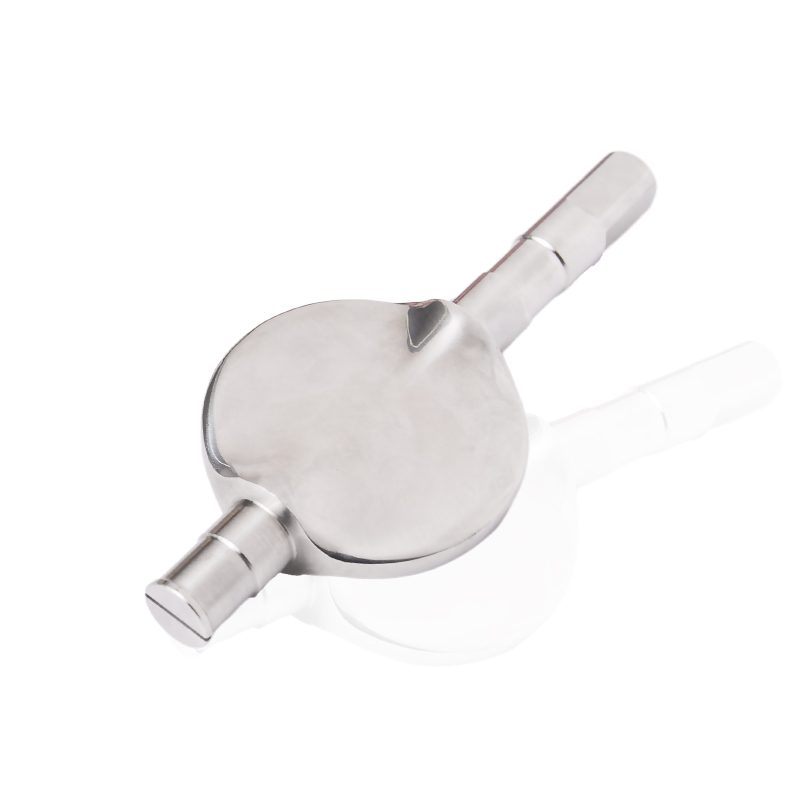
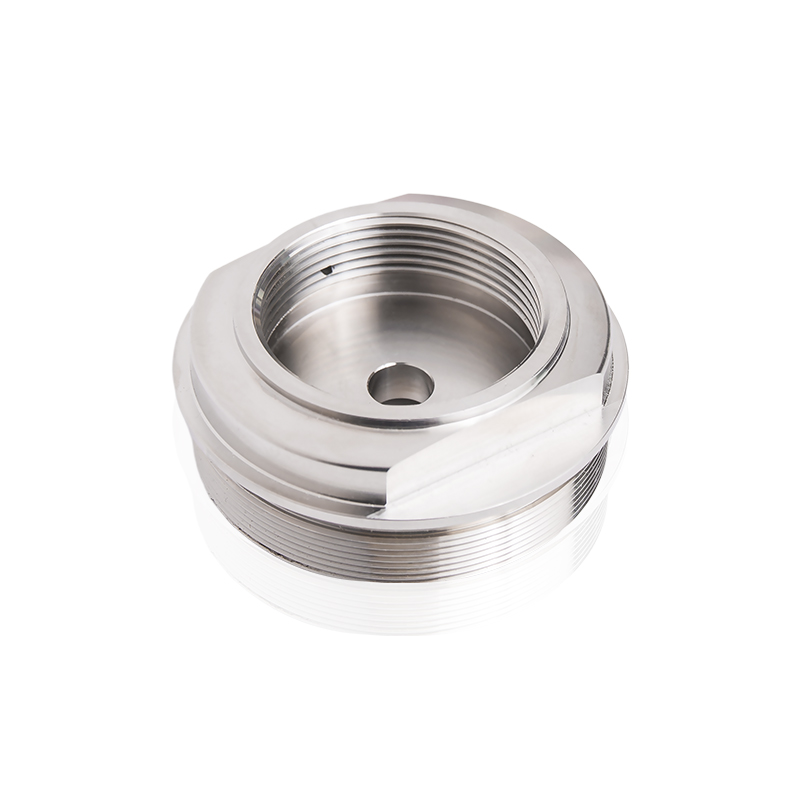
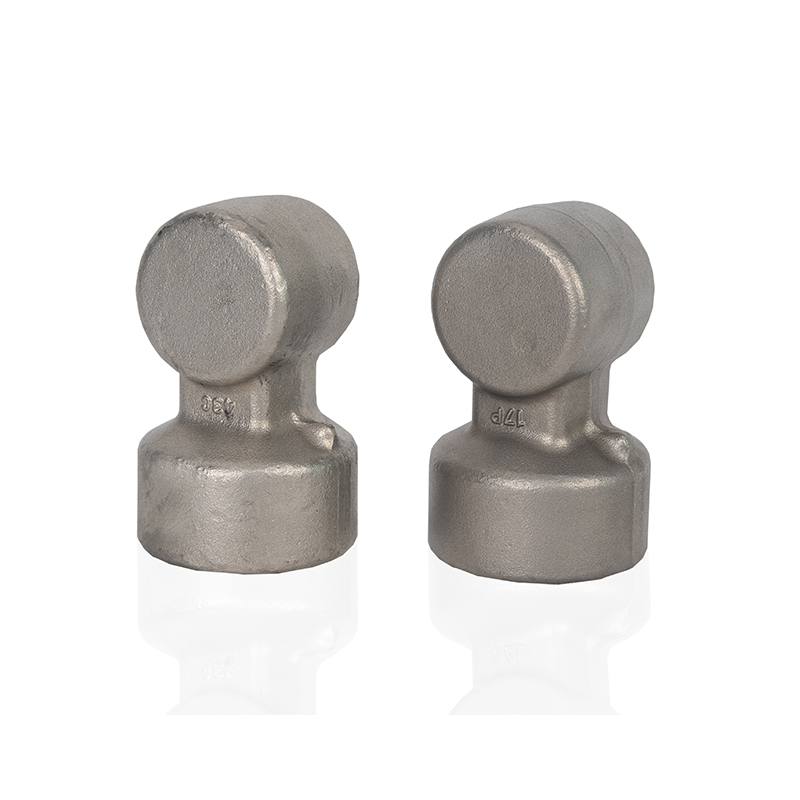
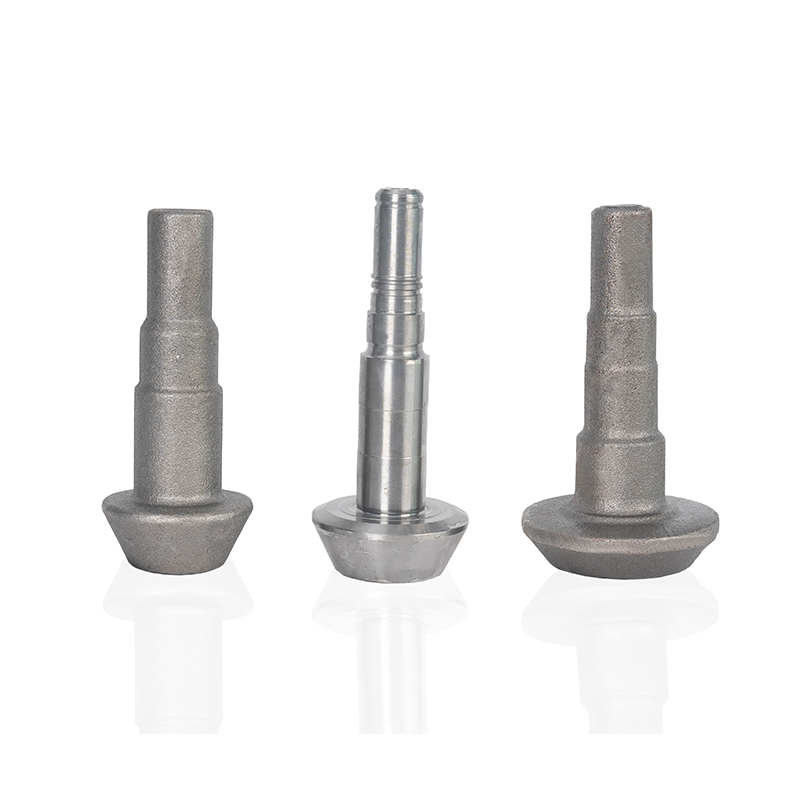
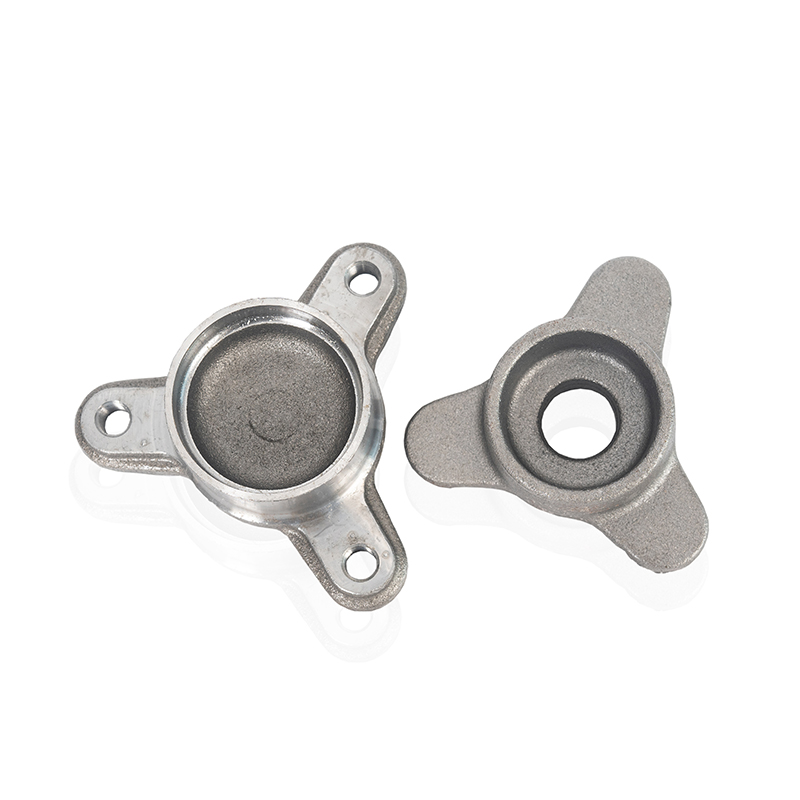
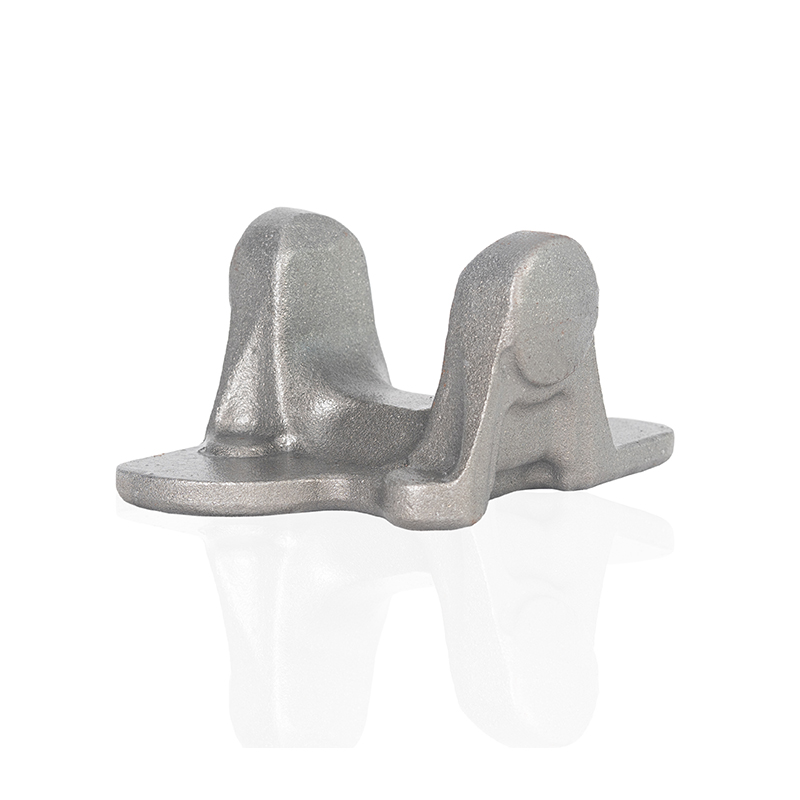
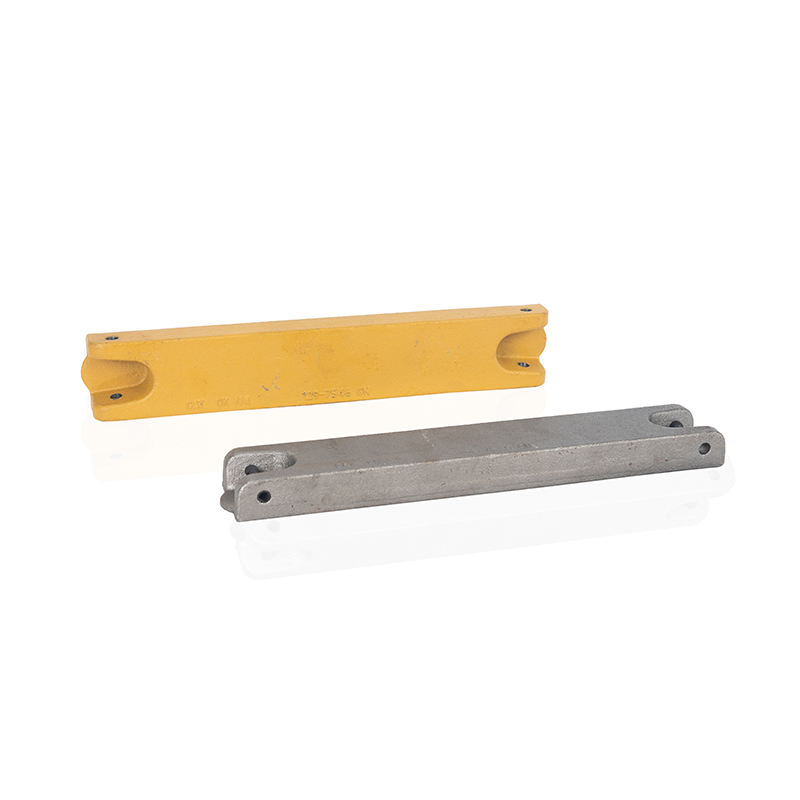
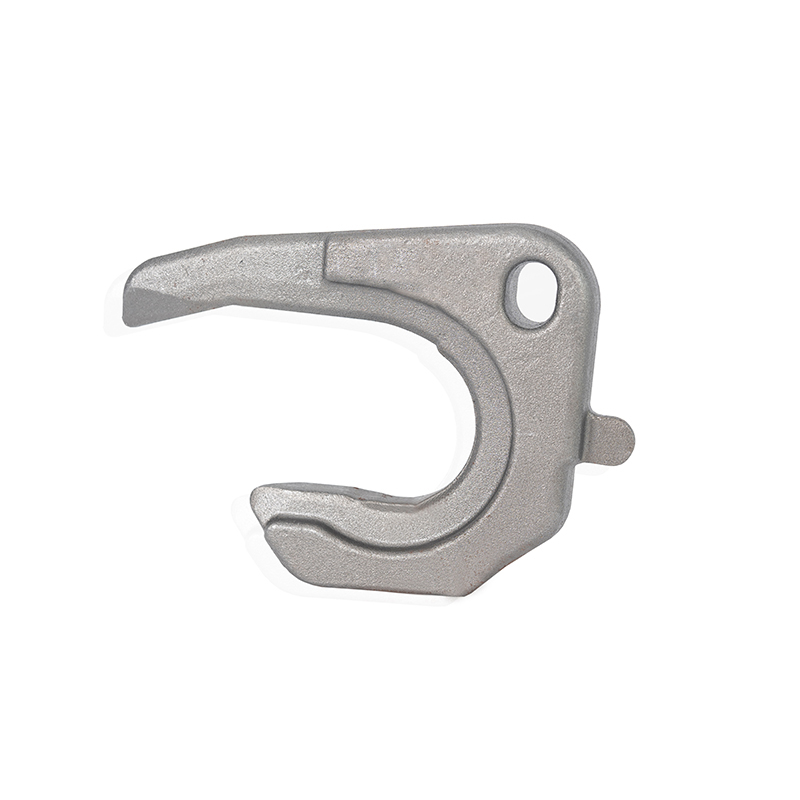
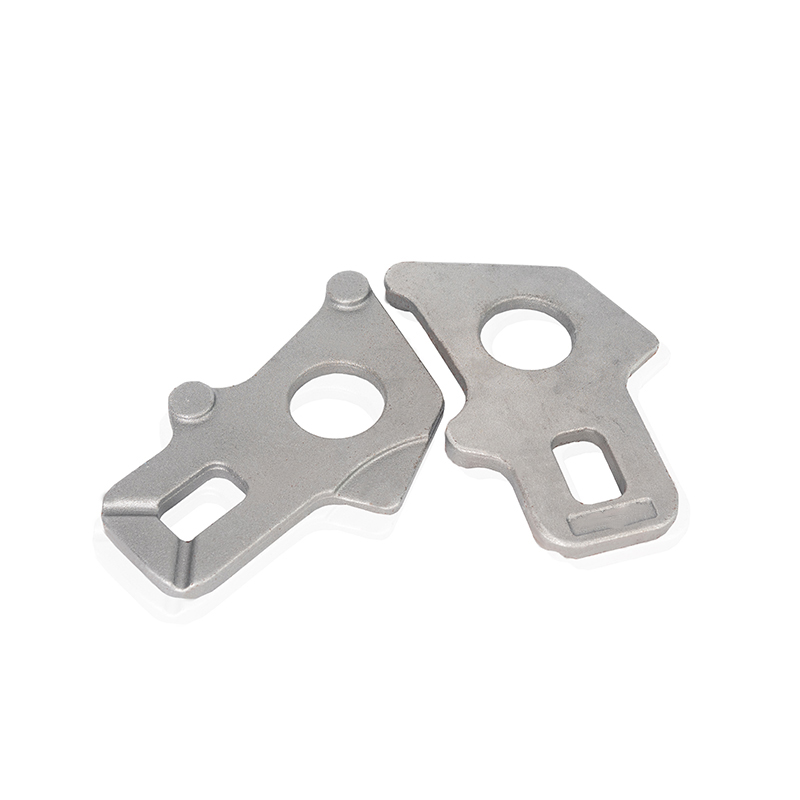
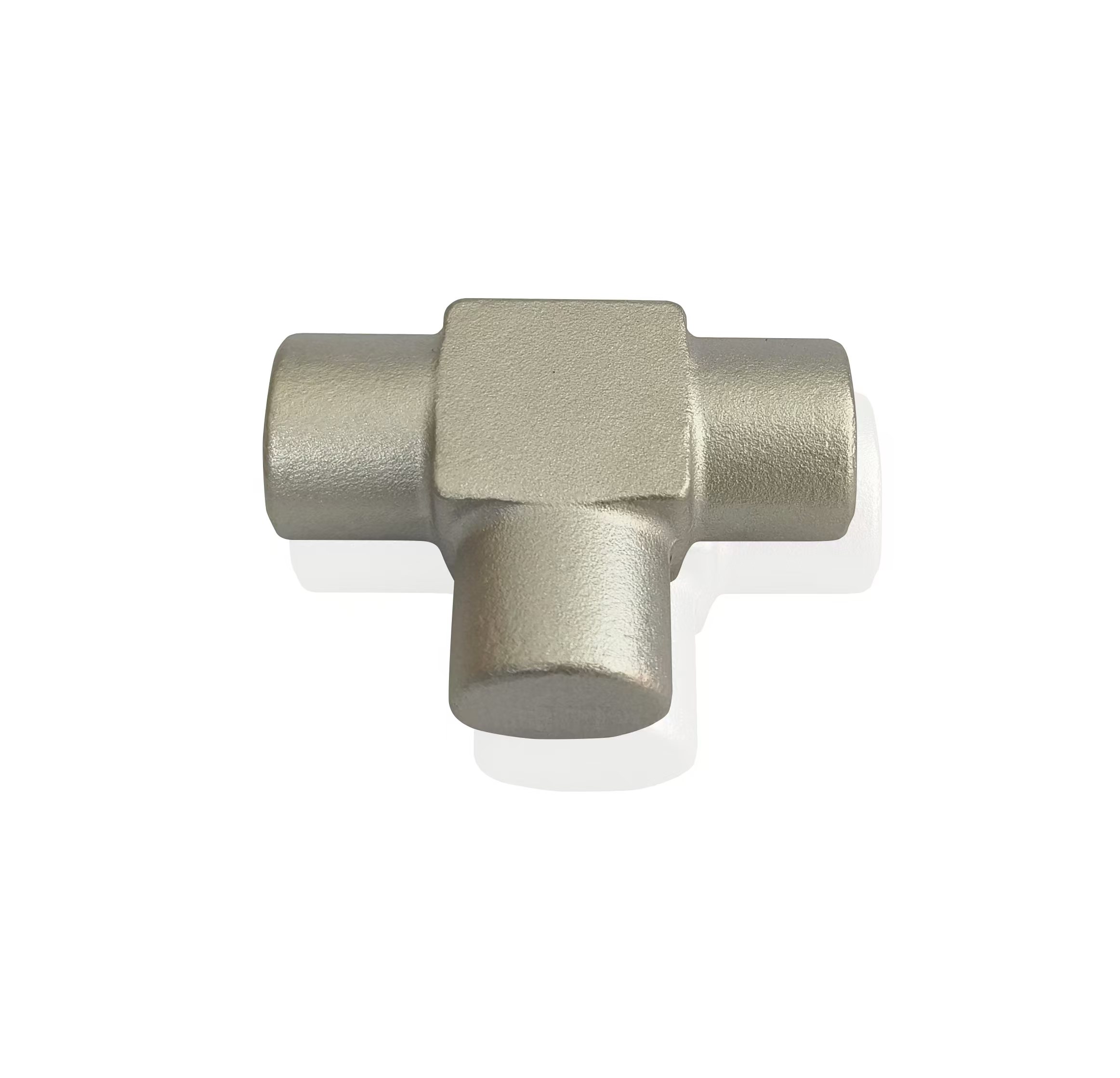
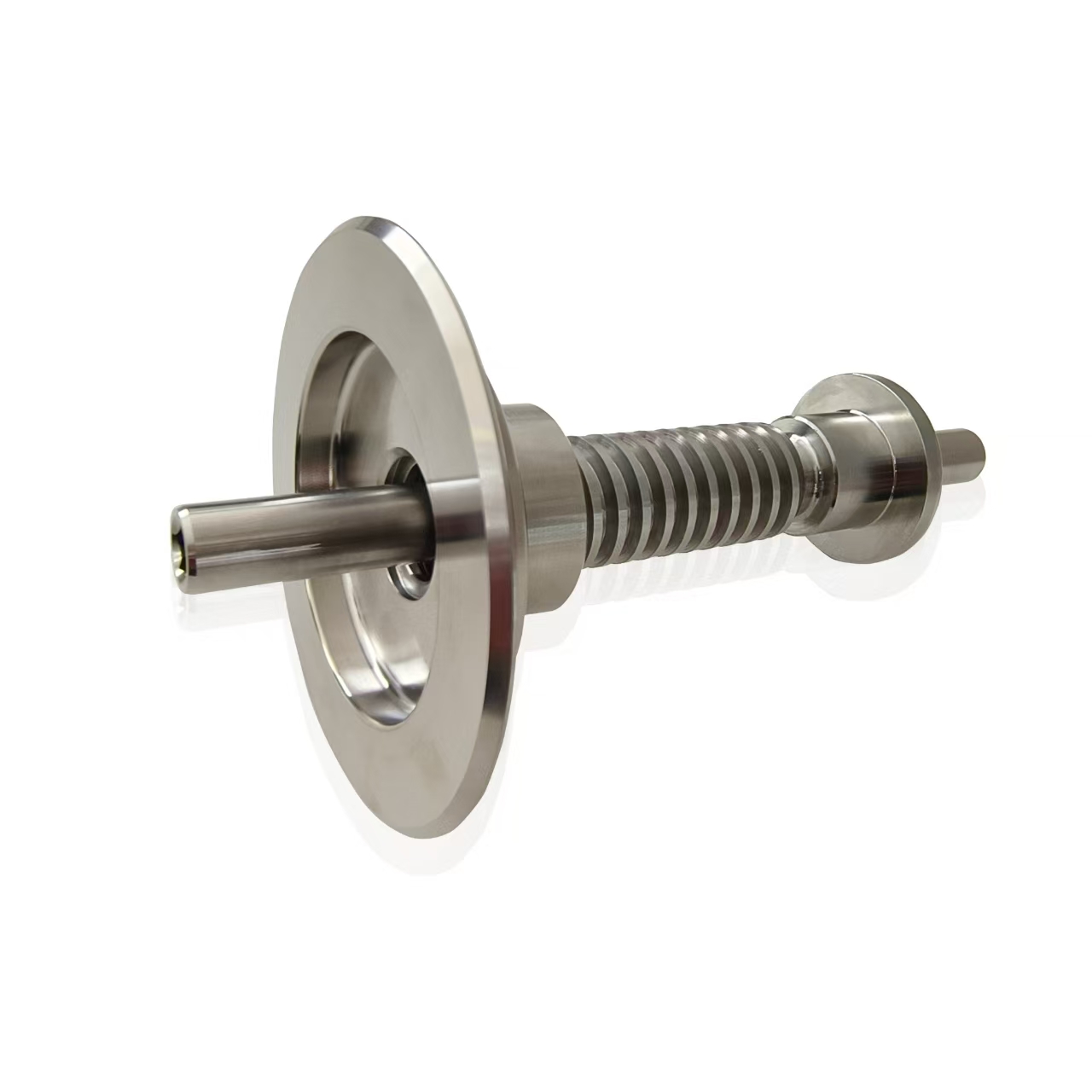

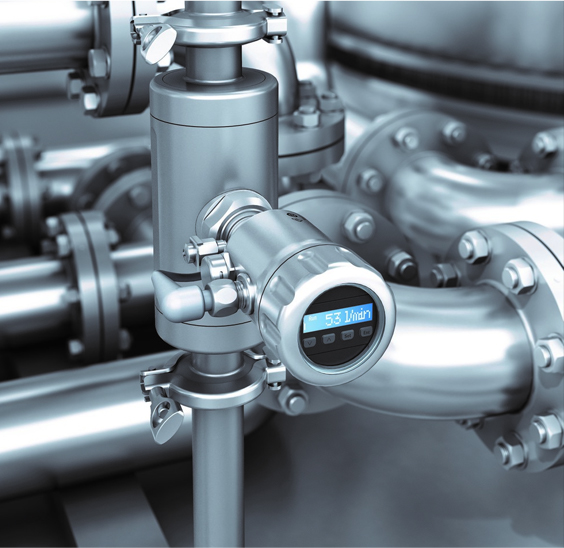
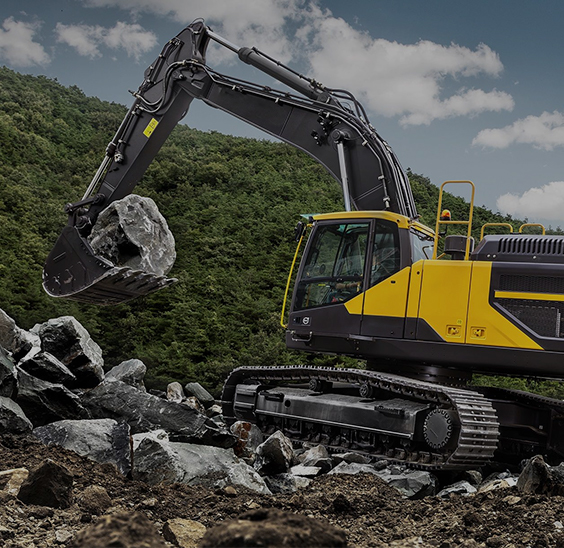
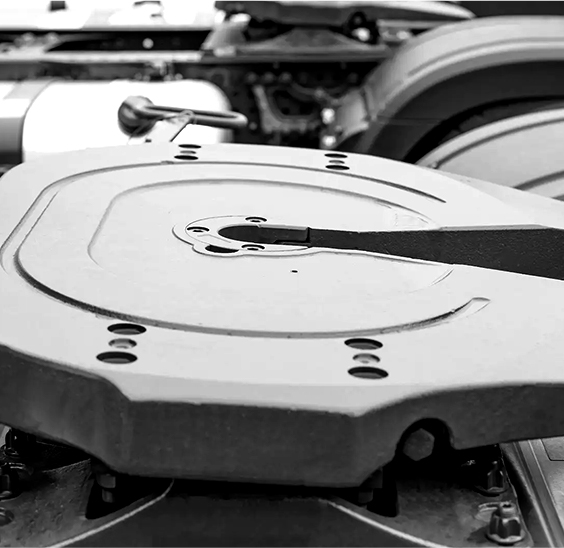
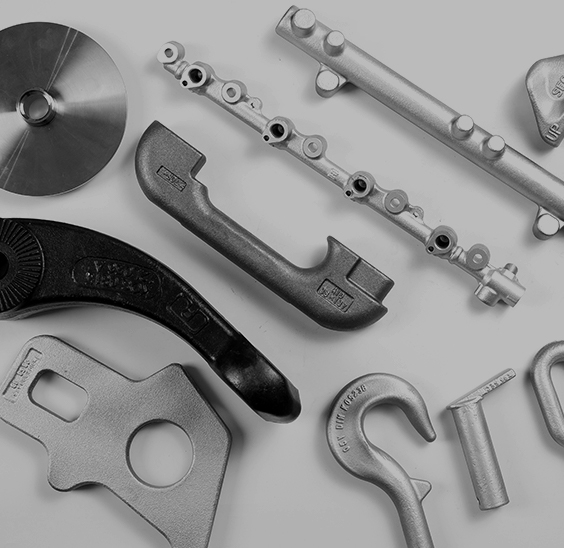
Our products primarily involve the production of forged components for the automotive industry, construction machinery industry, industrial instrumentation industry, and fluid equipment industry. Custom forging parts manufacturers and forged components solution providers in China.
Product links
Contact Us
-
Address:No. 5 Junrong Road, Daitou Town, Liyang City, Jiangsu Province, China
-
Tel:+86-18021979887
 苏公网安备32048102000516