

 EN
EN  English
 中文简体
中文简体
News

Custom Metal Forging: Processes, Materials & How to Choose a Supplier
 2026.04.03
 Industry news
Content
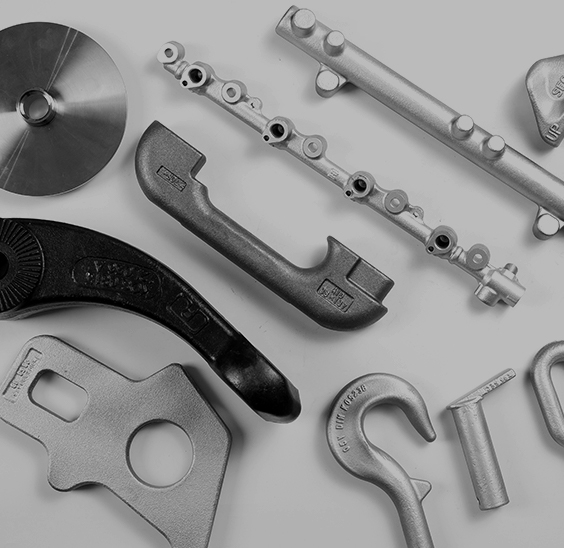
When a standard off-the-shelf component simply won't do, custom metal forging delivers parts engineered to exact specifications — with the structural integrity that casting and machining alone cannot match. From automotive transmission systems to high-pressure hydraulic valves, forged metal components power the world's most demanding industries.
What Is Custom Metal Forging?
Custom metal forging is a manufacturing process in which raw metal is shaped under high compressive force — using dies, hammers, or presses — to produce a part with precise geometry and superior mechanical properties. Unlike standard forging, which produces generic shapes in fixed sizes, custom forging is engineered from the ground up to match a client's exact dimensional, material, and performance requirements.
The forging process works by deforming the metal's grain structure rather than cutting or casting it. This refinement of the grain flow results in a denser, more uniform microstructure. The outcome is a part that is significantly stronger and more fatigue-resistant than equivalent cast or machined components — a critical advantage in safety-critical applications.
Custom forging typically begins with a billet or bar stock of the target material, which is heated to a precise temperature range, then shaped using tooling designed specifically for the part. Secondary operations such as heat treatment, CNC machining, and surface finishing may follow to achieve final tolerances.
Key Forging Processes and When to Use Each
No single forging method suits every application. Experienced manufacturers select the process based on part geometry, production volume, material, and tolerance requirements. The most widely used custom metal forging processes include:
- Closed Die (Impression Die) Forging: Metal is pressed between two dies that contain a mirror image of the desired part. This method produces near-net-shape components with tight tolerances and excellent repeatability — ideal for high-volume production of complex geometries such as flanges, gears, and connecting rods.
- Open Die Forging: The metal is shaped between flat or contoured dies without fully enclosing the workpiece. Best suited for large, simple shapes (shafts, discs, rings) and low-volume runs, open die forging offers flexibility in size and material.
- Hammer Forging: Repeated impact blows from a programmable hammer shape the heated metal. This process is fast, energy-efficient for medium-complexity parts, and well-suited to carbon and alloy steels.
- Press Forging: Hydraulic or mechanical presses apply slow, continuous force rather than impact. The result is more controlled deformation, making press forging preferred for precision parts with stringent dimensional requirements — including aerospace and energy sector components.
- Roll Forging (Cross-Roll Forging): Rotating dies reduce and elongate the metal, creating shaft-like or tapered components efficiently. This method excels for axles, pins, and similar cylindrical parts used in automotive and agricultural machinery.
Selecting the right process is not merely a technical decision — it directly affects tooling cost, lead time, material waste, and the mechanical properties of the finished part. A qualified supplier will evaluate all these factors before recommending a process.
Common Materials Used in Custom Forging
Material selection is one of the most consequential decisions in the custom forging process. The choice of alloy determines the part's strength, corrosion resistance, weight, machinability, and suitability for heat treatment. The most commonly forged materials include:
- Carbon Steel: The workhorse of industrial forging. Medium and high-carbon steels offer excellent strength-to-cost ratios and are widely used in structural parts, gears, and hand tools.
- Alloy Steel: Adding elements such as chromium, molybdenum, or nickel enhances hardness, toughness, and wear resistance. Alloy steels are the material of choice for high-stress components in automotive drivetrains and engineering machinery.
- Stainless Steel: Provides corrosion resistance alongside mechanical strength — essential for fluid handling systems, marine environments, and food-grade equipment. Common grades include 304, 316, and 13-8.
- Aluminum Alloys: Valued for their light weight and corrosion resistance. Aluminum forgings are standard in aerospace structures, automotive wheels, and consumer electronics housings.
- Titanium and Superalloys: Reserved for extreme environments — jet engines, gas turbines, and medical implants — where neither steel nor aluminum can meet the performance demands.
Material certification and traceability are non-negotiable in precision industries. Reputable forging suppliers maintain documented material sourcing and can provide mill certifications and chemical composition reports on request.
Industries That Rely on Custom Metal Forgings
Custom metal forgings are found wherever reliability under stress is paramount. Key industries and their typical forged components include:
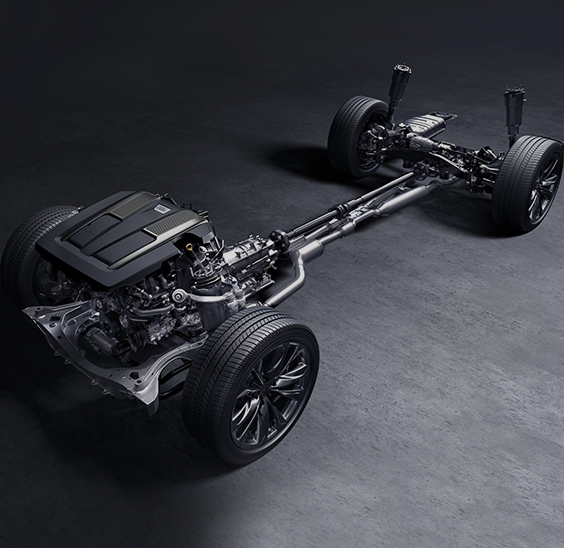
- Automotive and Commercial Vehicles: Gearboxes, axle shafts, crankshafts, and steering knuckles are routinely forged for superior fatigue life. precision-forged components for vehicle transmission systems must endure millions of load cycles without failure — a standard that only forging reliably meets.
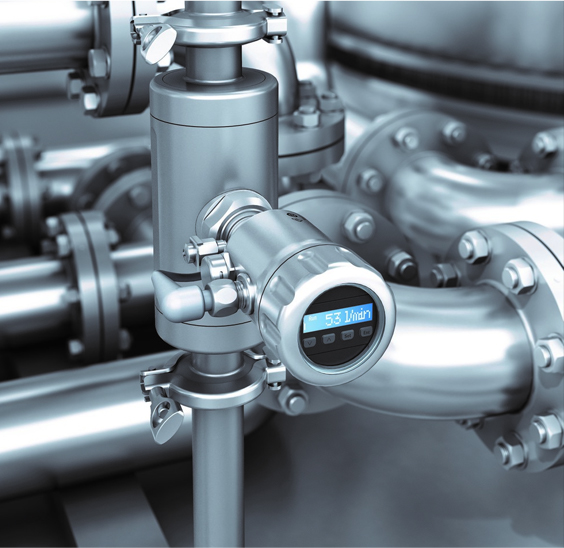
- Fluid and Hydraulic Systems: Valves, pump bodies, and fittings operating under high internal pressures require leak-free integrity and corrosion resistance. custom fluid pump valve forgings for hydraulic applications eliminate the porosity that makes cast alternatives prone to failure in pressurized environments.
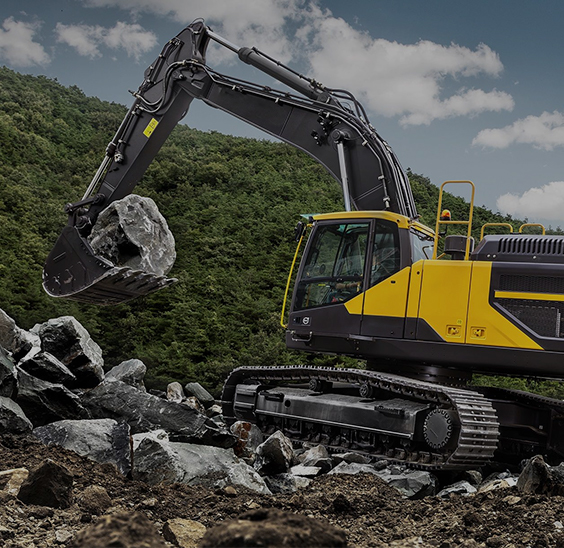
- Engineering and Construction Machinery: Excavator arms, bulldozer linkages, and lifting hooks absorb enormous shock loads. heavy-duty forgings designed for engineering machinery provide the impact toughness that keeps equipment operational in harsh field conditions.
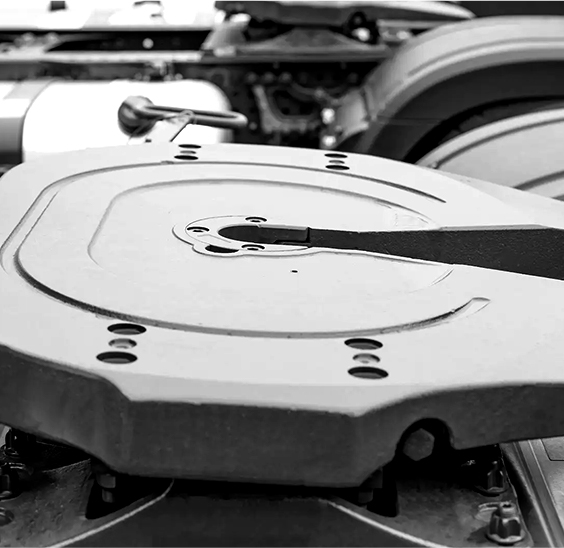
- Heavy Transport and Logistics: Fifth wheel coupling systems and traction seat assemblies are safety-critical — they are the connection point between tractor and trailer. Custom forgings in this category must meet rigorous load ratings and dimensional standards.
- Aerospace and Defense: Flight-critical structural members, landing gear components, and weapon system parts are forged because the weight and reliability margins in these applications leave no room for compromise.
- Energy Sector: Turbine discs, valve bodies for subsea equipment, and pipeline flanges all benefit from the dense grain structure that forging produces — translating to longer service life in demanding operating conditions.
Custom Forging vs. Casting: Key Differences
Forging and casting are both viable metal forming processes, but they are not interchangeable. Understanding the trade-offs helps engineers make the right choice for their application.
| Factor | Custom Metal Forging | Metal Casting |
|---|---|---|
| Grain Structure | Continuous, aligned grain flow | Random, solidified from liquid |
| Mechanical Strength | Higher — typically 20–30% stronger | Lower — more susceptible to fatigue |
| Porosity | Virtually none | Common in complex geometries |
| Dimensional Complexity | Moderate to high (with CNC finishing) | Very high — complex internal cavities possible |
| Tooling Cost | Higher upfront investment | Lower for complex shapes |
| Best For | Safety-critical, high-load parts | Complex shapes, decorative parts, lower-stress applications |
For components where failure is not an option — structural joints, drivetrain parts, pressure-containing equipment — forging is the technically superior choice. Casting remains more cost-effective for intricate geometries with lower mechanical demands. Many manufacturers use both processes within a single assembly, matching each method to the demands of each individual part.
According to published technical guidelines on the structural advantages of forged components, the directional grain flow of forged parts provides measurably better impact and fatigue resistance compared to cast equivalents of the same material.
How to Choose a Custom Metal Forging Supplier
Sourcing a custom forging partner is a long-term decision. The right supplier is not simply the lowest-cost option — they are an engineering partner whose capabilities, quality systems, and responsiveness directly affect your product's performance and your supply chain's reliability. Evaluate candidates across these dimensions:
- Certifications and Quality Systems: ISO 9001 is the baseline. For automotive supply chains, IATF 16949 compliance is increasingly required. Aerospace and defense applications may demand AS9100 or NADCAP approval. Review quality certifications and inspection standards carefully before committing to a supplier.
- Process Capability and Equipment: Match the supplier's forging equipment to your part requirements. Confirm press tonnage, die design capability, material inventory, and heat treatment capacity. A supplier limited to a single forging method may not be the best fit for complex projects requiring process optimization.
- Digital Manufacturing Capability: Modern forging facilities use digital process monitoring, simulation software (such as FEM-based die design), and automated quality inspection to reduce variation and accelerate development cycles. Suppliers with digital factory capabilities and smart manufacturing infrastructure can offer faster prototyping, tighter tolerances, and traceable production data — a significant advantage for complex custom programs.
- Lead Time and Delivery Reliability: Tooling lead times for new custom forgings typically range from 4 to 12 weeks depending on die complexity. Assess the supplier's track record for on-time delivery and their contingency planning for tooling wear or material supply disruptions.
- Engineering Collaboration: The best forging suppliers engage at the design stage — advising on material selection, draft angles, wall thickness, and near-net-shape forging strategies that reduce machining costs. Early supplier involvement consistently reduces total part cost and development time.
- Total Cost of Ownership: Tooling amortization, scrap rates, secondary machining requirements, and freight logistics all contribute to the true cost of a forged component. A supplier offering slightly higher unit prices but superior near-net-shape capability may deliver better value over a program's lifetime.
Engaging directly with a supplier's engineering team early in the design process — rather than sending out a drawing for a simple price comparison — is the single most effective way to optimize both part performance and production economics in custom metal forging programs.
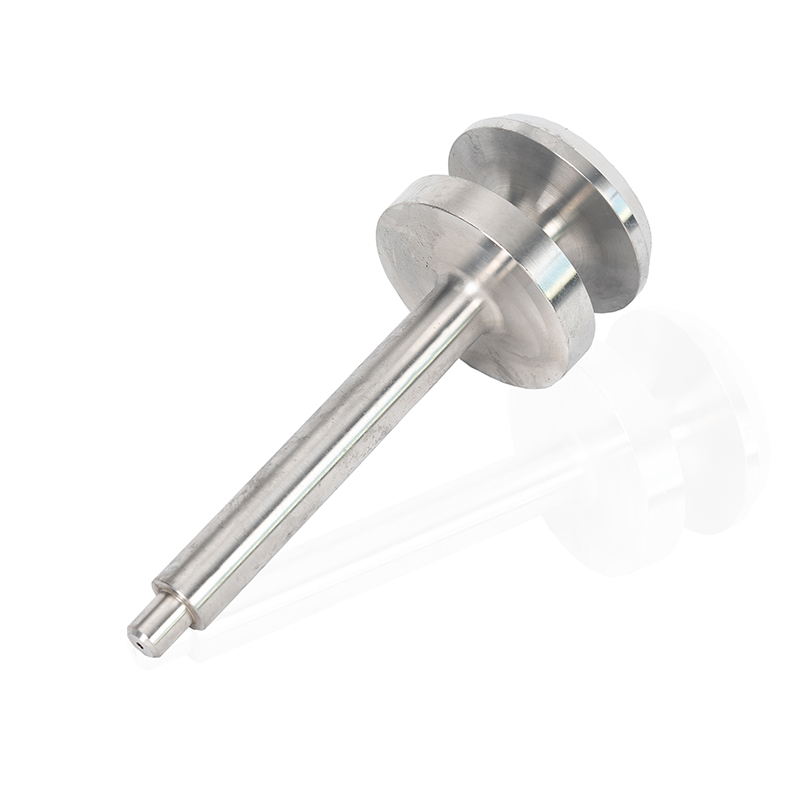
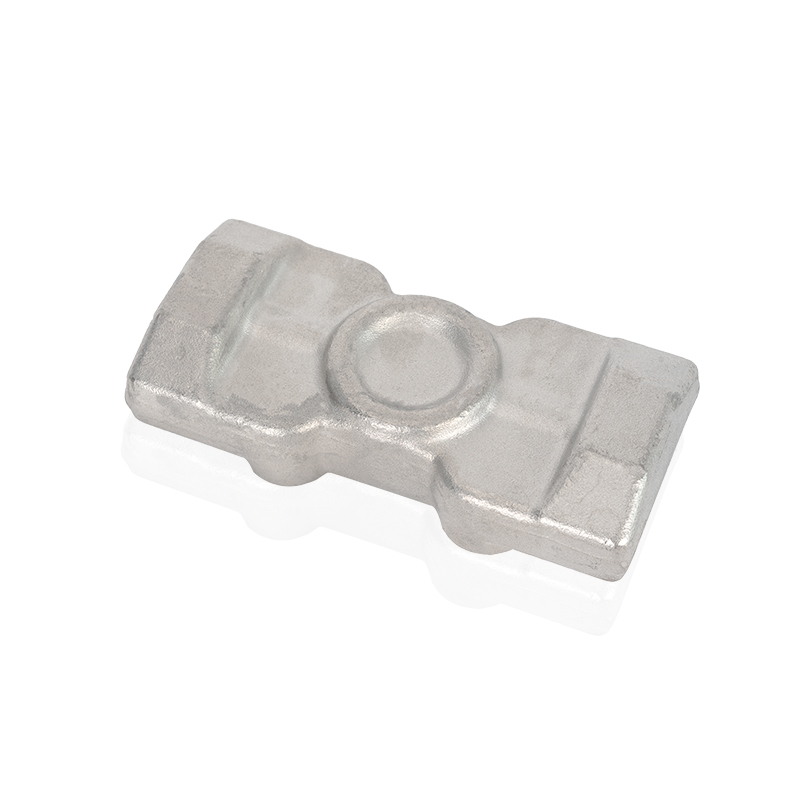
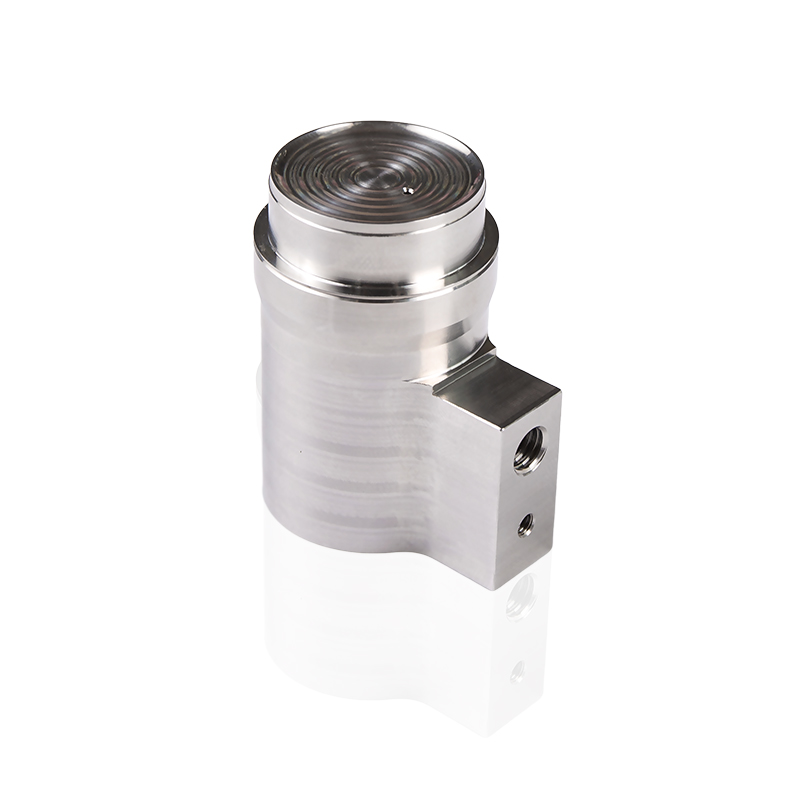
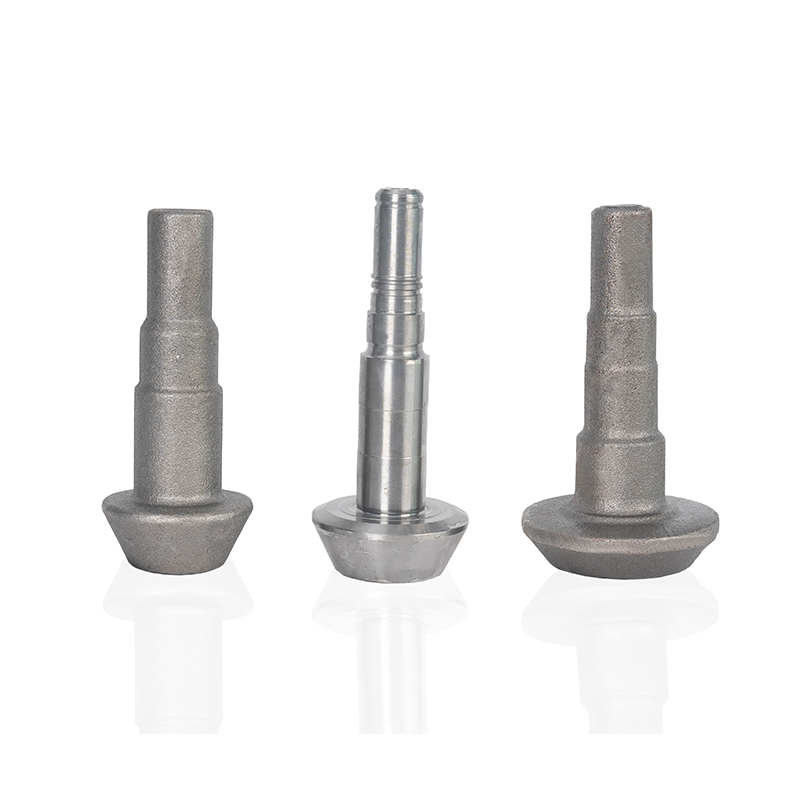
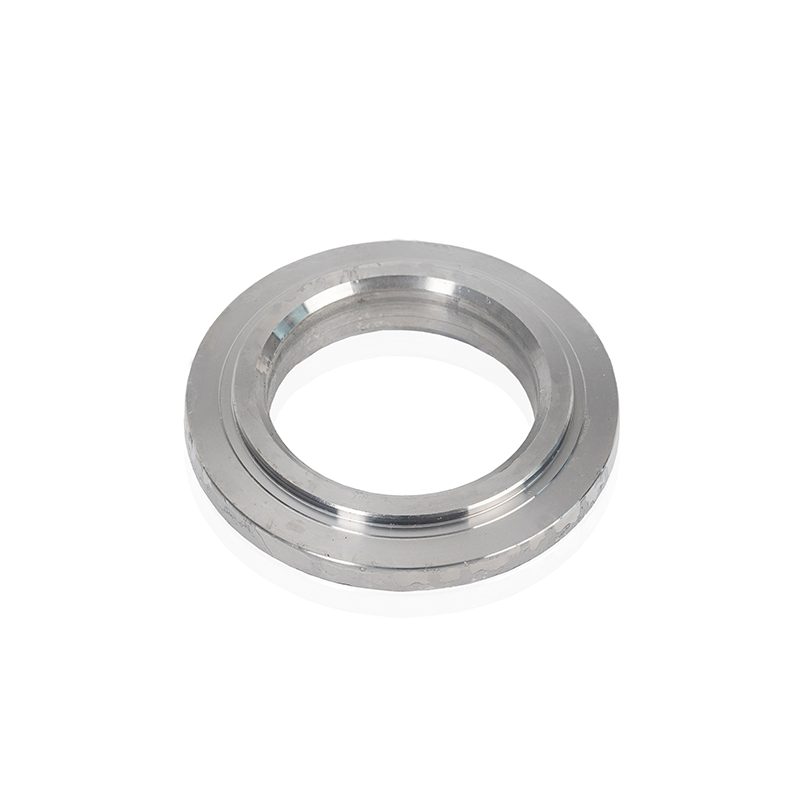
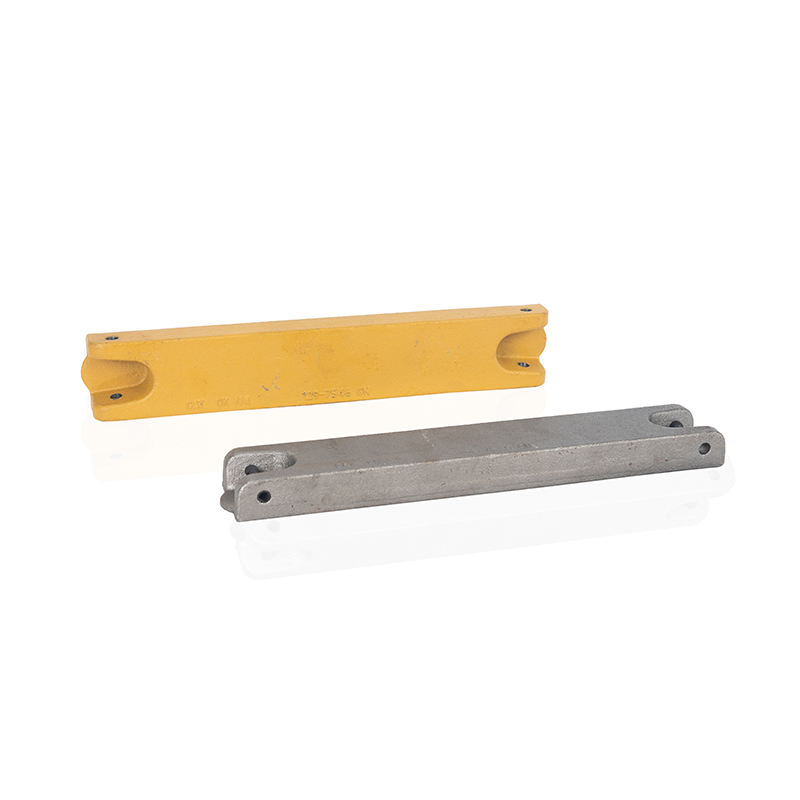
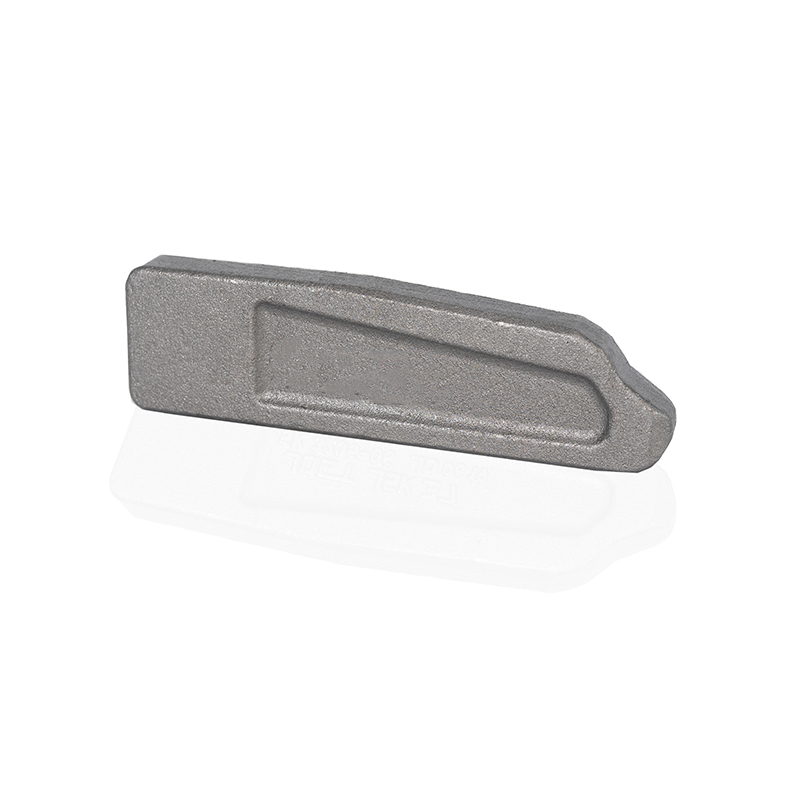
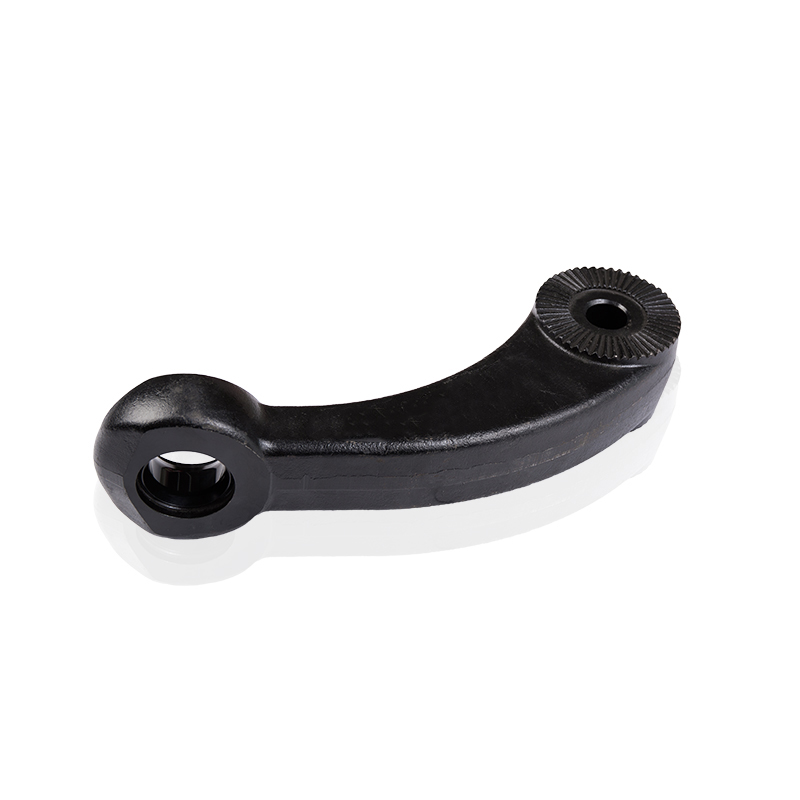
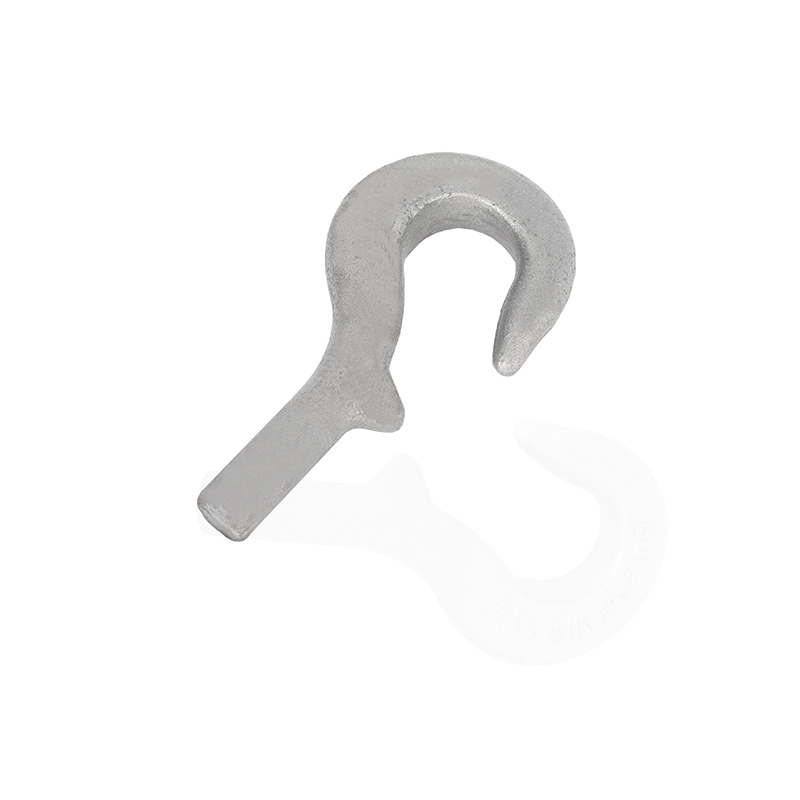
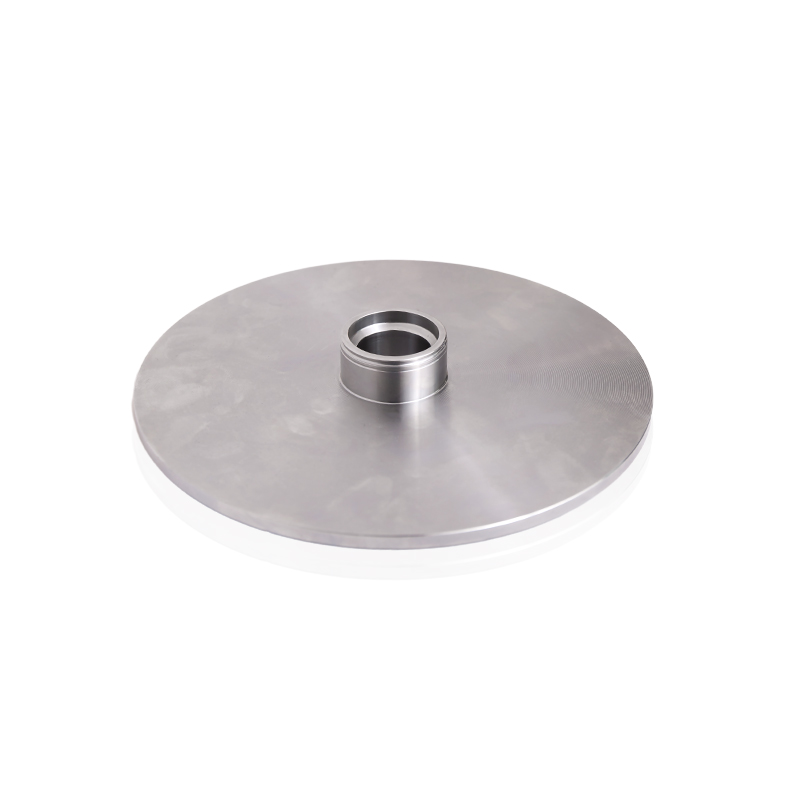
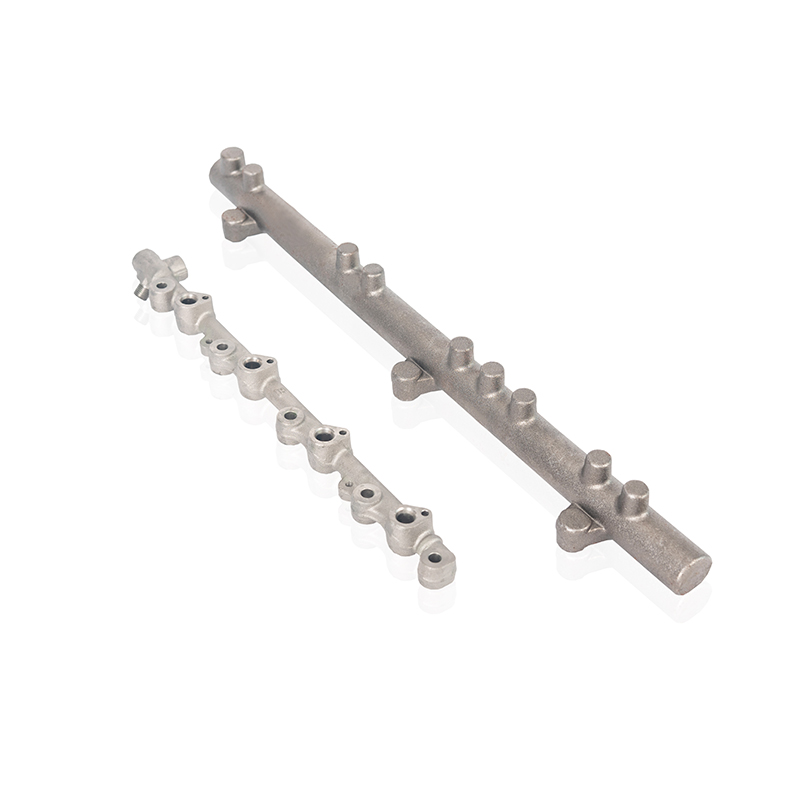
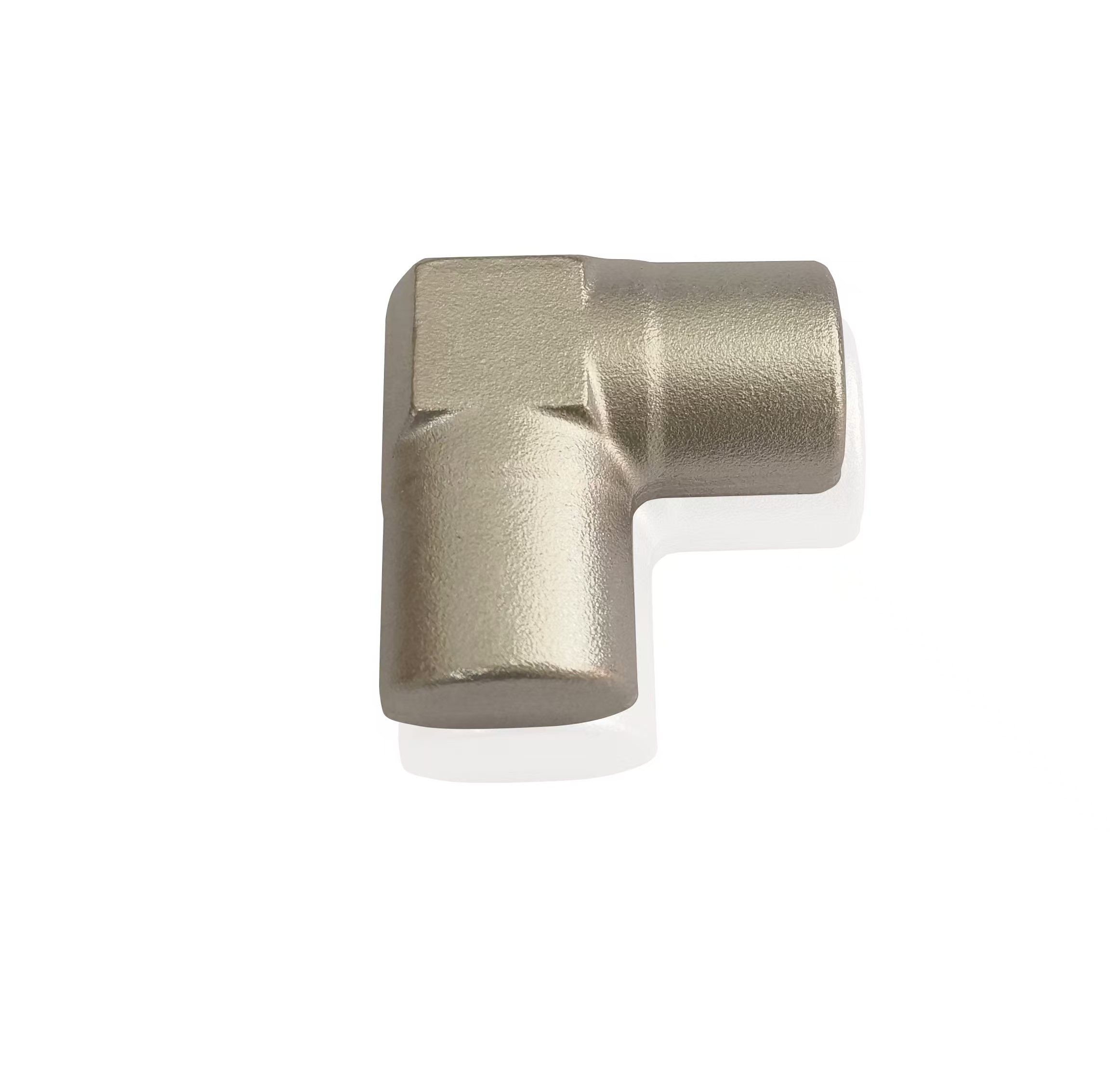

Our products primarily involve the production of forged components for the automotive industry, construction machinery industry, industrial instrumentation industry, and fluid equipment industry. Custom forging parts manufacturers and forged components solution providers in China.
Product links
Contact Us
-
Address:No. 5 Junrong Road, Daitou Town, Liyang City, Jiangsu Province, China
-
Tel:+86-18021979887
 苏公网安备32048102000516