

 EN
EN  English
 中文简体
中文简体

News

Forging Metallurgical Testing: Methods, Standards & Quality Control
 2026.04.17
 Industry news
Content
- 1 What Is Metallurgical Testing in Forging?
- 2 Key Metallurgical Testing Methods for Forgings
- 3 Non-Destructive Testing (NDT) Techniques
- 4 Standards and Certifications That Govern Forging Testing
- 5 How Metallurgical Testing Fits Into the Forging Production Chain
- 6 Applications: Industries That Depend on Tested Forgings
What Is Metallurgical Testing in Forging?
Metallurgical testing in forging is a systematic process of evaluating the physical, chemical, and structural properties of forged metal components to verify that they meet defined performance and safety requirements. Unlike castings or machined parts, forgings undergo intense mechanical deformation under heat and pressure — a process that fundamentally reshapes the internal grain structure of the metal. This makes metallurgical testing not just a quality formality, but a critical engineering necessity.
During the forging process, variables such as temperature, die pressure, deformation rate, and post-forge cooling can all influence the final properties of a part. Even small deviations in these parameters can introduce internal stresses, grain boundary weaknesses, or chemical inconsistencies that are invisible to the naked eye yet capable of causing component failure under operational loads. Metallurgical testing provides the analytical tools to detect these issues early — before a part ever reaches the field.
For manufacturers and procurement engineers sourcing forged components for demanding applications, understanding what metallurgical testing covers — and how rigorously a supplier applies it — is a key indicator of long-term product reliability.
Key Metallurgical Testing Methods for Forgings
Metallurgical testing for forgings spans several distinct disciplines, each targeting a different aspect of material performance. The three foundational categories are mechanical testing, chemical composition analysis, and microstructure examination.
Mechanical Testing
Mechanical tests evaluate how a forged component behaves under applied forces — the most direct indicator of real-world performance. Core methods include:
- Tensile testing: Measures yield strength, ultimate tensile strength, elongation, and reduction of area. These values confirm whether a material can sustain operational loads without permanent deformation or fracture.
- Hardness testing: Using Brinell (HB) or Rockwell (HRC) scales, hardness tests assess a material's resistance to surface indentation — a proxy for wear resistance and suitability after heat treatment.
- Charpy impact testing: Evaluates toughness by measuring how much energy a material absorbs during a sudden fracture. Critical for components exposed to shock loads or low-temperature environments.
- Bend testing: Assesses ductility and the presence of surface cracks after a controlled bending operation, particularly relevant for structural forgings.
Chemical Composition Analysis
The elemental makeup of a forging material directly governs its hardenability, weldability, and corrosion resistance. Optical Emission Spectroscopy (OES) is the industry-standard method for verifying that alloy content — including carbon, manganese, chromium, nickel, and molybdenum — falls within specification. Off-specification chemistry can render heat treatment ineffective, undermining an entire production batch regardless of how well the forging process itself was executed.
Microstructure and Metallographic Analysis
Metallographic examination uses optical microscopy and Scanning Electron Microscopy (SEM) to evaluate the internal grain structure of a forging. Key parameters assessed include grain size (typically per ASTM E112), phase distribution, inclusion content, and the presence of microstructural anomalies such as banding, decarburization, or improper martensite formation after quenching. These findings reveal whether the hot-working and heat treatment processes were properly controlled throughout the production cycle.
Non-Destructive Testing (NDT) Techniques
While destructive tests consume a test specimen to generate data, non-destructive testing (NDT) methods inspect a forging without altering or damaging it — making NDT indispensable for production-level quality screening and in-service inspection.
| NDT Method | Detection Target | Best Suited For |
|---|---|---|
| Ultrasonic Testing (UT) | Internal cracks, voids, inclusions | Large or complex section forgings |
| Magnetic Particle Testing (MT) | Surface and near-surface discontinuities | Ferromagnetic carbon and alloy steels |
| Liquid Penetrant Testing (PT) | Open surface defects | Stainless steel and non-ferrous forgings |
| Visual Inspection (VT) | Dimensional deviations, surface irregularities | All forgings, as a baseline check |
Ultrasonic testing is particularly valued for forgings used in high-stress structural applications, as it can detect internal flaws at depths unreachable by surface methods. Magnetic particle and liquid penetrant testing serve as complementary surface checks that confirm the absence of forging laps, cold shuts, or quench cracks introduced during thermal processing.
Standards and Certifications That Govern Forging Testing
Forging metallurgical testing does not occur in a vacuum — it is framed by internationally recognized standards that define acceptable testing procedures, acceptable property ranges, and documentation requirements. Compliance with these standards is what transforms internal test results into verifiable, customer-accepted quality evidence.
The most widely referenced frameworks include:
- ASTM International standards (e.g., ASTM A788 for steel forgings, ASTM E8 for tensile testing, ASTM E23 for Charpy impact) govern the majority of mechanical and chemical test procedures in global industrial supply chains.
- ISO 9001:2015 establishes the quality management system requirements within which testing programs operate, ensuring traceability, document control, and continuous improvement.
- Customer-specific specifications from OEMs in the automotive and engineering machinery sectors often layer additional requirements on top of base standards, including mandatory heat number traceability, lot sampling plans, and Certified Test Reports (CTRs).
For procurement teams, a supplier's ability to provide test documentation aligned to these standards — not just informal inspection records — is a foundational measure of quality assurance maturity. See how quality assurance practices for forged components are structured across a full production system.
How Metallurgical Testing Fits Into the Forging Production Chain
Effective metallurgical testing is not a single end-of-line checkpoint — it is integrated at multiple stages of the forging production chain to catch deviations as early as possible and at the lowest possible cost.
- Raw material incoming inspection: Before any forging begins, incoming billets and bar stock are verified for chemical composition using OES. Mill certifications are cross-checked against purchase specifications, and any out-of-spec heats are rejected at this stage.
- In-process hardness and dimensional checks: During and after forging, hardness spot checks and dimensional measurements confirm that the forging is developing as expected before it proceeds to heat treatment.
- Post-heat treatment mechanical testing: After quenching and tempering or normalizing, tensile and Charpy impact specimens are machined from test coupons forged alongside the production lot. These specimens are destructively tested to certify the mechanical property profile of the batch.
- Microstructure verification: Metallographic cross-sections are prepared and examined under optical microscopy to confirm grain size and phase structure meet specification — a step particularly critical for carburized or induction-hardened forgings.
- Final NDT and visual inspection: Before packaging, forgings undergo ultrasonic scanning and surface NDT to rule out any defects introduced during machining or thermal processing.
This multi-stage approach ensures that defects are identified at the point of origin, reducing scrap, rework costs, and the risk of non-conforming parts reaching downstream assembly operations. A production chain that covers mold processing, forging, heat treatment, machining, and inspection within a single facility offers particular advantages here — eliminating inter-facility handoffs where traceability can be compromised.
Applications: Industries That Depend on Tested Forgings
The stakes of metallurgical testing vary considerably by application, and the industries that rely on precision forgings are among the most demanding in global manufacturing.
Automotive Transmission Systems
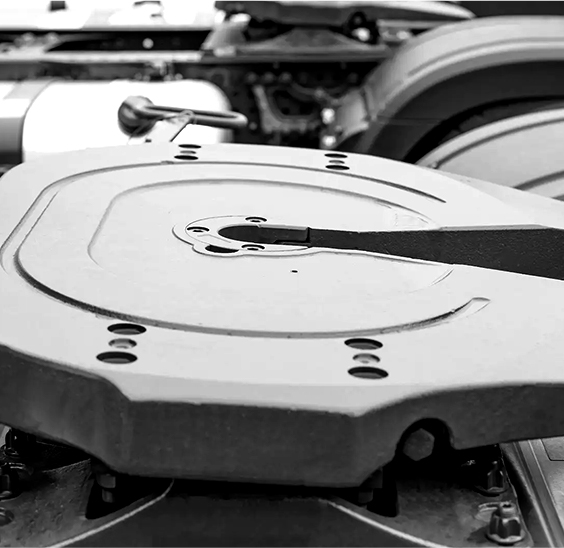
Components within a vehicle's powertrain — gear blanks, shaft forgings, synchronizer rings — operate under continuous cyclic loads and must maintain precise dimensional tolerances throughout a vehicle's service life. Any material weakness identified through tensile or fatigue testing at the manufacturing stage prevents catastrophic field failures that would carry both safety and warranty consequences. Explore the range of precision-forged parts for vehicle transmission systems manufactured to rigorous mechanical specifications.
Engineering and Construction Machinery
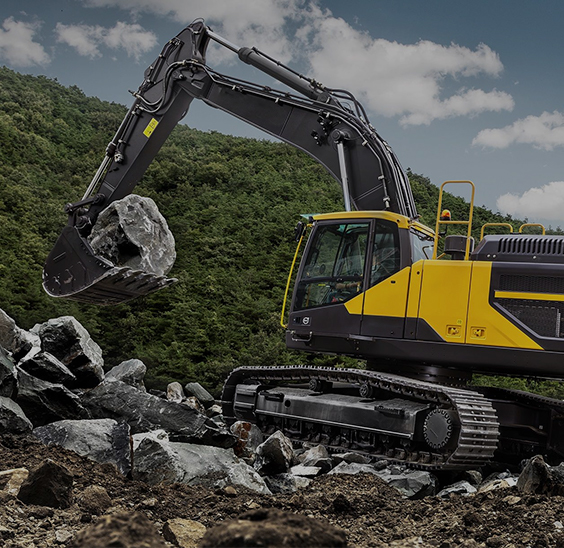
Excavator arms, hydraulic cylinder components, and crawler track links are subjected to shock, abrasion, and extreme environmental conditions. For these parts, Charpy impact testing at low temperatures and hardness uniformity after heat treatment are non-negotiable quality gates. Engineering machinery forging solutions that undergo full metallurgical verification ensure reliable uptime in field-deployed equipment.
Fluid Pump and Valve Systems
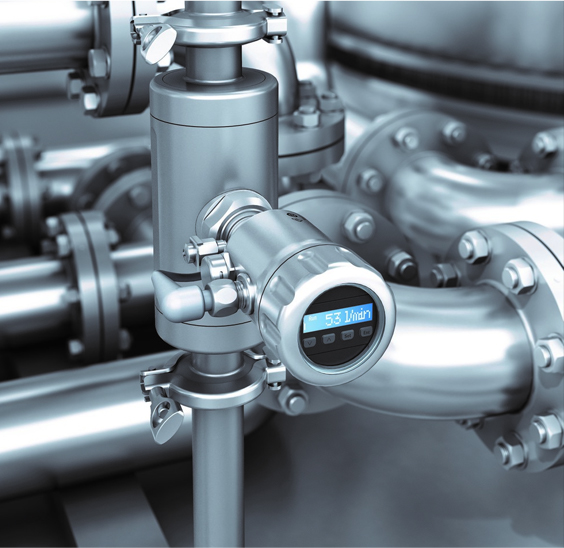
In industrial fluid handling, forged pump bodies and valve housings must resist internal pressure, corrosive media, and thermal cycling. Chemical composition testing and corrosion resistance verification are particularly critical here, especially for stainless steel forgings used in chemical processing or marine environments. Learn more about fluid pump valve forgings designed for demanding pressure and corrosion environments.
Industrial Instrumentation
Smaller, tighter-tolerance forgings used in measurement and control instruments demand exceptional dimensional consistency and surface integrity. Microhardness mapping and fine-scale metallographic inspection ensure that the material properties of these compact components are uniform throughout their cross-section — a requirement that bulk mechanical testing alone cannot fully satisfy.
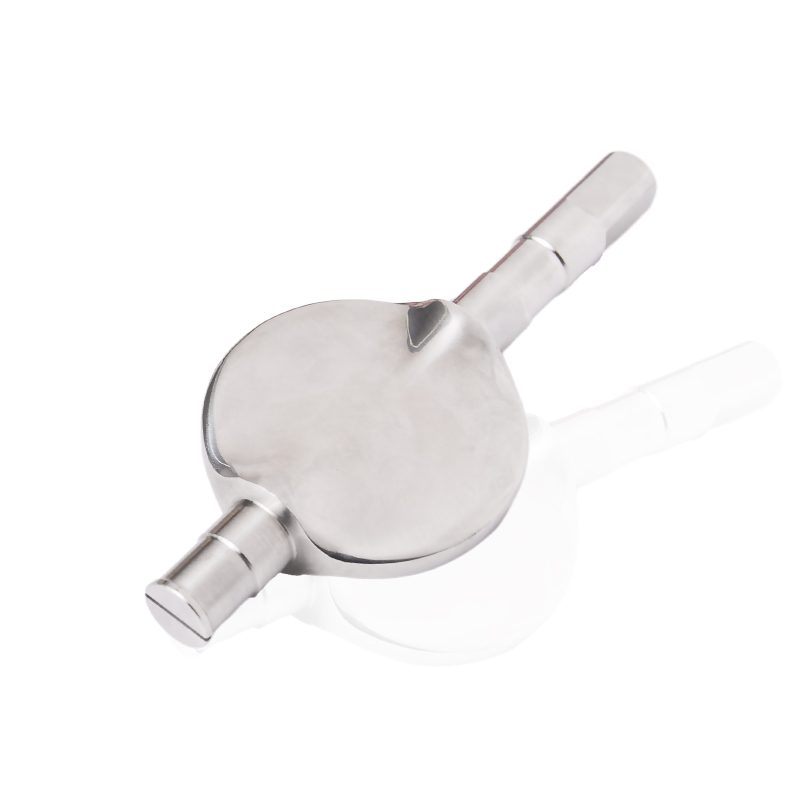
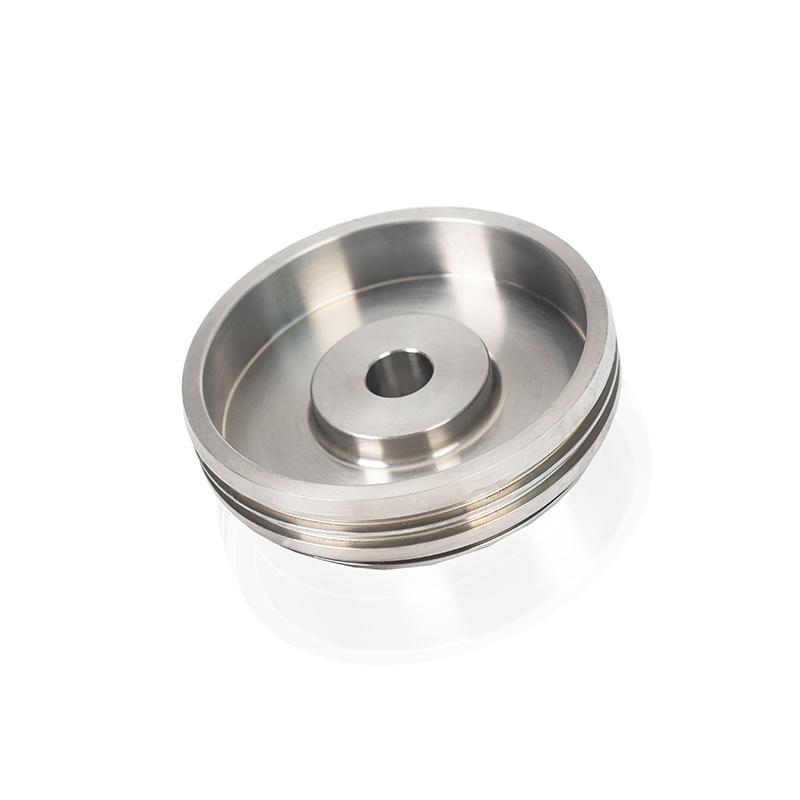
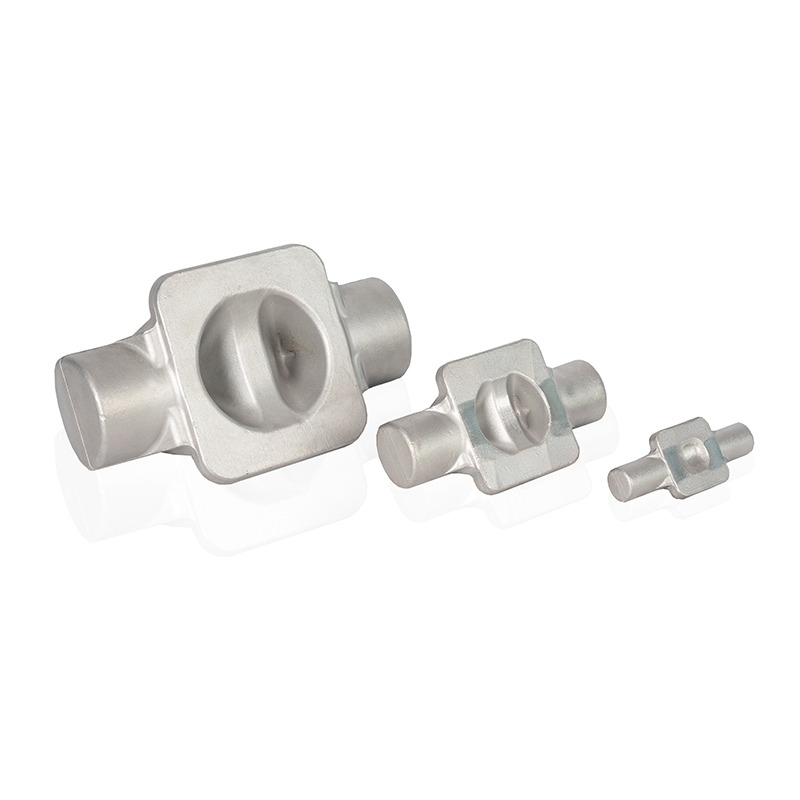
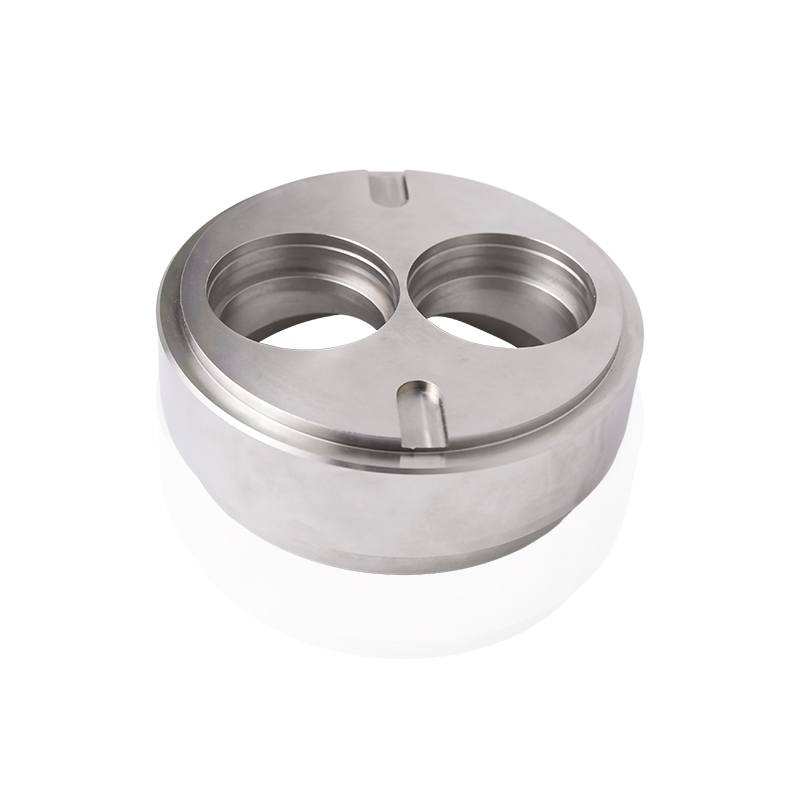
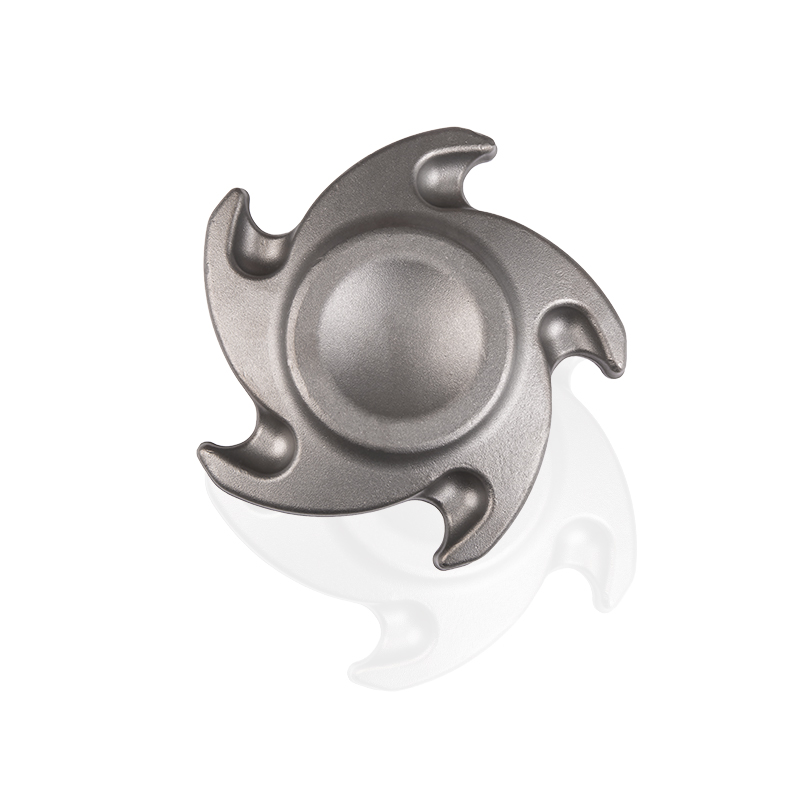
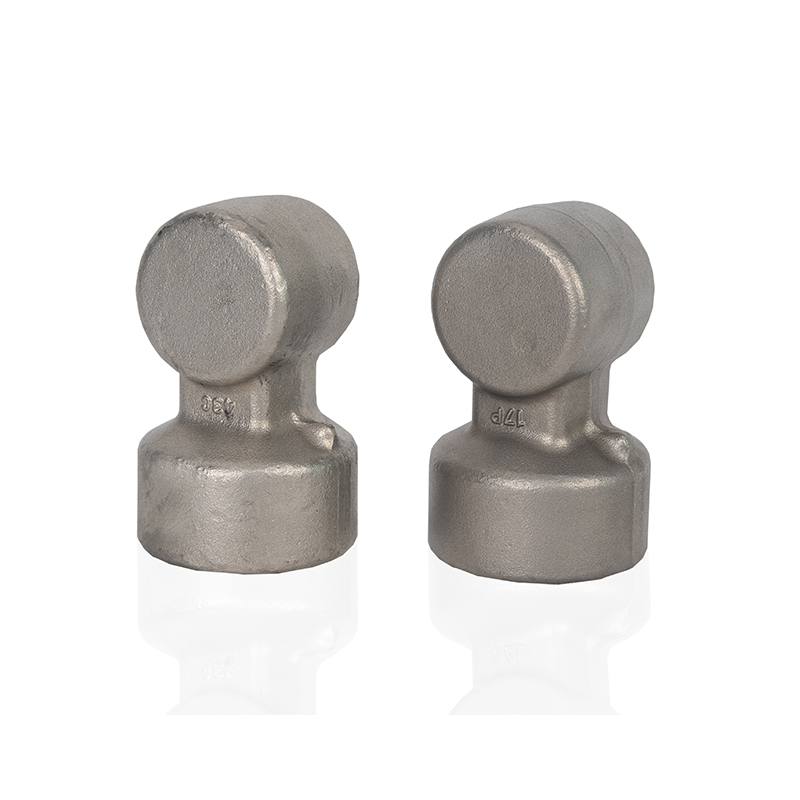
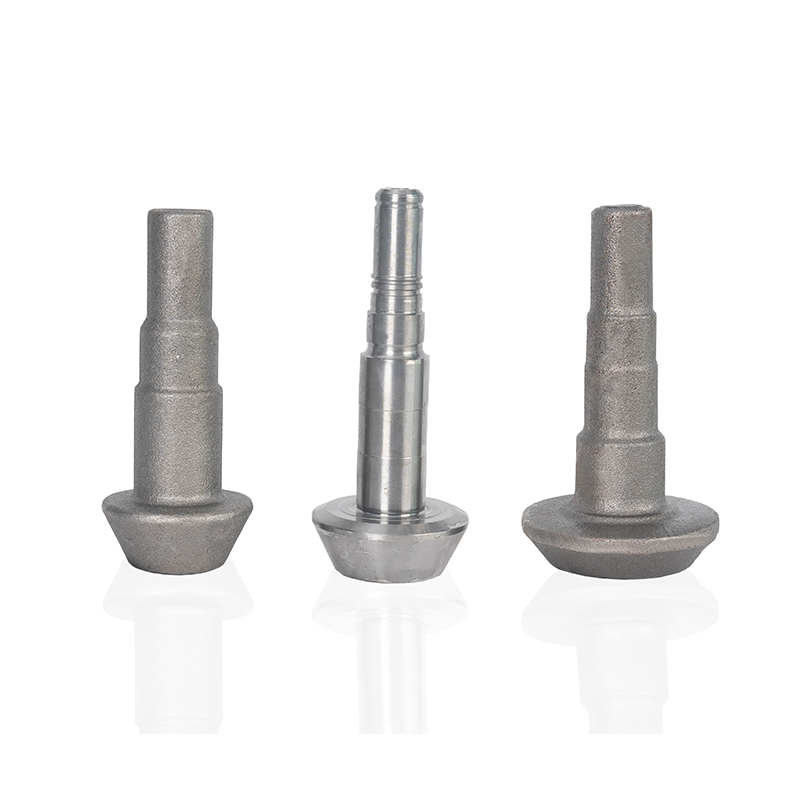
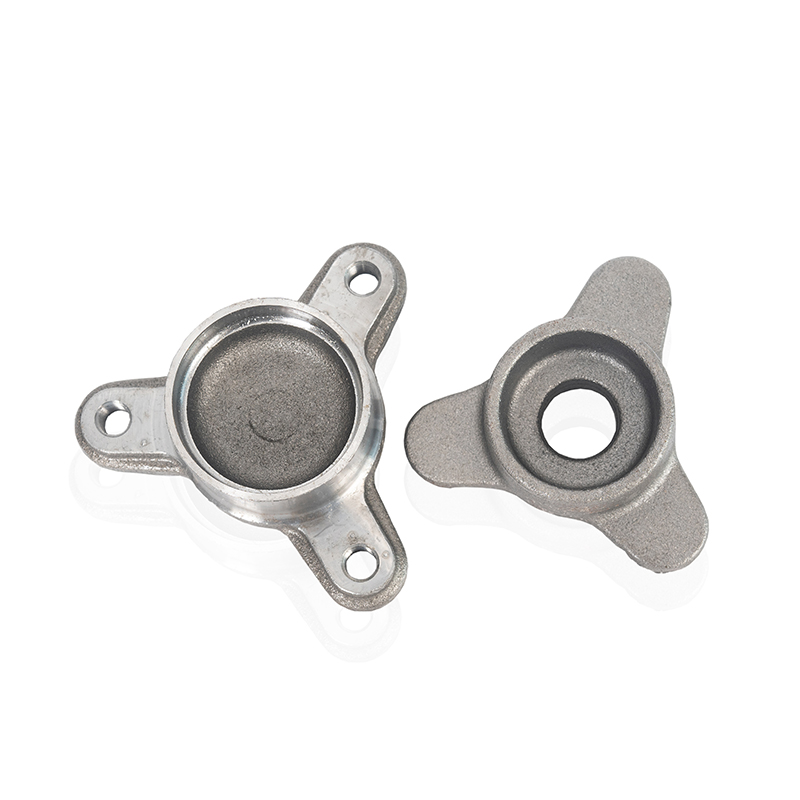
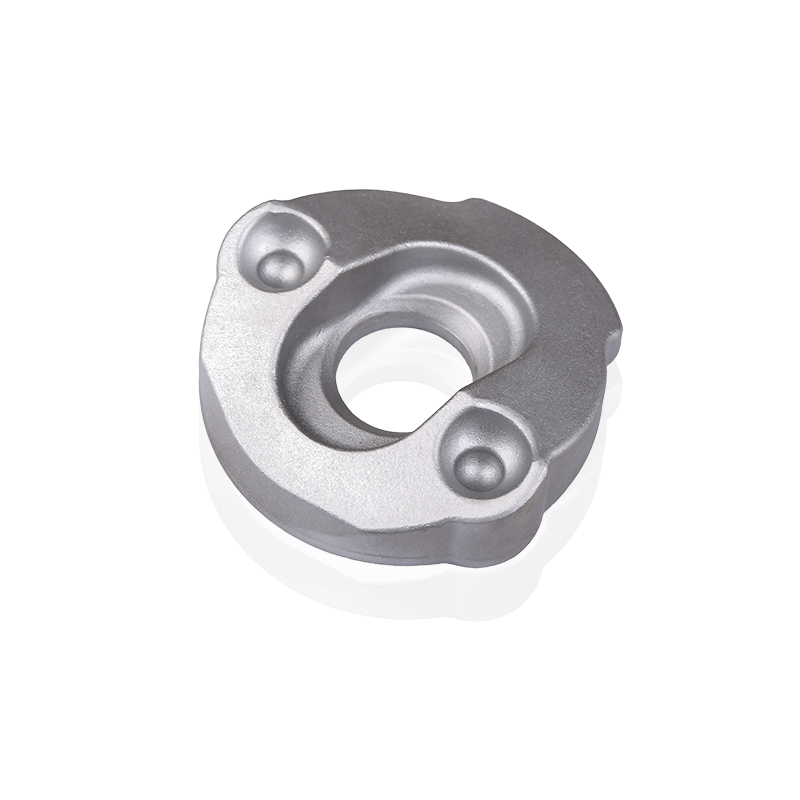
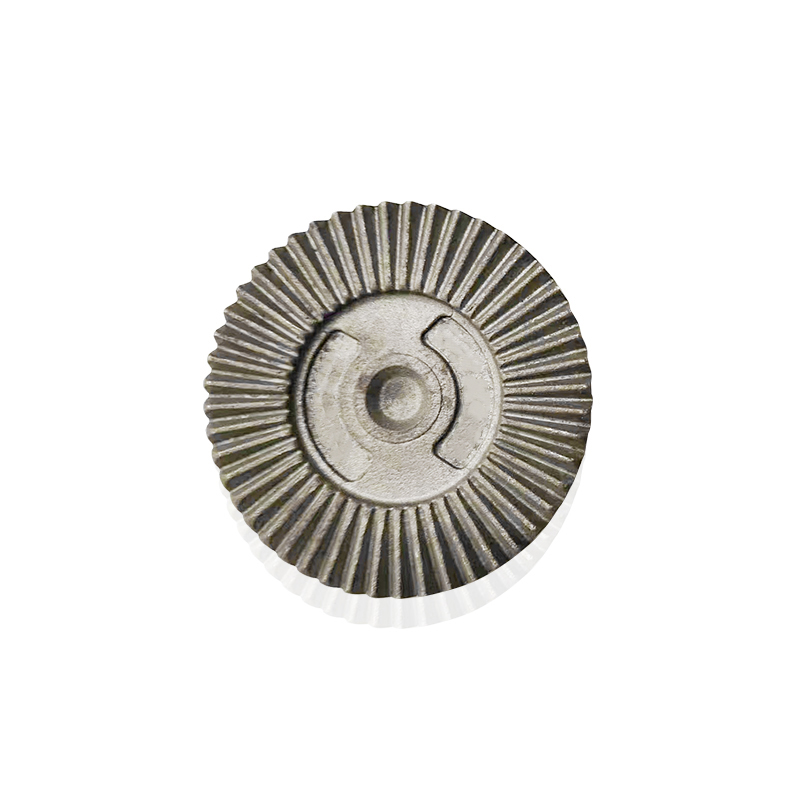
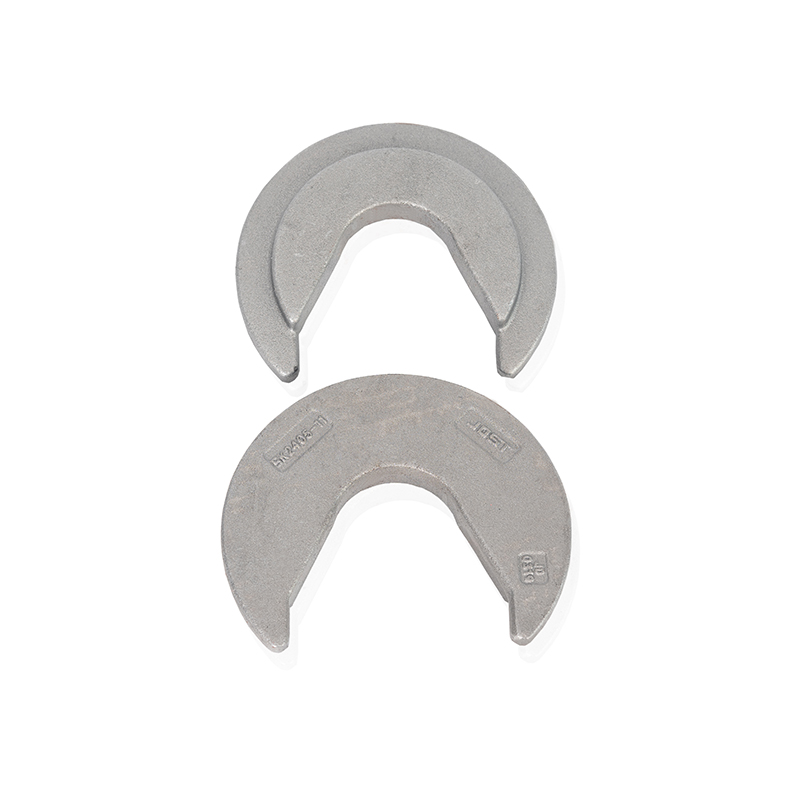
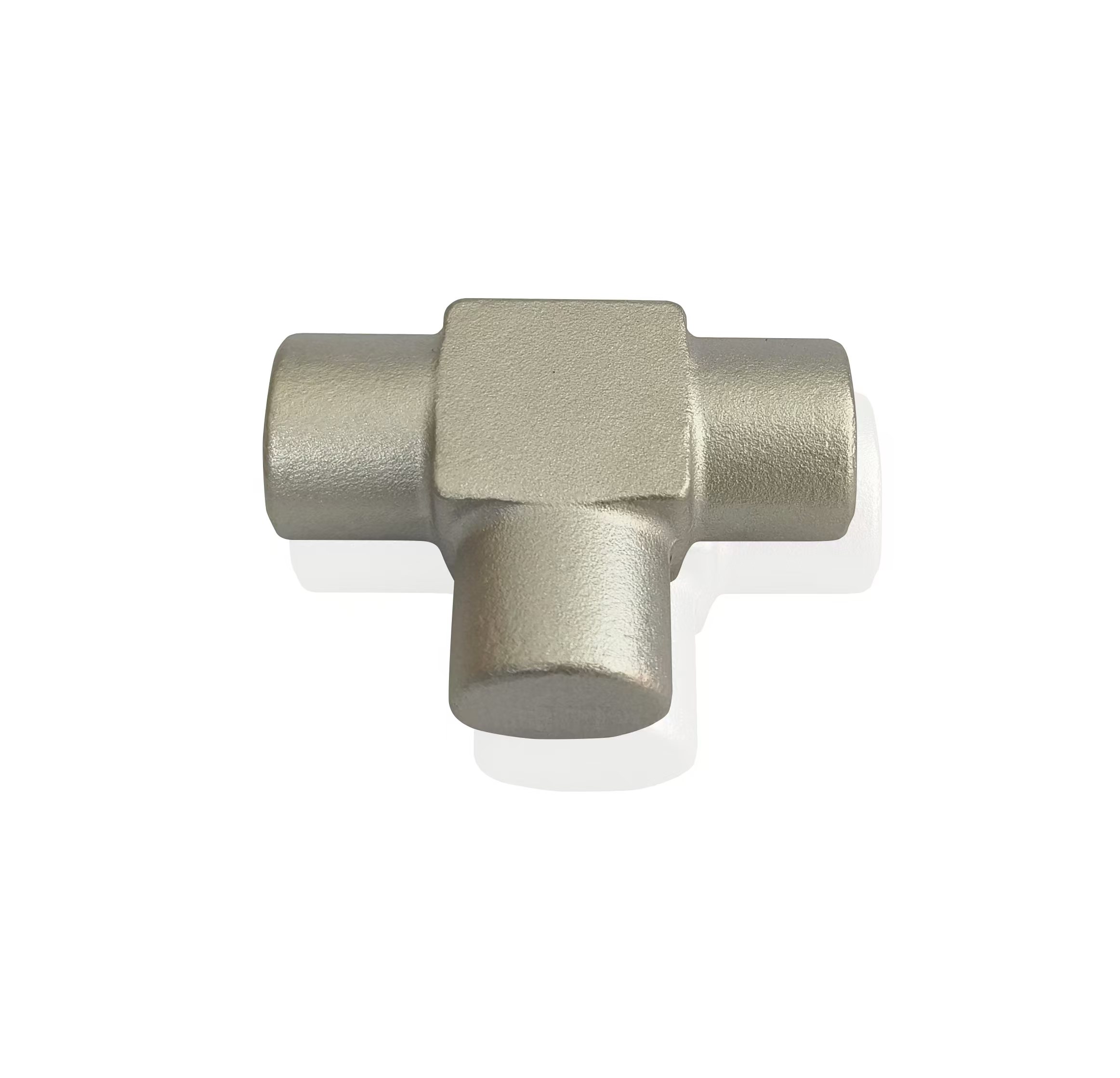

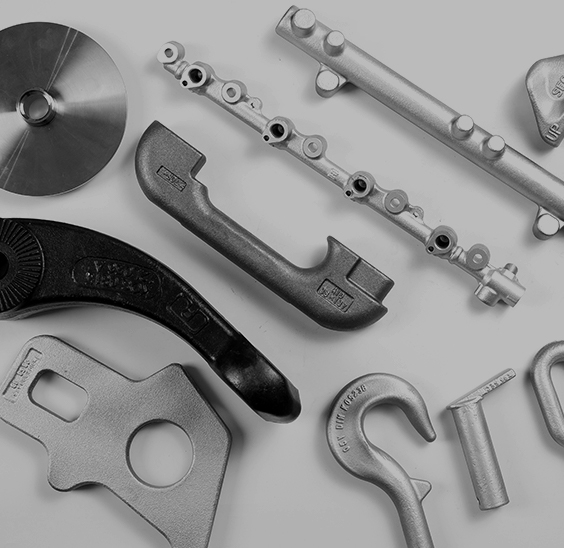
Our products primarily involve the production of forged components for the automotive industry, construction machinery industry, industrial instrumentation industry, and fluid equipment industry. Custom forging parts manufacturers and forged components solution providers in China.
Product links
Contact Us
-
Address:No. 5 Junrong Road, Daitou Town, Liyang City, Jiangsu Province, China
-
Tel:+86-18021979887
 苏公网安备32048102000516