

 EN
EN  English
 中文简体
中文简体


News

Forging Stainless Steel: Temperatures, Methods, and Defect Control
 2025.12.26
 Industry news
Content
- 1 Why Forging Stainless Steel Is Different
- 2 Recommended Forging Temperature Windows by Stainless Family
- 3 Selecting the Right Forging Method: Open-Die vs Closed-Die
- 4 Die Design and Lubrication for Stainless: What Reduces Defects
- 5 Controlling Typical Defects in Forging Stainless Steel
- 6 Press Loads, Reduction Planning, and Work Hardening
- 7 Post-Forge Heat Treatment Paths That Preserve Properties
- 8 Quality Checks and Documentation That Improve Yield
Why Forging Stainless Steel Is Different
Forging stainless steel is less forgiving than forging plain carbon steels because stainless grades work-harden rapidly, resist deformation, and can develop surface damage if temperature and lubrication are not controlled. Austenitic grades (such as 304/316) generally need higher hot-working temperatures and more robust lubrication; martensitic grades (such as 410/420) are more sensitive to cracking if forged too cool; precipitation-hardening grades (such as 17-4PH) demand tight thermal control to preserve downstream heat-treatment response.
In practical terms, successful forging stainless steel comes down to: staying in the correct temperature window, minimizing time at heat to avoid scale/embrittlement issues, using dies and lubricants suited to high friction, and planning the post-forge heat treatment so properties are achieved without distortion.
Recommended Forging Temperature Windows by Stainless Family
The fastest way to reduce cracking and excessive press tonnage is to forge within an appropriate temperature range and avoid “cold corners” late in the stroke. The ranges below are widely used shop targets; specific heats and product forms may require adjustment based on mill data and forging trials.
| Stainless family | Example grades | Forge start (°C) | Forge finish (°C) | Notes that matter in practice |
|---|---|---|---|---|
| Austenitic | 304, 316 | 1150–1200 | 900–950 | High friction; strong work hardening; reheat rather than “push cold.” |
| Ferritic | 430 | 1050–1150 | 850–950 | Generally easier than austenitic; watch grain coarsening at high heat. |
| Martensitic | 410, 420 | 1050–1150 | 900–950 | More crack-prone if finish temperature drops; avoid sharp transitions in dies. |
| Precipitation-hardening | 17-4PH | 1050–1150 | 900–980 | Tight control supports consistent aging response; document soak and transfer times. |
A practical control rule: if the part surface falls below the intended finish temperature, the risk of laps, edge cracking, and high loads increases quickly. For many shops forging stainless steel, more reheats with shorter strokes is safer than one long sequence that ends too cold.
Selecting the Right Forging Method: Open-Die vs Closed-Die
Method choice changes cost, achievable tolerances, and defect risk. Forging stainless steel typically benefits from closed-die control when geometry is complex, but open-die is often superior for large billets and simpler shapes where grain flow direction is the primary design lever.
Open-die forging: best when grain flow and reduction are the goal
- Use for shafts, rings, blocks, and preforms where subsequent machining is expected.
- Allows higher cumulative reduction with less risk of trapped laps than complex impression dies.
- Process leverage: controlling bite size and rotation sequence can materially improve internal soundness.
Closed-die forging: best when repeatability and near-net shape matter
- Use for flanges, fittings, brackets, and safety-critical near-net geometries.
- Requires robust lubrication because stainless friction can cause die fill problems and surface tearing.
- Die radii and draft angles have outsized impact; small radii that work in carbon steel can promote laps in stainless.
Die Design and Lubrication for Stainless: What Reduces Defects
Because forging stainless steel involves higher flow stress and friction, die details that seem minor often decide whether you get clean surfaces or recurring laps and folds. Two levers dominate: generous metal flow paths (radii, transitions, draft) and lubricants that survive heat while reducing shear at the die/part interface.
Die geometry rules that typically pay off
- Increase corner radii where possible to avoid sharp flow reversals that create laps.
- Use consistent draft angles to support ejection and reduce surface dragging.
- Design flash and gutter capacity to prevent “back pressure” that forces folds into the parting line.
Lubrication and transfer practices
In many stainless applications, lubrication is not optional; it directly affects fill, die wear, and surface integrity. Shops commonly use graphite-based or specialized high-temperature lubricants for hot forging. Operationally, the key is consistency: apply the same amount, at the same die temperature band, with controlled spray patterns, because variability becomes variability in defect rates.
A useful indicator: if die life is dropping rapidly or surfaces show drag marks, your effective friction is too high. Reducing friction can lower required forming loads by double-digit percentages in difficult fills, improving both tool life and dimensional repeatability.
Controlling Typical Defects in Forging Stainless Steel
Defects in forged stainless often trace back to one of three root causes: temperature that falls out of range, metal flow that is forced to reverse or fold, and surface conditions that create initiation sites for cracks. The table below links common defects to actionable controls.
| Defect | What it looks like | Typical root cause | High-impact fix |
|---|---|---|---|
| Laps / folds | Overlapped seams near parting lines | Flow reversal, insufficient flash capacity, too-cool finish | Increase radii/draft; adjust flash land; reheat before final fill |
| Edge cracking | Cracks at corners or thin edges | Excess strain at low temperature; sharp geometry | Raise finish temperature; soften transitions; reduce reduction per hit |
| Surface tearing | Ragged surface, drag marks | High friction; lubricant breakdown; die too cool/hot | Upgrade lubricant practice; stabilize die temperature; polish critical die areas |
| Underfill | Missing corners/features | Insufficient stock volume; too cold; inadequate press energy | Correct preform volume; shorten transfer time; add intermediate blocker stage |
A practical example: if a 316 stainless flange shows recurring laps at the parting line, shops often see improvement by increasing flash gutter capacity and ensuring the final impression hit occurs above ~900–950°C rather than forcing fill after the piece cools on the manipulator.
Press Loads, Reduction Planning, and Work Hardening
Forging stainless steel can demand significantly higher forming loads than carbon steel at the same geometry due to higher hot strength and friction. Work hardening adds another constraint: as deformation progresses, the apparent resistance to flow increases, especially in austenitic grades.
How to plan reductions to avoid stalls and cracking
- Use staged deformation (edging/blocker/finisher) rather than forcing full fill in one impression.
- If the part is cooling quickly, reduce “air time” between heats; transfer delays can erase the temperature margin.
- For long sequences, plan for reheats; reheat cycles are often cheaper than scrap, die damage, or press overload.
As a rule of thumb for production stability, set process limits for minimum finish temperature, maximum transfer time, and maximum allowed hits per heat. Capturing these as simple control charts often reduces repeat defects more effectively than “operator feel” alone.
Post-Forge Heat Treatment Paths That Preserve Properties
In forging stainless steel, the forging operation and heat treatment are a single system. The same part that forges well can still fail performance requirements if heat treatment is not aligned to grade family and final application.
Common, practical paths by grade family
- Austenitic (304/316): solution anneal and quench when corrosion resistance and ductility are critical; avoid sensitization by controlling time in temperature ranges that promote carbide precipitation.
- Martensitic (410/420): harden and temper for strength and wear; manage quench severity to limit distortion, then temper to stabilize.
- 17-4PH: solution treat as required, then age to target strength; consistent prior forging thermal history supports predictable aging response.
If dimensional stability matters, plan heat treatment fixtures and machining allowances early. A small increase in machining stock can be a cost-effective hedge against distortion, especially when moving from prototype to production.
Quality Checks and Documentation That Improve Yield
Yield improvements in forging stainless steel are usually driven by disciplined controls, not heroic troubleshooting. Even simple documentation can reveal the real cause of repeat scrap.
High-value checks to standardize
- Record billet temperature at furnace exit and before the final fill; enforce a minimum finish temperature limit.
- Track die temperature bands if surface tearing or underfill fluctuates across shifts.
- Use NDT where appropriate (e.g., dye penetrant for surface-breaking defects, UT for internal integrity) and tie results back to heat/shift parameters.
A pragmatic KPI for many forging lines is scrap rate by defect type. When laps, cracks, and underfill are separated and trended, process changes become measurable, and improvements can be sustained rather than episodic.
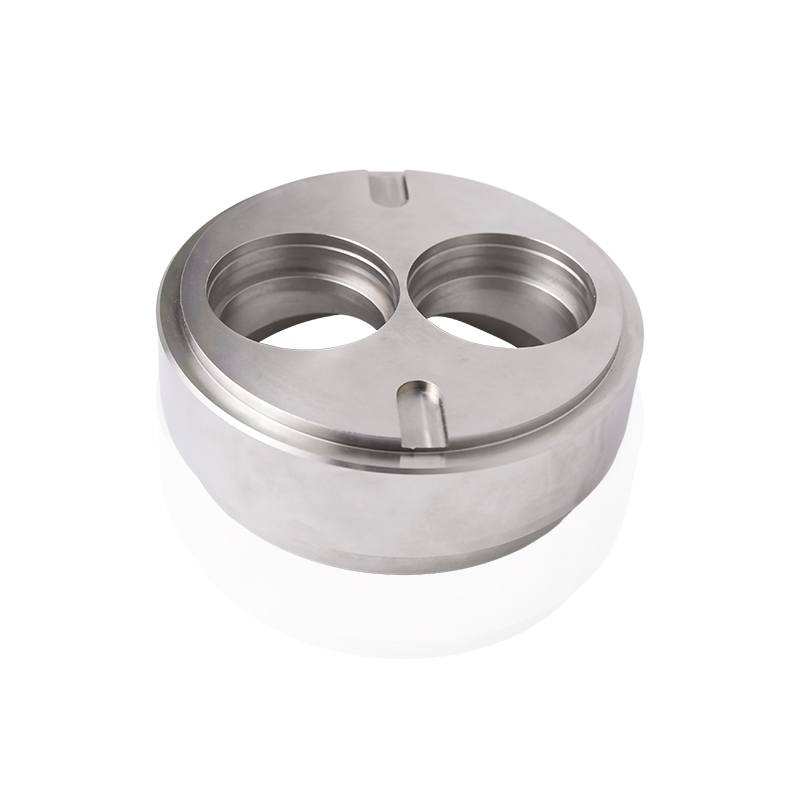
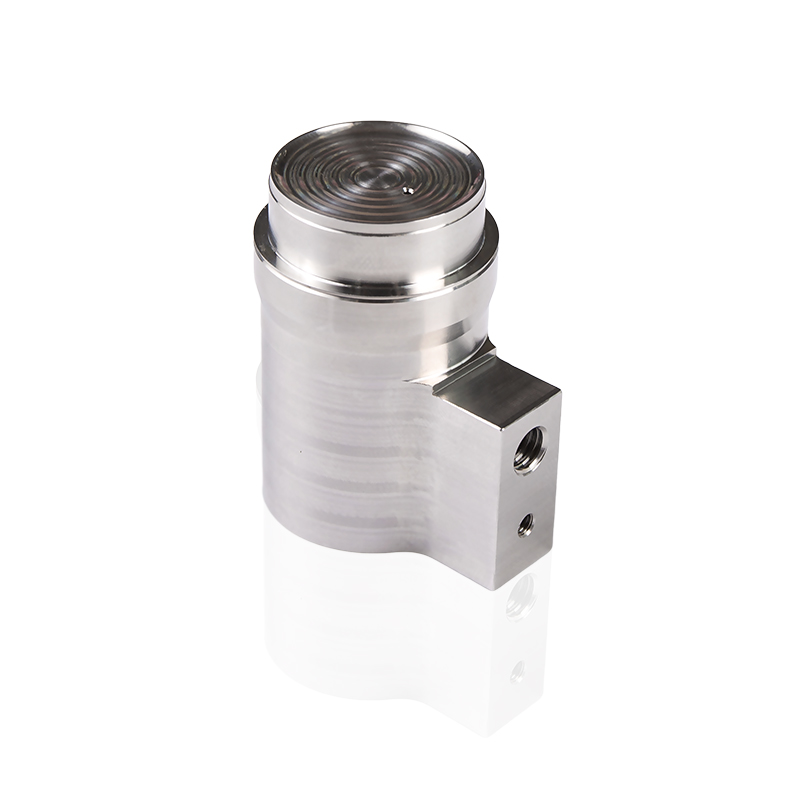
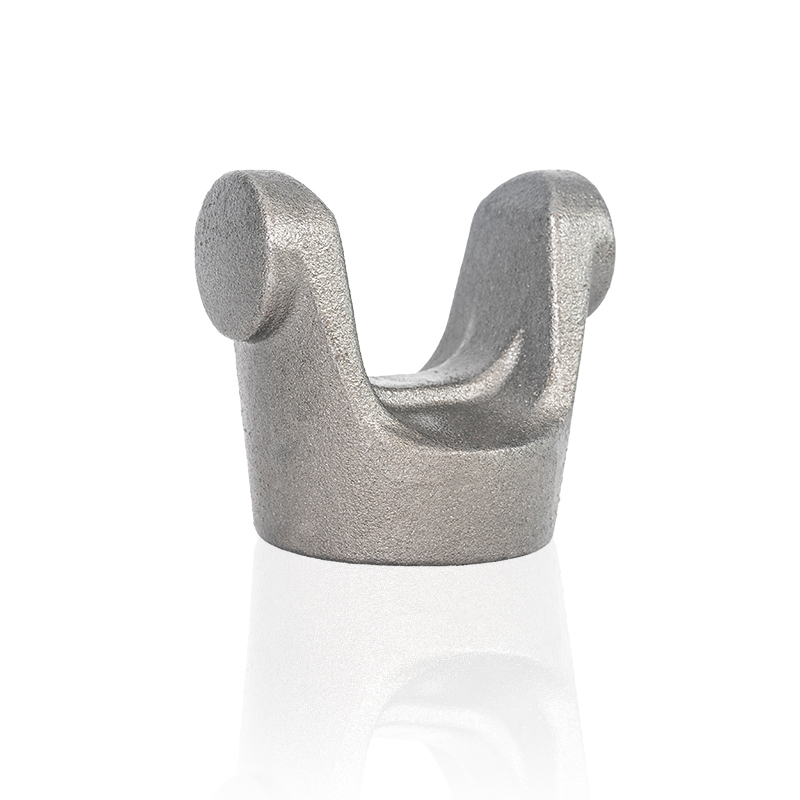
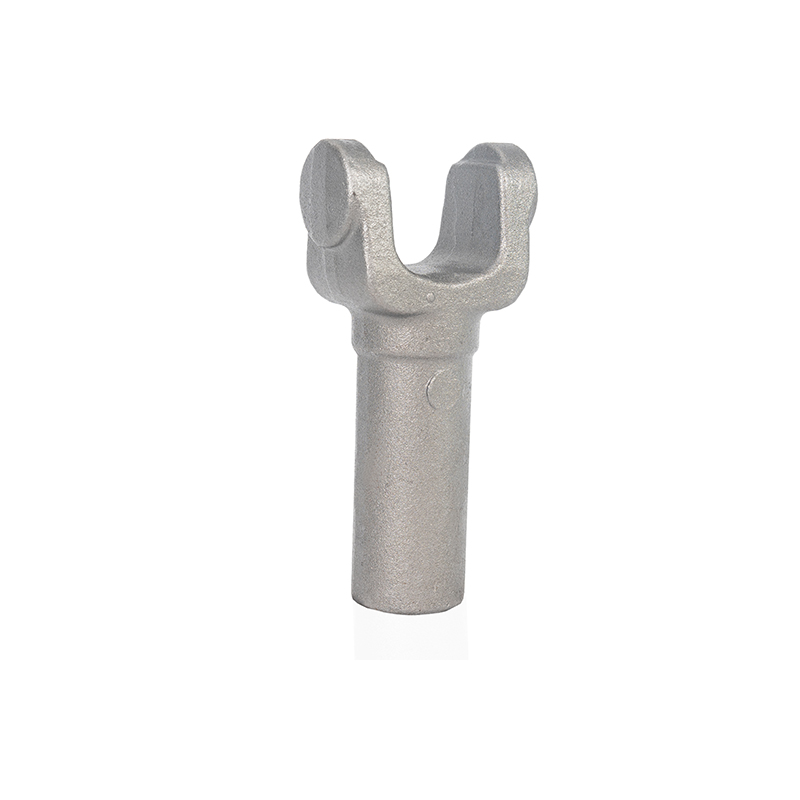
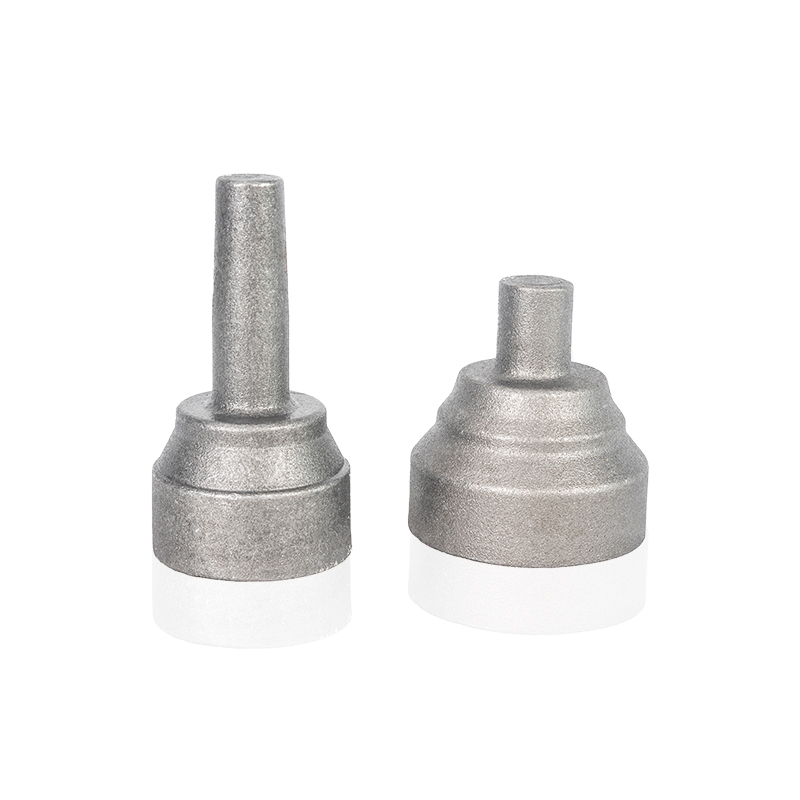
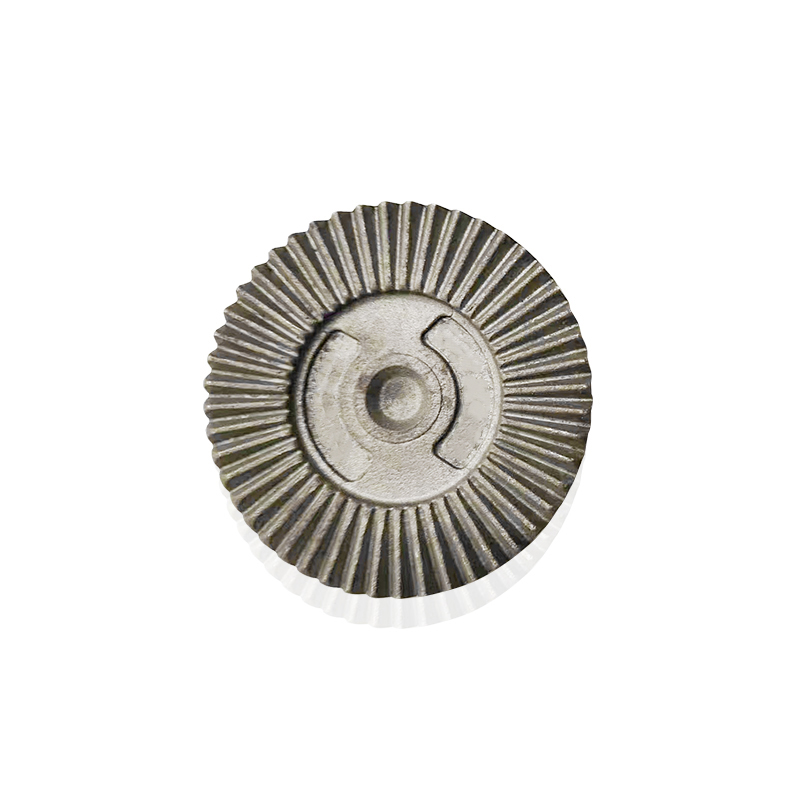
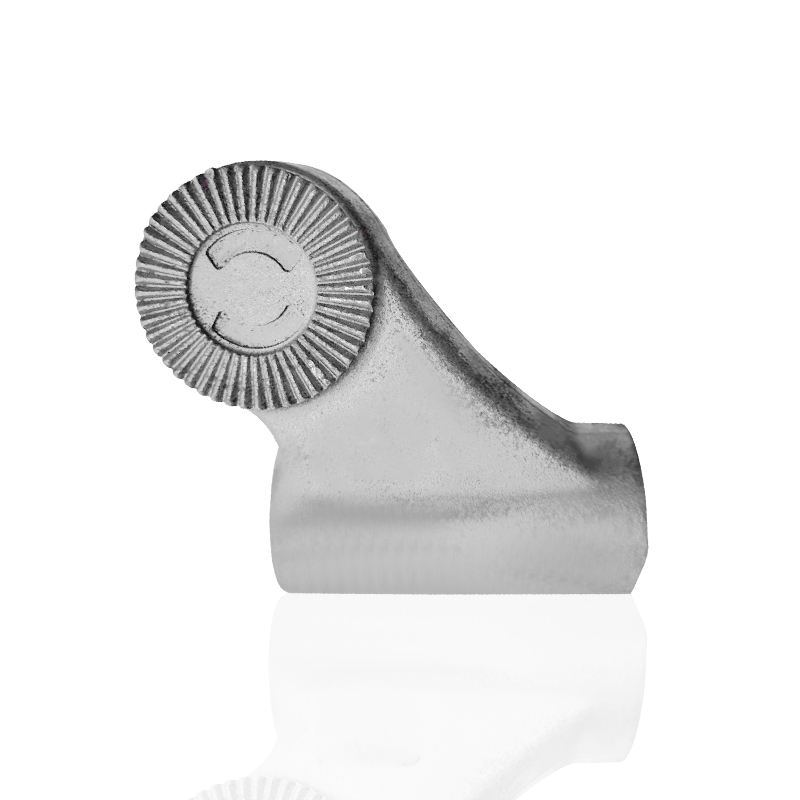
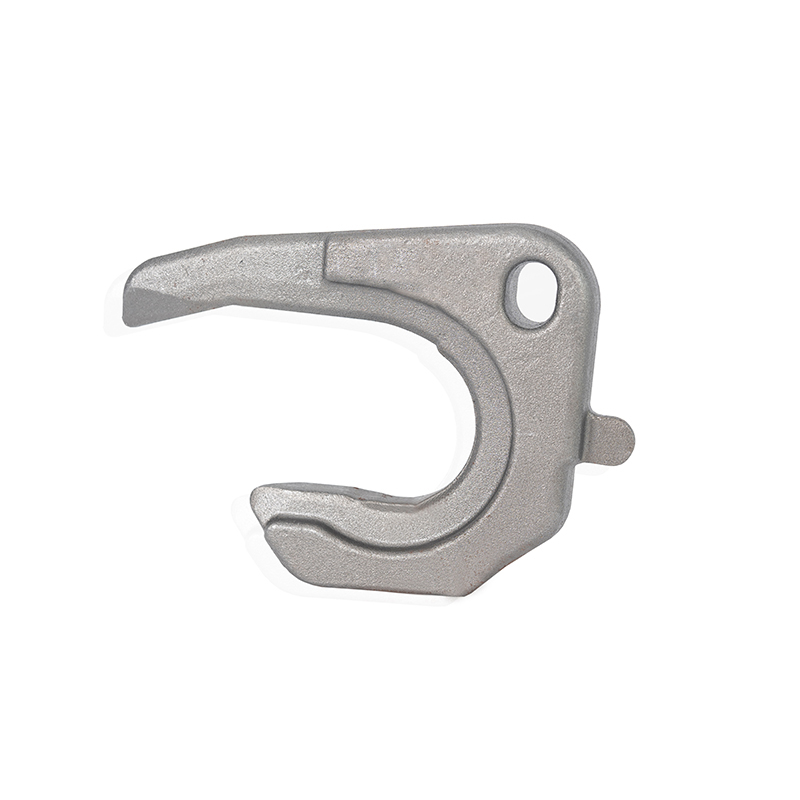
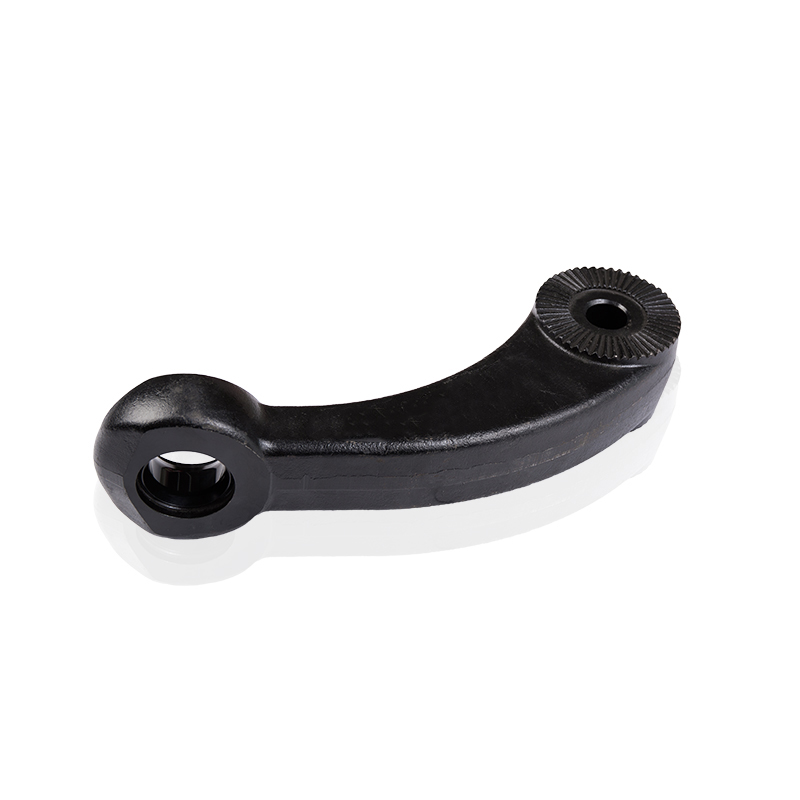
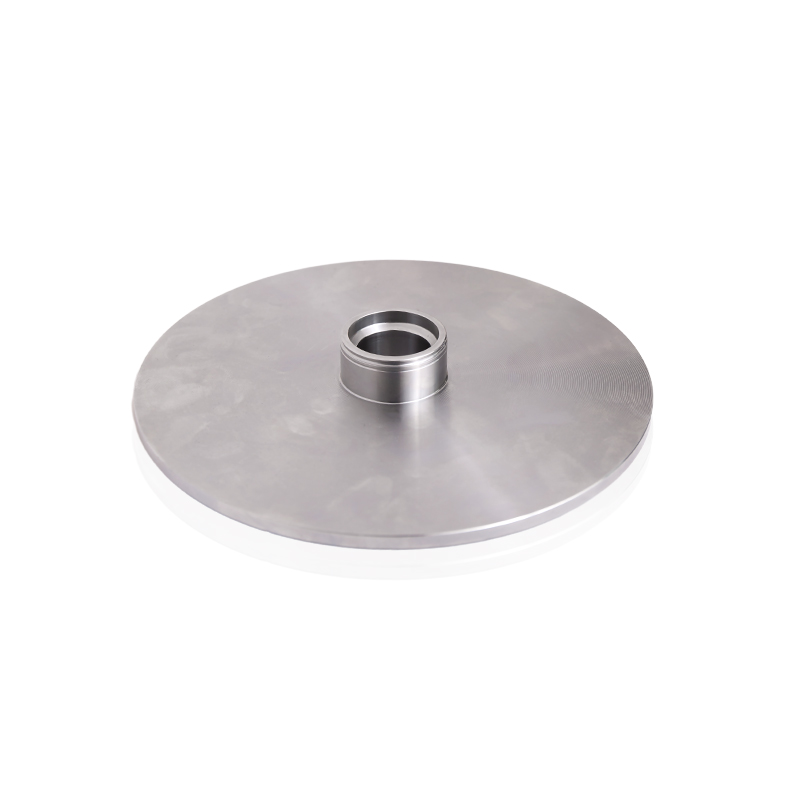
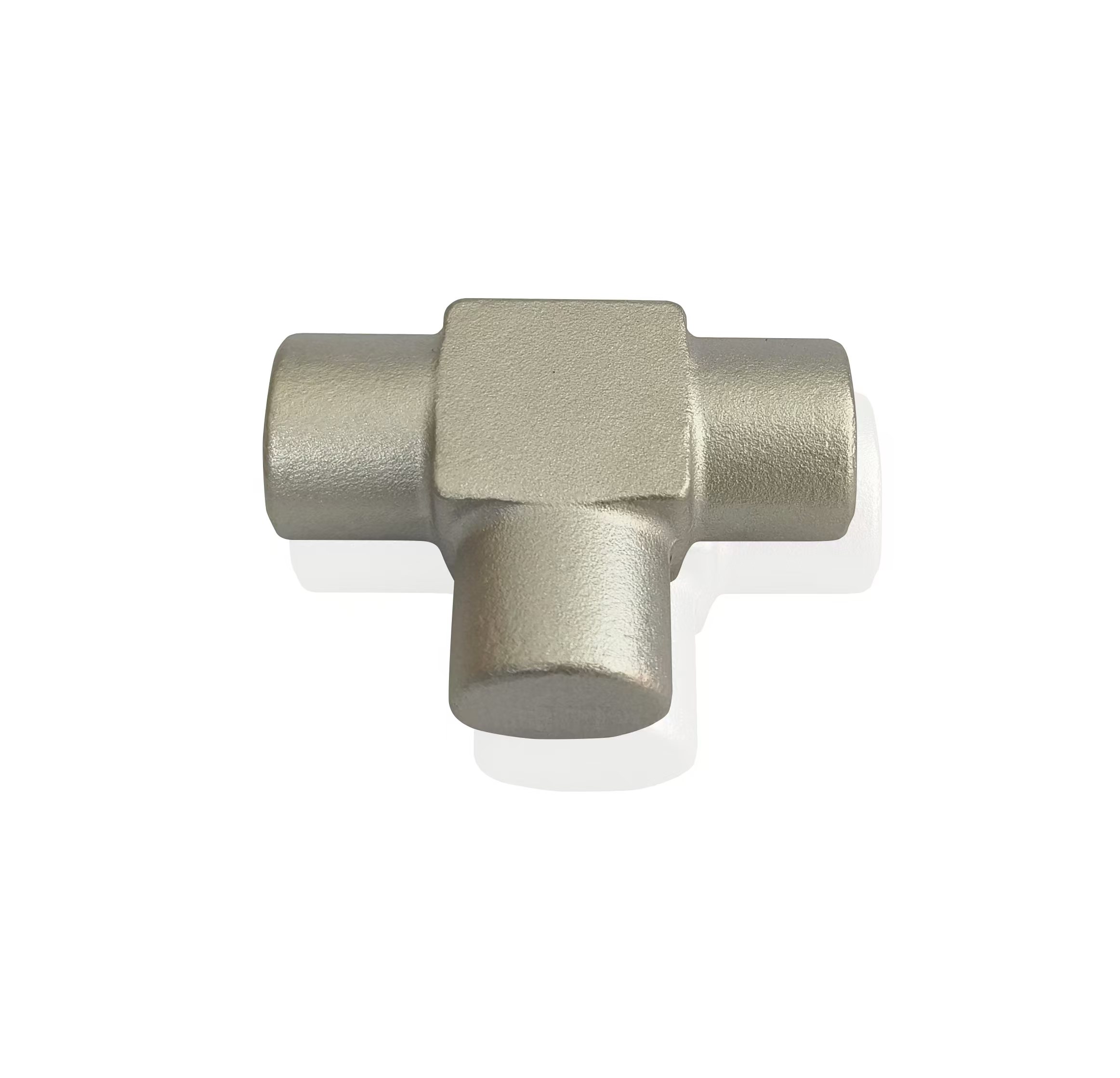
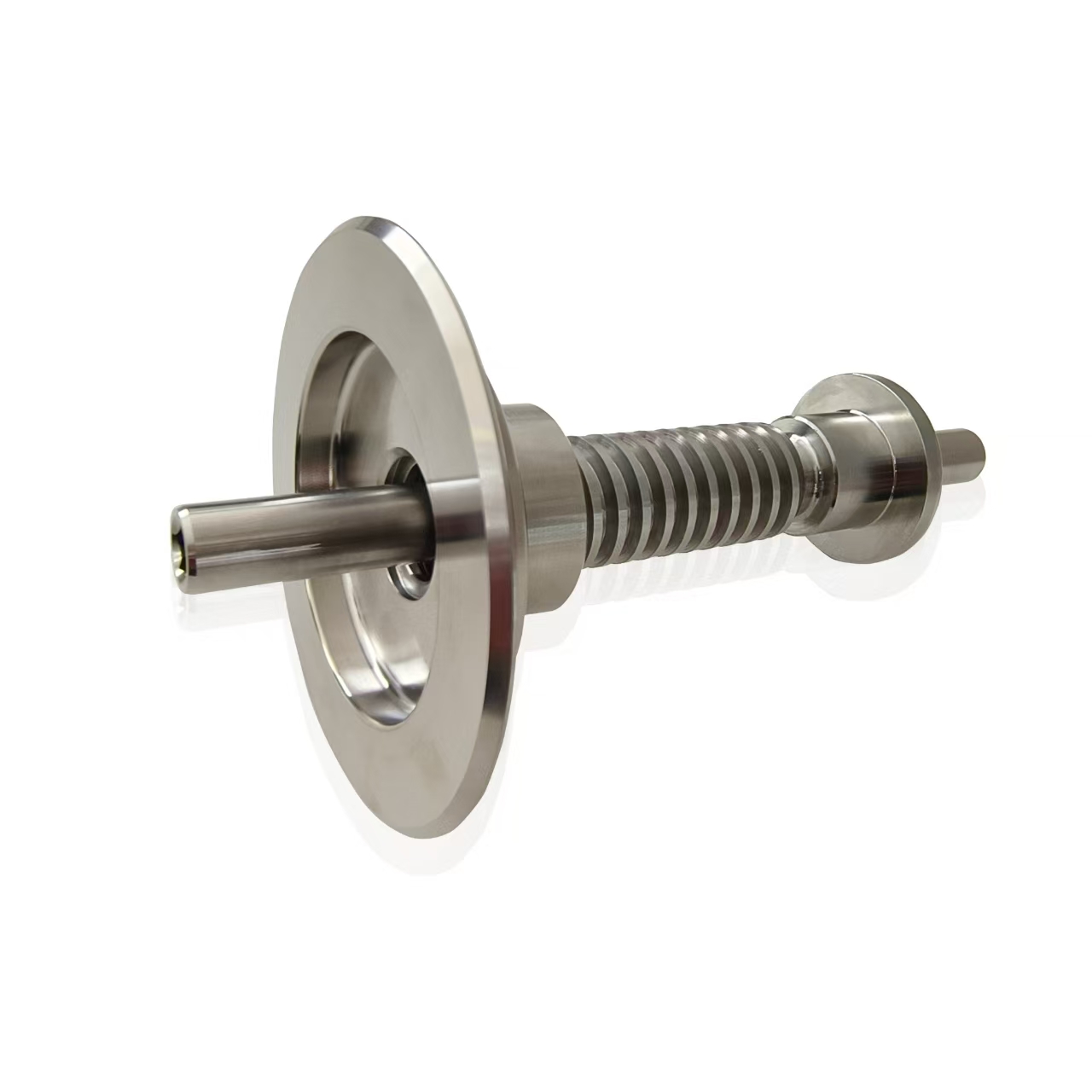

Our products primarily involve the production of forged components for the automotive industry, construction machinery industry, industrial instrumentation industry, and fluid equipment industry. Custom forging parts manufacturers and forged components solution providers in China.
Product links
Contact Us
-
Address:No. 5 Junrong Road, Daitou Town, Liyang City, Jiangsu Province, China
-
Tel:+86-18021979887
 苏公网安备32048102000516