

 EN
EN  English
 中文简体
中文简体
News

Is Stainless Steel a Ferrous Material? Composition, Types & Uses
 2025.12.05
 Industry news
Content
- 1 Is Stainless Steel a Ferrous Material?
- 2 What Makes a Metal Ferrous?
- 3 How Stainless Steel Is Composed and Classified
- 4 Why Some Stainless Steels Are Magnetic and Others Are Not
- 5 Corrosion Resistance: Stainless vs Other Ferrous Materials
- 6 Practical Implications: Selecting Stainless Steel as a Ferrous Material
- 7 Recycling and Sustainability of Ferrous Stainless Steels
- 8 Clear Answer: Is Stainless Steel a Ferrous Material?
Is Stainless Steel a Ferrous Material?
Understanding whether stainless steel is a ferrous material starts with the definition of “ferrous.” In materials science, ferrous metals are those that contain iron as their main constituent. By this strict definition, most stainless steels are indeed ferrous because their base element is iron. However, stainless steel behaves very differently from common carbon steel in terms of corrosion resistance and magnetism, which often leads to confusion. To make practical decisions in engineering, manufacturing, or product selection, it is essential to distinguish between composition, microstructure, and performance rather than relying on a simple ferrous versus non‑ferrous label.
What Makes a Metal Ferrous?
In practical engineering language, a ferrous metal is any alloy whose primary component is iron (Fe). This includes plain carbon steels, low‑alloy steels, cast irons, and most stainless steels. The high iron content strongly influences mechanical properties such as strength, hardness, and response to heat treatment. Non‑ferrous metals, in contrast, are based on other elements such as aluminum, copper, nickel, titanium, or magnesium and usually lack the characteristic rusting behavior associated with unprotected iron.
The term “ferrous” is about composition, not about magnetism or corrosion on their own. Many people mistakenly think that “ferrous” means “magnetic” or “rust‑prone,” but there are non‑magnetic ferrous alloys and corrosion‑resistant ferrous alloys. Stainless steel sits in this nuanced space: it is iron‑based and therefore ferrous, but it is specifically engineered to resist corrosion and can be either magnetic or non‑magnetic depending on its internal structure.
How Stainless Steel Is Composed and Classified
Stainless steel is not a single material but a family of iron‑based alloys containing a minimum of about 10.5% chromium, along with varying amounts of elements such as nickel, molybdenum, manganese, nitrogen, and carbon. The chromium is critical because it forms a thin, stable oxide film on the surface, protecting the alloy from rapid rusting and giving stainless steel its signature corrosion resistance. Additional alloying elements are chosen to enhance specific properties such as strength, resistance to particular chemicals, weldability, or toughness at low temperature.
The metallurgy of stainless steel is usually discussed in terms of microstructure. Different alloy compositions and heat treatments produce different crystal structures in the solid metal, which in turn control properties like magnetism and hardenability. The major families of stainless steel are austenitic, ferritic, martensitic, duplex, and precipitation‑hardening. All of them are iron‑based and therefore ferrous, but they can behave very differently in service.
Main Stainless Steel Families and Their Characteristics
| Family | Typical Examples | Magnetism | Key Traits |
| Austenitic | 304, 316 | Generally non‑magnetic in annealed state | Excellent corrosion resistance, good formability and weldability |
| Ferritic | 409, 430 | Magnetic | Moderate corrosion resistance, good resistance to stress corrosion cracking |
| Martensitic | 410, 420, 440C | Magnetic | High hardness and strength, moderate corrosion resistance |
| Duplex | 2205, 2507 | Partially magnetic | High strength, very good chloride stress corrosion resistance |
| Precipitation‑hardening | 17‑4PH | Magnetic | Very high strength after heat treatment, good corrosion resistance |
All of these families are iron‑based and thus ferrous. The differences lie in how chromium, nickel, carbon, and other elements are balanced to reach the desired microstructure, which then governs corrosion resistance, mechanical strength, and magnetism.
Why Some Stainless Steels Are Magnetic and Others Are Not
Magnetism is one of the main reasons many people assume stainless steel is non‑ferrous. In reality, magnetism is linked to microstructure, not directly to whether the alloy is ferrous. Iron can exist in different crystal structures, some of which are magnetic and some of which are not. When alloying elements and heat treatment stabilise a non‑magnetic structure, the resulting stainless steel may not be attracted to a magnet even though it still contains plenty of iron.
The key microstructural forms relevant to magnetism in stainless steels are austenite, ferrite, and martensite. Austenite is face‑centered cubic and generally non‑magnetic, whereas ferrite and martensite are body‑centered structures that are ferromagnetic. This explains why common austenitic grades such as 304 and 316 are usually non‑magnetic in their solution‑annealed condition, while ferritic and martensitic stainless steels behave much like carbon steel in a magnetic field.
Typical Magnetic Behaviors of Common Stainless Grades
- Austenitic 304 and 316 are largely non‑magnetic when fully annealed, but cold working can introduce some martensite, creating a partial magnetic response, especially near bend lines and heavily formed areas.
- Ferritic grades such as 409 and 430 are clearly magnetic because their structure is ferritic at room temperature, similar to low‑carbon steel.
- Martensitic grades such as 410, 420, and 440C are strongly magnetic and can be hardened, which is why they are used in cutting tools, turbine blades, and wear‑resistant parts.
- Duplex grades have a dual microstructure: roughly half austenite and half ferrite, so they show a noticeable but not extreme magnetic attraction.
The important practical point is that a magnet test cannot reliably distinguish “stainless” from “non‑stainless” or “ferrous” from “non‑ferrous.” A non‑magnetic stainless steel can still be ferrous and fully capable of rusting if abused, and a magnetic stainless steel can still be significantly more corrosion‑resistant than ordinary carbon steel.
Corrosion Resistance: Stainless vs Other Ferrous Materials
Another common assumption is that ferrous metals rust while stainless steel does not. The reality is more nuanced. Plain carbon steel rusts rapidly in moist air because the iron oxide that forms is porous and non‑protective, allowing corrosion to continue. Stainless steel, however, contains enough chromium to form a very thin, adherent, and self‑healing oxide layer, often called a passive film, which dramatically slows further attack. This makes stainless steel much more durable in many environments while still remaining technically ferrous.
Not all stainless steels offer the same level of corrosion resistance. Austenitic and duplex grades generally provide superior resistance in aggressive environments, such as marine atmospheres or chemical processing, especially when alloyed with additional elements like molybdenum and nitrogen. Ferritic and martensitic grades are more limited but still outperform standard carbon steels in many situations. The specific environment, including temperature, chloride concentration, and presence of acids, determines whether a given stainless grade is appropriate.
Comparing Corrosion Behavior of Ferrous Materials
| Material Type | Ferrous? | Typical Corrosion Behavior |
| Low‑carbon steel | Yes | Rusts quickly without coating in humid or wet environments |
| Cast iron | Yes | Rusts but may develop somewhat protective scales at high temperature |
| Stainless steel (general) | Yes | Forms passive film; good to excellent corrosion resistance depending on grade |
| Aluminum alloy | No | Forms protective oxide; resistant in many environments but vulnerable to some alkalis |
This comparison shows that being ferrous does not automatically mean poor corrosion resistance. Stainless steels are an example of ferrous materials specifically engineered to overcome the typical corrosion limitations of iron‑based alloys.
Practical Implications: Selecting Stainless Steel as a Ferrous Material
Recognizing stainless steel as a ferrous material has direct practical consequences in design, fabrication, and maintenance. Because it is iron‑based, stainless steel behaves similarly to other steels in terms of density, elastic modulus, and thermal expansion, which simplifies structural calculations and mechanical design. At the same time, its corrosion resistance and variable magnetism require careful consideration when used in critical applications such as food processing, medical devices, or marine hardware.
When specifying stainless steel, it is more helpful to think in terms of required performance than in terms of the ferrous label. Consider the environment, mechanical loads, fabrication methods, inspection requirements, and end‑of‑life recycling. Within that context, the iron‑based nature of stainless steel becomes one parameter among many, influencing choices such as welding processes, compatible fasteners, and galvanic corrosion control.
Key Factors to Consider When Choosing a Stainless Steel Grade
- Service environment: Assess exposure to chlorides, acids, alkalis, high temperatures, and cyclic wet‑dry conditions, as these strongly affect corrosion performance.
- Required mechanical properties: Define necessary strength, hardness, toughness, and fatigue resistance, which vary widely across stainless families.
- Magnetism and functional requirements: Determine whether magnetic attraction is acceptable, undesirable, or required, for example in sensor housings or magnetic resonance environments.
- Fabrication processes: Evaluate how the material will be cut, formed, machined, and welded, since different grades have different work‑hardening and weldability characteristics.
- Cost and availability: Balance material cost, processing cost, and supply chain reliability against performance needs and safety factors.
- Compatibility with other materials: Consider galvanic couples in wet environments, especially when stainless steel is joined to carbon steel, aluminum, or copper alloys.
Recycling and Sustainability of Ferrous Stainless Steels
As ferrous materials, stainless steels fit well into established steel recycling streams, which is an important sustainability advantage. Scrap stainless steel retains its alloying elements, notably chromium and nickel, making it a valuable feedstock for producing new stainless products. The high recyclability of stainless steel reduces the need for raw ore extraction and lowers the overall environmental impact of many projects and products.
In practice, stainless steel is often recycled alongside other ferrous scrap, then separated and refined using advanced sorting technologies and carefully controlled melting processes. Design choices that standardize on well‑known grades and avoid contamination with incompatible coatings or inserts can further improve recyclability. Understanding stainless steel as part of the broader ferrous materials family helps engineers and product developers plan for circular material flows rather than one‑way consumption.
Clear Answer: Is Stainless Steel a Ferrous Material?
From a metallurgical and engineering viewpoint, stainless steel is a ferrous material because it is fundamentally an iron‑based alloy. The presence of significant chromium and other alloying elements does not change this classification, although it dramatically alters properties such as corrosion resistance and, in many cases, magnetism. Misconceptions arise because people often link the term “ferrous” to rusting or magnetism, but these properties are controlled by more specific factors like passive film stability and microstructure.
For practical decision‑making, it is usually more helpful to focus on the specific stainless steel grade and its performance in the intended environment than to rely on the broad label of ferrous or non‑ferrous. Recognizing stainless steel as a specialized ferrous alloy helps clarify its behavior in structures, its interaction with other metals, and its role in sustainable material cycles, enabling more reliable and efficient designs.
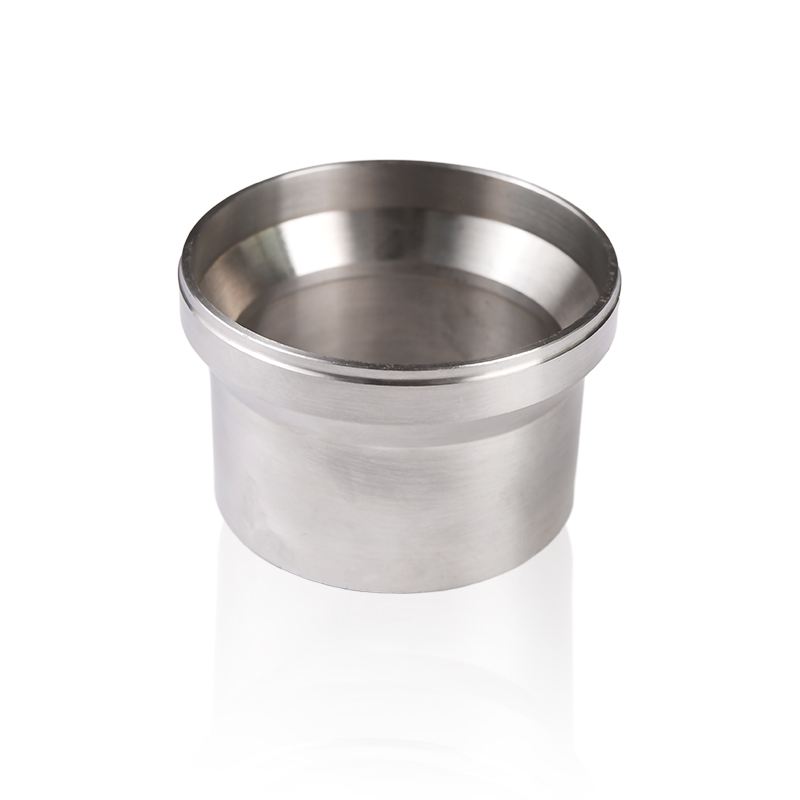
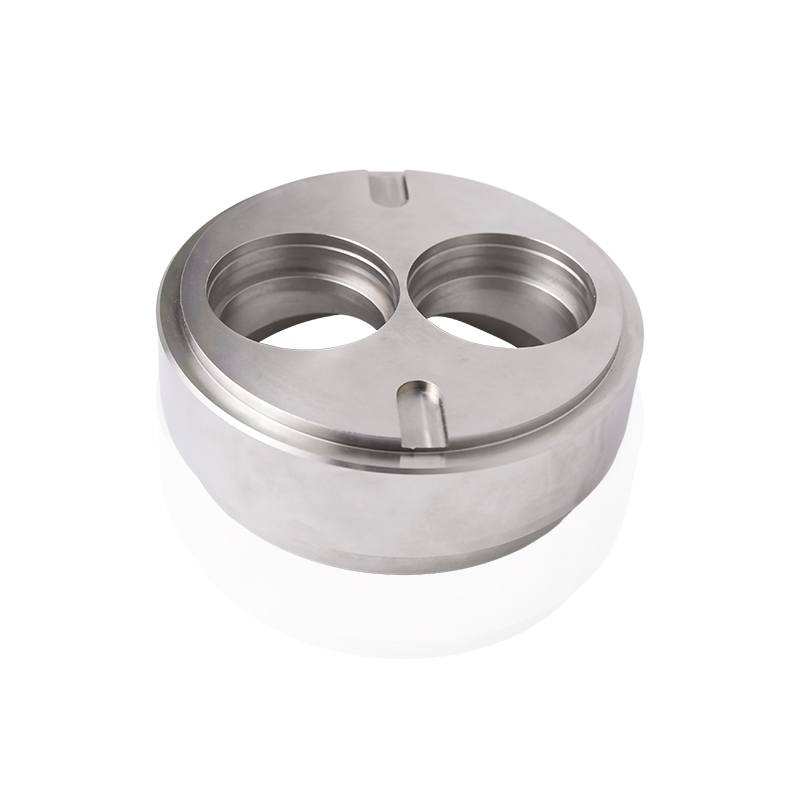
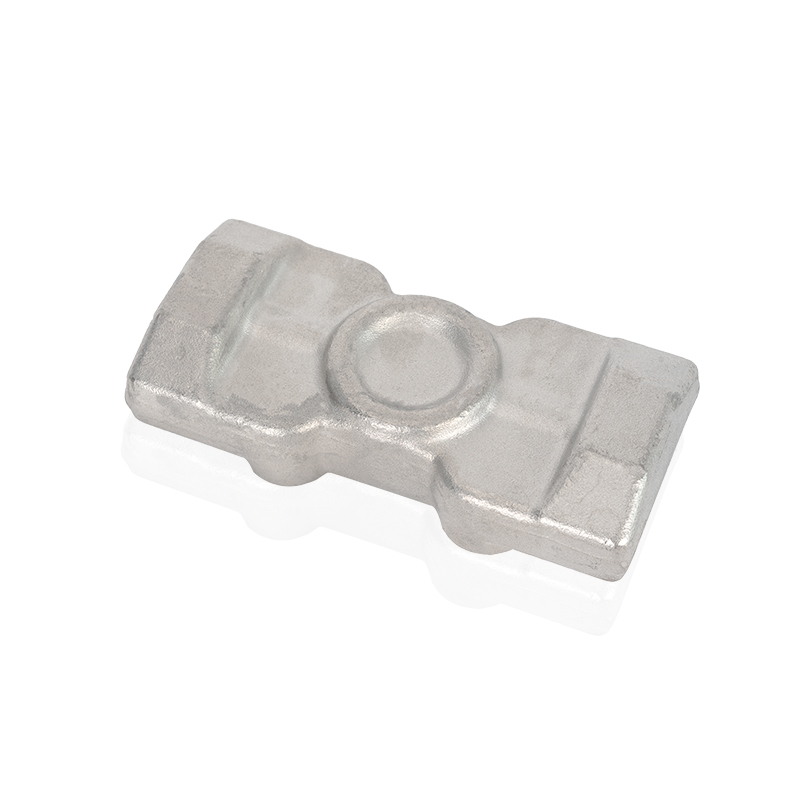
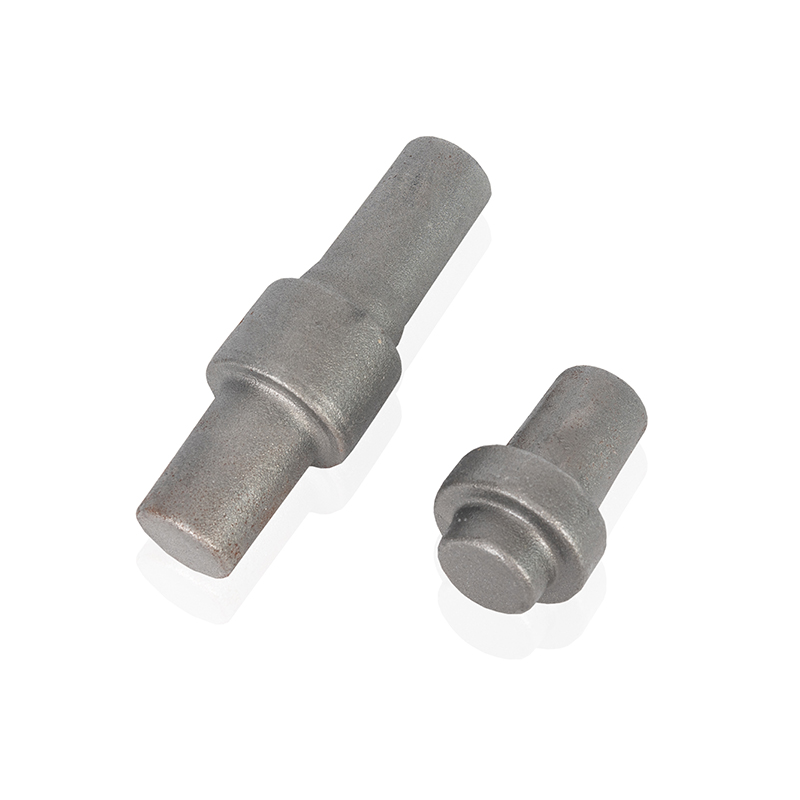
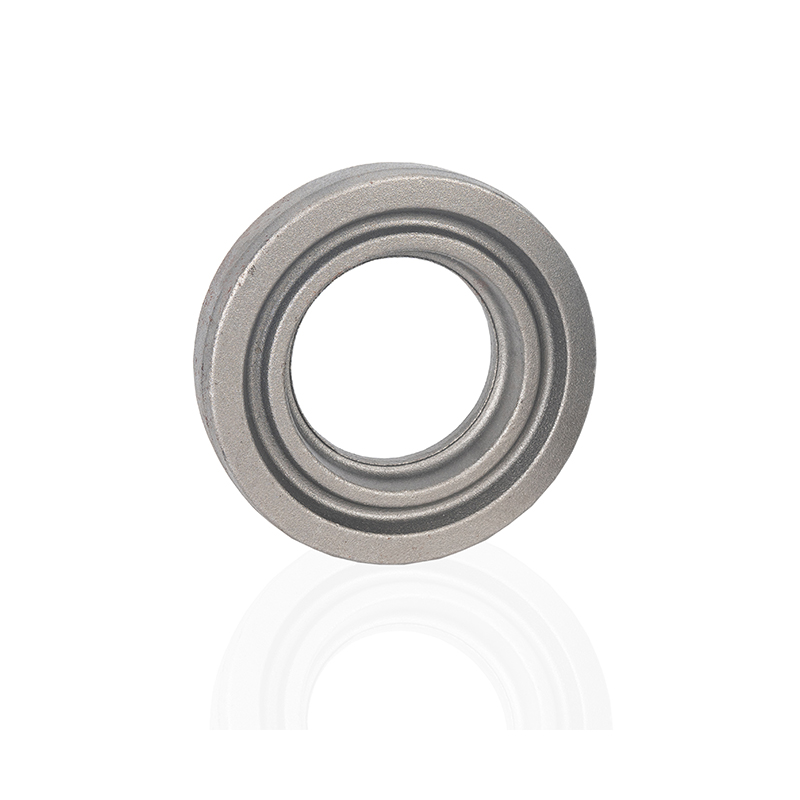
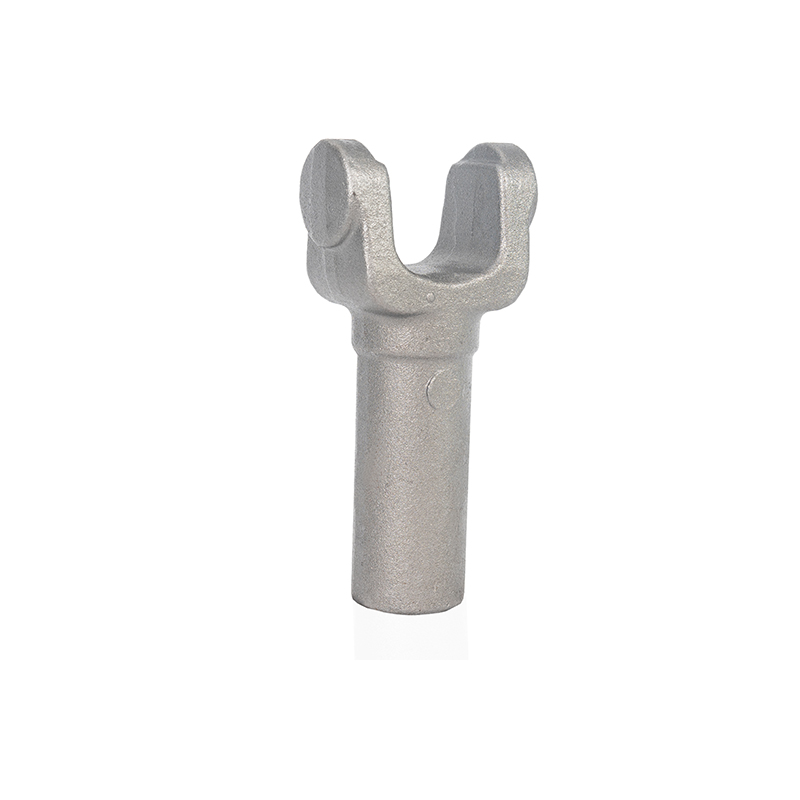
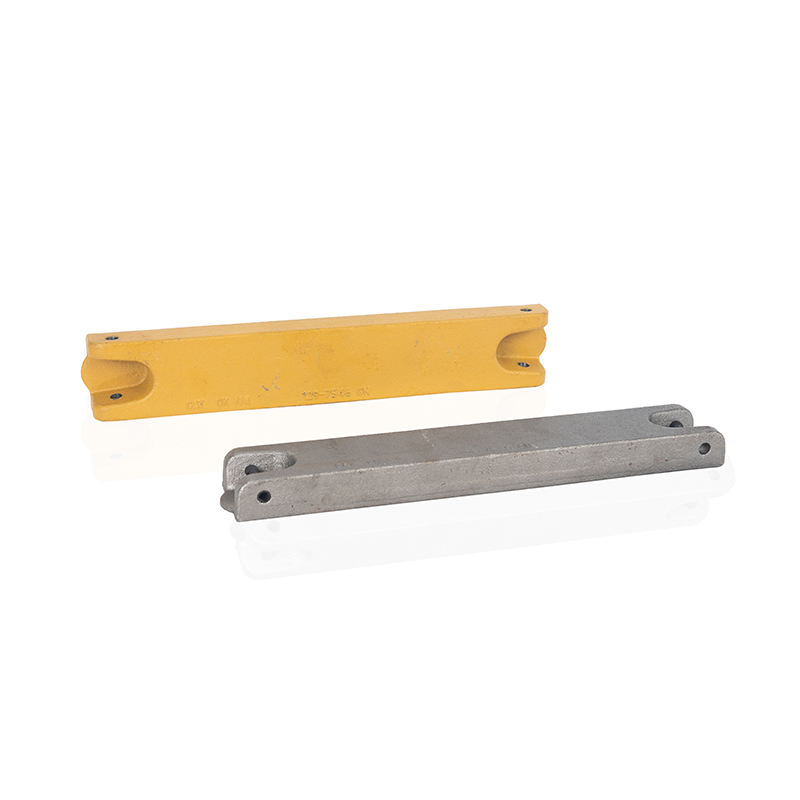
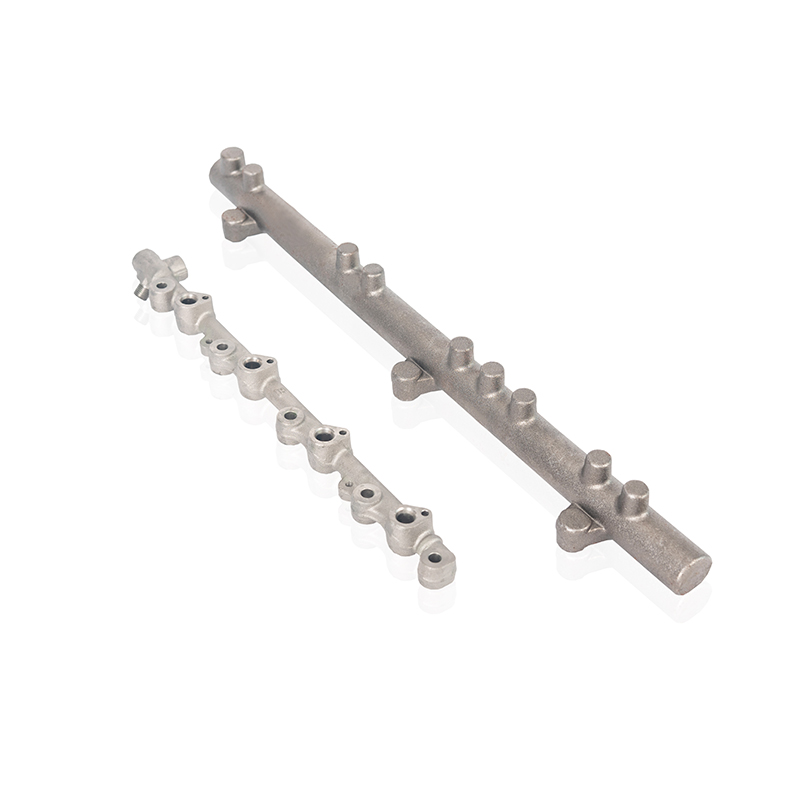

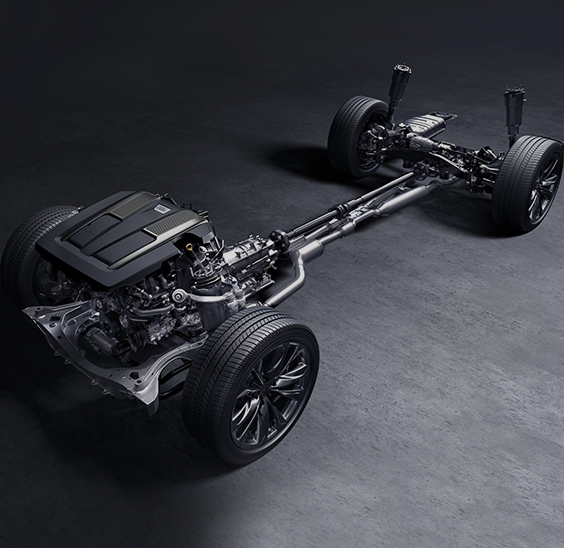
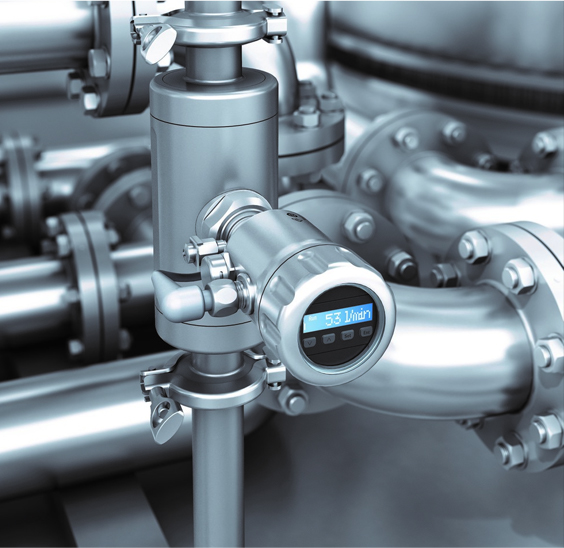
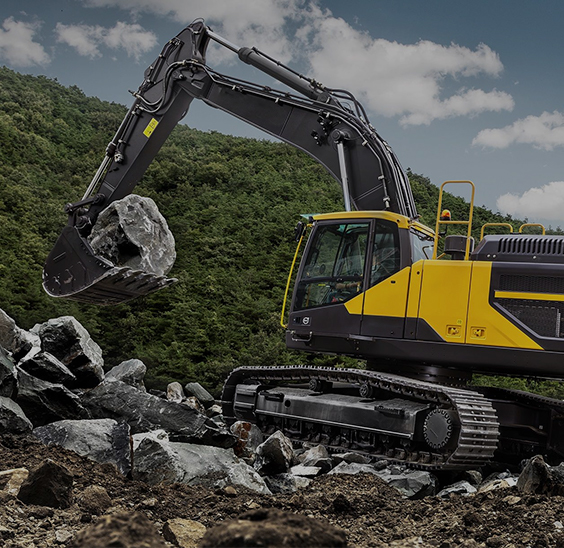
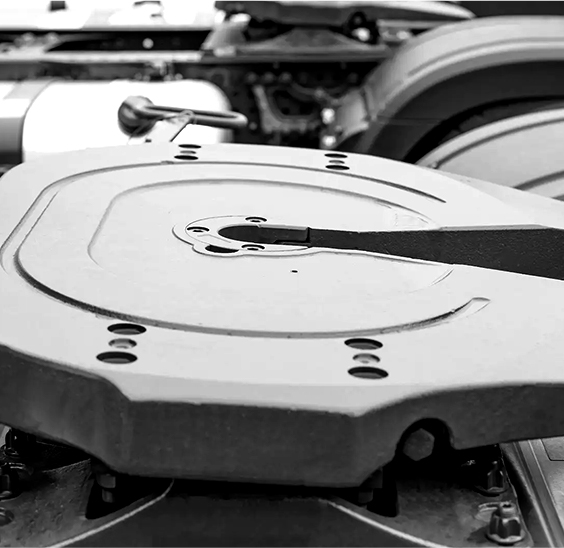
Our products primarily involve the production of forged components for the automotive industry, construction machinery industry, industrial instrumentation industry, and fluid equipment industry. Custom forging parts manufacturers and forged components solution providers in China.
Product links
Contact Us
-
Address:No. 5 Junrong Road, Daitou Town, Liyang City, Jiangsu Province, China
-
Tel:+86-18021979887
 苏公网安备32048102000516