

 EN
EN  English
 中文简体
中文简体





News

Stainless Steel Electrical Conductivity: Key Insights & Applications
 2025.12.09
 Industry news
Content
Introduction to Stainless Steel Electrical Conductivity
Stainless steel is widely used in industries ranging from construction to electronics, but its electrical conductivity often plays a pivotal role in determining its applications. While stainless steel is known for its strength, corrosion resistance, and durability, its electrical conductivity is relatively low compared to other metals like copper or aluminum. This characteristic affects how stainless steel is utilized in various electrical systems and machinery. In this article, we will dive into the concept of stainless steel electrical conductivity, the factors that influence it, and its practical uses.
Factors Influencing Electrical Conductivity of Stainless Steel
The electrical conductivity of stainless steel is not a fixed value; it can vary depending on several factors. Here are the primary elements that affect conductivity:
- Composition of the alloy: Different grades of stainless steel contain varying amounts of elements like chromium, nickel, and molybdenum, all of which affect the material’s conductivity. For example, stainless steel with higher chromium content tends to have lower electrical conductivity.
- Temperature: Electrical conductivity generally decreases as temperature increases. The impact of temperature on conductivity varies between different alloys, with some grades being more sensitive to temperature fluctuations than others.
- Microstructure: The grain structure of stainless steel can impact its ability to conduct electricity. A finer grain structure can sometimes offer slightly better conductivity than a coarser one.
- Impurities: The presence of impurities or contaminants within the stainless steel can impede electron flow, thus reducing its electrical conductivity.
Comparison with Other Materials
In terms of electrical conductivity, stainless steel is generally far less efficient than materials like copper or aluminum. The table below compares the electrical conductivity of different metals commonly used in electrical systems:
| Material | Electrical Conductivity (IACS %) |
| Copper | 100 |
| Aluminum | 61 |
| Stainless Steel 304 | 2-3 |
| Stainless Steel 316 | 1-2 |
As shown in the table, stainless steel has a much lower electrical conductivity compared to copper and aluminum. This is why stainless steel is often used in applications where electrical conductivity is less critical, or where other properties like strength and corrosion resistance are prioritized.
Applications of Stainless Steel Based on Electrical Conductivity
Despite its lower electrical conductivity, stainless steel has several important applications where conductivity is not a primary concern. Below are a few areas where stainless steel is commonly used:
- Electrical Enclosures: Stainless steel is frequently used in electrical enclosures due to its strength, corrosion resistance, and durability, even though it does not offer excellent conductivity. The material protects electrical components from environmental factors.
- Power Generation Equipment: Stainless steel's ability to withstand high temperatures and corrosive environments makes it ideal for power plants, even though it may not be the best material for electrical wiring.
- Heat Exchangers: In industries where electrical conductivity is less important, stainless steel is used in heat exchangers due to its resistance to oxidation and corrosion.
- Conductive Components in Specific Environments: In some cases, stainless steel is used where low conductivity is a benefit, such as in shielding applications, where low conductivity can help in reducing electromagnetic interference.
Improving Electrical Conductivity of Stainless Steel
While stainless steel is inherently less conductive than copper, there are ways to improve its conductivity for certain applications:
- Alloy Modification: By altering the composition of stainless steel, it’s possible to create alloys that have better electrical conductivity while maintaining the key properties of stainless steel, such as corrosion resistance.
- Surface Treatments: Various surface treatments, such as polishing or coating, can improve the electron flow on the surface of stainless steel, leading to better conductivity in certain conditions.
- Hybrid Materials: In some applications, stainless steel may be combined with more conductive materials like copper or aluminum in order to balance conductivity with other desired properties.
Conclusion
Stainless steel, with its relatively low electrical conductivity, is not typically chosen for applications that require excellent conductivity, such as electrical wiring. However, its unique properties make it invaluable in many industries where conductivity is secondary to corrosion resistance, strength, and durability. Understanding how electrical conductivity varies in different grades of stainless steel and how to optimize its use is crucial for industries that rely on this versatile material. Whether used in electrical enclosures, power generation, or other applications, stainless steel continues to play a vital role in a wide range of engineering fields.
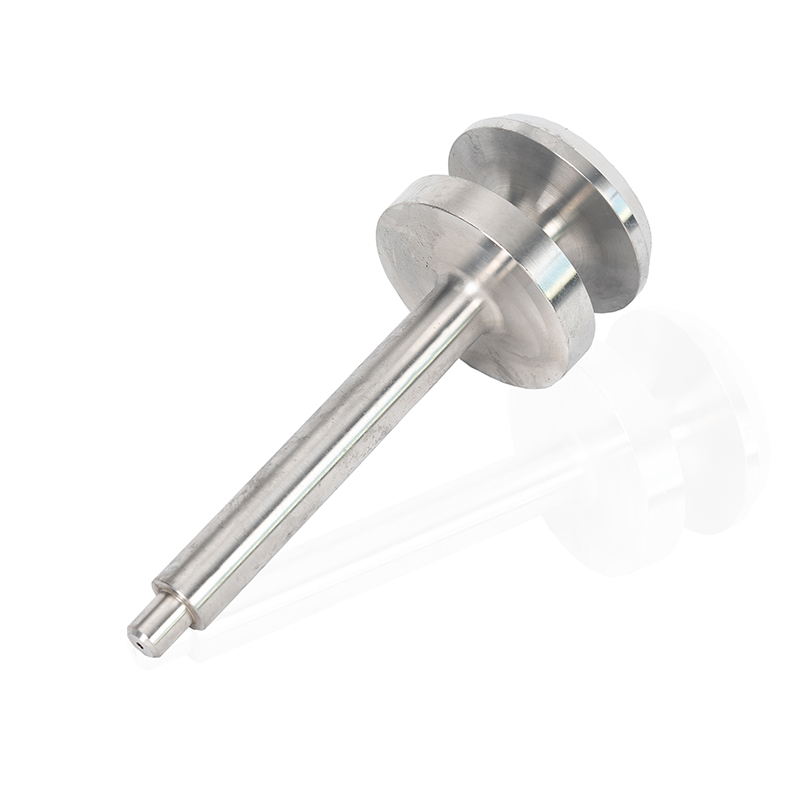
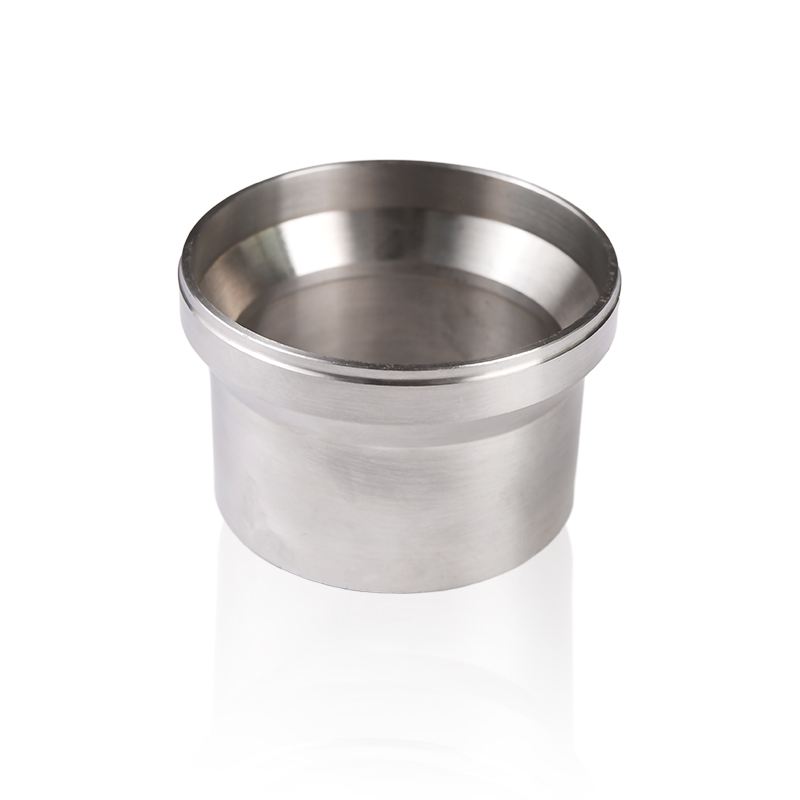
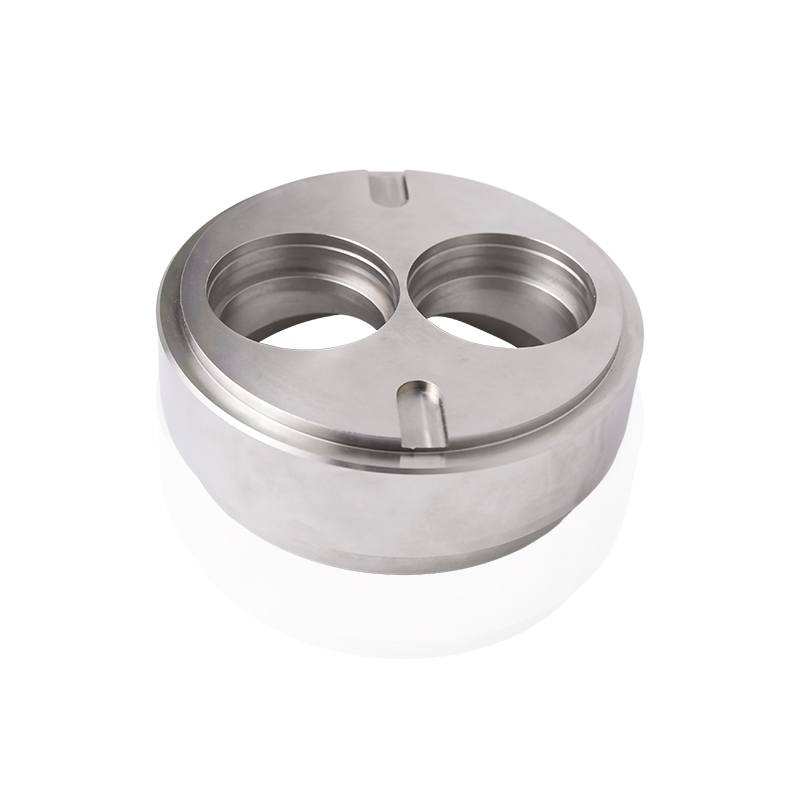

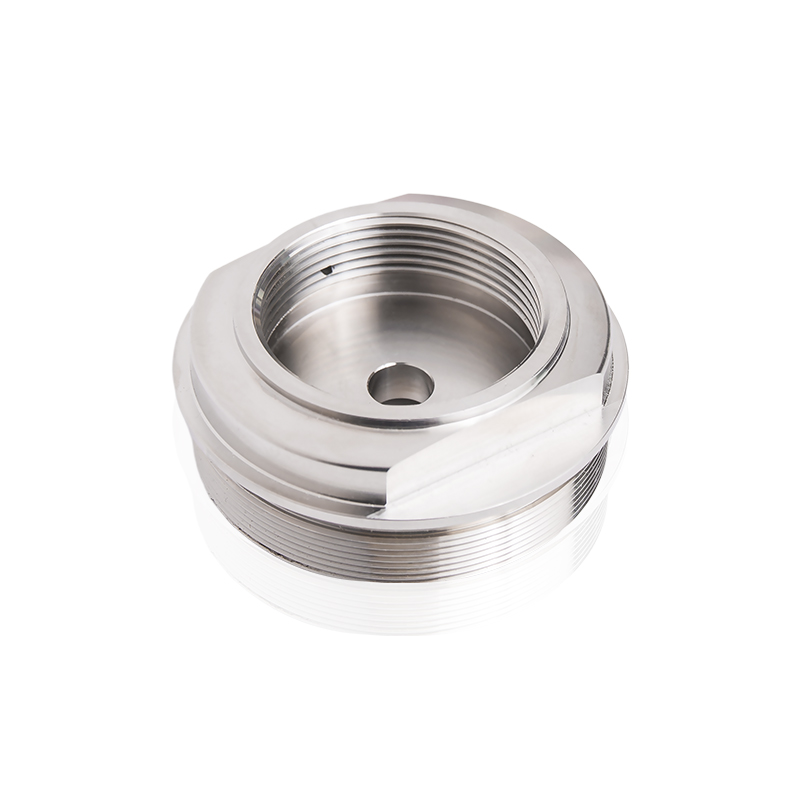
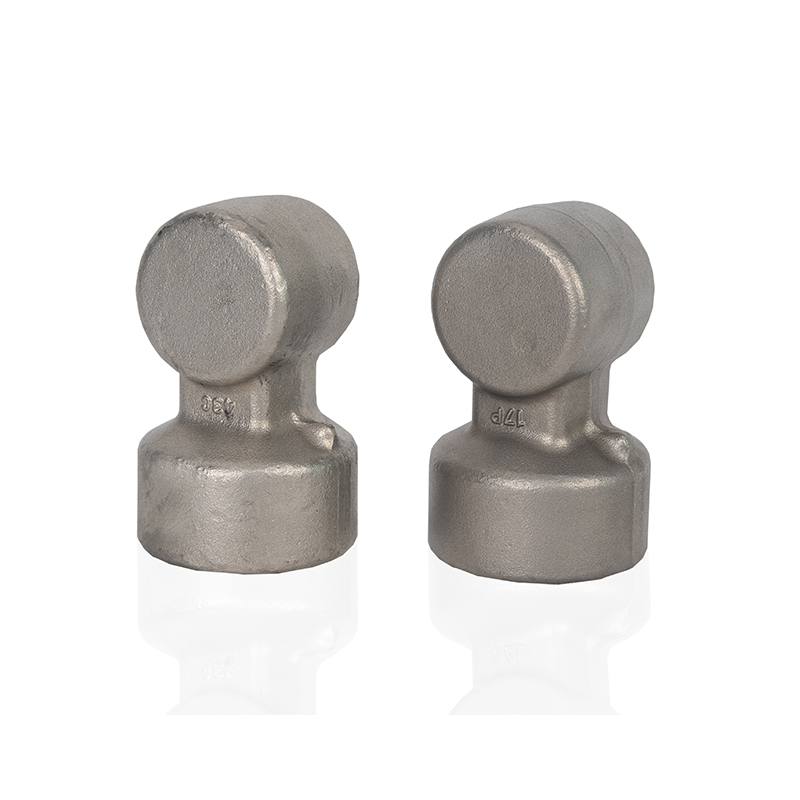
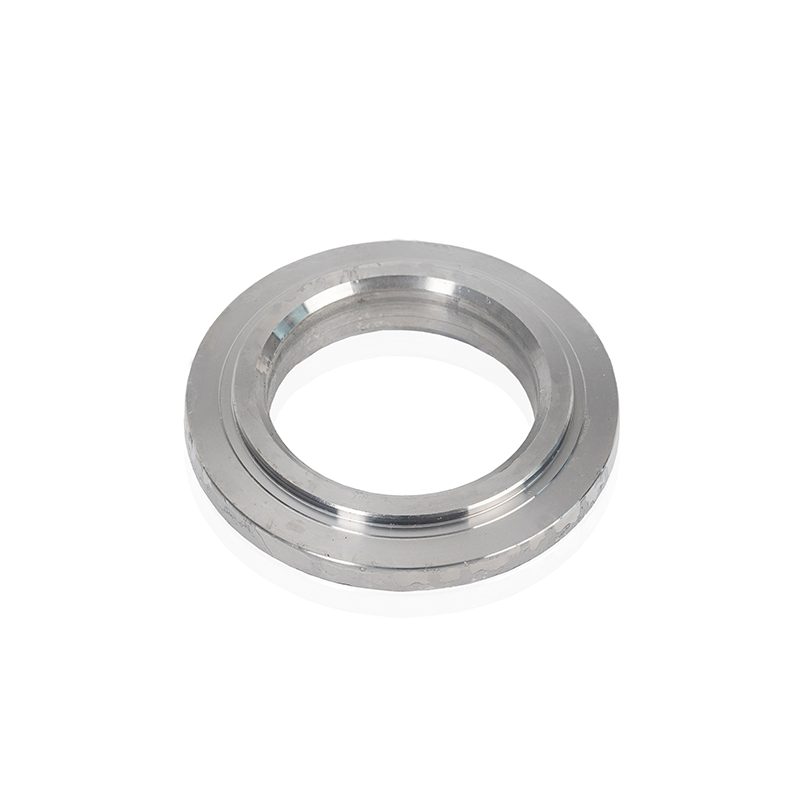
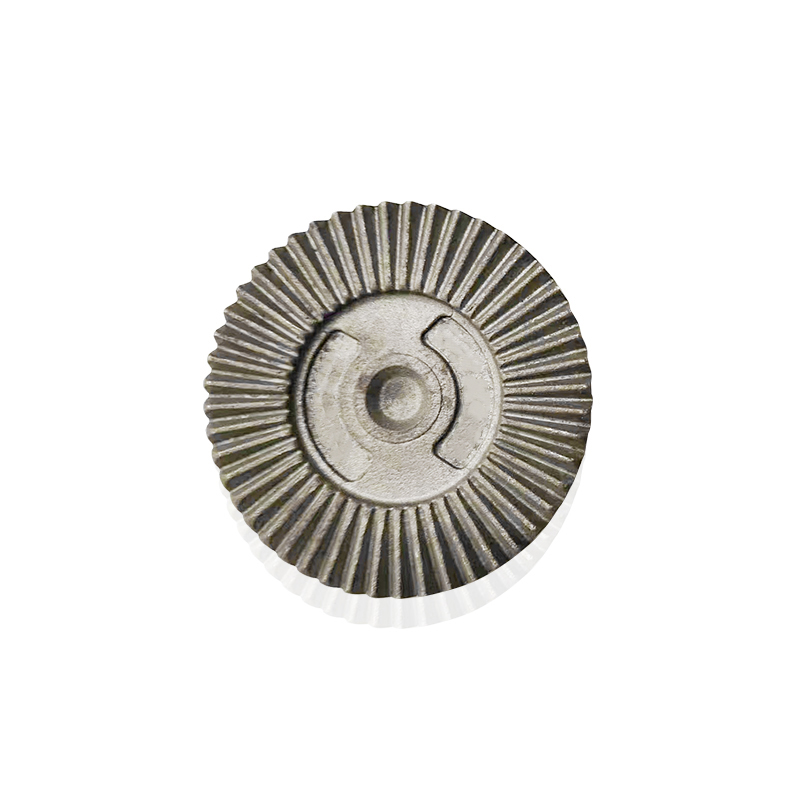





Our products primarily involve the production of forged components for the automotive industry, construction machinery industry, industrial instrumentation industry, and fluid equipment industry. Custom forging parts manufacturers and forged components solution providers in China.
Product links
Contact Us
-
Address:No. 5 Junrong Road, Daitou Town, Liyang City, Jiangsu Province, China
-
Tel:+86-18021979887
 苏公网安备32048102000516