

 EN
EN  English
 中文简体
中文简体

News

Marine Shaft Forging: Reliable Propulsion Shafts, Built to Spec
 2026.01.23
 Industry news
Content
- 1 Marine shaft forging that holds up at sea
- 2 What buyers should specify for marine shaft forgings
- 3 How we design the forging route for a marine shaft
- 4 Heat treatment and machining: where straightness and stability are won
- 5 Inspection and documentation that buyers can audit
- 6 Capacity, responsiveness, and how we support your schedule
- 7 If you need related forging components beyond marine shafts
Marine shaft forging that holds up at sea
A marine shaft is unforgiving: it runs under continuous torsion, sees cyclic bending from alignment and propeller loads, and lives in an environment where corrosion and fretting never take a day off. In my experience as a forging manufacturer and supplier, the difference between “works on paper” and “runs reliably for years” is usually decided by how the shaft is forged, heat treated, inspected, and finished—not by a single drawing note.
Here is a quick reality check that I use when discussing marine shaft forging with buyers and engineers: a propulsion line transmitting 5 MW at 120 rpm carries about 398 kN·m of torque (T = 9550 × P(kW) / n(rpm)). That torque cycles through starts, stops, maneuvering, and sea states. Forging is one of the most practical ways to manage that risk, because a properly forged shaft builds a cleaner, denser structure and a more favorable grain direction than many alternative routes.
What buyers should specify for marine shaft forgings
Many RFQs fail to lock down the “hidden” requirements that actually control field performance. When I review a marine shaft forging RFQ, I focus on details that reduce uncertainty in forging design, heat treatment response, and inspection coverage. If you specify these items up front, you reduce rework loops and shorten the path to an approved part.
Minimum technical inputs that prevent delays
- Service profile: power (kW), rpm range, duty cycle, and any shock-loading events (clutching, reversing, ice, debris).
- Environment: seawater exposure, sealing arrangement, and whether cathodic protection or coatings are part of the system.
- Critical interfaces: bearing seats, keyways/splines, coupling fits, fillet radii, and straightness/runout requirements after machining.
- Material standard and target properties: strength level, impact requirements (if any), and corrosion strategy (alloy choice + surface condition).
- Inspection plan: UT scope and acceptance standard, surface crack inspection (MPI/PT where relevant), and dimensional checkpoints.
If you are comparing suppliers, I recommend asking for a clear statement on traceability (heat/batch tracking), NDT capability, and how distortion is controlled during heat treatment and machining. Those are the areas where marine shafts most often lose time and budget.
How we design the forging route for a marine shaft
When I quote a marine shaft forging, I do not treat it as “just a long round.” The forging route determines grain direction, reduction level, and where potential defects are most likely to appear. The goal is to deliver a forging that machines predictably and passes inspection without chasing surprises.
Process flow we plan around (from raw steel to shipment)
- Material preparation and cutting with controlled allowances for scale loss and end trimming.
- Heating with temperature discipline to avoid surface damage and to keep deformation uniform.
- Forging reduction strategy (including where we concentrate working) to consolidate structure and stabilize properties along the length.
- Straightening and intermediate checks so the shaft stays machinable without excessive stock removal.
- Heat treatment route selection (stress relief, normalize + temper, or quench + temper depending on material and property target).
- Final machining plan (rough/finish sequencing) aligned to inspection hold points.
Internally, we run a complete chain—mold processing, sawing, forging, heat treatment, machining, inspection, and packaging—so we can control the interfaces between steps instead of handing risk to multiple subcontractors. You can review our manufacturing scope on our profile page.
Heat treatment and machining: where straightness and stability are won
Marine shafts are long, and long parts amplify every small process variation. Heat treatment can introduce distortion; machining can release residual stress; and surface condition can decide whether a shaft resists corrosion fatigue in service. For that reason, I treat heat treatment and machining as a coupled plan—not two separate departments.
Practical controls that reduce rework
- Define machining allowances early so we do not “machine away” stability or create thin sections that move after finishing.
- Sequence rough machining, stress relief (if needed), and finish machining to keep runout and bearing-seat geometry under control.
- Use inspection hold points after major operations (post-HT, post-rough, post-finish) to avoid late-stage surprises.
- Protect critical surfaces during handling and packing to prevent nicks that later become stress risers.
Capacity matters because it affects scheduling and responsiveness. We maintain multiple forging and heat-treatment lines, plus CNC machining resources, so marine-shaft programs can scale from prototype to repeat supply without changing the process fundamentals midstream.
Inspection and documentation that buyers can audit
Marine shaft forging is a risk-managed purchase. The most valuable output we deliver is not only the part, but the evidence that the part meets the agreed standard. That means a disciplined quality system, process traceability, and testing capabilities that match what your application and approval body require.
We operate under established quality management systems aligned with international standards (including ISO 9001 and IATF 16949), and we maintain an inspection center capable of material, dimensional, metallographic, mechanical, and non-destructive testing. If you want to see how we structure process control and traceability, refer to our quality page.
| Checkpoint | Method | What it prevents | Typical deliverable |
|---|---|---|---|
| Incoming material | Chemistry verification / heat trace | Wrong grade, inconsistent response | Material certificate package |
| Post-forging condition | Visual + dimensional checks | Surface damage, geometry drift | Dimensional report |
| After heat treatment | Hardness / mechanical tests | Under/over-strength, brittle condition | Test report + HT record |
| Internal soundness | UT to agreed standard | Hidden discontinuities | NDT report |
| Surface integrity | MPI or PT where applicable | Surface cracks / laps | Surface NDT report |
If you require full process visibility, we can align inspection hold points and lot traceability, supported by integrated production data systems. Our approach is to make the documentation audit-friendly so approvals and internal sign-offs do not become the bottleneck.
Capacity, responsiveness, and how we support your schedule
Marine projects often run on tight docking windows and fixed commissioning dates. To support that reality, we built an internal production chain that reduces handoffs and stabilizes lead time. As a baseline capability, we operate nine forging production lines with an annual forging capacity of 25,000 tons, plus multiple heat-treatment lines and machining capacity to keep critical steps in-house.
For development work, we also support small-batch, multi-variant programs with a fast sample cycle; in many cases, our sample delivery cycle is 15 working days once technical inputs are confirmed. You can review our production flow and delivery approach on our strength page and our responsiveness model on our service page.
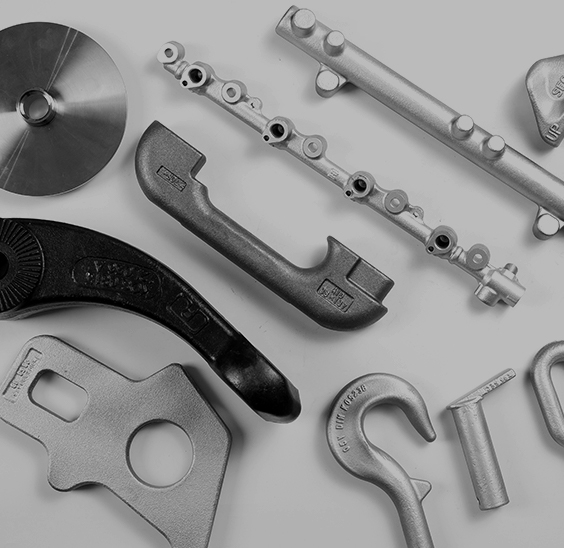
Marine shaft forging is often part of a broader sourcing plan that includes other forged components (for example, couplings, drive-line interfaces, or adjacent rotating parts). If you are consolidating suppliers, you can browse our products page to see the kinds of forged components we manufacture across multiple industries.
If you share your drawing set and inspection expectations, I will respond with a process proposal that focuses on risk control (material route, forging plan, heat treatment, and NDT) rather than vague promises. That is the most reliable way to align cost, schedule, and service life for a marine shaft forging program.
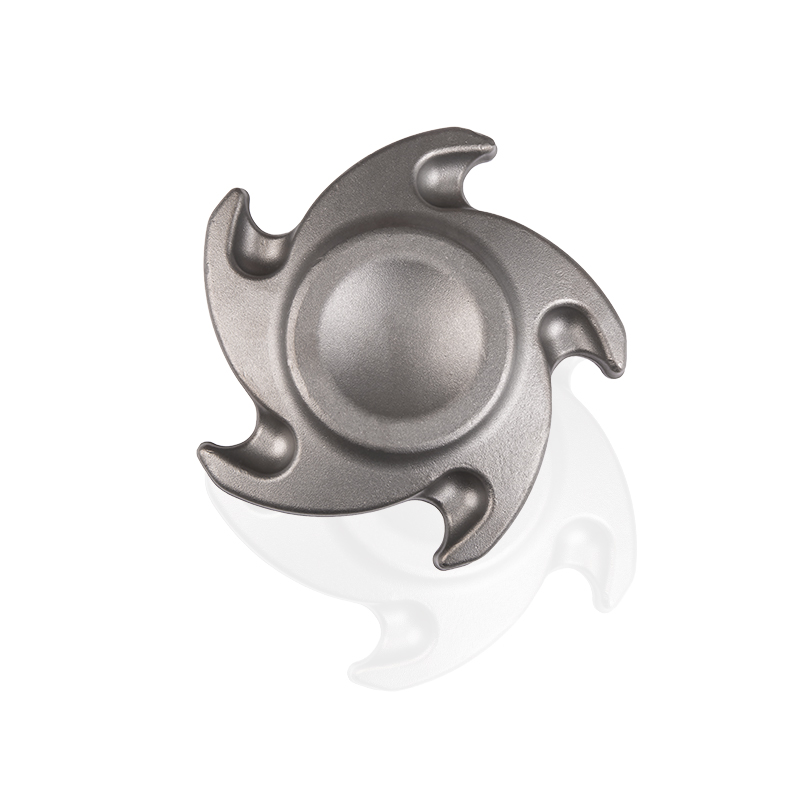
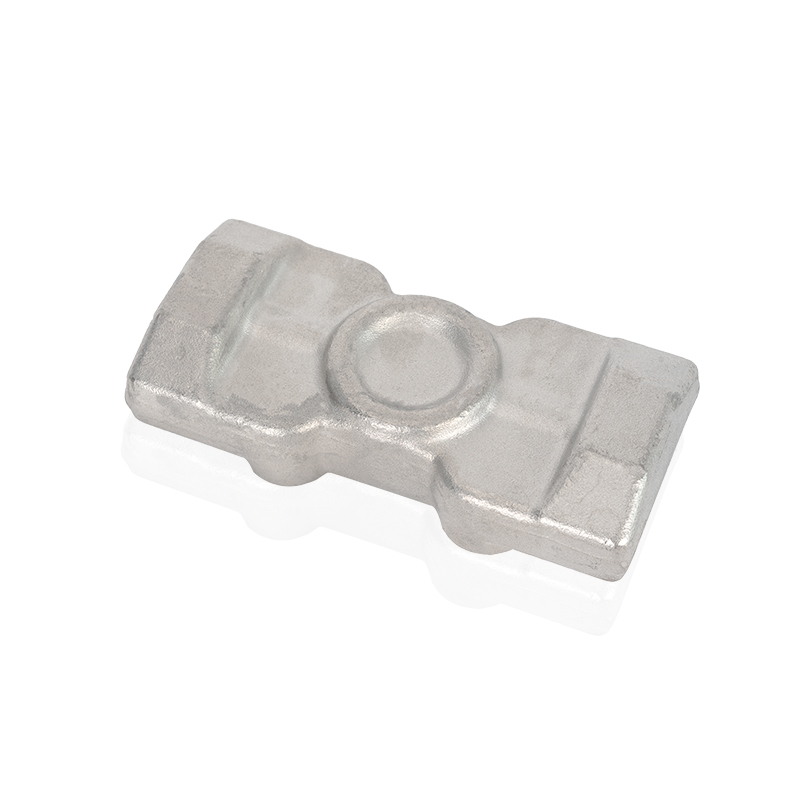
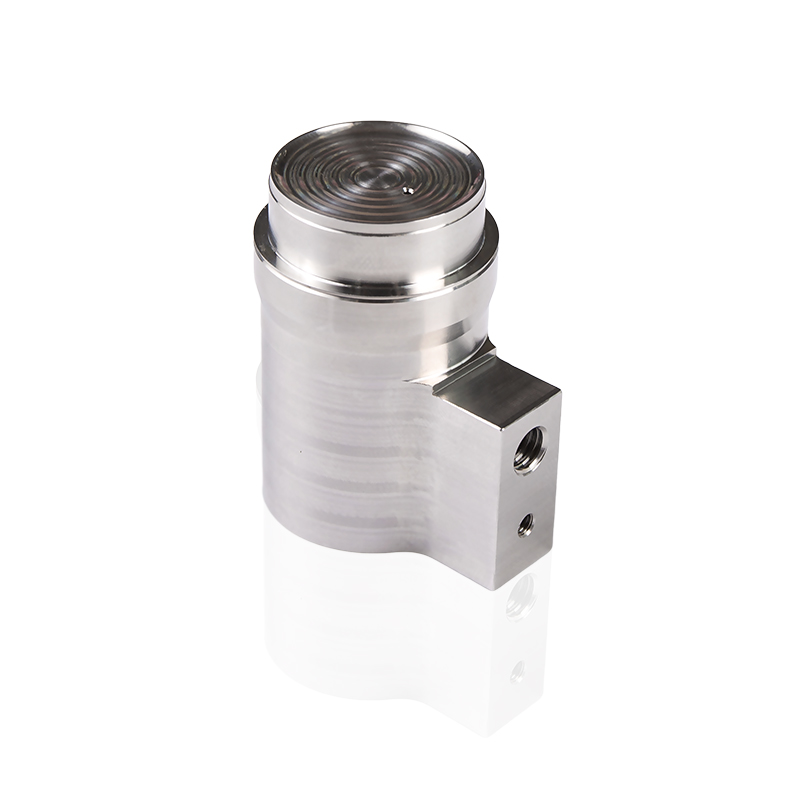
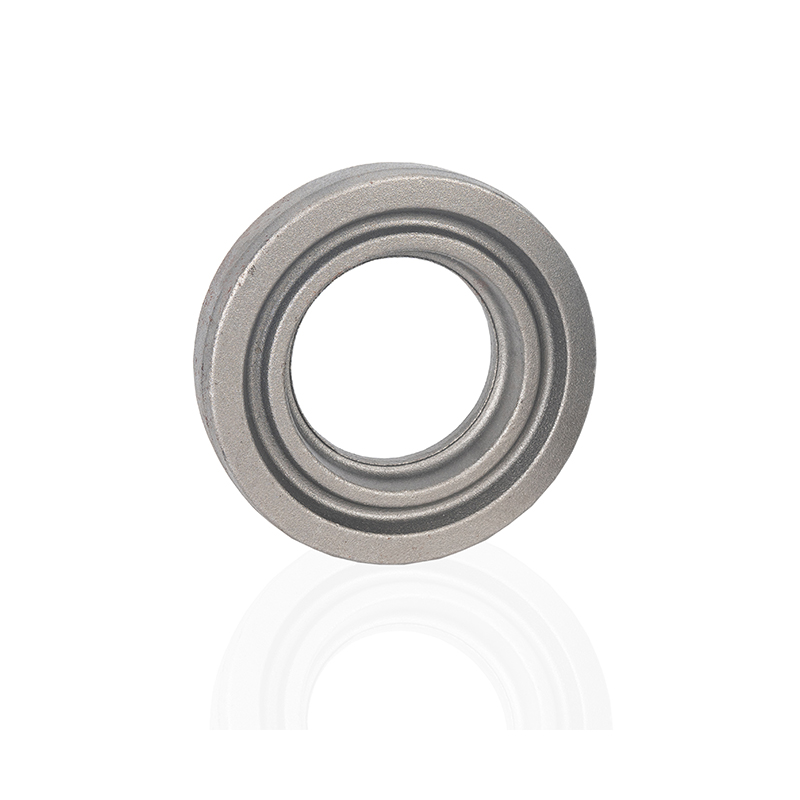
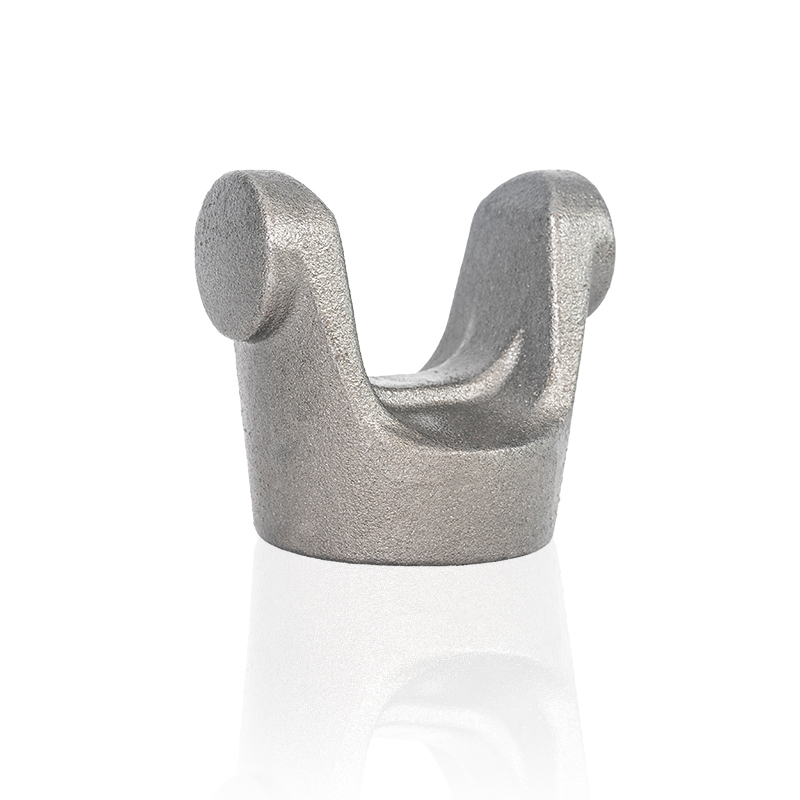
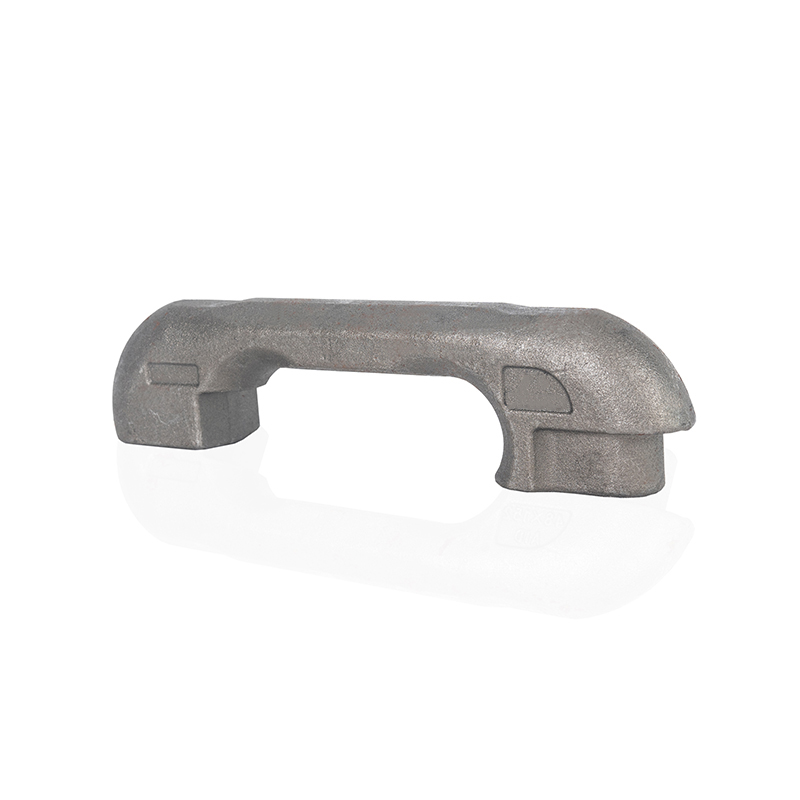
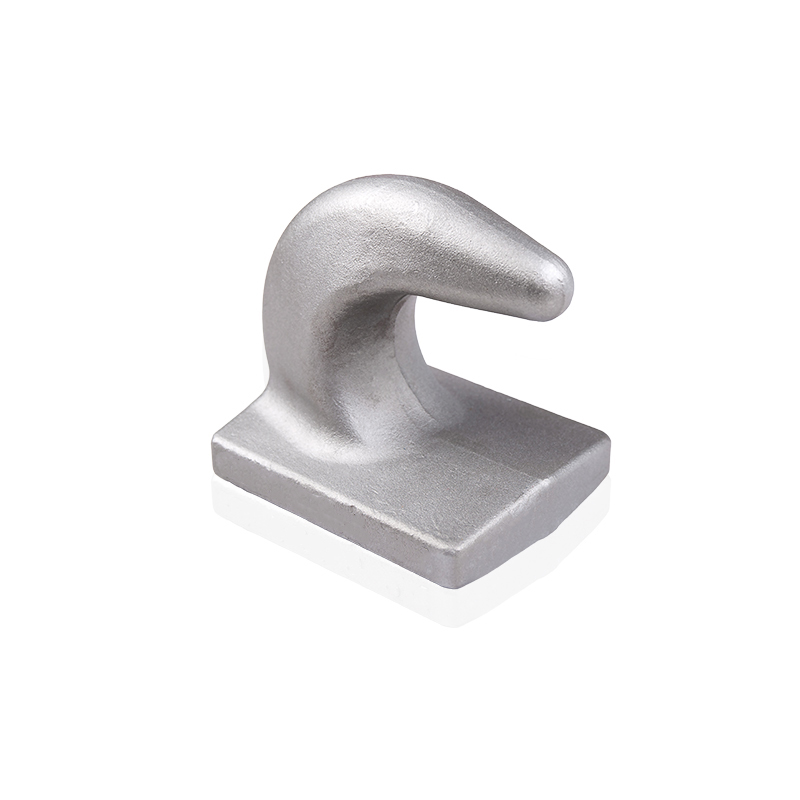
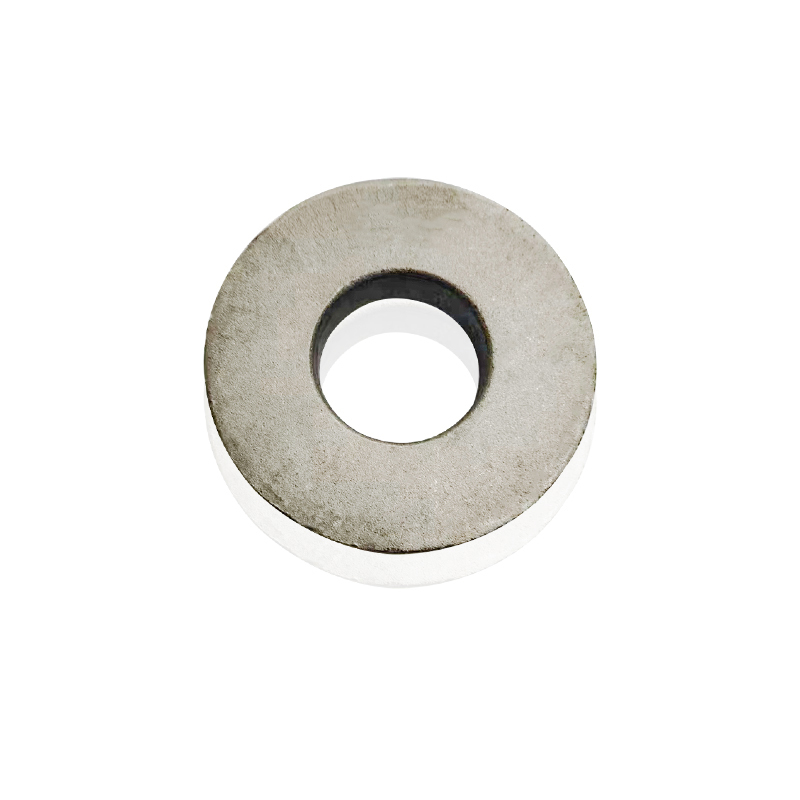
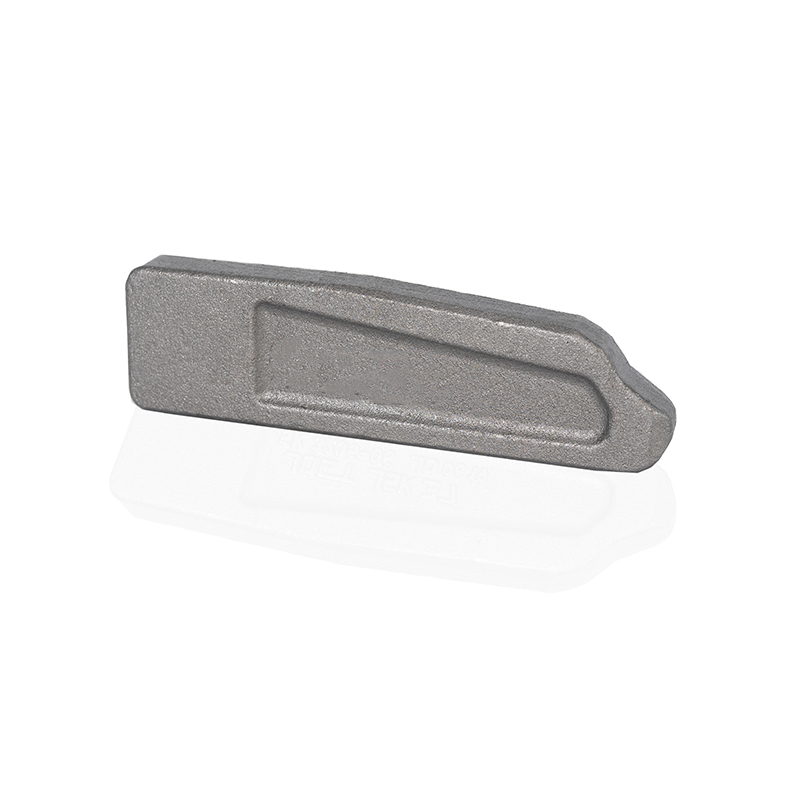
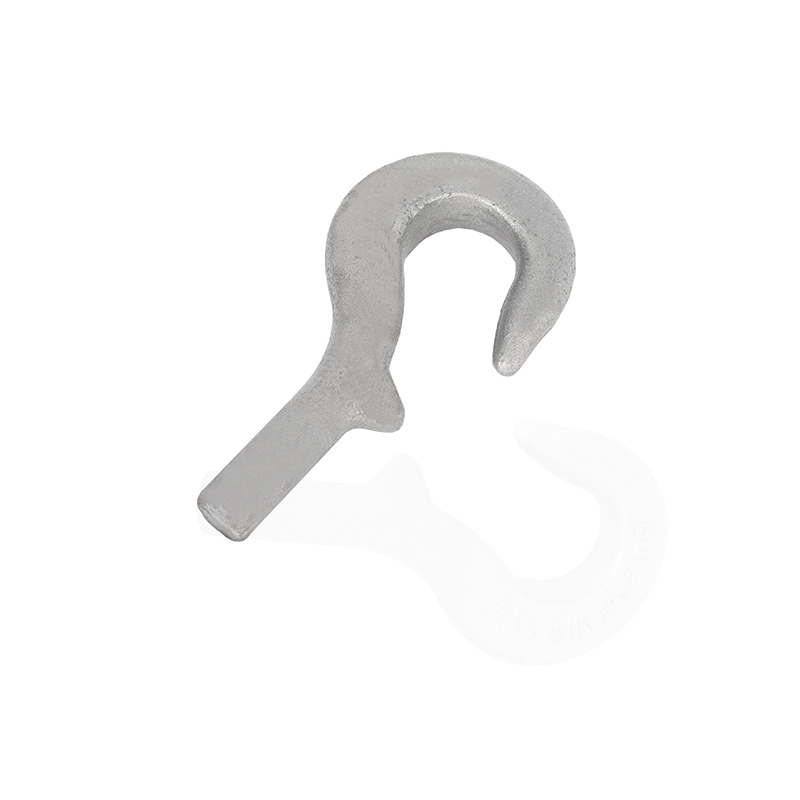
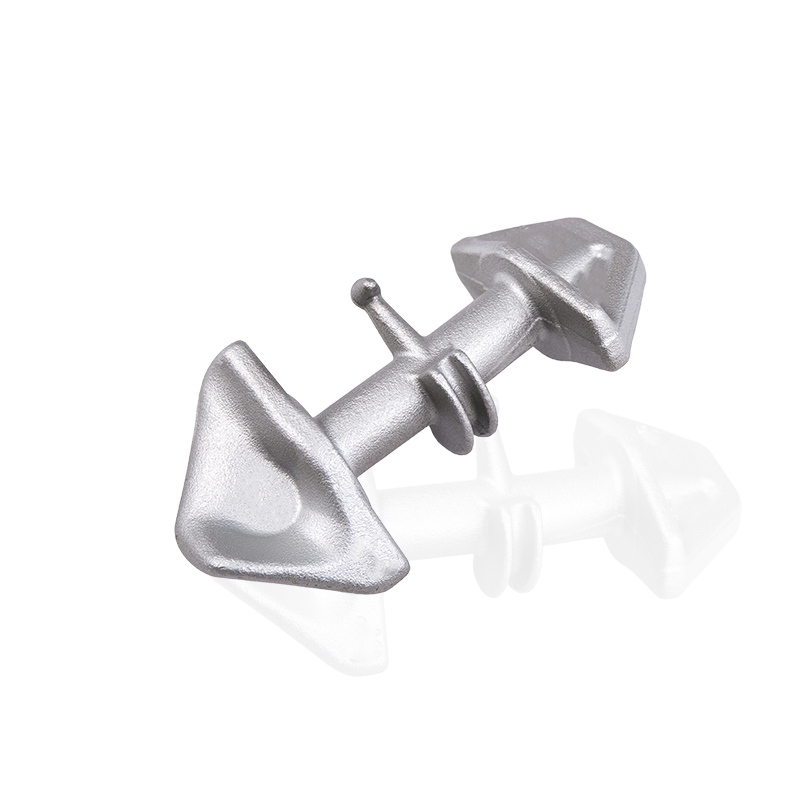
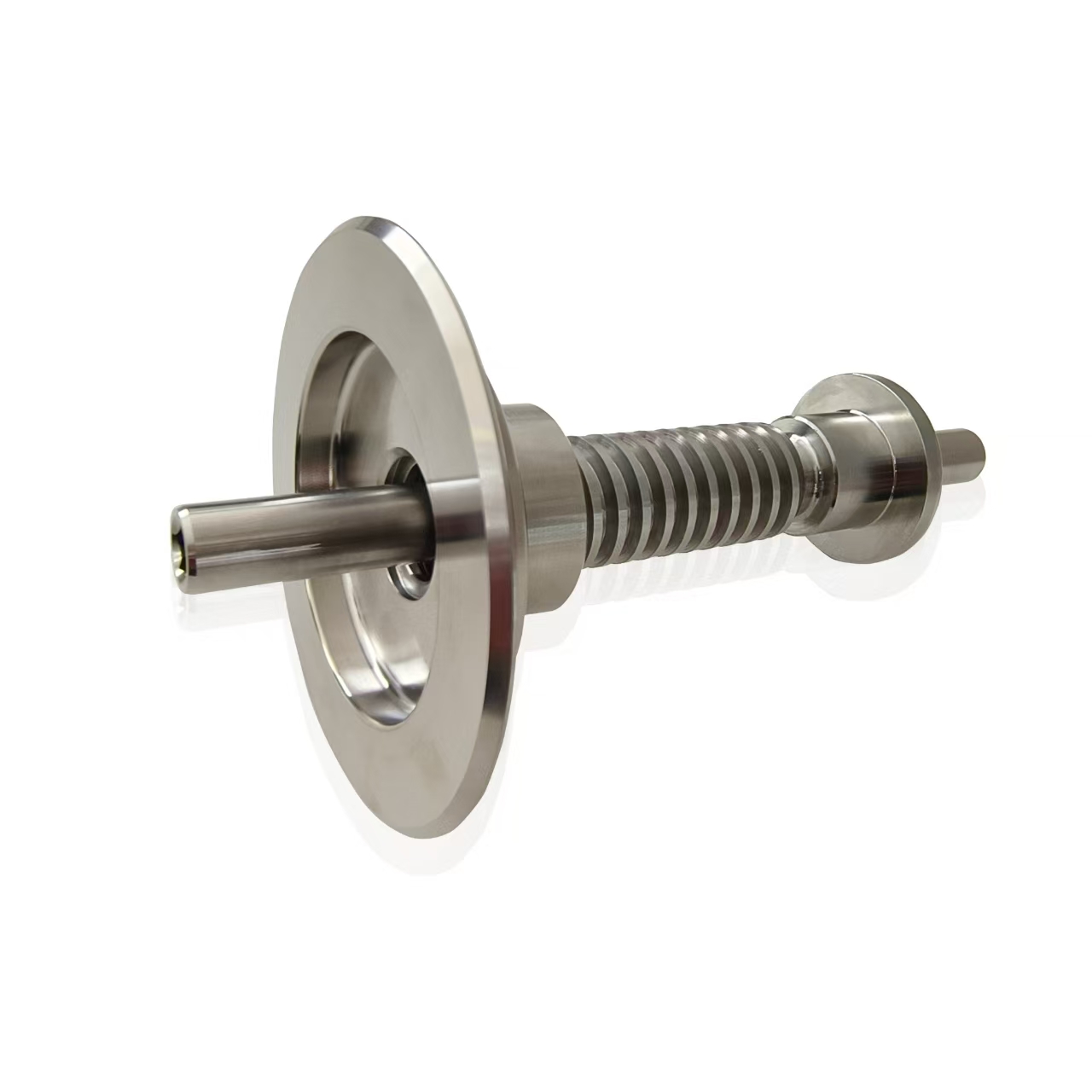

Our products primarily involve the production of forged components for the automotive industry, construction machinery industry, industrial instrumentation industry, and fluid equipment industry. Custom forging parts manufacturers and forged components solution providers in China.
Product links
Contact Us
-
Address:No. 5 Junrong Road, Daitou Town, Liyang City, Jiangsu Province, China
-
Tel:+86-18021979887
 苏公网安备32048102000516