

 EN
EN  English
 中文简体
中文简体
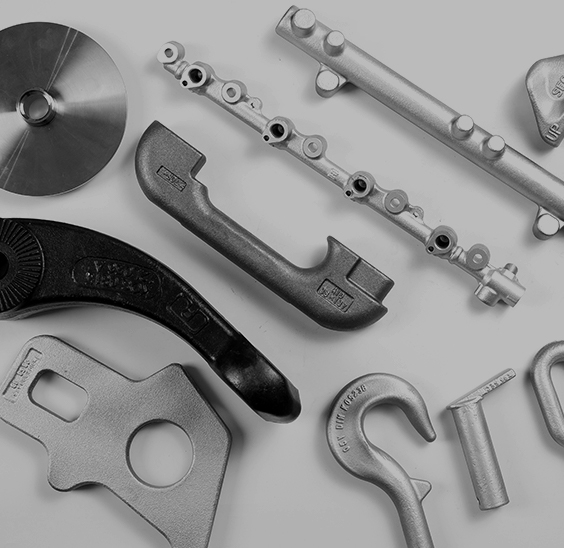
News

Custom Stainless Steel Forging: Grades, Processes & Supplier Guide
 2026.05.27
 Industry news
Content
- 1 Why Forging Outperforms Casting and Machining for Stainless Steel
- 2 Choosing the Right Stainless Steel Grade for Your Forging
- 3 Custom Open Die vs. Closed Die Forging: Which Process Fits Your Part
- 4 Key Industries and Applications for Custom Stainless Steel Forgings
- 5 Quality Standards and Compliance
- 6 What to Look for in a Custom Stainless Steel Forging Supplier
Stainless steel has a built-in advantage over ordinary carbon steel: a minimum chromium content of around 10.5% causes it to form a self-repairing oxide layer whenever the surface is exposed to oxygen. Forging takes that advantage further. By applying compressive force at elevated temperatures, the process refines the internal grain structure, closes porosity, and produces a continuous grain flow that follows the contour of the finished part. The result is a component that is measurably stronger and more fatigue-resistant than one produced by casting or machining from bar stock—and with custom stainless steel forging, every geometric and material variable can be dialed in to exactly what the application demands.
Why Forging Outperforms Casting and Machining for Stainless Steel
Casting introduces shrinkage voids, segregation, and a random grain structure that isotropic—meaning mechanical properties are roughly equal in every direction, which sounds good until you realize that real-world loads are rarely applied equally in every direction. Machining from bar or plate is cleaner, but it cuts across grain lines rather than following them, reducing fatigue strength at stress concentrations like fillets and bores.
Custom forging solves both problems. The compressive deformation aligns grain flow along the part's geometry—around a flange shoulder, down a shaft, through a valve body—so the metal is strongest precisely where stress is highest. Tensile strength, yield strength, and impact resistance all increase, often by 20–30% compared to equivalent cast or machined parts. For components operating under cyclic loading, pressure, or corrosive media, that margin translates directly into extended service life and reduced replacement costs.
The oxide layer that gives stainless steel its corrosion resistance is also reinforced by forging. Deformation closes surface-level defects that would otherwise act as initiation sites for pitting or crevice corrosion, and subsequent heat treatment can be precisely specified to optimize the passive film for the target environment.
Choosing the Right Stainless Steel Grade for Your Forging
Grade selection is the single decision that most affects both performance and cost. The forgeability, corrosion resistance, and mechanical properties vary significantly across families. Refer to a complete guide to forging materials, types and selection for an in-depth breakdown of alloy families; the table below summarizes the most commonly forged stainless grades and their primary use cases.
| Grade | Family | Key Characteristics | Typical Applications |
|---|---|---|---|
| 304 / 304L | Austenitic | Good general corrosion resistance, excellent formability | Food processing, sanitary fittings, general industrial |
| 316 / 316L | Austenitic | Molybdenum addition improves chloride and acid resistance | Marine, chemical processing, pharmaceutical, valve bodies |
| 410 / 420 | Martensitic | High hardness after heat treatment, moderate corrosion resistance | Pump shafts, valve stems, cutting tools, fasteners |
| 2205 Duplex | Duplex | Higher yield strength than 316L, excellent chloride SCC resistance | Oil & gas, desalination, pulp & paper equipment |
| 2507 Super Duplex | Super Duplex | Maximum corrosion resistance, very high strength | Subsea components, aggressive chemical service |
| 17-4 PH | Precipitation Hardening | High strength, good corrosion resistance, age-hardenable | Aerospace, defense, high-load mechanical components |
For fluid handling components where chloride stress corrosion cracking is a concern, 316L is the minimum viable choice; duplex grades are worth the additional material cost when service conditions are aggressive. See our 304L and 316L forged stainless steel fittings body as a practical example of how grade selection is matched to application requirements in production parts.
Custom Open Die vs. Closed Die Forging: Which Process Fits Your Part
Both processes start with heated stainless steel billet, but they take very different paths to the finished geometry.
Open die forging uses flat or simple contoured dies that do not fully enclose the workpiece. The operator manipulates the billet between press strokes to achieve the target shape. This makes the process highly flexible for large, heavy, or geometrically simple parts—rings, discs, shafts, blocks—where near-net shape is less critical than structural integrity. It is the preferred route for low-to-medium volume production and for oversized components where tooling investment for closed dies would be prohibitive.
Closed die forging (also called impression die forging) uses matched dies that contain a cavity in the precise shape of the finished part. Metal fills the cavity under pressure, producing tight dimensional tolerances and excellent surface consistency. This process suits complex geometries, high production volumes, and parts where secondary machining must be minimized—valve bodies, flanges, transmission components, and instrument housings are common examples.
The decision between the two is driven by three variables: part geometry complexity, required dimensional tolerance, and projected volume. An experienced forging partner will evaluate all three before committing to tooling design, which directly affects both per-part cost and lead time.
Key Industries and Applications for Custom Stainless Steel Forgings
The combination of strength, corrosion resistance, and design flexibility makes forged stainless steel the default choice in any environment where failure is costly—whether measured in equipment downtime, safety risk, or product contamination.
- Oil, Gas, and Energy: Valve bodies, pump impellers, compressor components, and wellhead fittings operating under high pressure and in contact with corrosive production fluids. Duplex and super duplex grades dominate this sector.
- Fluid Handling and Process Equipment: Custom forgings are used throughout pumping and valve systems. Products like forged stainless steel spindle and spring tensioner parts for fluid equipment and plug valve stems and stainless steel valve components demonstrate the range of precision parts achievable through controlled forging.
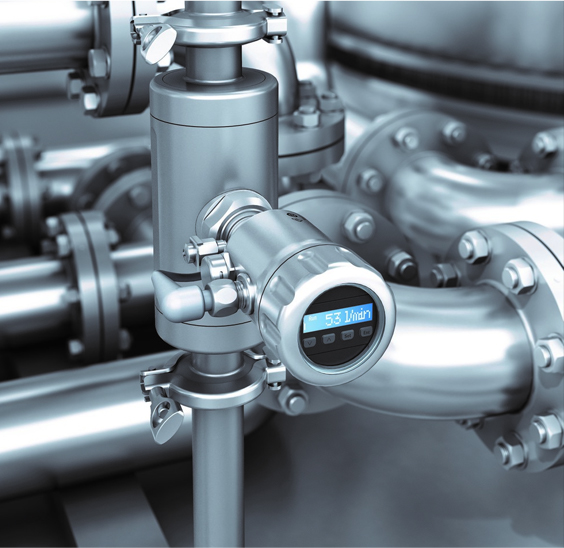
- Industrial Instrumentation: Pressure transmitter bodies, sensor housings, and remote seal flanges require dimensional precision and surface integrity to maintain leak-tight seals under cycling pressure. Austenitic grades are standard here due to their non-magnetic properties.
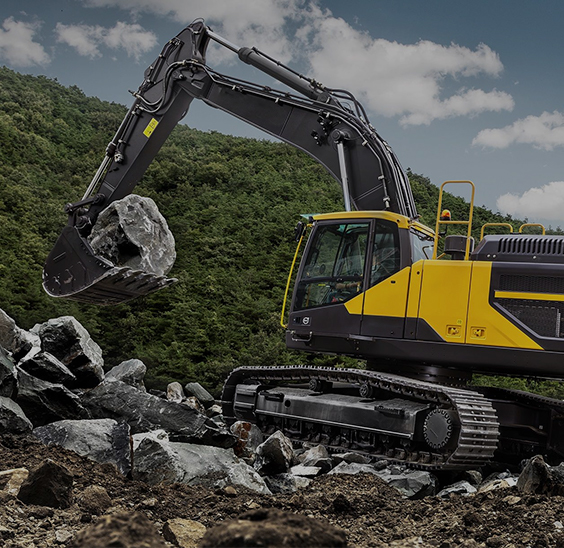
- Engineering and Construction Machinery: High-load mechanical components—hooks, drive couplings, gearbox elements—benefit from the superior fatigue resistance of forged stainless over cast alternatives, particularly in outdoor or marine environments.
- Food, Beverage, and Pharmaceutical: Sanitary fittings and processing components must meet strict cleanliness standards. The smooth, defect-free surface of forged 304L or 316L eliminates bacterial harboring sites that porosity in castings can create.
- Marine and Offshore: Hardware, fasteners, and structural fittings exposed to seawater require the chloride resistance that only 316L or duplex stainless forgings reliably deliver over the design service life.
Quality Standards and Compliance
Procurement of forged stainless steel components should always be referenced against established industry standards. ASTM A473 is the primary specification governing austenitic, duplex, ferritic, and martensitic stainless steel forgings for general use and for low- or high-temperature service. It defines chemical composition limits, mechanical property requirements, heat treatment procedures, and tension testing protocols based on part weight. Suppliers working to this standard must demonstrate traceability from raw material through finished forging. You can review the full scope of the specification directly on the ASTM A473 standard specification for stainless steel forgings page.
Beyond material standards, quality-conscious buyers should look for ISO 9001 certification as evidence of a documented quality management system, along with third-party inspection capability including ultrasonic testing, dye penetrant inspection, and dimensional reporting. For pressure-containing components, PED (Pressure Equipment Directive) compliance or equivalent regional certification may be required.
Material traceability—the ability to link any shipped forging back to a specific heat of steel with full mill certification—is non-negotiable in regulated industries. Ask prospective suppliers how they document and maintain this chain of custody before placing an order.
What to Look for in a Custom Stainless Steel Forging Supplier
Not all forging shops are equal when it comes to stainless. The alloy is significantly harder to work than carbon steel, requires higher forging temperatures, and is more sensitive to die design and lubrication. A supplier without dedicated stainless experience will produce inconsistent results—surface cracking, dimensional variation, or inadequate grain refinement—that only become apparent after the parts are in service.
Evaluate candidates against these criteria:
- Material range: Can they forge the specific grade you need, including duplex or precipitation-hardening alloys? Confirmed capability with mill certifications on hand is more valuable than a long materials list on a website.
- Engineering support: A capable supplier should be able to review your drawing, advise on die parting line placement, draft angle, and material savings through near-net shaping. This engineering dialogue at the quoting stage prevents expensive revisions later.
- In-house machining and finishing: Suppliers who can forge and machine in a single facility reduce handling, compress lead time, and maintain dimensional accountability end-to-end.
- Quality documentation: Full material traceability, heat treatment records, mechanical test reports, and dimensional inspection data should be standard deliverables, not extras.
- Capacity and lead time: For custom programs, confirm press tonnage range, typical production lead times, and whether prototype tooling is available before committing to full production tooling investment.
For a detailed framework to guide your supplier evaluation process, see our resource on how to evaluate and choose a custom metal forging supplier. The right manufacturing partner reduces total cost of ownership—not just unit price—by delivering parts that perform as specified, on schedule, with the documentation that your quality system requires.
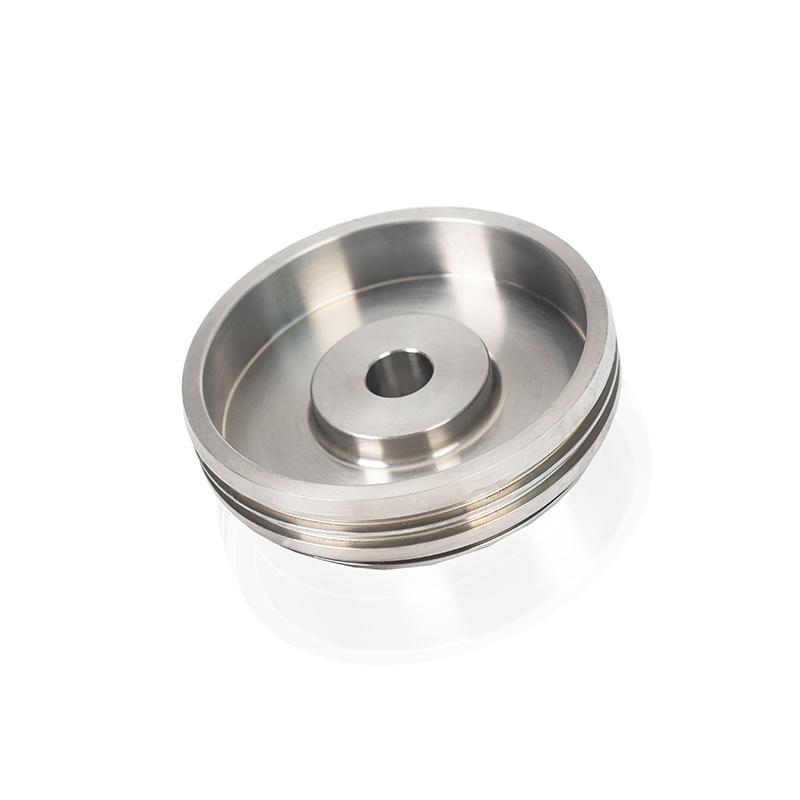
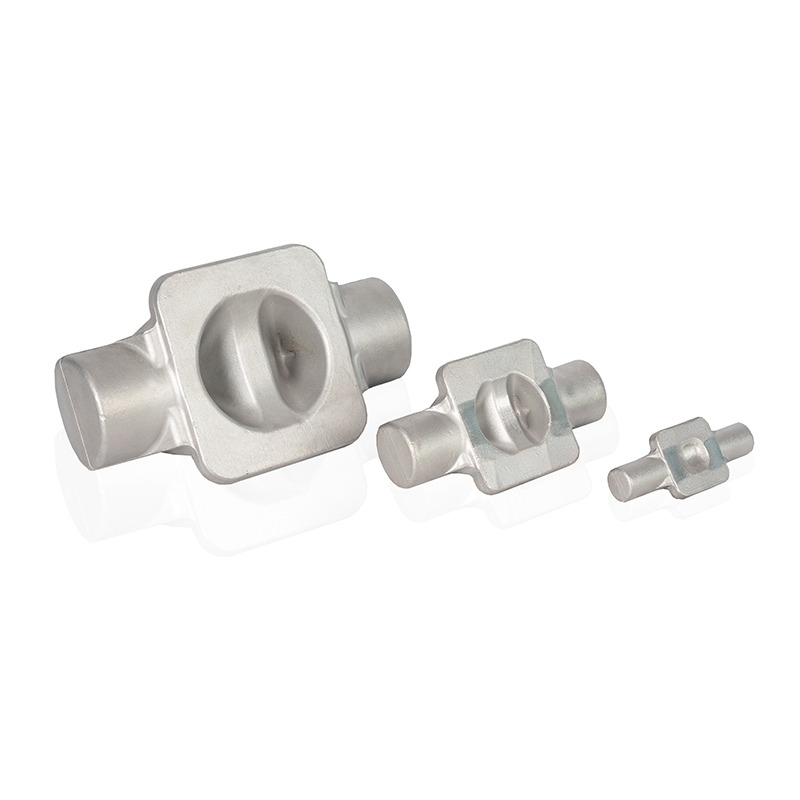
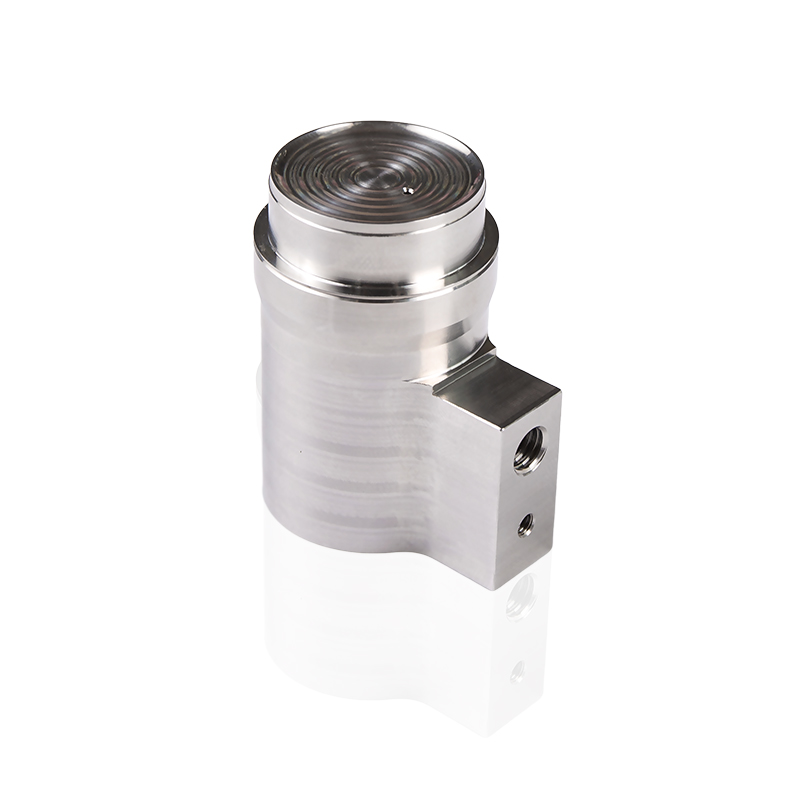
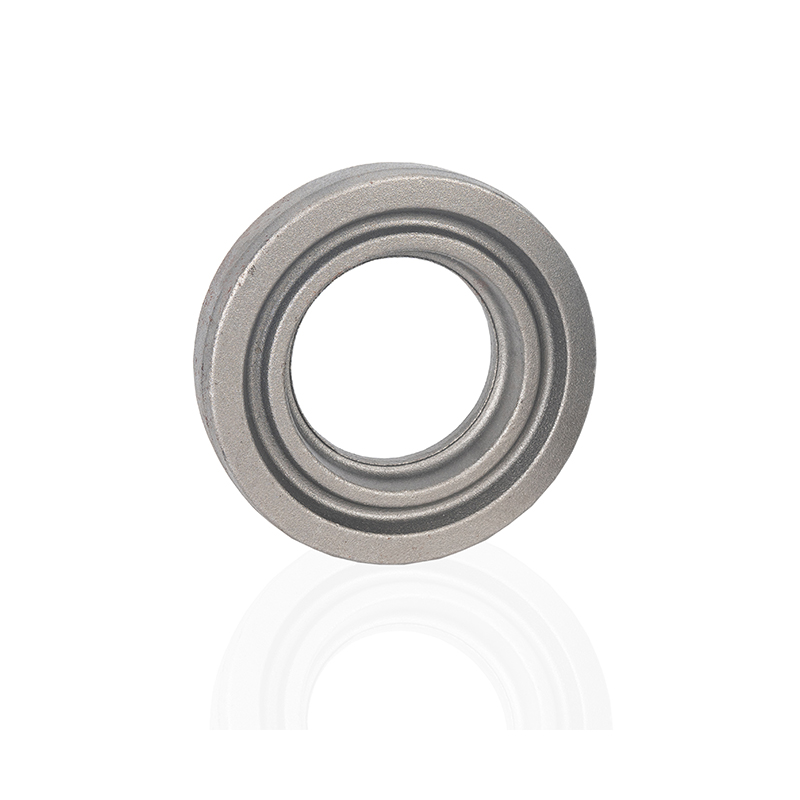
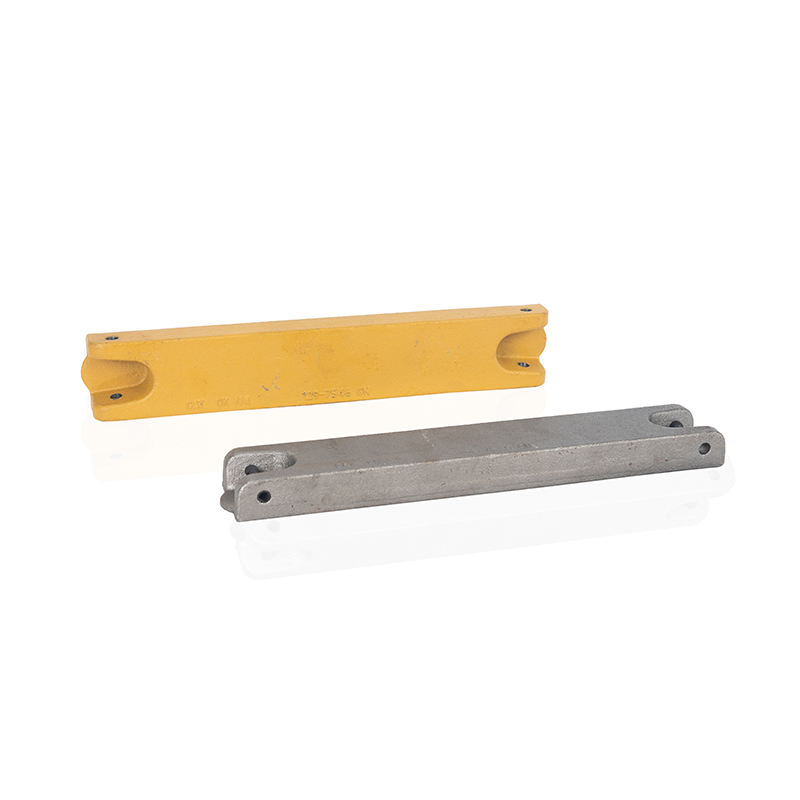
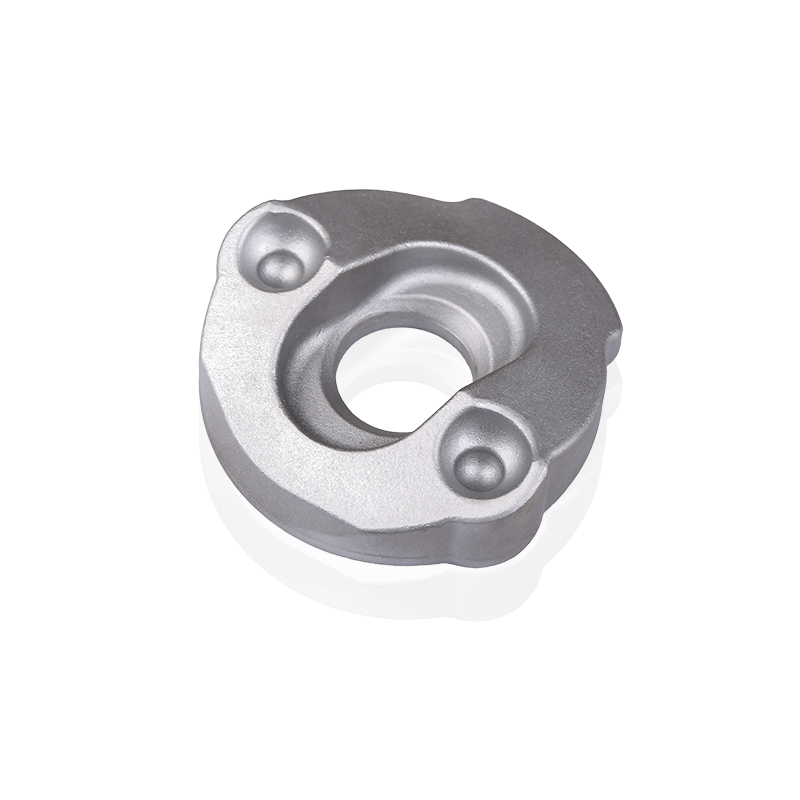
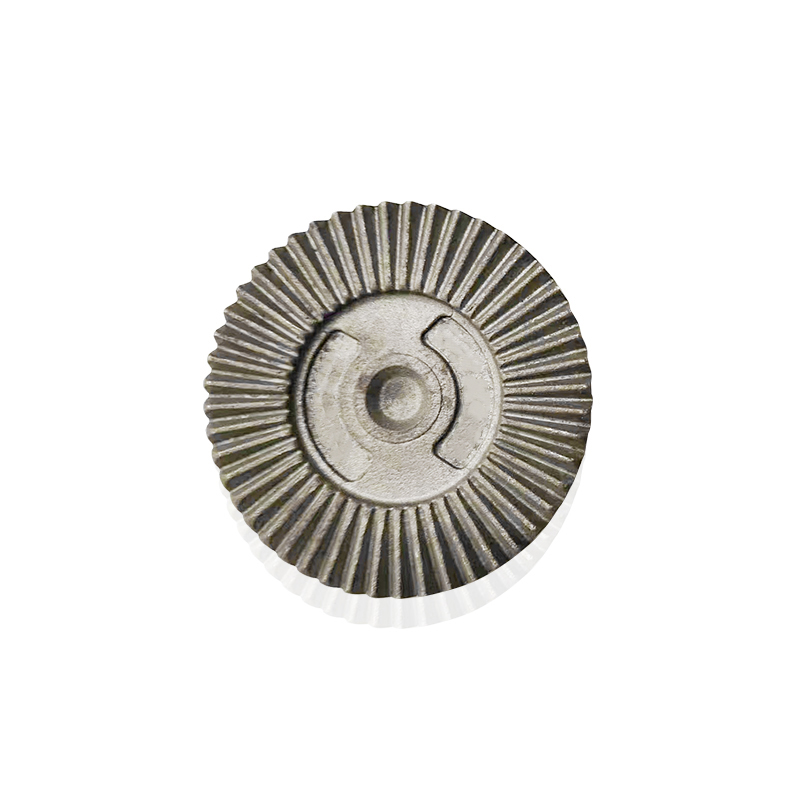
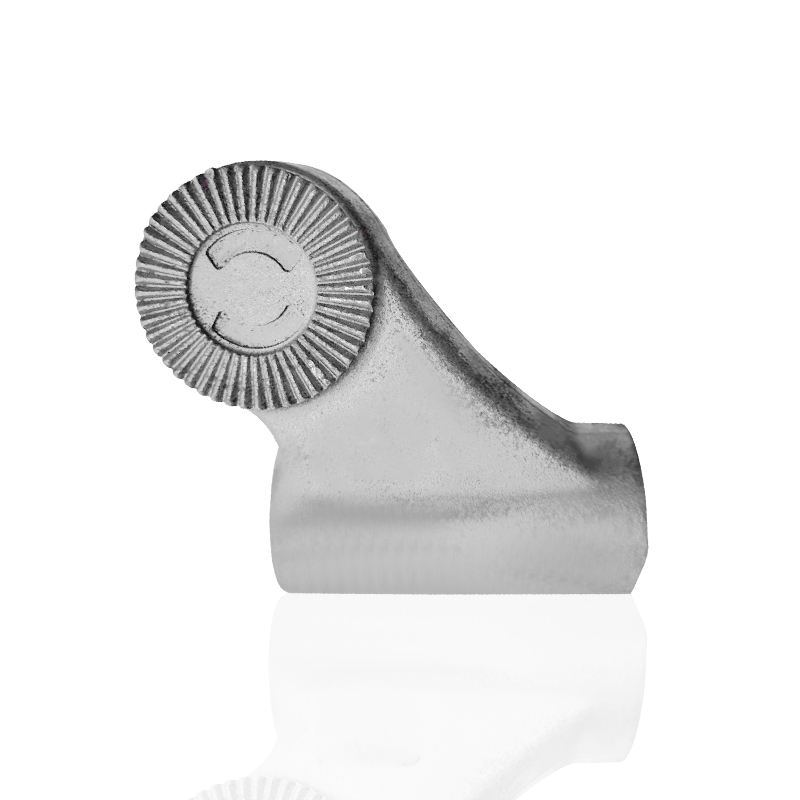
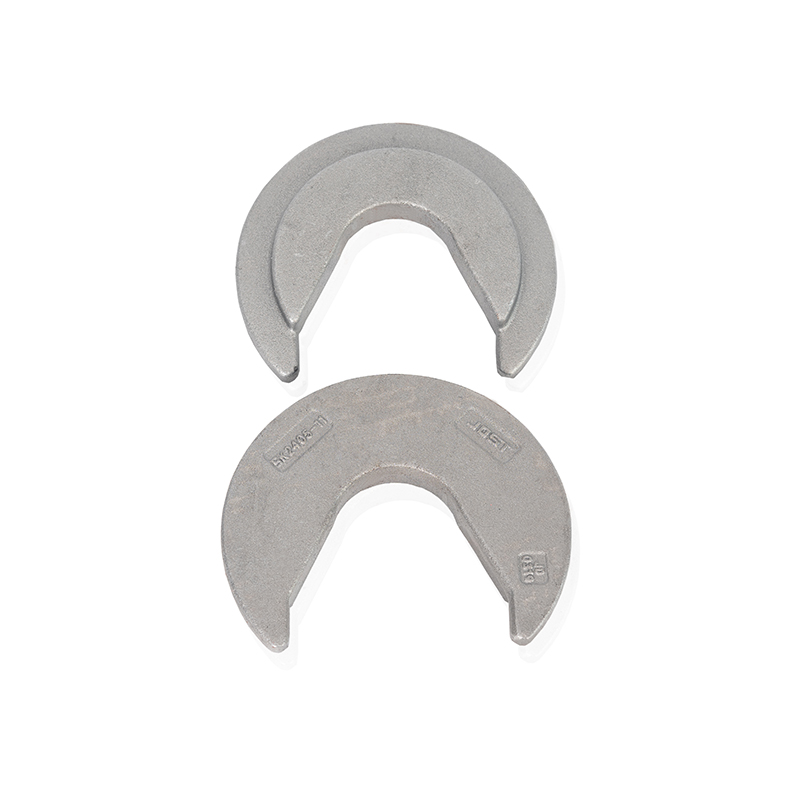
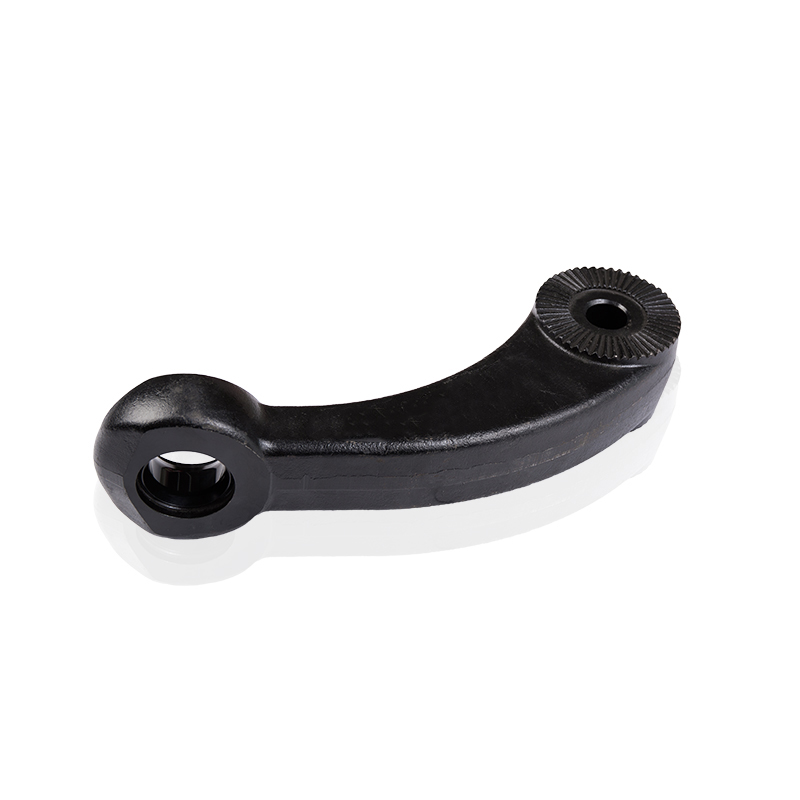
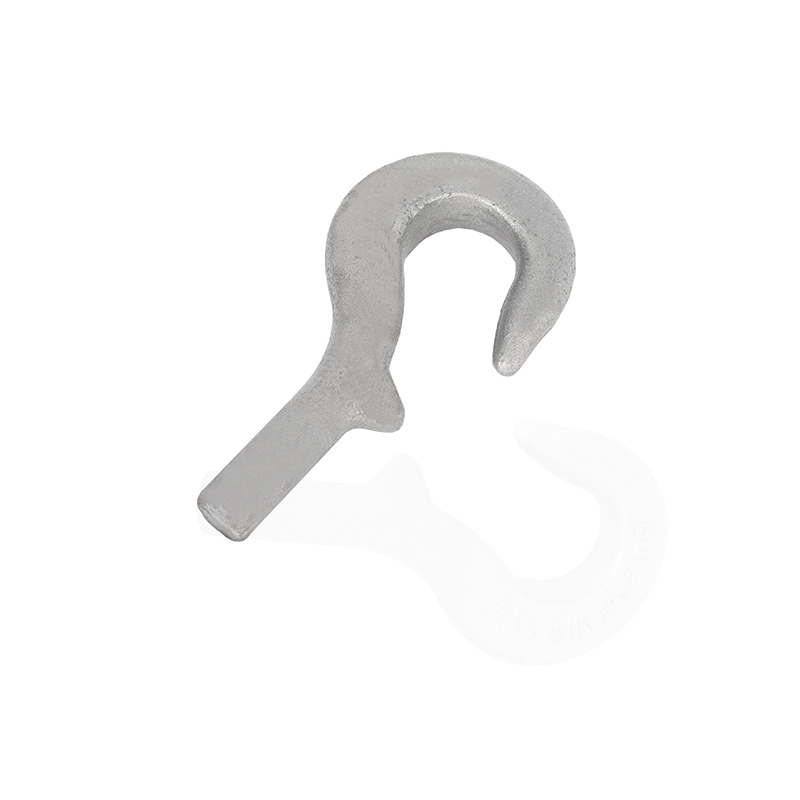
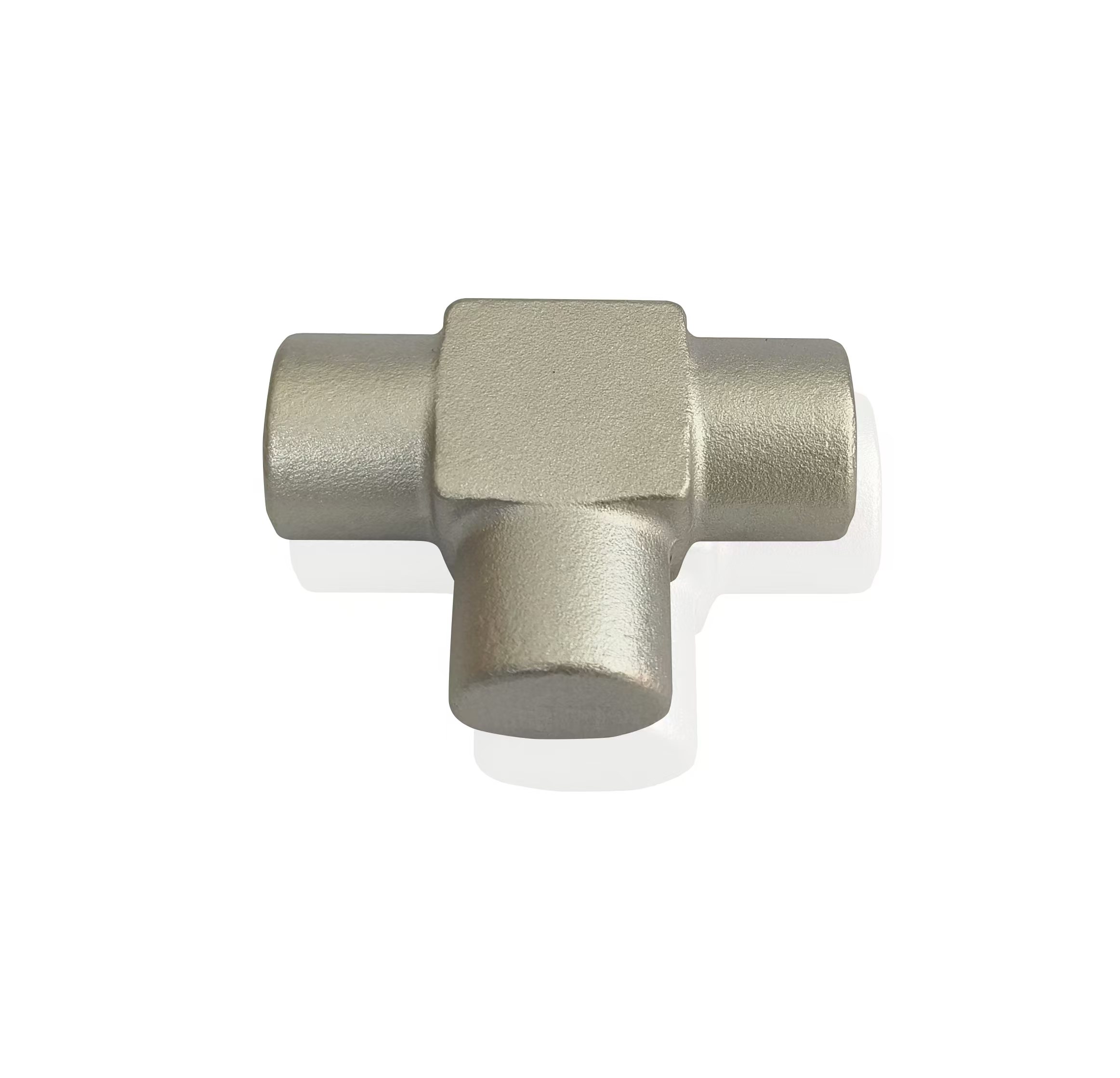

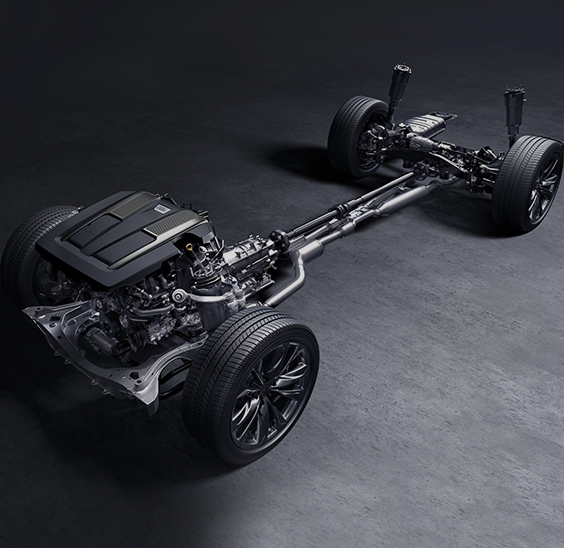
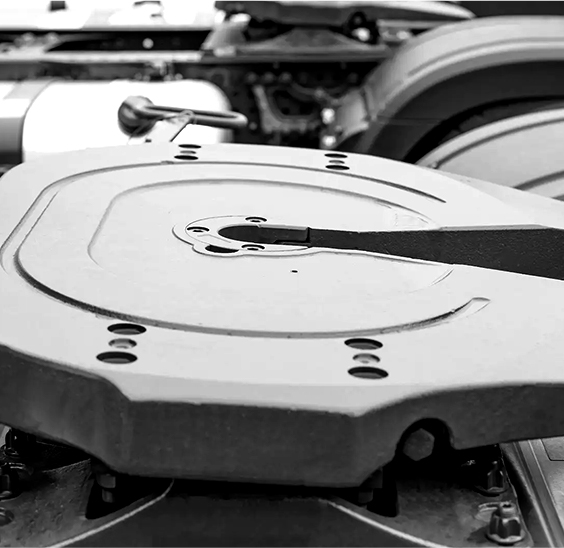
Our products primarily involve the production of forged components for the automotive industry, construction machinery industry, industrial instrumentation industry, and fluid equipment industry. Custom forging parts manufacturers and forged components solution providers in China.
Product links
Contact Us
-
Address:No. 5 Junrong Road, Daitou Town, Liyang City, Jiangsu Province, China
-
Tel:+86-18021979887
 苏公网安备32048102000516